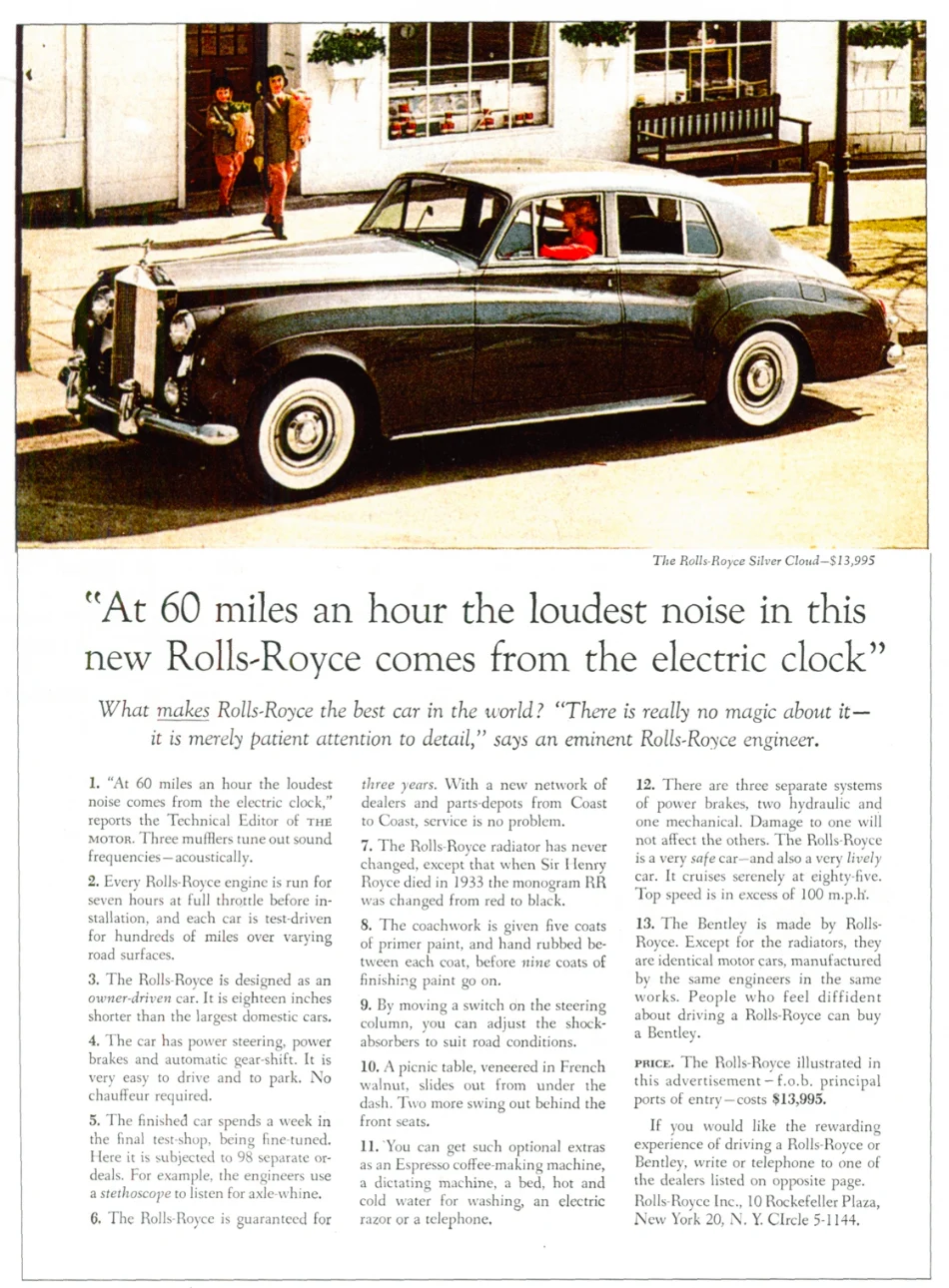
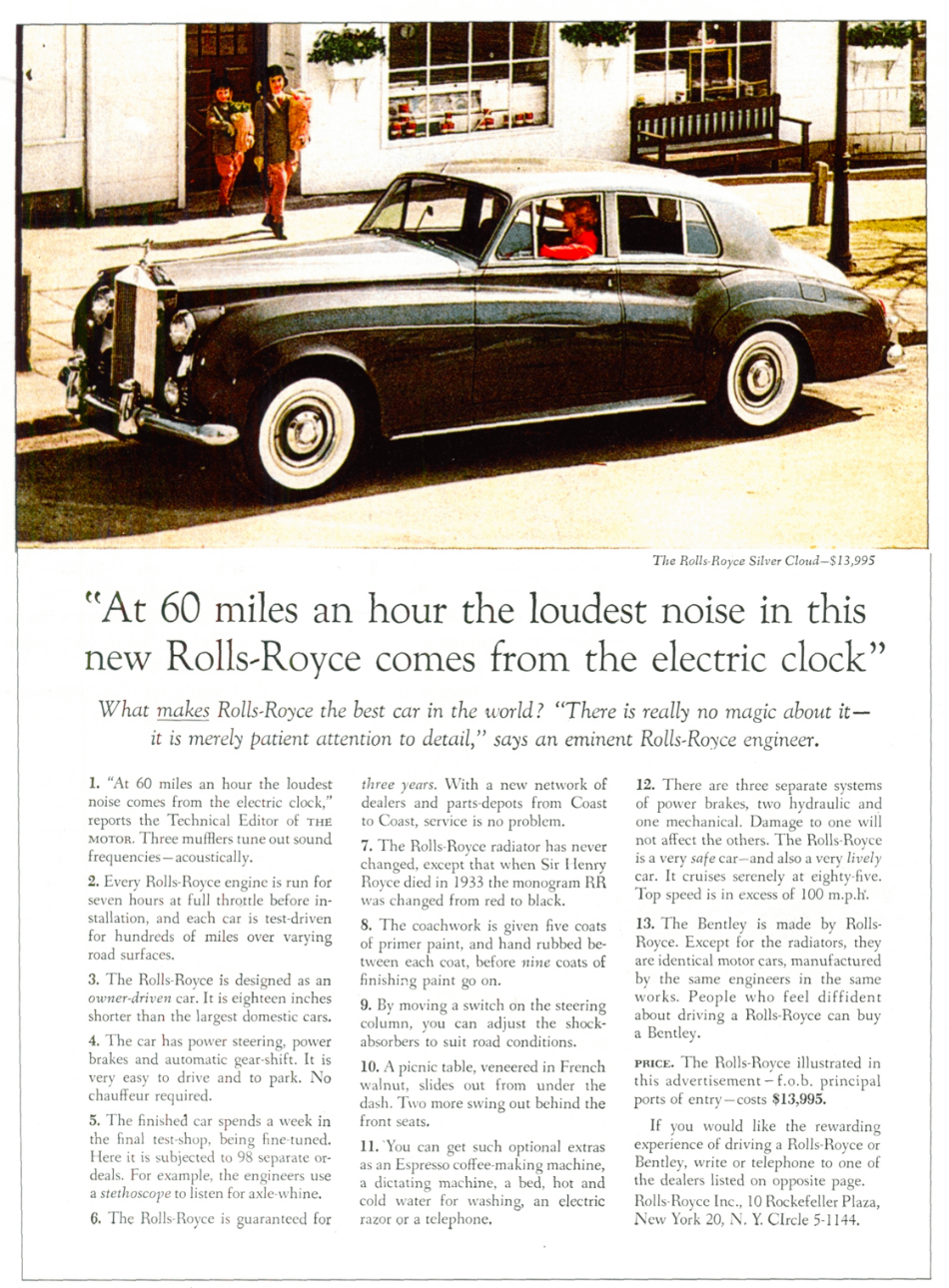
The intersection of generative artificial intelligence and high-stakes copywriting has entered a new phase of experimentation, moving beyond simple prompt engineering toward complex, agent-based workflows designed to replicate the "genius" of advertising legends. Central to this movement is the attempt to "train" Large Language Models (LLMs) on the foundational principles of David Ogilvy, the "Father of Advertising," whose 1959 Rolls-Royce campaign remains a gold standard in the industry. While social media platforms like LinkedIn are currently saturated with proponents claiming that AI can now mirror Ogilvy’s precise, fact-driven style, a recent deep-dive experiment using Anthropic’s Claude Code and Opus models suggests that while the technology has significantly evolved, the "magic" of strategic intuition remains elusive.
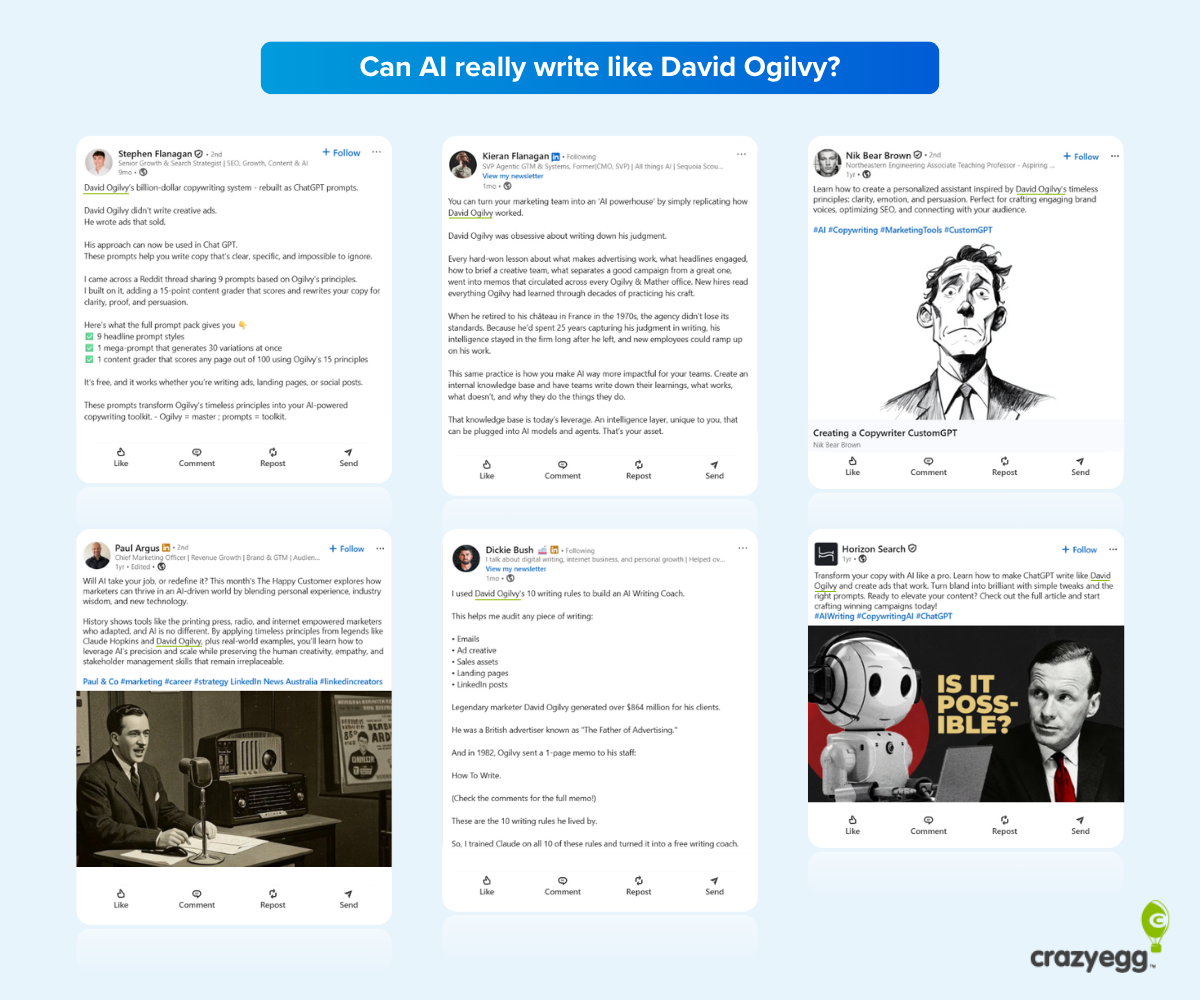
The premise of training AI on the works of respected writers has become a polarizing topic in the marketing world. Skeptics, including influential marketer Justin Oberman, argue that the substance of Ogilvy’s success was never merely a set of rules but a unique combination of human insight, cultural zeitgeist, and creative risk-taking. Nevertheless, the drive to automate high-performance copy has led to the development of sophisticated "Ogilvy-themed" editorial systems. These systems aim to determine if a machine, provided with the same research and constraints as a human master, can produce an advertisement that is indistinguishable from one created during the golden age of Madison Avenue.
The Experimental Framework: Reimagining a Classic
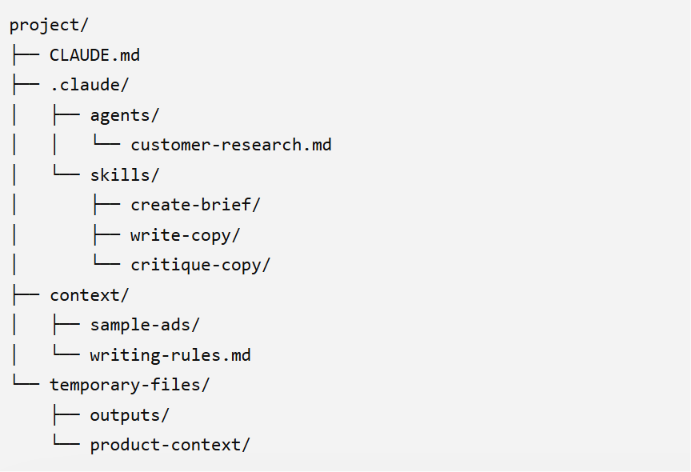
The core of the recent experiment involved a high-stakes challenge: using an AI workflow to recreate Ogilvy’s iconic Rolls-Royce advertisement for a modern context—specifically for the 2026 Rolls-Royce Spectre II. To ensure the experiment was a rigorous test of the system rather than a result of lucky prompting, the methodology utilized a multi-agent architecture built within Visual Studio Code using Claude Code.
The project structure was divided into three primary categories: context, agents, and skills. This "agentic" approach differs from standard AI interactions by breaking down the creative process into specialized tasks, mirroring the structure of a traditional advertising agency.
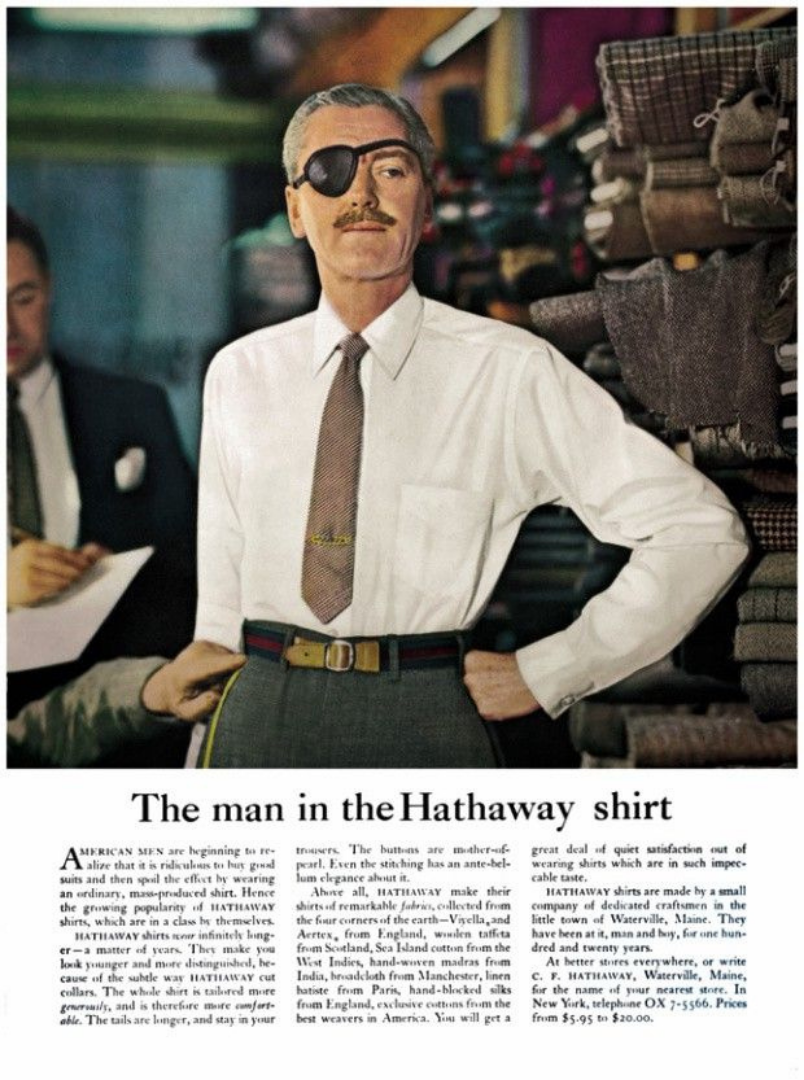
- Contextual Assets: The system was fed 27 specific writing rules derived from a close reading of Ogilvy’s three published books: Confessions of an Advertising Man, Ogilvy on Advertising, and The Unpublished David Ogilvy. Additionally, four classic advertisements—including the original Rolls-Royce "Electric Clock" ad and the Hathaway Shirt campaign—were transcribed and labeled to provide structural templates for headlines, subheads, and body copy.
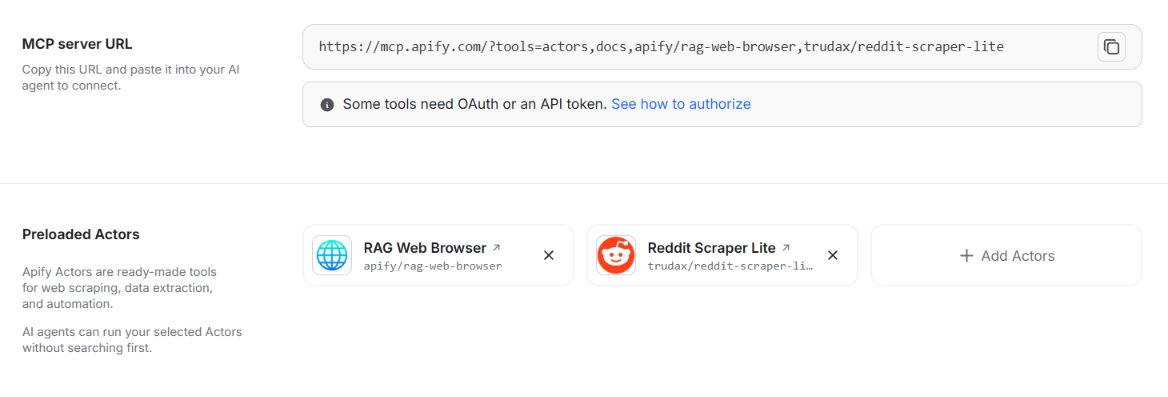
- Autonomous Research Agents: Using the Model Context Protocol (MCP) and tools like Apify, the system was tasked with conducting its own consumer research. It scraped data from the r/rollsroyce subreddit, analyzing 50 top posts and their subsequent comments to identify the modern buyer’s desires, pain points, and objections.
- Specialized Skills: The workflow utilized three distinct skills:
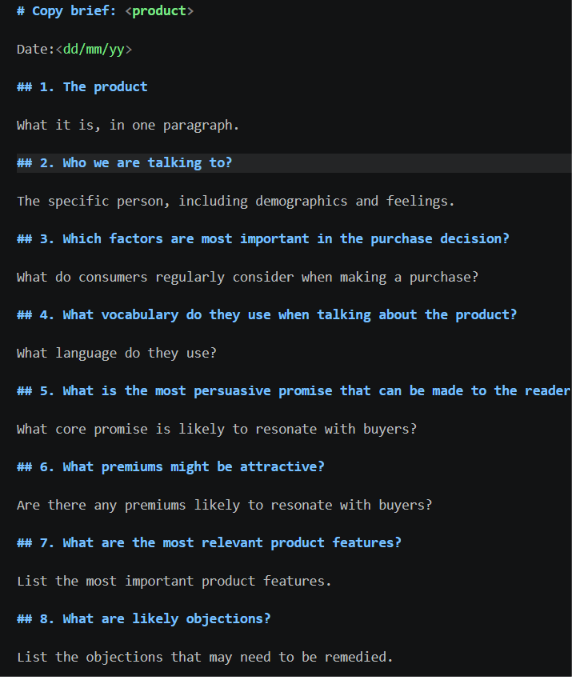
create-brief, which synthesized research and product specs;write-copy, which generated the text based on the brief and Ogilvy’s rules; andcritique-copy, a final editorial pass designed to remove "AI tells" and ensure factual accuracy.
The Data-Driven Approach to Consumer Sentiment
One of the most significant findings of the experiment was the effectiveness of AI in the research phase. In Ogilvy on Advertising, the author famously noted that he spent three weeks reading about the Rolls-Royce before finding the "electric clock" fact that became his headline. The AI-driven workflow attempted to replicate this "deep dive" in a fraction of the time.
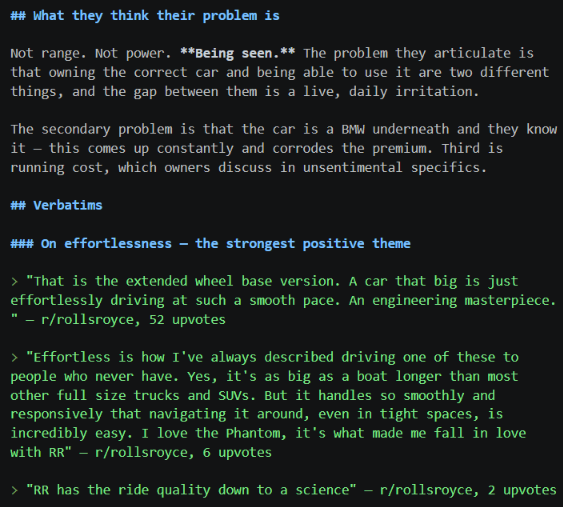
By analyzing raw data from social media and community forums, the research agent identified a shift in the modern luxury consumer’s mindset. While the 1959 consumer was focused on mechanical silence and prestige, the 2026 consumer for the electric Spectre II expressed concerns regarding charging infrastructure, the "soul" of an electric drivetrain, and a desire for "quiet luxury" that avoids the ostentation often associated with newer wealth.
The research agent generated a comprehensive buyer profile that included verbatim statements from potential owners. This data allowed the writing agent to move beyond generic marketing speak and incorporate specific technical details that resonate with the "fact-heavy" approach Ogilvy pioneered. For instance, the AI identified that modern owners are often defensive about the brand being perceived as a "rebadged BMW," a strategic hurdle that required careful navigation in the copy brief.
Analyzing the Output: The 2026 Spectre II Advertisement
The resulting advertisement for the Rolls-Royce Spectre II utilized the classic Ogilvy layout: a large, high-quality visual lead followed by a factual headline and several hundred words of numbered, informative copy. The headline generated—"At 60 miles an hour, the loudest sound in the new electric Rolls-Royce comes from your own heartbeat"—was a clear homage to the 1959 original, though it arguably lacked the grounded, mechanical specificity of the "electric clock" line.
The body copy was structured around technical achievements, such as the regenerative braking system and the precision of the interior timepieces. However, a journalistic analysis of the text reveals several persistent issues that continue to plague AI-generated content, even when guided by rigorous frameworks.
1. Stylistic Imprecision and "AI Tells"
Despite the "critique" skill designed to polish the language, the copy retained certain linguistic patterns characteristic of LLMs. Phrases like "On a long enough descent, it returns more than the descent costs" exhibited a clunky use of verbs that a human editor would likely replace with more direct language, such as "more electricity is returned to the battery than the car consumes." This lack of "flow" suggests that while AI can follow rules of structure, it struggles with the rhythmic nuances of persuasive prose.
2. Hallucinations and Misinterpretations
A critical failure in the experiment was the AI’s tendency to slightly misinterpret product specifications. In one instance, a press release described a new timepiece inspired by aviation instruments for "absolute legibility." The AI transformed this into a claim that the clock was "designed to be read at a glance and not admired." In the world of ultra-luxury goods, where every component is meant to be admired, this subtle shift in meaning could be perceived as a brand-damaging error.
3. Strategic Direction vs. Tactical Execution
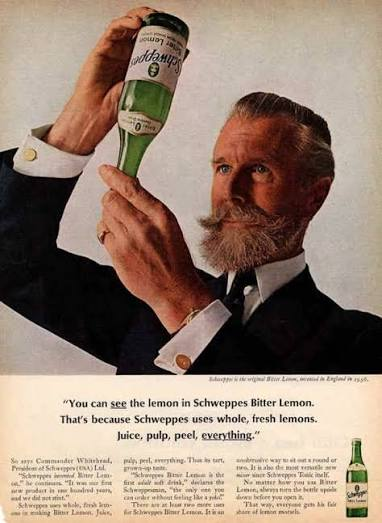
Perhaps the most profound takeaway was the AI’s choice of strategic "angle." The model chose to focus heavily on energy efficiency. While factually supported by the research, this may have been a strategic misstep. Ogilvy’s original ad focused on the "luxury of detail" and the "patience of engineers." The AI’s focus on "efficiency" arguably positioned the Rolls-Royce closer to a high-end appliance than an emotional, aspirational masterpiece.
Industry Implications and the Future of Copywriting
The results of this experiment have significant implications for the advertising industry. Data from various market research firms suggest that the AI writing assistant market is expected to grow at a CAGR of over 15% through 2030. However, as this experiment demonstrates, the value of AI in high-end creative work may lie not in the "final output" but in the "process augmentation."
The ability of AI to automate the "18 Miracles of Research"—a checklist Ogilvy used to evaluate the effectiveness of an ad—is a clear benefit. It allows human creators to bypass the labor-intensive stages of data gathering and sentiment analysis. Yet, the final "strategic leap"—the decision to take a specific, often counter-intuitive angle—remains a human domain.
Marketers and agency leads are increasingly viewing AI as a "junior researcher" or "first-draft generator" rather than a replacement for the Creative Director. The experiment showed that a simple prompt ("Write an ad like Ogilvy") produced a hallucination-filled, generic result. In contrast, the complex, agent-based workflow produced something "passable" and fact-grounded, but still lacked the cohesive narrative and "soul" of human-led work.
Conclusion: The Persistent Need for Human Intuition
The legacy of David Ogilvy was built on a foundation of rigorous research, but it was executed through a lens of human experience that machines cannot currently replicate. Ogilvy famously suggested that if all else failed, he would drink half a bottle of rum and listen to Handel to trigger a "gush of copy." This highlights the role of the subconscious and the irrational in the creative process—elements that are absent from the stochastic parity of an LLM.
As AI models like Claude, GPT-4, and Gemini continue to refine their ability to follow complex instructions, the gap between "machine copy" and "human copy" will narrow. However, for high-stakes brands like Rolls-Royce, where the perception of a single word can impact millions of dollars in brand equity, the "hybrid approach" appears to be the only viable path forward. In this model, AI handles the heavy lifting of data and initial structure, while human experts provide the strategic intuition, the stylistic polish, and the final fact-check.
Ultimately, the experiment confirms that while you can program the "rules" of a genius into a machine, you cannot yet program the "genius" itself. The magic of the 1959 Rolls-Royce ad was not just the fact about the clock; it was the human audacity to believe that such a quiet, understated detail would capture the world’s imagination. That audacity remains, for now, a uniquely human trait.