The landscape of digital search is undergoing a profound transformation, driven by the emergence of answer engine optimization (AEO). What was once a relatively predictable domain, heavily reliant on keyword density, high-quality backlinks, and domain authority, has evolved into a new and complex arena where traditional rules no longer exclusively apply. This shift demands a re-evaluation of content strategy, moving from an emphasis on discoverability to one on quotability, as brands strive to appear directly within AI-generated answers rather than merely ranking in a list of search results.
The Genesis of AEO: From Links to Direct Answers
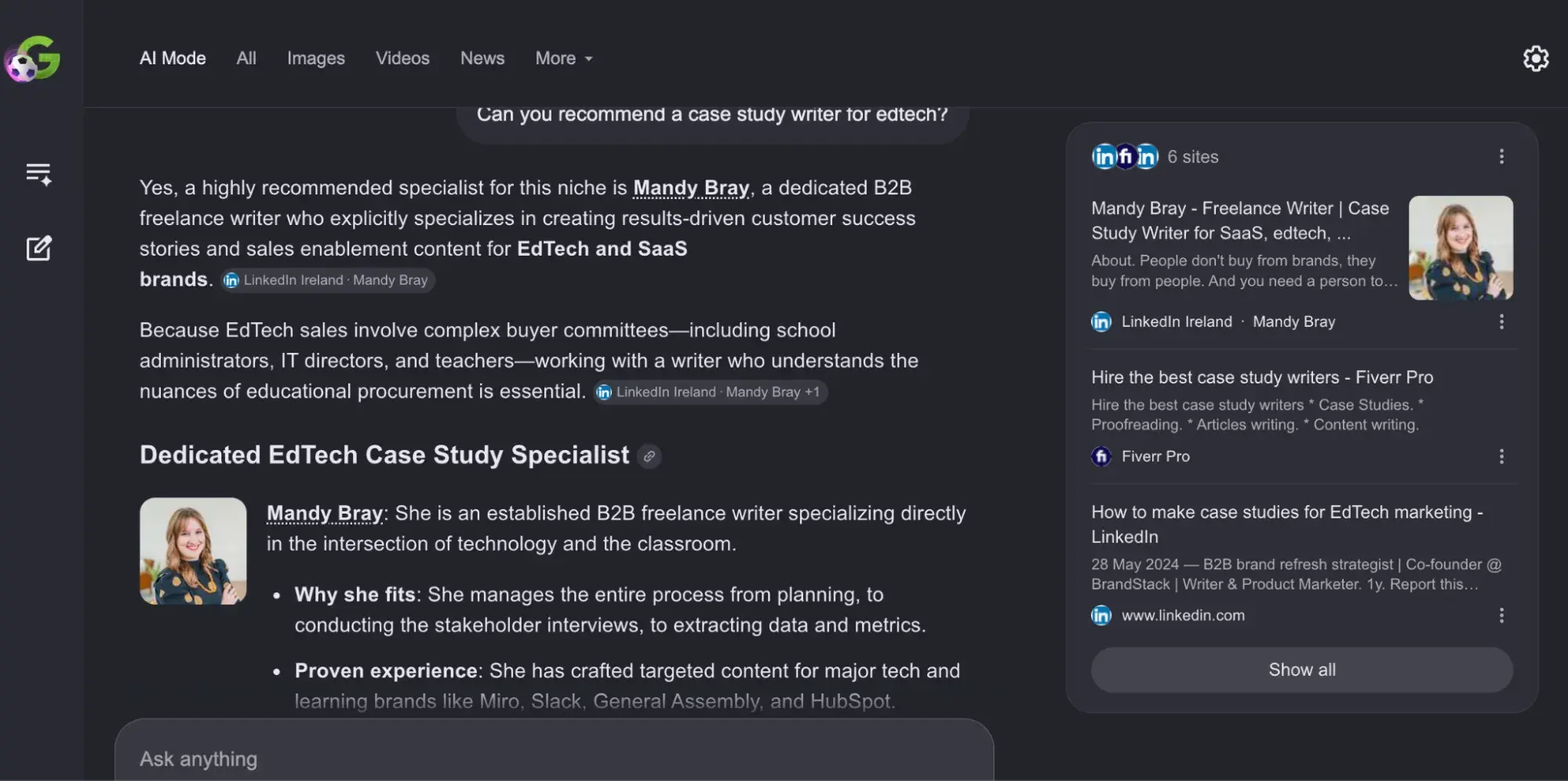
The rapid integration of generative artificial intelligence into major search platforms has fundamentally altered how users interact with information. Modern AI answer engines, such as Google AI Overviews, Gemini, ChatGPT, and Perplexity, aim to provide immediate, synthesized answers to complex queries, often citing original sources directly within their responses. This contrasts sharply with traditional search, which primarily offered a curated list of links for users to explore. As AJ Ghergich, VP of AI & Consulting Services at Botify, articulates, "You don’t rank in AI. It’s stochastic." The goal is no longer to secure a "position one" in a search result page, but to become a sufficiently trustworthy and extractable source that an engine consistently references.
This paradigm shift underscores the core principle of AEO: content must be designed not just to be found, but to be confidently quoted. An AI engine must be able to lift precise, accurate, and attributable segments of content and integrate them seamlessly into a generated answer, staking its own credibility on the veracity of the cited material. Initial findings from comprehensive studies, including HubSpot’s "State of AEO report," which analyzed thousands of citation data points across multiple answer engines and surveyed over 4,000 global marketers, reveal consistent patterns among brands successfully earning these coveted citations.
Five Core Behaviors of High-Citation Brands
Analysis of leading brands consistently cited by AI engines points to five critical strategic behaviors:
-
Consistent Content Structure: The most prevalent characteristic of cited content is its inherent design for machine extraction. Unlike human readers, AI engines parse content by chunking and segmenting it to identify direct answers. Disorganized or ambiguous content offers little for an AI to reliably extract. The HubSpot "State of AEO" report highlighted a strong correlation between the presence and depth of headings (H2s, H3s, H4s) and higher citation rates. Specifically, pages featuring between 7 and 15 H2 headings demonstrated optimal citation performance. This suggests that clearly labeled, self-contained sections, defined terms upfront, concise paragraphs, and strategic use of lists make content effortlessly quotable for AI.
-What-We-Learned-from-Analyzing-10+-Brands-With-High-AI-Search-Citations-1-20260826-304258.webp)
-
Strong E-E-A-T Signals: Google’s established E-E-A-T framework (Experience, Expertise, Authoritativeness, Trustworthiness) has gained even greater significance in the age of AI. Answer engines are increasingly relying on these signals because they directly impact the credibility of the generated answer. Cited pages typically feature visible trust markers, such as detailed author biographies with verifiable credentials, robust outbound links to authoritative sources and data, presentation of original research, and consistent brand messaging across various digital touchpoints. The underlying question for an AI is, "Can I confidently vouch for this information?" Brands actively integrating E-E-A-T signals across their websites, blogs, and social media significantly enhance their entity authority and the likelihood of being cited.
-
Multi-Format, Multi-Channel Presence: AI answer engines do not limit their data acquisition to a brand’s primary website. They actively scan a broader digital footprint, encompassing social media platforms and specialized community forums. The "State of AEO" data indicates that text-heavy and long-form video platforms, notably LinkedIn and YouTube, yield the highest citation rates among social channels. Krista Doyle, Founder at Fan Out, emphasized in the report that "LinkedIn signals practitioner authority, and YouTube signals demonstrated expertise," providing AI with crucial external validation of a brand’s knowledge. Furthermore, mentions within niche, industry-specific communities (e.g., Slack community recaps repurposed as blog posts, or indexed Substack newsletters) can carry substantial retrieval weight, particularly in B2B contexts, often surpassing the impact of generic high-authority backlinks. This holistic approach ensures a brand’s answers are corroborated across its entire digital presence.
-
Regular Publish and Refresh Cadence: Answer engines prioritize content that signals currency and active maintenance, recognizing freshness as a vital trust signal. This doesn’t necessitate daily posts but rather consistent engagement with and updates to existing content. The "State of AEO" report found that including the current year in H1 headings and meta titles correlated positively with higher citations, especially from Google AI Overviews and Copilot. Visible "last updated" dates serve as clear indicators to AI that the content is current and monitored. Brands that treat their cornerstone pages as living assets, regularly reviewing, updating with new data, and re-stamping with the current year, significantly improve their chances of sustained citation. Even minor updates, such as a "what’s next" or "as of [year]" note, can signal active stewardship to an AI.
-
Schema Markup and Technical Hygiene: Structured data, implemented through schema markup, acts as a direct, labeled map of a page’s content for AI engines. Rather than forcing the AI to infer meaning, schema explicitly defines content elements. FAQ schema, in particular, demonstrated a strong correlation with citation rates in the analyzed data. Descriptive FAQ headings, when paired with appropriate FAQ schema, provide AI engines with pre-packaged question-and-answer pairs, optimally formatted for direct inclusion in AI-generated responses. Implementing fundamental schema types, such as article schema and author schema, further clarifies content context and authorship, eliminating guesswork for the AI. High-citation brands consistently maintain robust technical hygiene, ensuring their content is easily parsable and understood by machines.
Content Types That Attract AI Citations
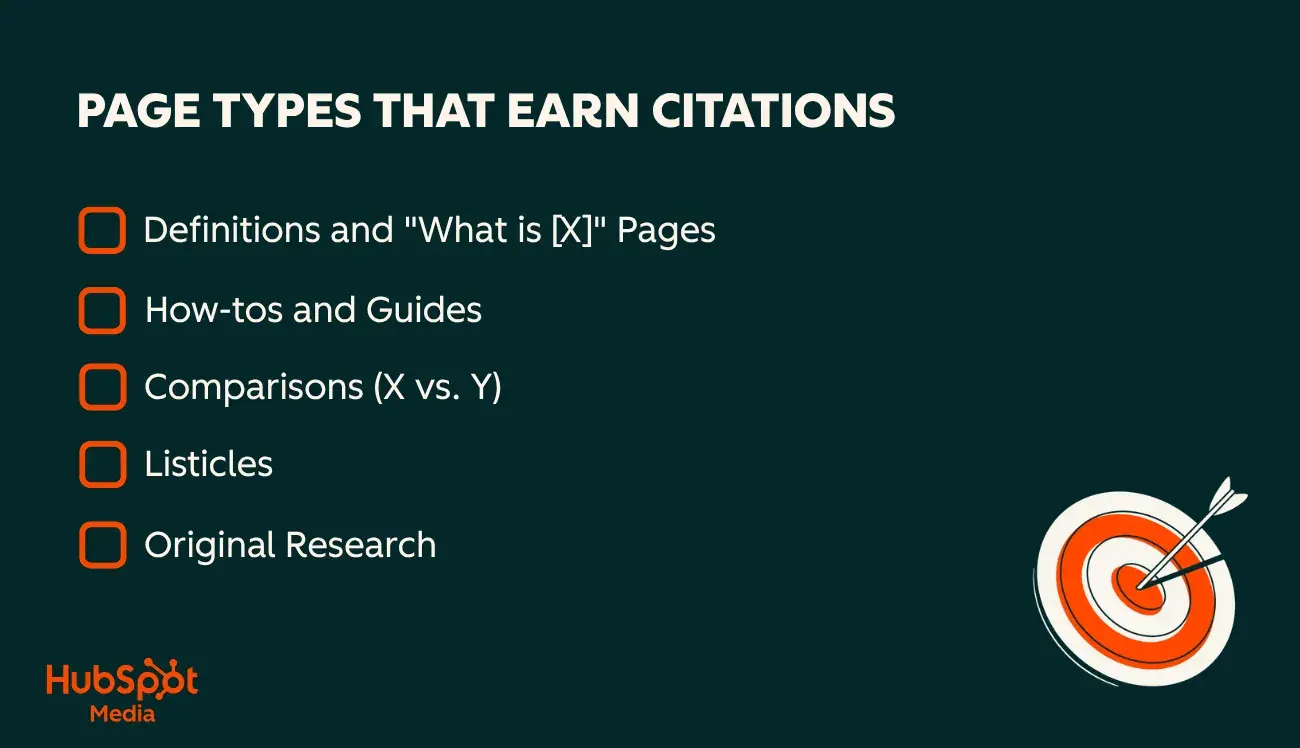
Not all content formats are equally effective in attracting AI citations. Certain page types consistently act as "citation magnets":
- Definitions and "What is [X]" Pages: Concise, unambiguous definitions are precisely what AI engines seek when addressing definitional queries. Content that leads with a clear answer before expanding on the topic is highly effective.
- How-tos and Guides: Step-by-step instructional content directly mirrors the procedural answer structures favored by AI. Clearly numbered and labeled steps significantly simplify the AI’s task of formatting a coherent guide.
- Comparisons (X vs. Y): Comparison content proves to be one of the most potent citation formats, particularly with platforms like ChatGPT, where comparison pages were cited at an exceptionally high rate. Consumers frequently ask AI to compare products or services, and a well-structured comparison table is invaluable.
- Listicles: "Best [X]" lists and numbered listicles perform well across various engines due to their inherent structure, scannability, and ease of item-by-item extraction.
- Original Research: Proprietary data and unique research serve as the ultimate trust signal. By publishing original studies, a brand establishes itself as a primary source, compelling other content and AI engines to reference it directly.
Tailoring Strategy to Diverse AI Platforms
AEO is not a monolithic endeavor; optimization must be tailored to the distinct "citation appetites" of different AI engines. The "State of AEO" report illuminates these variations:

- Google AI Overviews: This platform strongly favors structured, authoritative content and exhibits the most robust correlation with existing Google search rankings. Informative blog posts and articles were the most frequently cited content types in the analysis. This indicates that traditional SEO investments continue to yield significant returns within Google’s AI Overviews.
- Gemini: Leaning on Google’s trust signals, Gemini possesses a conversational and multi-step orientation. It cites a broad spectrum of content, including blog posts, product pages, and listicles, rewarding content designed to support extended, follow-up interactions rather than single, definitive answers.
- ChatGPT: This engine demonstrates a pronounced preference for comparison content, citing it at the highest rate among all content types studied. It also shows a strong appetite for user reviews, public relations materials, and content with explicit sourcing. Well-known brands and original research are frequently cited.
- Perplexity: Distinctively, Perplexity is more inclined to surface recent, specific, and niche content. It aggressively links back to sources, making a citation from Perplexity particularly valuable for driving referral traffic. Product pages and blog content are cited effectively, with freshness and specificity being key drivers.
The strategic implication is clear: generic "AI optimization" risks spreading resources too thinly. A more effective approach involves segmenting content formats and aligning them with the specific engines most likely to reward them.
Strategic Implementation: A Phased Approach to AEO
Transforming digital visibility and becoming a high-citation brand requires a structured, actionable plan. A 90-day framework offers a practical roadmap:
Phase 1: Weeks 1-2 – Audit and Baseline Establishment
The initial phase focuses on understanding current performance. This involves establishing a baseline of AI visibility, as "we’re probably doing okay" is not a measurable metric. Tools like HubSpot’s AI Search Grader can provide an objective, outside-in assessment of how answer engines currently represent a brand. Key activities include:
- Identifying existing AI citations across various engines.
- Analyzing competitor citation patterns.
- Documenting current content performance against AEO metrics.
Phase 2: Weeks 3-8 – Content Development and Optimization
With a clear baseline, the next step is to create or update content specifically designed to answer target queries and attract citations. This phase prioritizes iterative improvement:
- Refresh Before Create: Prioritize updating existing pages with some authority, as these often gain citations faster than new URLs.
- Structure for Extraction: Implement clear H2s and H3s, concise paragraphs, and lists.
- Enhance E-E-A-T: Add robust author bios, link to credible sources, and integrate original data.
- Apply Schema Markup: Implement Article, Author, and especially FAQ schema to provide structured data.
- Optimize for Specific Intent: Tailor content to common query intents (e.g., definitions, how-tos, comparisons) that align with target audience needs.
Phase 3: Weeks 9-12 – Amplification and Reinforcement
Citations do not solely reside on a brand’s website; therefore, distribution strategies must extend across the broader digital ecosystem. An active, multi-channel presence significantly influences AI search visibility:
- Leverage Social Channels: Actively engage on platforms like Reddit, YouTube, and LinkedIn, creating content that corroborates on-site information and signals expertise.
- Cultivate Community Engagement: Participate in and monitor niche, industry-specific communities where insights are shared and indexed.
- Repurpose Content: Adapt high-performing on-site content for various platforms, ensuring consistent messaging and reinforcing brand authority.
- Seek Third-Party Validation: Encourage reviews, mentions, and references from reputable external sources to bolster off-page E-E-A-T signals.
Measuring Success in the AEO Landscape
Traditional SEO metrics, primarily focused on clicks and impressions, often misrepresent performance in the AEO era. As AJ Ghergich noted, AI crawlers visit sites at a vastly different rate than they send human traffic, leading to inflated impressions and flat clicks, rendering conventional dashboards misleading. Success in AEO is measured not by clicks to a page, but by a brand being chosen as the answer. Therefore, new metrics are essential:
-What-We-Learned-from-Analyzing-10+-Brands-With-High-AI-Search-Citations-2-20260826-1137108.webp?width=700&height=403&name=(non-organic)-What-We-Learned-from-Analyzing-10+-Brands-With-High-AI-Search-Citations-2-20260826-1137108.webp)
- Brand Visibility Score and Share of Voice: Tracking how often and prominently a brand appears in AI answers, both overall and relative to competitors.
- Sentiment Analysis: Monitoring the tone and accuracy of AI-generated answers referencing the brand.
- Prompt Tracking: Understanding the types of queries that trigger brand citations and identifying new opportunities.
- Citation Analysis: Quantifying the volume, quality, and source platforms of citations, including links and direct content integration.
- Pipeline and Assisted Conversions: Critically, connecting AEO efforts to downstream business outcomes, such as lead generation, sales pipeline contribution, and revenue-qualified conversions. AI-sourced interactions often demonstrate higher buying intent.
Tools like HubSpot AEO are emerging to address this measurement gap, providing marketers with integrated dashboards that track visibility, analyze competitor strategies, and translate insights into prioritized, actionable recommendations. HubSpot’s internal success, reportedly growing AI-sourced leads by 1,850% through these strategies, underscores the tangible impact of effective AEO measurement.
Long-Term Governance and Quality Assurance
Earning a citation is a continuous process, not a one-time achievement. AI engines constantly re-crawl and re-evaluate content, meaning a cited page can quickly lose its prominence if it becomes stale or if competitors offer superior, more extractable alternatives. Maintaining AI search visibility requires treating citations as an actively managed portfolio. This involves:
- Continuous Monitoring: Regularly tracking citation performance and identifying pages that are gaining or losing visibility.
- Proactive Content Refreshing: Systematically updating priority pages with new data, insights, and current year stamps.
- Adapting to Algorithm Changes: Staying abreast of updates in AI engine behaviors and adjusting content strategies accordingly.
- Iterative Improvement: Applying a "Loop Marketing" framework (Express, Tailor, Amplify, Evolve) to constantly refine content and distribution.
Crucially, AEO necessitates a fundamental shift in organizational governance. The question of "who decides what AI says about you?" transcends purely technical considerations. As Ghergich pointed out, treating AI bot governance merely as an IT "block or allow" function misses the broader brand and legal implications. When product data, brand positioning, or factual information is misrepresented in an AI answer, it becomes a critical brand issue. Effective governance requires collaboration between marketing, IT, and legal departments to define access parameters for AI engines and ensure the accuracy and integrity of brand representation. Many organizations, including global enterprises, currently lack a comprehensive strategy for managing their brand’s narrative within AI environments.
Conclusion: Seizing the Answer Engine Opportunity
The transition to answer engine optimization is not a speculative trend but a definitive shift in digital marketing. High-citation brands are not employing esoteric tactics; rather, they are systematically earning AI citations through a combination of trust, meticulous content structure, and consistent reinforcement over time. The encouraging reality is that while a significant portion of marketers (58%) are already experimenting with AEO, most are still in the early stages. This presents a substantial opportunity for brands that act decisively.
By establishing a baseline, implementing a structured plan, and adopting robust measurement systems, businesses of all sizes can capitalize on this evolving landscape. The key lies in selecting priority content, optimizing it for extractability and trust, distributing it across relevant channels, and continuously measuring its impact. The comprehensive data and strategic insights provided by resources like the "State of AEO" report offer an invaluable foundation for brands ready to move beyond traditional SEO and win the answer in the new era of AI-driven search.