The retail landscape is undergoing a significant transformation, driven by a burgeoning consumer consciousness regarding environmental impact. A recent PwC Voice of the Consumer survey underscores this shift, revealing that customers are prepared to pay a premium, nearly ten percent more, for goods that are genuinely eco-friendly. This growing demand presents a compelling opportunity for entrepreneurs venturing into the print-on-demand (POD) space. However, navigating the complexities of sourcing truly sustainable products can be a daunting task, as many suppliers in the POD market make broad claims of eco-friendliness without providing sufficient, verifiable details. This article aims to demystify the process of selecting and offering sustainable products, providing a detailed guide for businesses looking to align their offerings with consumer values and environmental responsibility.
Understanding Genuine Eco-Friendliness in Products
The term "sustainable" can be ambiguous, with different suppliers employing varied definitions. To ensure the integrity of a product catalog, rigorous research into each item is paramount. Key factors to scrutinize include material composition, manufacturing processes, and the presence of recognized certifications.
Material Composition: The foundation of an eco-friendly product often lies in its materials. For instance, organic cotton, when certified, signifies cultivation without synthetic pesticides or fertilizers, reducing soil and water contamination. The origin of recycled materials is also crucial; distinguishing between post-consumer recycled content (e.g., from discarded plastic bottles) and post-industrial recycled content is important for a comprehensive understanding of a product’s lifecycle impact. Sometimes, even the color of a product can influence its material mix, with certain dyes potentially impacting the overall sustainability profile.
Certifications as Verifiers: A robust understanding of relevant certifications is essential for validating sustainability claims. These certifications act as independent assurances of ethical and environmental practices.
- Global Organic Textile Standard (GOTS): This is a leading textile processing standard that ensures certified organic status for textiles, from the harvesting of the raw materials, through environmentally and socially responsible manufacturing, up to labeling. GOTS covers the processing, manufacturing, packaging, labeling, trade, and distribution of all textiles made from at least 70% certified organic natural fibers.
- OEKO-TEX Standard 100: This certification focuses on the absence of harmful substances in textile products. It tests for a wide range of chemicals, including heavy metals, formaldehyde, and azo dyes, ensuring that the final product is safe for human use.
- Global Recycled Standard (GRS): GRS verifies the presence and amount of recycled materials in a final product. It also addresses environmental and social aspects, such as pollution prevention and waste management, and social requirements. This standard tracks recycled raw materials throughout the product’s supply chain.
- Organic Content Standard (OCS): Similar to GOTS, OCS verifies that a final product contains a certified organic material. It does not, however, regulate the processing, chemical use, labor conditions, or packaging.
- Forest Stewardship Council (FSC): For products involving paper, such as packaging or labels, the FSC certification indicates that the wood or paper comes from responsibly managed forests that provide environmental, social, and economic benefits.
Durability and Longevity: A truly sustainable product is also durable. The ink should not fade easily, and seams should remain intact after repeated use and washing. Products designed for longevity reduce the frequency of replacement, thereby minimizing waste.
Top Sustainable Products for Your Print-on-Demand Catalog
The following curated list of products offers a starting point for entrepreneurs aiming to build an eco-conscious brand. Each recommendation is accompanied by details on its sustainability features and potential market appeal.
Sustainable T-Shirts: The Foundational Offering
T-shirts represent a universally appealing and accessible entry point into the sustainable POD market. Their widespread desirability, availability from numerous suppliers, and relatively lower production costs make them an ideal choice for new businesses.
-
Stanley/Stella Organic Cotton T-Shirt: This premium option utilizes 100% organic ring-spun cotton, offering a soft feel and a broad range of unisex sizing. While not the cheapest, its quality justifies a higher retail price point, allowing for a healthy profit margin. The absence of a minimum order quantity on platforms like Fourthwall mitigates inventory risk. The availability of diverse colors and the option for embroidery further enhance its appeal for creating a more premium catalog.
-
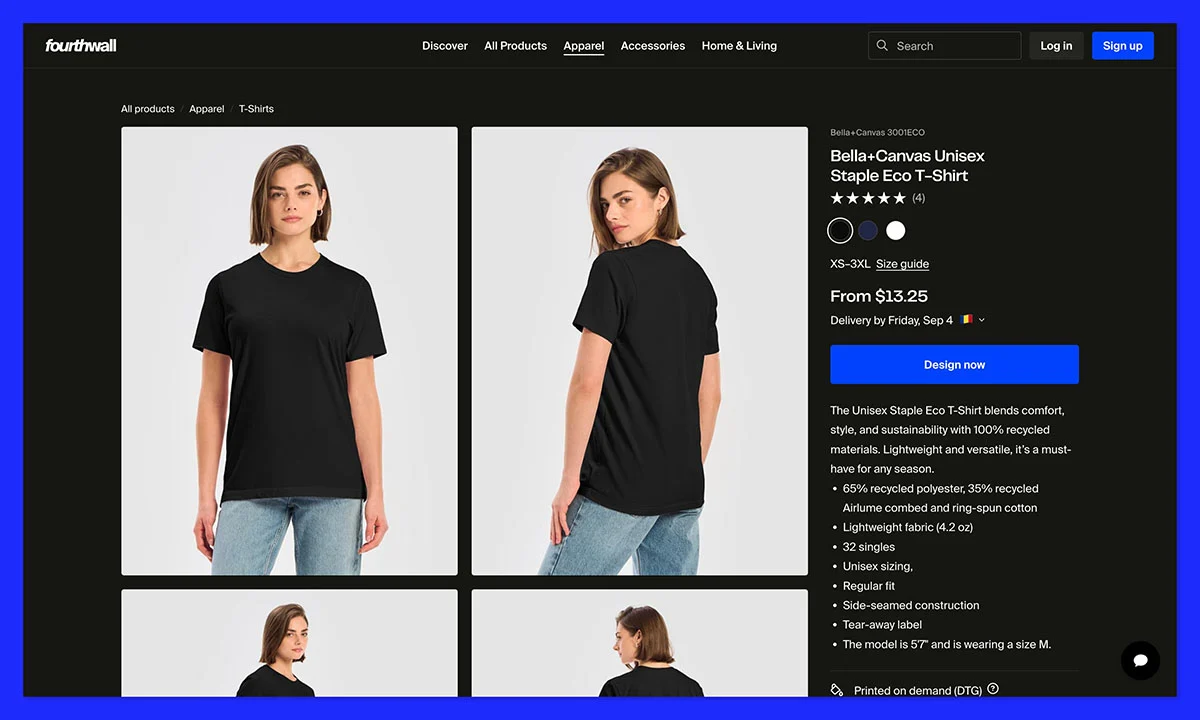
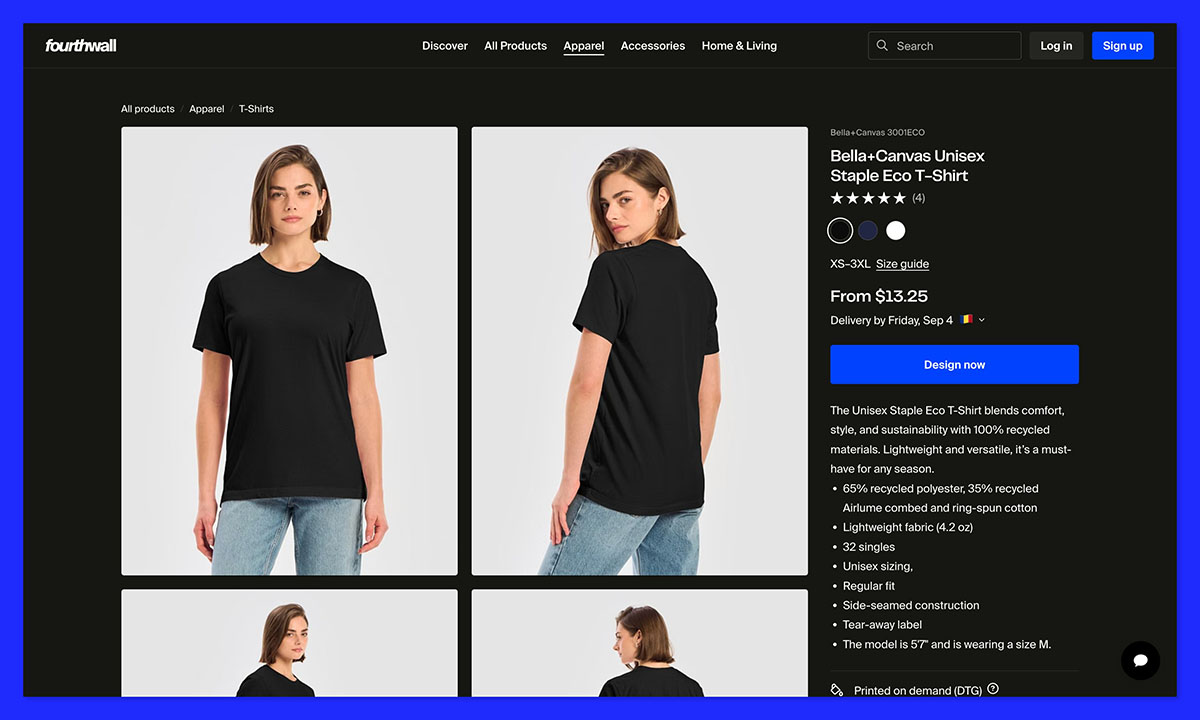
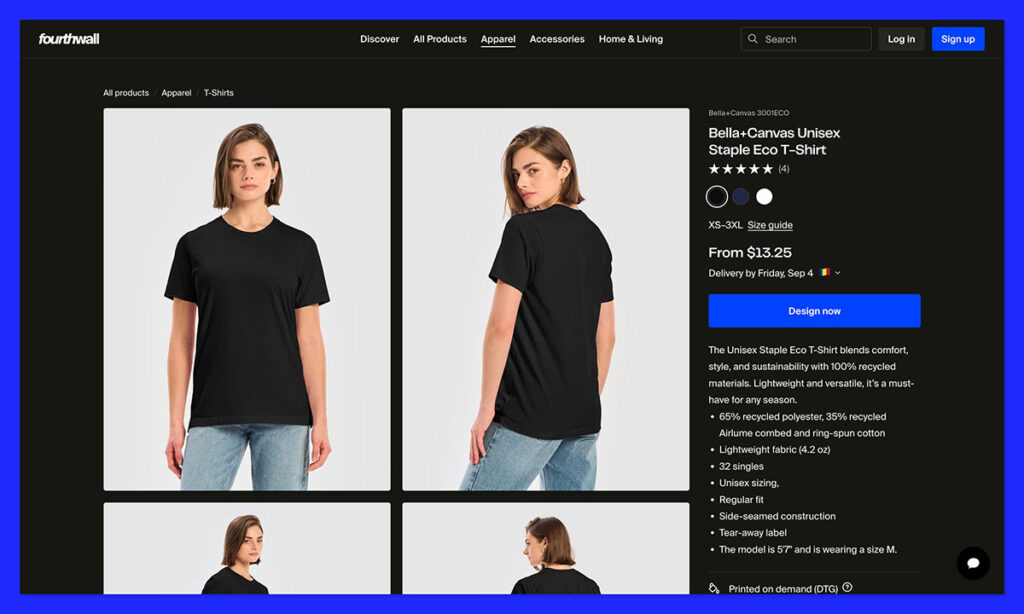
Bella+Canvas Unisex Staple Shirt: A more budget-friendly yet sustainable alternative, this shirt features a blend of 65% recycled polyester and 35% recycled Airlume cotton. This composition provides a balance of softness, durability, and environmental consideration. The tear-away label enhances comfort. It is advisable to order samples and test printing quality, as Direct-to-Garment (DTG) artwork can sometimes appear darker on certain fabric colors.
-
Organic Unisex Crewneck T-shirt (Gelato): Gelato offers a broad selection of organic and sustainable apparel, including a popular unisex crewneck made from 100% certified organic ring-spun cotton. Gelato’s decentralized fulfillment network, with approximately 90% of orders produced locally, contributes to reduced shipping emissions and faster delivery times. This option also offers complementary children’s sizes, expanding potential customer reach.
-
Circular Organic T-shirt (Teemill): Teemill’s circular organic collection is noteworthy for its commitment to a closed-loop system. The shirts are made from 100% organic cotton, and printing uses water-based vegan inks. Crucially, each label includes a QR code that allows customers to return worn products for recycling. This model encourages end-of-life responsibility, but requires clear communication of the return process to customers, including eligibility, shipping requirements, and customer incentives.
Hoodies and Sweatshirts: Elevated Comfort and Style
Moving beyond t-shirts, hoodies and sweatshirts offer a higher perceived value and can command a greater retail price. Customers expect exceptional softness and durability from these items.
-
Stanley/Stella Essential Eco Hoodie: A cost-effective option for entering the hoodie market, this garment combines 85% organic cotton with 15% recycled polyester. Its premium design, especially when enhanced with embroidery, appeals to a discerning customer. The flexibility of printing on various parts of the hoodie (front, back, sleeves, inside label) allows for unique design opportunities and higher profit potential.
-
SOL Eco Raglan Hoodie: Similar to the Stanley + Stella offering, this hoodie is available for both printing and embroidery, with a wider color palette. It is important to note that material composition can vary by shade. For instance, the Charcoal color is a 60% cotton/40% recycled polyester blend, while other colors feature 100% organic cotton on the exterior and a 80% organic cotton/20% recycled polyester blend on the interior.
-
Gelato Organic Hoodies: Gelato provides a range of organic hoodie styles, including zip-up and pull-over options. The pull-over version is typically a 55% cotton/45% polyester blend, while the classic zip hoodie uses 55% pre-shrunk cotton and 45% polyester. Gelato’s commitment to water-based inks and local production further enhances its sustainability credentials.
-
Organic Stanley/Stella Oversized Sweatshirt: This trendy oversized sweatshirt, with its brushed interior and drop-shoulder design, aligns with current streetwear aesthetics. It is constructed from 80% organic cotton and 20% recycled polyester and boasts both GOTS and OEKO-TEX certifications. The inks are PETA-Approved vegan, and embroidery is an available customization option.
-
Recycled Polyester Sweatshirt (Gelato): Introduced as part of Gelato’s eco-conscious apparel collection, this sweatshirt is made from recycled polyester yarn derived from post-consumer PET bottles, offering a balance of durability and softness. Availability of colors and printing options can vary geographically, requiring users to check their local offerings via an account.
Totes, Hats, and Practical Accessories: Versatile and Accessible
Accessories offer a low-risk entry into the sustainable market, as they often bypass the complexities of apparel sizing and can be compelling impulse purchases or gift items.
-
Econscious Organic Cotton Tote: This substantial tote bag, measuring approximately 20 by 14 inches, can hold six gallons and support up to 30 pounds. Its practical utility makes it suitable as a statement piece for events or as a durable everyday bag. The price point suggests positioning it as a considered purchase rather than a quick impulse buy.
-
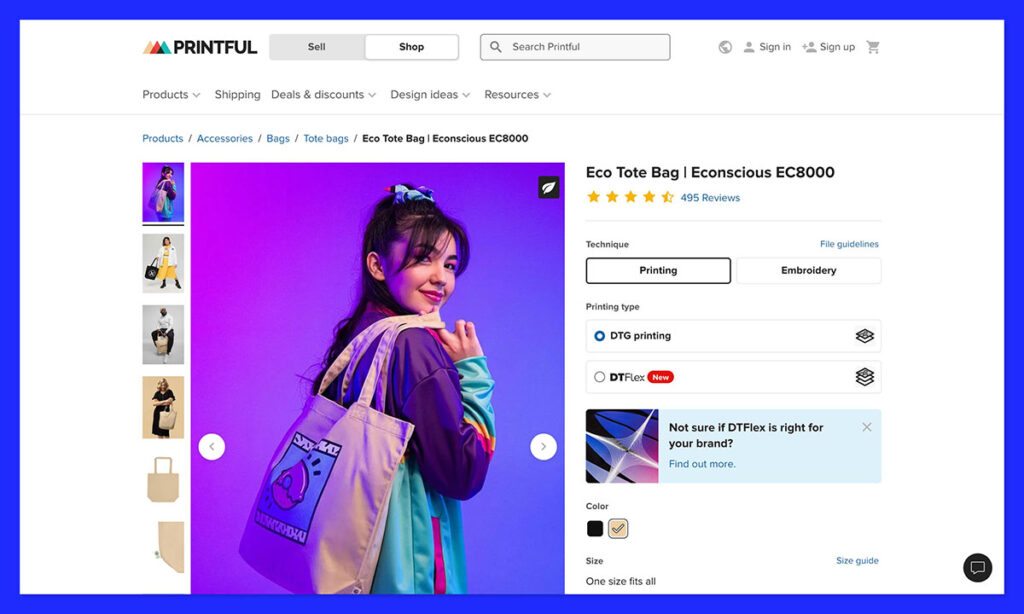
Printful Eco Tote Bag: This tote, from Printful, shares similar material credentials with the Econscious option, utilizing eight-ounce certified organic cotton twill and supporting up to 30 pounds. It is available with various customization options, including DTG, DTFlex printing, and embroidery. It holds GOTS and OCS certifications for its organic cotton and OEKO-TEX STANDARD 100 for harmful substance testing.
-
Econscious Organic Dad Hat: Hats are a popular choice for sustainable POD catalogs due to their affordability and straightforward sizing. This dad hat, made from eight-ounce organic cotton twill, offers significant profit potential when priced appropriately. It is recommended to offer a variety of hat styles to cater to diverse customer preferences.
-
Atlantis B50 Organic Ribbed Beanie: For audiences in colder climates, this 100% organic knit beanie is an excellent eco-friendly option. Its comfortable fit and available embroidery make it a sought-after item. While reviews highlight warmth and quality, ordering a sample is recommended, and considering it for seasonal product drops can maximize its appeal.
-
SOL’S 03569 Organic Cotton Apron: This unique apron offers a niche product for brands focused on culinary arts, crafts, or artistic endeavors. Made from 7.08-ounce organic cotton, it features adjustable straps and a divided front pocket for functionality. Currently, this product is available for EU fulfillment only.
Kids, Activewear, and Lifestyle Products: Expanding the Niche
These product categories allow businesses to differentiate themselves from competitors offering only standard apparel and accessories. However, they also come with specific considerations, such as rapid growth in children, swimwear returns, and the obsolescence of tech accessories.
-
Stanley/Stella STTK184 Organic Cotton Kids T-Shirt: Ideal for creators targeting families or organizations like schools and youth clubs, this 4.57-ounce shirt is crafted from 100% organic ring-spun combed cotton and available in youth sizes. It offers front, back, and inside label printing and embroidery options.
-
Babybugz BZ10 Organic Short-Sleeve Bodysuit: Baby products possess strong gifting potential, appealing to new parents and gift-givers. This bodysuit is available in sizes from newborn to 12-18 months. While solid colors are 100% organic cotton with GOTS and OEKO-TEX certification, heathered variants may include polyester.
-
Sublicolor 105 All-Over Print Sports Jersey: This customizable sports jersey is suitable for esports teams, local clubs, fitness communities, or creators with distinct patterns. It features all-over print capability, moisture-wicking fabric, and an extensive size range (2XS to 6XL). While the listing mentions "recycled" materials, specific details in the description are limited. Current customer reviews are positive regarding its feel and print quality.
-
Sublicolor 025 Recycled String Bikini: A compelling choice for fashion, travel, or fitness brands, this bikini supports all-over artwork and offers customizable tie styles. It is made from 81% to 88% recycled polyester, depending on color and size. The product holds OEKO-TEX and GRS certifications and features UPF 50+ sun protection.
-
Biodegradable Phone Case (Printful): A low-cost, eco-friendly add-on, biodegradable phone cases are excellent for showcasing repeat patterns or personalized designs. Printful’s offering is priced competitively, suggesting a retail price around $20. The material is designed to decompose within one year in warm, moist environments, ensuring it doesn’t degrade under normal use.
-
Scented Soy Candle with White Lid, 9 oz. (Printful): Candles offer an atmospheric product for home décor, wellness, or book-related brands. Printful’s soy candle uses 7.5 ounces of hand-poured soy wax from US-grown soybeans, a cotton wick, and boasts a burn time of 50-60 hours. The glass jar can be reused after the wax is consumed. The product is assembled in the US from globally sourced components.
Strategic Implementation for Sustainable Success
While a comprehensive catalog of twenty sustainable products offers variety, it is advisable to start with a focused selection. A curated collection, perhaps featuring a t-shirt, sweatshirt, a couple of accessories, and a niche item like a candle or sports jersey, allows for targeted marketing and easier inventory management.
Crucially, all products intended for sale should be rigorously tested by the entrepreneur. Ordering samples, assessing wash durability, and verifying sizing accuracy are essential steps. Post-launch, closely monitor customer preferences and sales data to inform future catalog expansion. The absence of minimum order quantities from many POD suppliers facilitates experimentation with new listings and the optimization of product offerings based on market reception. By prioritizing transparency, authenticity, and quality, businesses can successfully tap into the growing demand for sustainable products, fostering both customer loyalty and environmental responsibility.