The global digital landscape has reached a point of saturation where acquiring new traffic is often more expensive than optimizing existing visitor behavior. Within this competitive environment, Conversion Rate Optimization (CRO) tools have transitioned from optional luxuries to essential infrastructure for any data-driven enterprise. Two of the most prominent players in this space, Crazy Egg and Lucky Orange, offer sophisticated suites designed to demystify user intent through behavioral analytics. While both platforms share core functionalities—such as heatmaps, session recordings, and visitor surveys—they cater to distinct market segments and operational philosophies. Crazy Egg has positioned itself as an all-in-one optimization powerhouse that integrates A/B testing directly with behavioral data, whereas Lucky Orange focuses on real-time engagement and specialized e-commerce tools like live chat and form analytics.
Historical Context and Market Evolution
The evolution of behavioral analytics can be traced back to the early 2000s when traditional web analytics, such as Google Analytics, provided "what" was happening on a site but failed to explain "why." Crazy Egg, co-founded in 2005 by entrepreneurs Neil Patel and Hiten Shah, was a pioneer in this shift. It introduced the concept of the "heat map" to the mainstream marketing world, allowing non-technical users to visualize click density and scroll depth. Over the nearly two decades since its inception, Crazy Egg has expanded its footprint from a niche visualization tool to a comprehensive CRO platform used by over 300,000 websites globally, ranging from small startups to Fortune 500 companies.
Lucky Orange entered the market later, carving out a niche by prioritizing the "live" aspect of web browsing. By bundling live chat and real-time visitor monitoring with standard heatmap technology, Lucky Orange appealed to small-to-medium businesses (SMBs) and Shopify merchants who required immediate interaction with their customers. As the CRO industry has matured, both tools have integrated Artificial Intelligence (AI) and machine learning to move from descriptive analytics (what happened) to prescriptive analytics (what to do next).

Core Feature Comparison: Heatmaps and Visualization
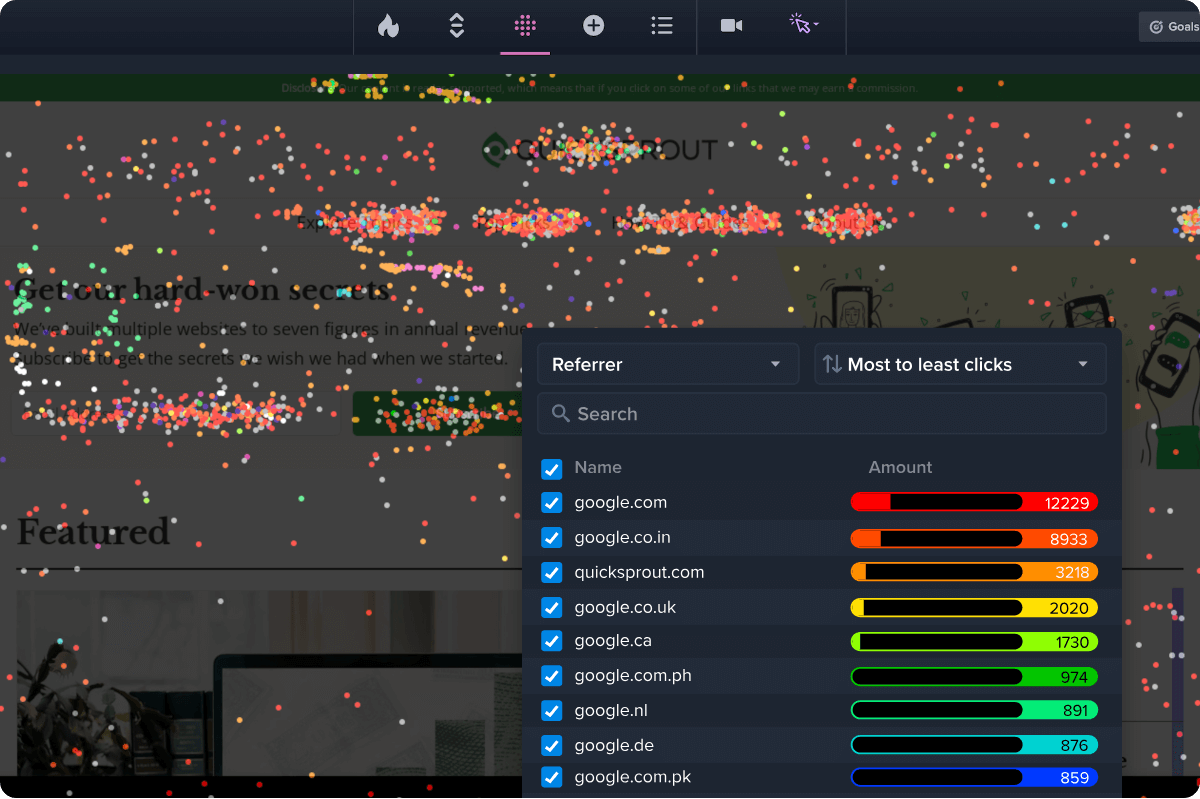
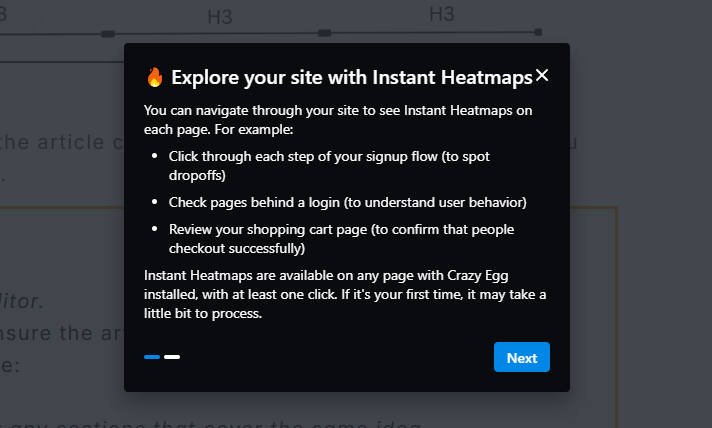
Heatmaps remain the cornerstone of behavioral analysis, yet the technical execution differs significantly between the two platforms. Crazy Egg offers a more diverse array of visualization styles, providing five distinct map types: Click, Scroll, Confetti, Overlay, and List. The "Confetti" map is particularly significant for high-traffic enterprises; it allows marketers to segment clicks by referral source, search terms, and visitor demographics. For example, a marketing manager can isolate only the clicks coming from a specific LinkedIn ad campaign to determine if that high-cost traffic is engaging with the intended Call to Action (CTA). Furthermore, Crazy Egg’s "Instant Heatmaps" feature allows for real-time visualization as a user browses their own site, providing immediate feedback without the need for manual report generation.

Lucky Orange, conversely, offers three primary map types: click, scroll, and move. While it lacks the granular "Confetti" segmentation of Crazy Egg, its strength lies in its handling of dynamic content. In the modern web environment, many sites utilize Single Page Applications (SPAs), AJAX, and interactive elements like carousels and pop-ups. Lucky Orange’s heatmaps are designed to render these dynamic elements live, ensuring that clicks on a sliding banner or a dropdown menu are accurately captured and displayed. For a Shopify merchant whose store relies heavily on interactive product galleries, this dynamic rendering provides a more accurate representation of the user journey.
Session Recordings and Data Sovereignty
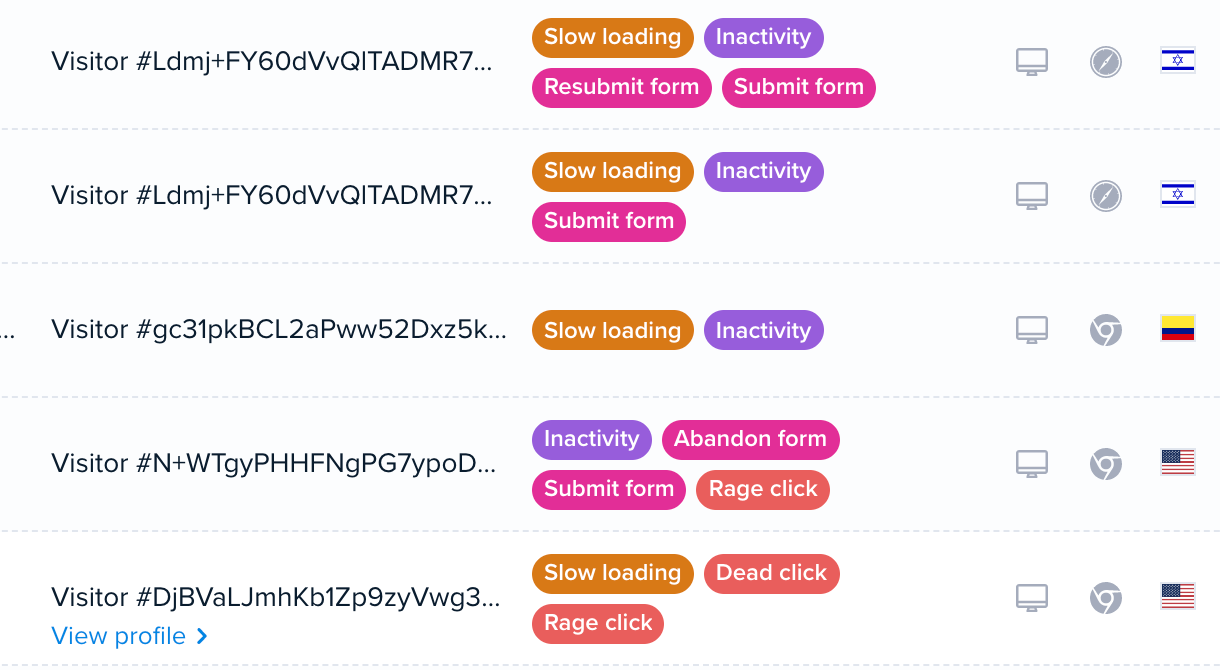
Session recordings provide a literal view of the user experience, capturing mouse movements, clicks, and scrolls. Both Crazy Egg and Lucky Orange offer high-fidelity recordings with privacy masking to protect sensitive visitor information. However, the differentiation lies in the metadata and data retention policies.
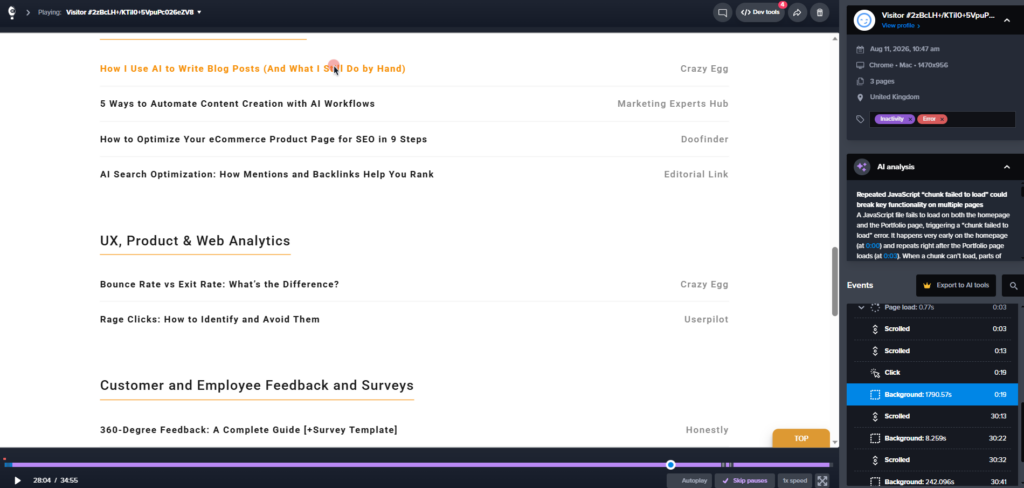
Crazy Egg provides a wider set of "auto-tags" out of the box. These include friction signals such as "rage clicks" (repeatedly clicking an unresponsive element), "dead clicks," "u-turns," and JavaScript errors. These tags allow analysts to skip hours of mundane footage and jump directly to moments of user frustration. Critically for enterprise clients, Crazy Egg offers data retention periods ranging from 6 to 24 months. This allows for year-over-year comparisons of user behavior during major events like Black Friday or seasonal product launches.
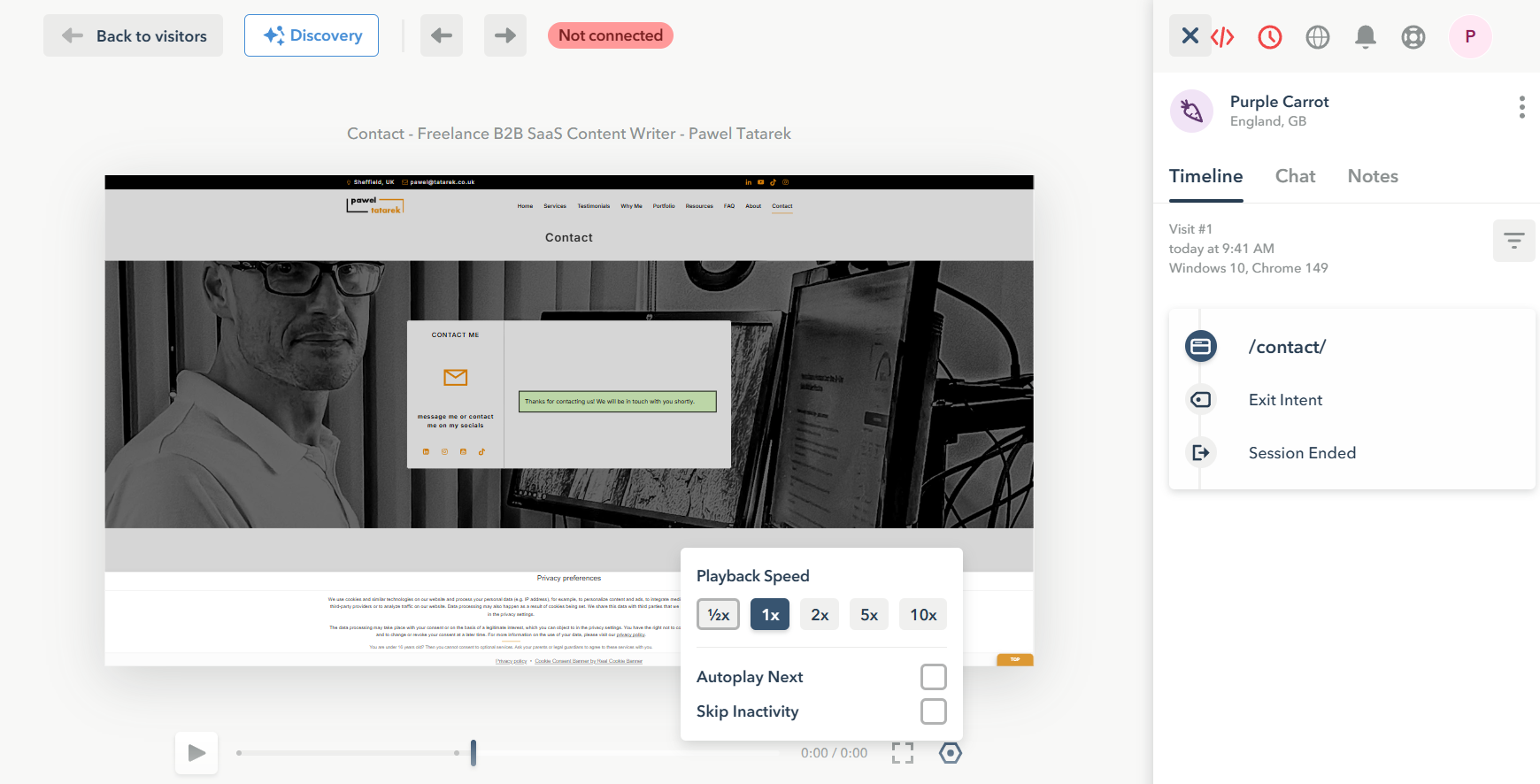
Lucky Orange offers a similar playback experience but requires more manual configuration for advanced tagging. Its standard data storage is capped at 60 days, though it can be extended to 12 months for an additional fee. For smaller businesses, a 60-day window is often sufficient for tactical fixes, but it limits the ability of larger organizations to perform long-term strategic analysis or audit historical user journeys.
Conversion Funnels and E-commerce Integration
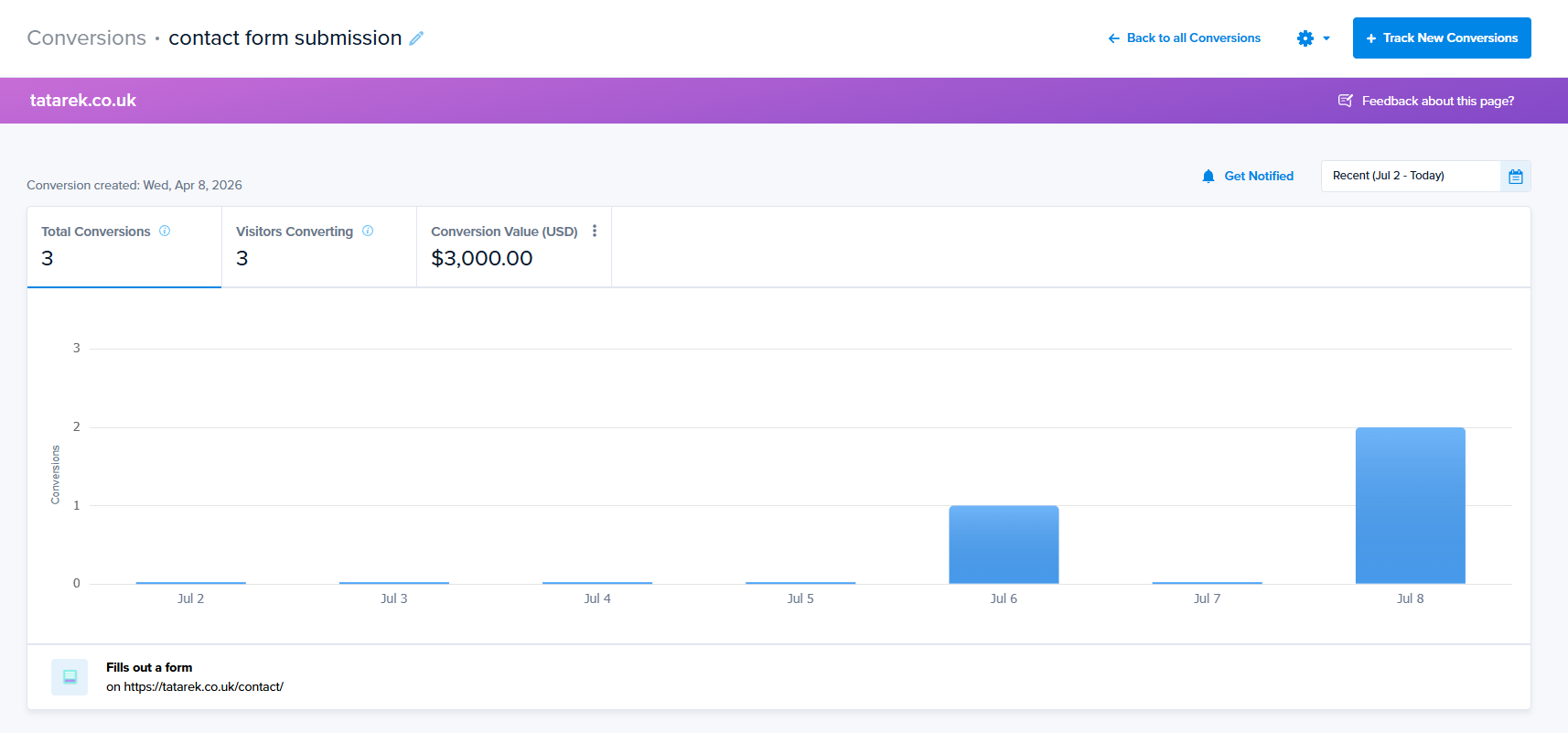
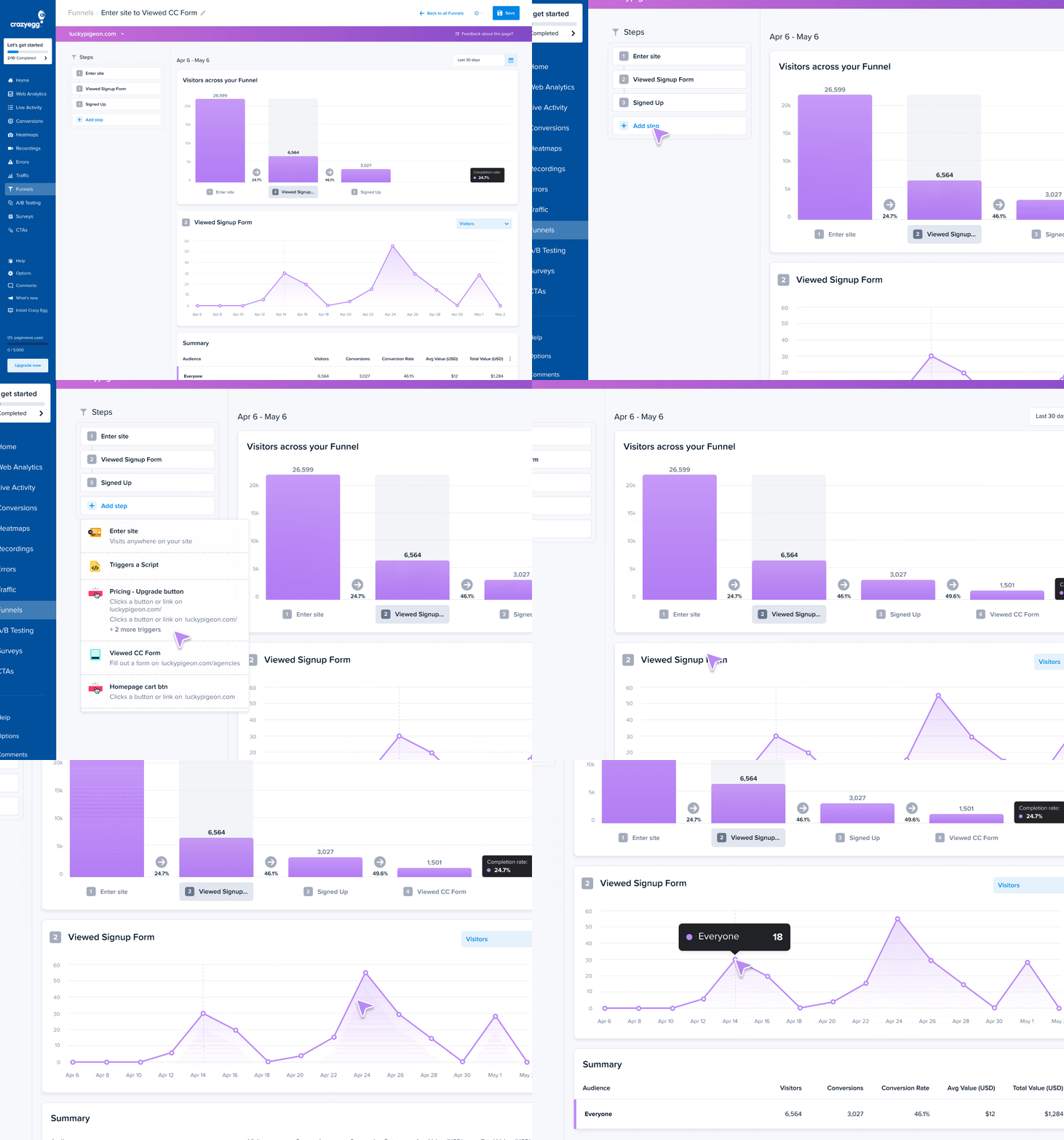
Understanding where a user drops out of the purchase process is vital for revenue growth. Crazy Egg’s approach to funnels is built on the principle of retroactivity. Because the platform tracks events across the full history of the account, a user can create a new funnel today and immediately see data from six months ago, provided the events were being tracked. This flexibility is invaluable for testing new hypotheses without waiting weeks for new data to accumulate. Additionally, Crazy Egg allows for the assignment of monetary values to specific events, effectively turning behavioral data into a financial performance dashboard.
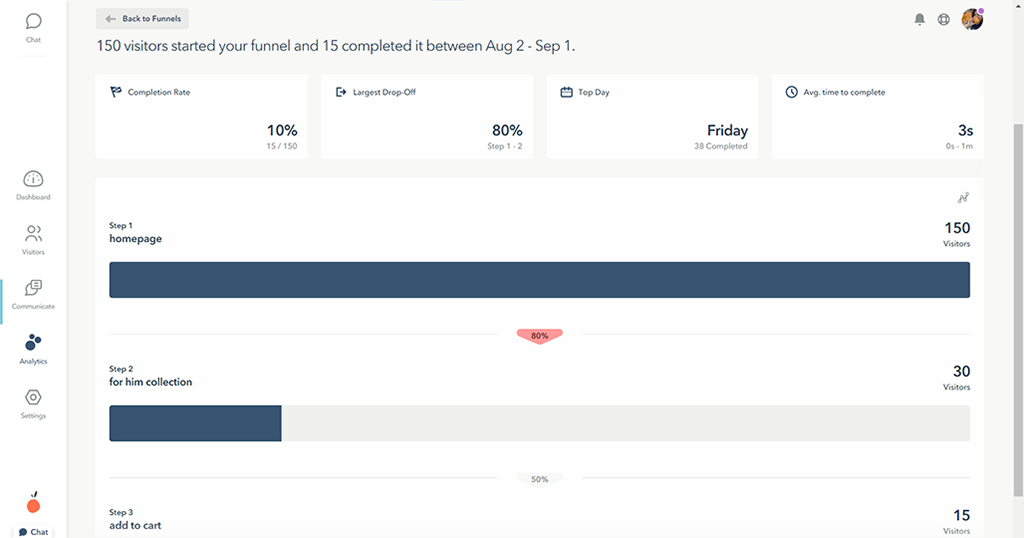
Lucky Orange counters this with deep, native integrations for the e-commerce sector, particularly Shopify. It automatically builds "Product Viewed > Cart Added > Ordered" funnels for Shopify users, removing the technical barrier to entry for store owners. While its retroactive capabilities are limited by its shorter data retention window, the "Visit Value" feature allows lead scoring and revenue tracking that integrates seamlessly with its live chat functionality.
The AI Frontier: Automated Insights vs. Conversational Discovery
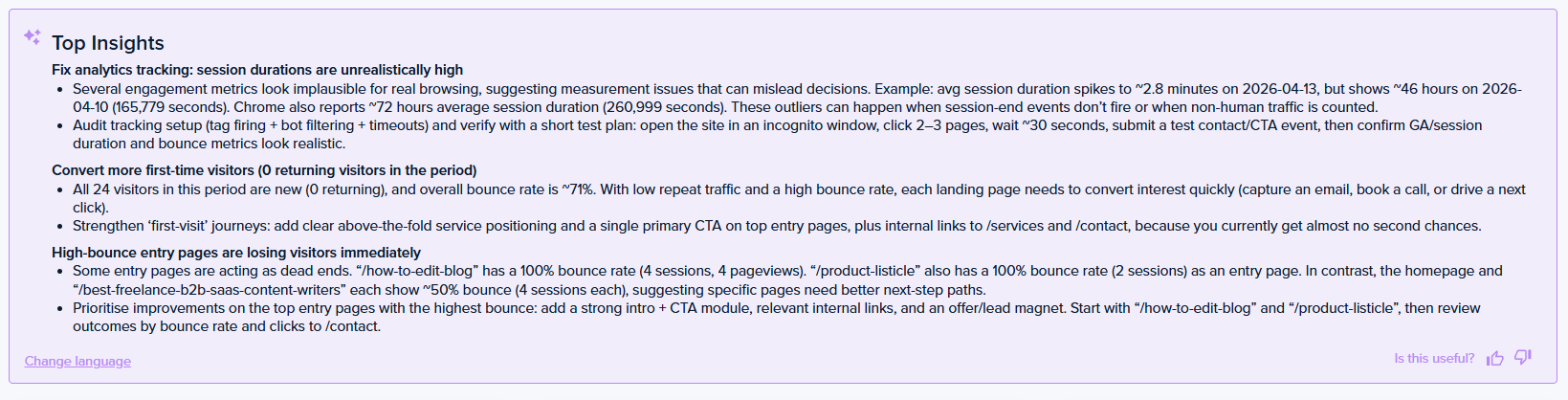
The most significant recent development in CRO is the integration of Large Language Models (LLMs). Crazy Egg has embedded AI directly into its reporting suite. Its AI automatically identifies trends in heatmaps and recordings, surfacing "Top Insights" that highlight anomalies or opportunities without human intervention. Furthermore, Crazy Egg has introduced the Model Context Protocol (MCP) and JSON export features. This allows sophisticated data teams to export their behavioral data into external AI tools like ChatGPT Plus or Claude, enabling custom agentic workflows and deeper data science applications.
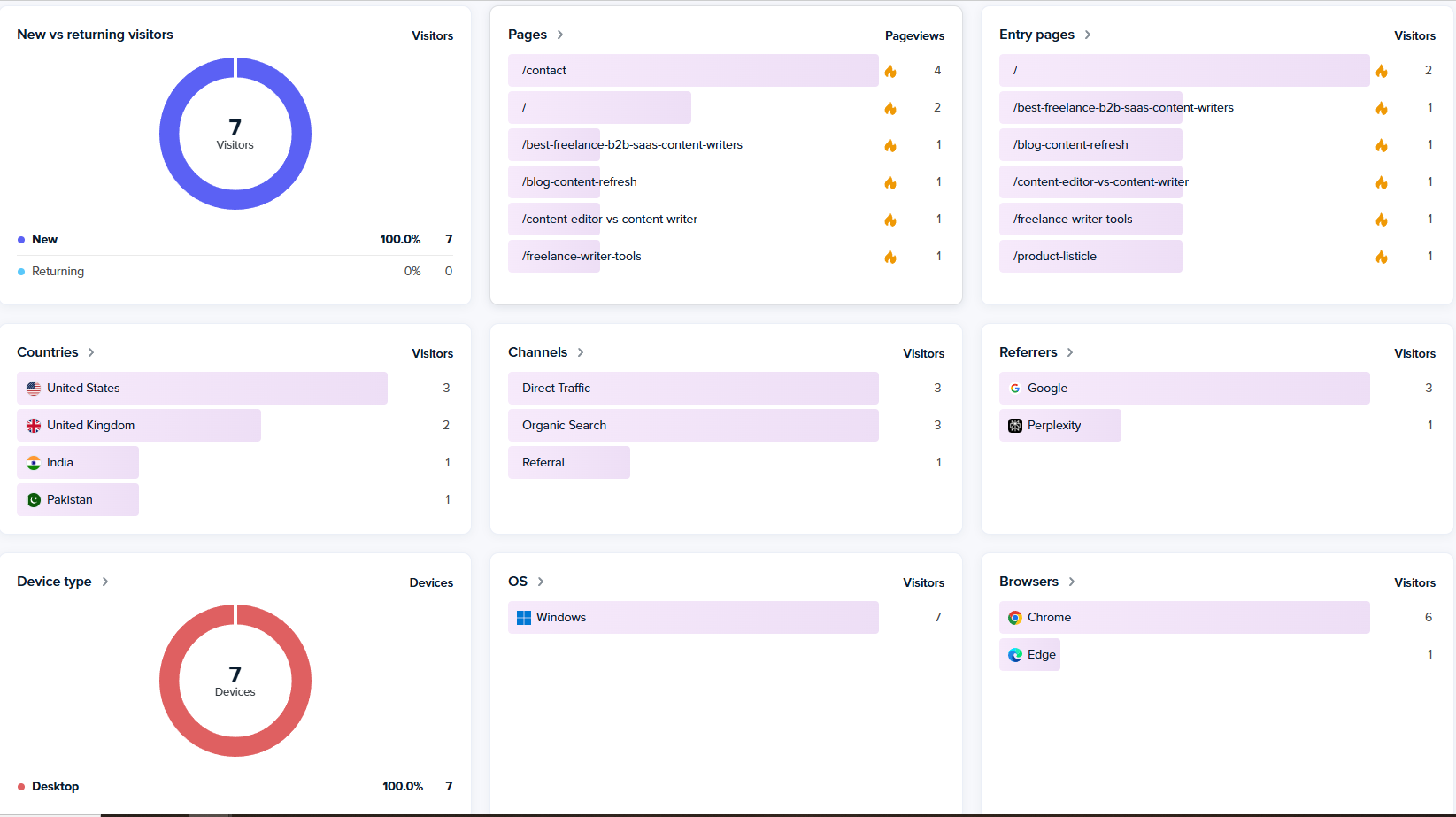
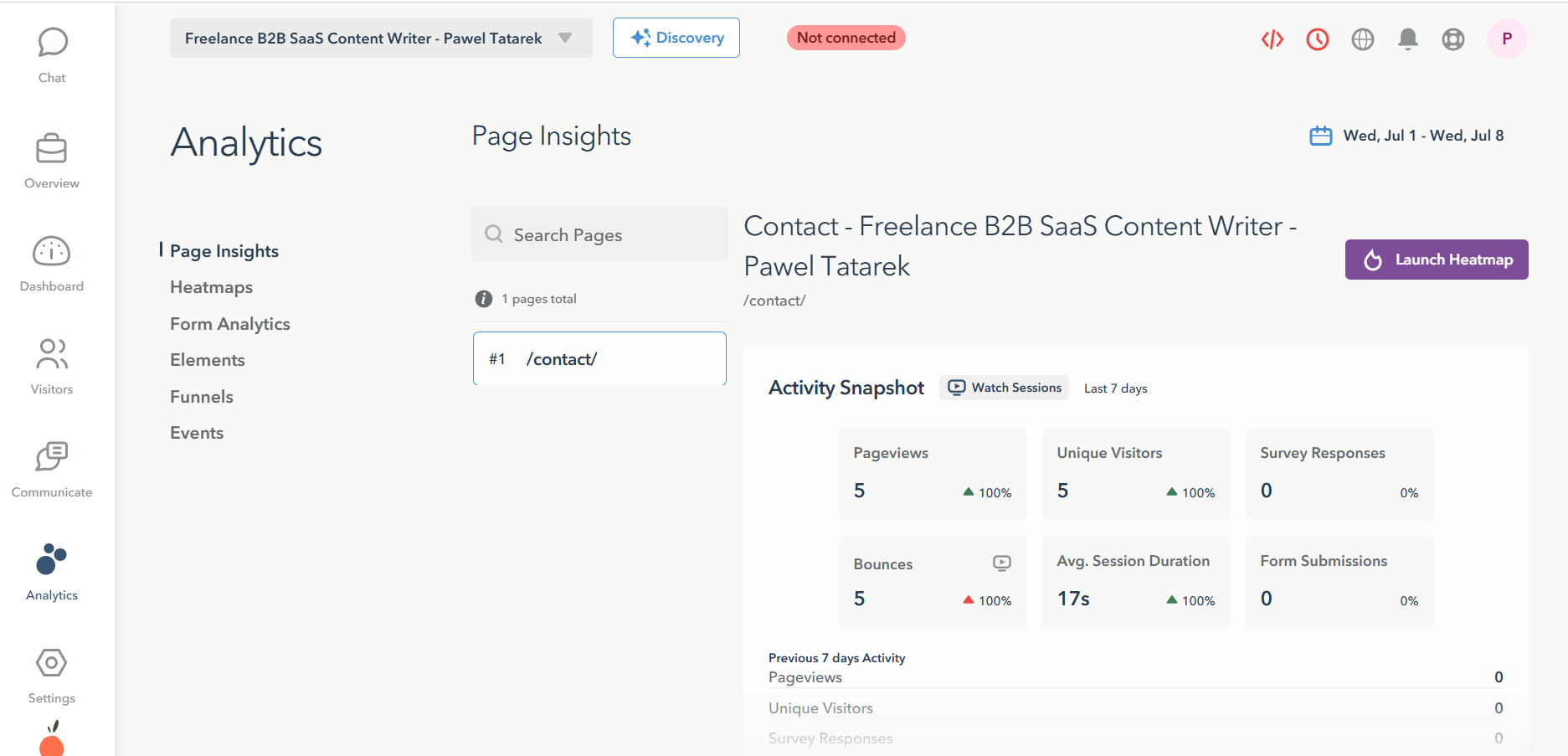
Lucky Orange takes a more interactive approach with its "Discovery AI." This is a conversational assistant located within the dashboard. Users can ask questions such as "Why are my mobile users leaving the checkout page?" and the AI will crawl the site’s code and behavioral data to provide an answer, complete with links to relevant recordings. While Lucky Orange’s AI is a paid add-on, it serves as a virtual analyst for teams that may not have a dedicated CRO specialist on staff.
Security, Governance, and Enterprise Readiness
For organizations in regulated industries such as finance, healthcare, or large-scale SaaS, security is often the deciding factor. Crazy Egg demonstrates a higher level of enterprise readiness by offering Role-Based Access Control (RBAC) on all plans. Its higher tiers include SAML Single Sign-On (SSO) and a Compliance Audit Log, which tracks who accessed specific visitor data—a requirement for many GDPR and CCPA compliance frameworks.
Lucky Orange maintains standard GDPR and CCPA compliance but lacks the transparent enterprise governance features found in Crazy Egg. There is no public-facing "Trust Center" or documentation regarding SSO and audit logs, which may pose a hurdle for IT procurement departments in large corporations.
Pricing Structures and Economic Value
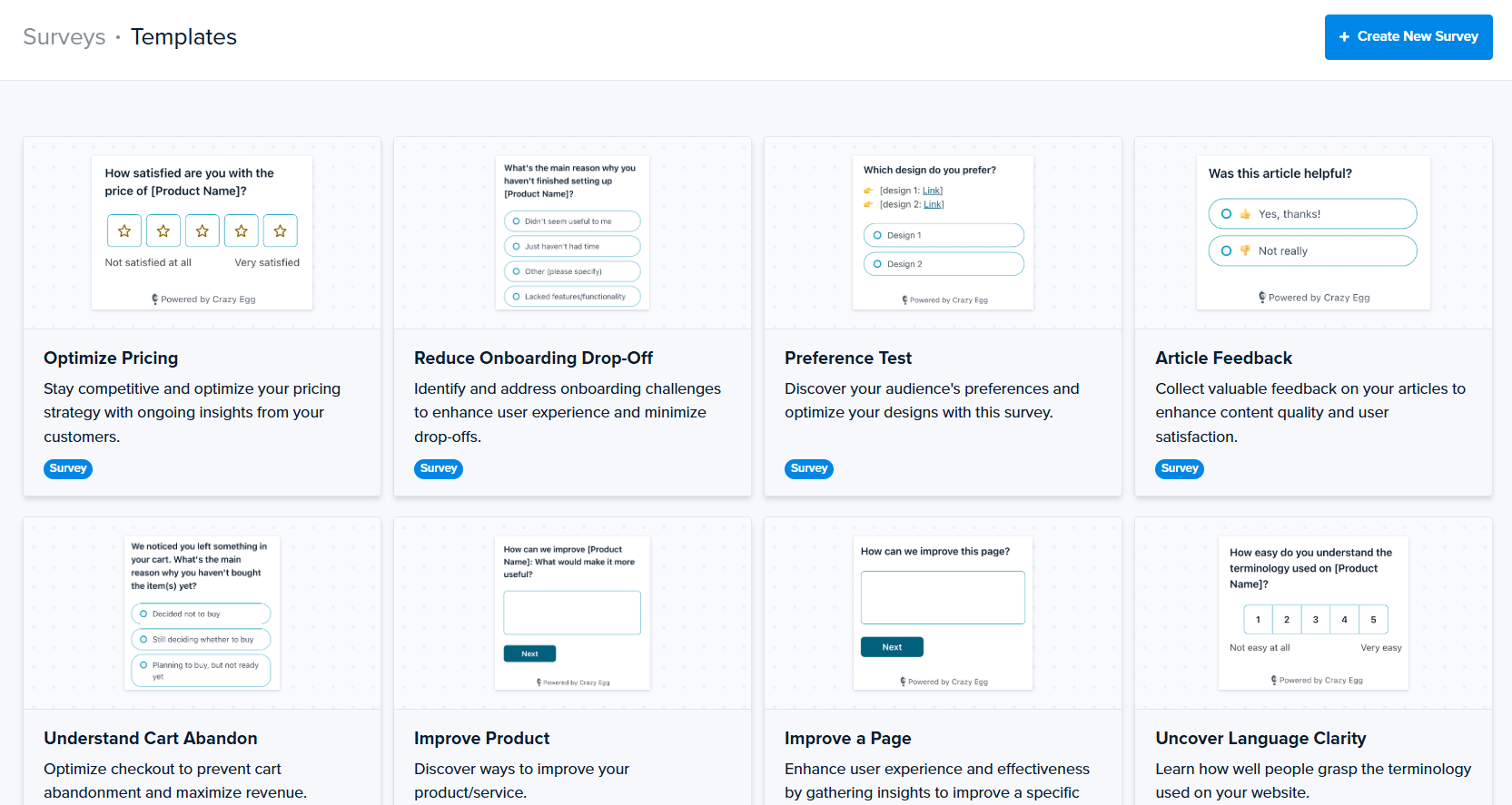
The pricing models of the two platforms reflect their different target audiences. Crazy Egg utilizes a "Tracked Pageview" model. This means a company with a million visitors but only five high-value landing pages can choose to track only those pages, keeping costs low while maximizing insight. This "pay for what you monitor" approach is highly efficient for targeted campaigns. Crazy Egg also offers a "Free Forever" plan that includes web analytics and surveys, providing a low-risk entry point for startups.
Lucky Orange bills based on "Total Sessions." This means every visitor to the site is counted toward the monthly limit, regardless of whether they are on a page the owner wishes to analyze. While this ensures a comprehensive view of the entire site, it can lead to higher costs for sites with high "noise" traffic or non-commercial content. However, Lucky Orange bundles all features—including form analytics and live chat—into every plan, providing high value for small businesses that need a multi-tool approach.
Final Analysis and Strategic Recommendations
The choice between Crazy Egg and Lucky Orange is ultimately a question of organizational goals and technical requirements.
Crazy Egg is the superior choice for:
- Enterprises and Agencies: Organizations that require long-term data retention, advanced security (SSO/Audit logs), and the ability to export data into external AI environments.
- Full-Cycle Experimenters: Teams that want to go beyond analysis and move directly into action via built-in A/B testing and personalization tools.
- Data-Heavy Marketers: Users who need the granular segmentation provided by Confetti maps to justify ad spend across multiple channels.
Lucky Orange is the superior choice for:
- Shopify and SMB E-commerce: Store owners who benefit from automated funnel builds and need to interact with customers in real-time via live chat.
- Lead-Generation Sites: Businesses that rely heavily on complex forms and require field-level analytics to identify where users are dropping off in a registration or application process.
- Small Teams: Organizations that need an "analyst-in-a-box" experience through a conversational AI assistant.
As the CRO market continues to consolidate, the gap between simple visualization and deep data science is widening. Crazy Egg’s move toward the Model Context Protocol suggests a future where behavioral data is a core component of a company’s broader AI strategy. Meanwhile, Lucky Orange’s focus on real-time interaction ensures it remains a vital tool for the immediate, tactical needs of the e-commerce community. Both platforms provide the essential "why" behind user behavior, but their different paths to that answer define their place in the modern marketing stack.