For years, Semrush, a leading online visibility management SaaS platform, approached data studies in a largely ad-hoc manner, conducting them opportunistically when a compelling idea emerged or spare resources allowed. This resulted in a limited output, typically one or two major reports annually. However, a confluence of market forces and internal strategic shifts spurred a profound transformation, compelling the company to formalize its approach to data-driven thought leadership. This evolution, spearheaded by the Content & Product Marketing Lead, aimed to convert sporadic efforts into a repeatable, high-impact program designed to capture attention, attract organic traffic, secure industry citations, and maintain top-of-mind awareness in an increasingly competitive digital landscape.
The Evolving Digital Landscape and the Imperative for Differentiation
The genesis of Semrush’s strategic pivot can be traced to the broader evolution of content marketing. In the early 2010s, content volume was often prioritized, with companies striving to fill their blogs and websites with keywords and information. However, as the digital ecosystem matured, content saturation became a significant challenge. The sheer volume of information available made it increasingly difficult for brands to stand out. Moreover, the rise of sophisticated search engine algorithms and, more recently, advanced AI models, began to favor authoritative, unique, and value-driven content. Brands could no longer rely solely on repurposed information or opinion pieces; they needed to create something genuinely novel.
This background context highlights the "two things that happened at once" alluded to in Semrush’s internal discussions, even if not explicitly detailed. These likely included an acute awareness of heightened competition in the SaaS and digital marketing tools sector, coupled with a recognition that traditional content strategies were yielding diminishing returns. The company understood that merely participating in the content arms race was insufficient; it needed to redefine its value proposition through demonstrable expertise and proprietary insights. Original research emerged as a powerful differentiator, offering a unique opportunity to carve out a distinct voice and authority in a crowded market.
Semrush’s Strategic Shift: From Ad-Hoc to Programmatic
The solution was not to merely produce "a better single study," but to embed data studies within an official, repeatable program. This involved establishing clear ownership, developing a systematic topic pipeline, refining a robust production process, and building a powerful distribution engine. This strategic overhaul reflected a commitment from leadership to view data-driven thought leadership not as an auxiliary activity, but as a core growth channel.

The transformation at Semrush mirrors a broader industry trend where companies are investing heavily in proprietary data and insights. According to a 2023 survey by the Content Marketing Institute, 64% of B2B marketers reported using original research in their content strategies, up from 56% the previous year, underscoring its growing importance. This shift is driven by the understanding that high-quality, original data studies inherently create something new, providing an unparalleled advantage in a world where much content is recycled or AI-generated.
The benefits of this programmatic approach extend beyond mere brand awareness. Semrush observed significant business results, including consistent attraction of thousands of unique visitors without paid promotion, hundreds of registrations for related resources, and a substantial influx of new customers. This tangible return on investment underscored the validity of the leadership’s decision to elevate data thought leadership to a strategic priority.
Pillars of the Data Thought Leadership Program
Semrush’s journey from sporadic data drops to an "always-on program" was meticulously structured around six key steps, each designed to optimize for impact and efficiency.
1. Establishing Official Priority and Dedicated Resources
The foundational step was to institutionalize the program. For any initiative requiring significant cross-functional resources, organizational buy-in and clear accountability are paramount. At Semrush, this translated into two critical actions: securing leadership approval for dedicated resources and assigning a Directly Responsible Individual (DRI) for the program. This DRI, typically within the content or marketing team, would serve as the central coordinator. Crucially, this also involved allocating bandwidth from the data science department, ensuring that technical expertise was readily available for complex data extraction and analysis.
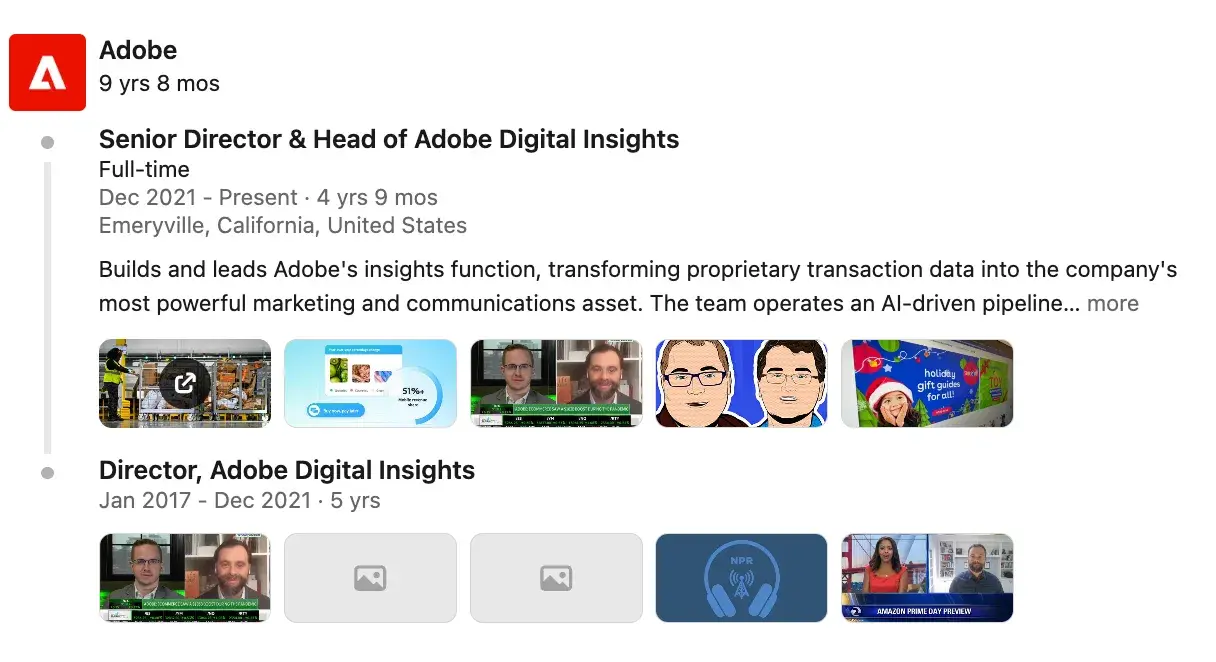
This organizational commitment mirrors successful models seen elsewhere. For instance, Adobe’s Digital Insights team, led by figures like Taylor Schreiner, exemplifies how dedicated teams focused solely on data analysis and insights can establish industry benchmarks and thought leadership. Such structures ensure that data initiatives are not just "nice-to-haves" but are integrated into the core business strategy, with clear objectives and performance metrics. Furthermore, ensuring awareness and prioritization among supporting teams like design, campaigns, and email marketing guarantees that studies receive the necessary promotional and production support, amplifying their reach and impact.

2. Strategic Content Planning and Market Alignment
To maximize business value, data thought leadership must be strategic, not merely interesting. Semrush developed a quarterly research planning process that rigorously factored in industry trends, business priorities, the product roadmap, and most importantly, customer needs. The goal was to move beyond a simple list of "good ideas" to a pipeline of topics that directly supported Semrush’s messaging, positioning, and brand perception.
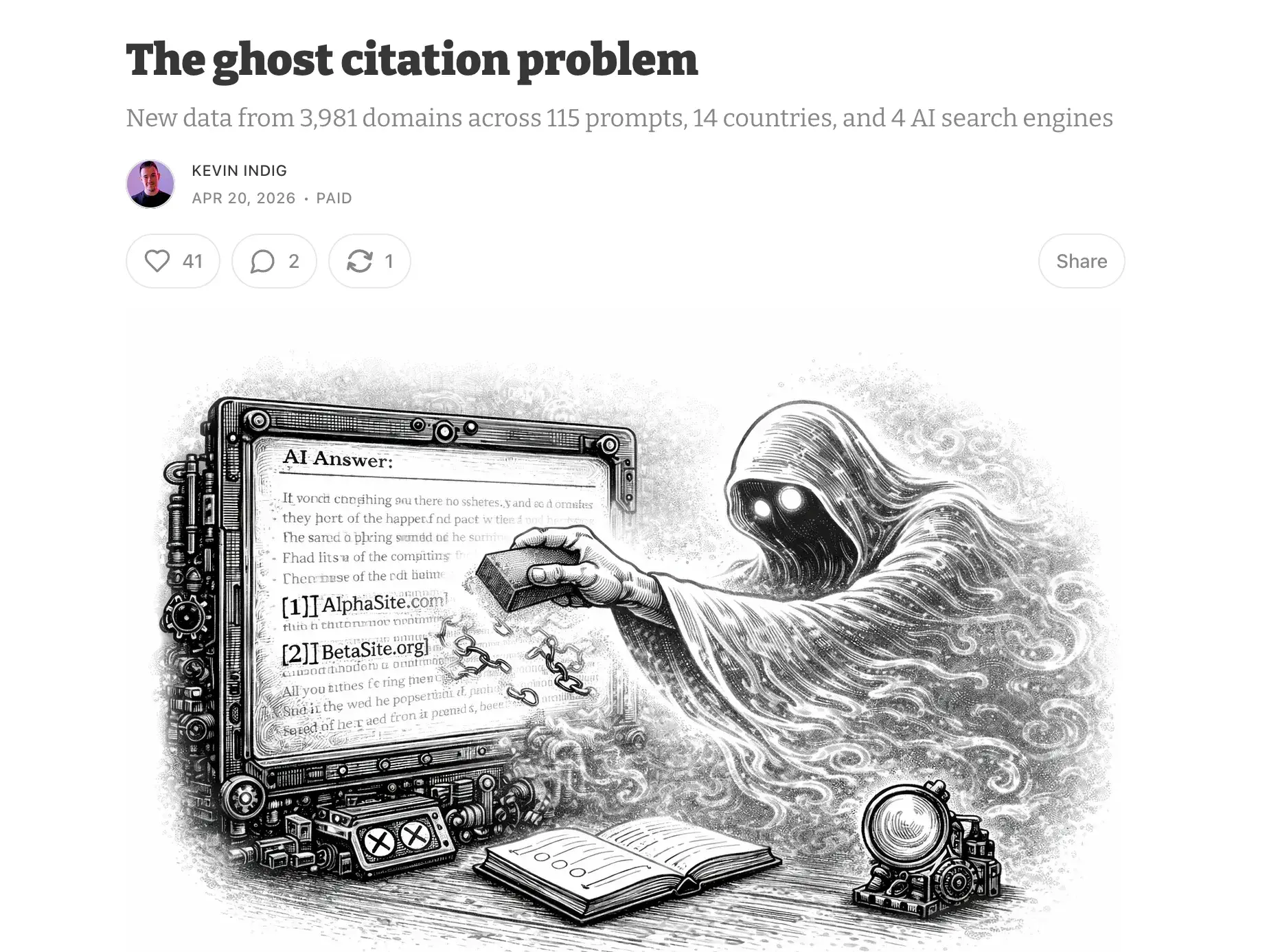
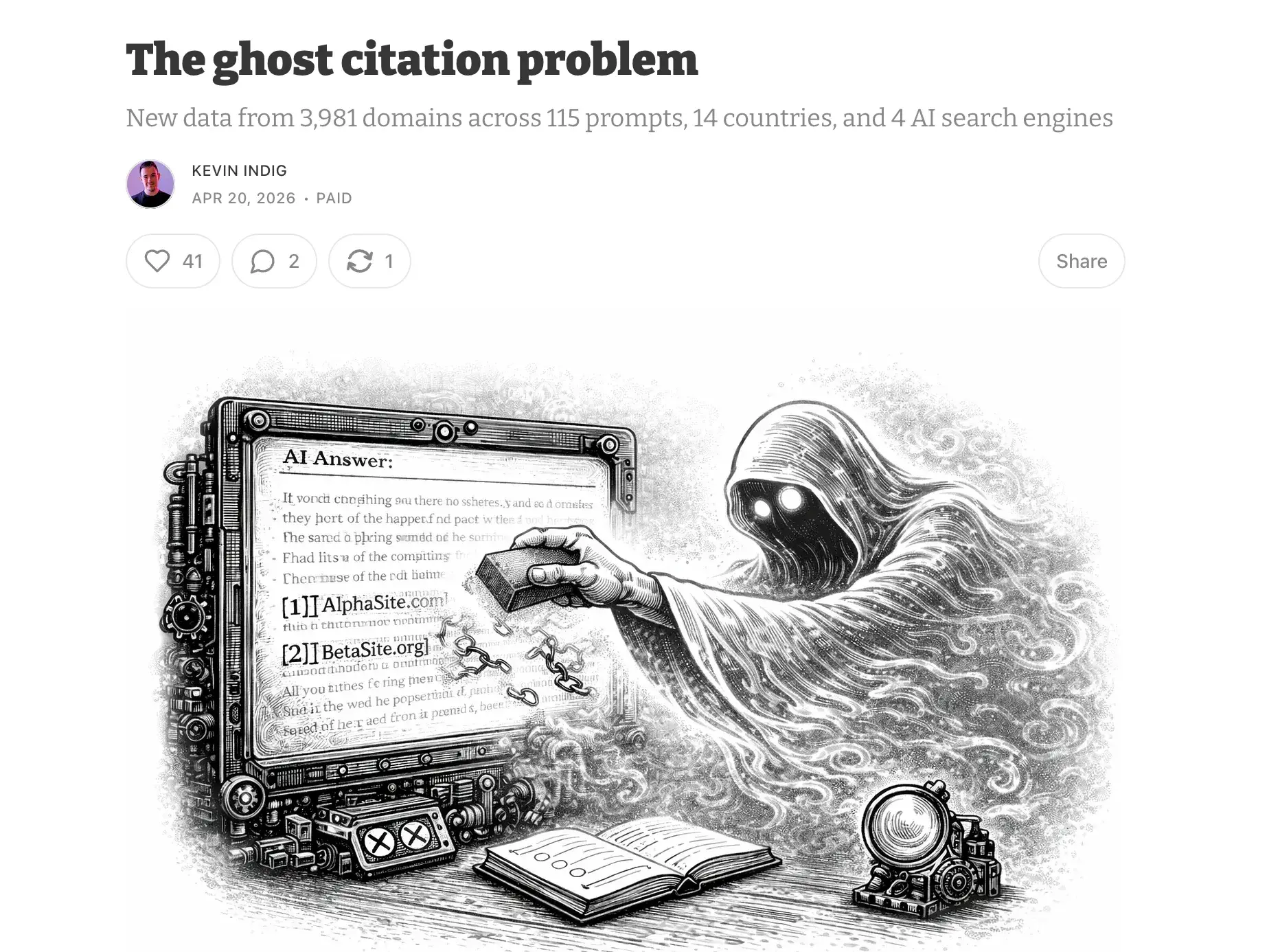
A critical filter for Semrush is alignment with its core narrative. For example, the company’s belief in unifying SEO and AI visibility efforts directly informs its data studies, reinforcing its value proposition. This strategic alignment strengthens both the narrative and campaign assets. A particularly effective method for identifying relevant topics involves direct customer engagement. Regular interviews with users often reveal recurring pain points and unanswered questions. An example of this was Semrush’s collaboration with industry expert Kevin Indig on "the ghost citation problem," addressing a common customer query about receiving citations without brand mentions. This proactive approach ensures that research directly addresses market needs and provides tangible value to the target audience.
3. Prioritizing Practical Value and Actionable Insights
The proliferation of data in the digital age means that proprietary data alone is no longer sufficient. Semrush recognized the danger of publishing "data for the sake of data." Each study must offer real practical value, surface genuinely new insights, or provoke further inquiry. With an increasing number of companies engaging in original research, differentiation comes from the utility of the findings.
Before embarking on a study, Semrush conducts thorough checks for existing research to identify unexplored angles. The emphasis is then placed on providing actionable takeaways—playbooks, decisions, or new approaches that users can implement. This philosophy underscores that the data itself is merely the raw material; the true value lies in what insights it enables and what actions it facilitates. Every piece published prioritizes the "why," "what," and "how," ensuring that data is accompanied by context, implications, and practical guidance. As the saying goes, "data without a ‘so what’ is just noise."
4. Streamlining the Production Pipeline and Categorization
A clear, documented production process (Standard Operating Procedure – SOP) is vital for timely releases and competitive agility. Semrush initially struggled with studies languishing in backlogs, missing opportunities to be first-movers. To combat this, they implemented measures such as setting clear deadlines, establishing regular check-ins, creating dedicated channels for collaboration, and clearly defining roles and responsibilities for each stage of research, analysis, writing, and design.
Semrush categorized its studies into four distinct types, each with tailored workflows:
- Studies requiring the data science team: These demand a defined intake process and a detailed brief.
- Collaborations with industry experts: Partnering with external analysts, such as Kevin Indig, expands reach and introduces external perspectives.
- Studies marketers can run themselves: This includes surveys and lightweight analyses that don’t require engineering resources, enabling quicker turnaround times for certain insights.
- Co-branded studies with other companies: While resource-intensive, these collaborations offer immense rewards. A prime example is Semrush’s research with LinkedIn, which combined AI-citation data with LinkedIn’s content and engagement data to analyze AI’s resurfacing mechanisms. This unique synergy yielded their most viral research piece to date, widely promoted by both companies and influencers, demonstrating the power of collaborative insight.
5. Building a Robust Distribution Engine
Even the most insightful data study will fail if it isn’t effectively distributed. Recognizing the saturated content space, Semrush developed a repeatable distribution process that went beyond simply publishing a report. This involved:
- Repurposing content: Transforming studies into blog posts, social media threads, infographics, webinars, and presentations.
- Targeted outreach: Engaging journalists, influencers, and industry publications.
- Leveraging owned channels: Utilizing email newsletters, social media platforms, and community forums.
- Strategic partnerships: Collaborating with co-branding partners for amplified reach.
- Internal advocacy: Encouraging employees to share and promote the research.
The overarching goal is to ensure each study has a sustained life beyond its initial publication, continuously generating engagement and impact.
6. Refined Metrics for Programmatic Success
Measurement is critical, but Semrush advocates for a balanced approach, avoiding both excessive over-tracking and complete neglect. Data thought leadership often yields "subtle signs of success" that aren’t immediately quantifiable in direct revenue, such as a key industry persona commenting on LinkedIn or a journalist mentioning the brand. While studies can generate leads and customers, this is rarely their primary optimization goal.
Key metrics tracked include:
- Traffic and engagement: Unique visitors, time on page, shares, comments.
- Backlinks and citations: Measuring the authority and credibility gained.
- Brand mentions and media coverage: Indicating industry recognition.
- Lead generation and registrations: Tracking direct conversions where applicable.
- Qualitative feedback: Sentiment analysis from social media and direct interactions.
While monitoring downstream revenue like new and cross-sell Monthly Recurring Revenue (MRR) is valuable where traceable, the long-term, compounding impact of data programs necessitates patience. The true value often accrues over time, building a foundation of trust and authority that indirectly fuels growth.
Broader Industry Implications and Future Outlook
Semrush’s successful transformation of its data studies into a programmatic growth channel carries significant implications for the wider content marketing and digital strategy landscape. It underscores a fundamental shift away from content volume towards content authority and strategic utility.
In an era increasingly shaped by AI, where content generation tools are becoming ubiquitous, the value of genuinely original, human-curated, and expertly analyzed data will only escalate. As AI models learn from existing content, the demand for novel insights that push boundaries and offer fresh perspectives becomes paramount. Companies that can consistently produce such research will position themselves as indispensable sources of truth and innovation.
Furthermore, the emphasis on collaboration, as exemplified by the Semrush-LinkedIn partnership, highlights a future where cross-company data sharing and joint research efforts become more common. Such collaborations can unlock insights that no single entity could discover alone, fostering a more interconnected and informed industry. The model also demonstrates the power of external experts in enhancing reach and credibility within niche communities.
The Semrush playbook serves as a compelling blueprint for other organizations seeking to elevate their content strategies. It advocates for a disciplined, strategic, and resource-backed approach to thought leadership, recognizing that sustained competitive advantage in the digital sphere is built not on fleeting trends, but on enduring value and proprietary insights. The lesson is clear: even unique content, like original studies, can become commoditized if not continually differentiated, prioritized for customer value, and strategically connected to the broader industry narrative. By embracing this philosophy, Semrush has not only fortified its own market position but also illuminated a path forward for data-driven excellence in content marketing.