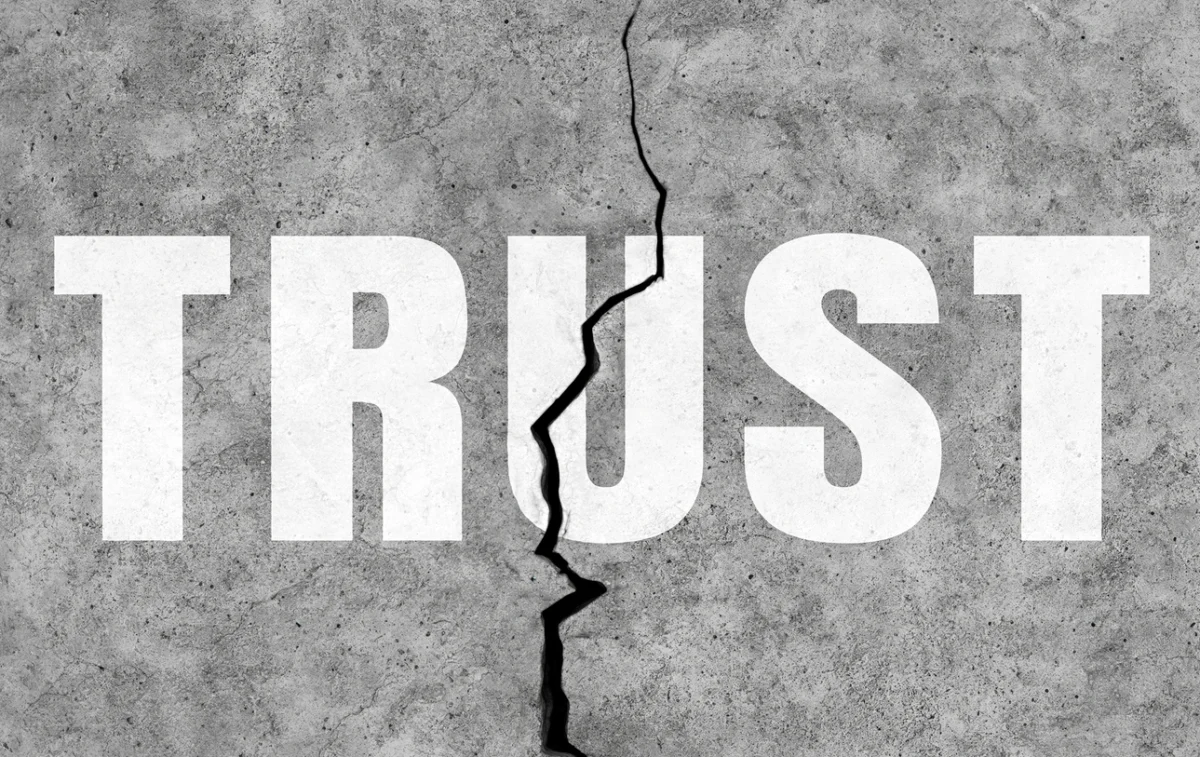
At 9:14 a.m., the official statement was released to the wire services. It was a model of corporate precision: accurate, timely, and meticulously vetted by legal counsel, communications experts, and the Chief Executive Officer within a two-hour window. The designated spokesperson had been briefed on every potential pitfall, and the media strategy included pre-emptive answers for the first five anticipated follow-up questions. By every internal metric used to evaluate crisis management, the response was a textbook success. However, the public reaction told a different story. The audience did not believe a word of it.
In the subsequent postmortem, analysts and internal teams scrutinized the wording of the press release, the timing of the delivery, and the performance of the spokesperson. Yet, the most critical factor was ignored: the state of stakeholder belief at 9:00 a.m., before the organization had even opened its mouth. This phenomenon is known as "credibility debt," an accumulating deficit between what an organization claims to be and the observable evidence of its conduct. Organizations rarely lose their reputation in a single, catastrophic moment; instead, they borrow against their credibility over years, and a crisis is simply the moment the debt collector arrives.
The Mechanics of Reputational Erosion
Credibility debt is not a sudden occurrence but a gradual process of normalization. Leaders often overlook small inconsistencies between corporate rhetoric and operational reality because no single instance seems large enough to trigger an internal alarm. A delayed environmental commitment is explained away by market volatility; an unsupported claim regarding workplace culture is dismissed as aspirational branding. Over time, these minor gaps form a pattern that stakeholders—including employees, investors, and the public—notice and remember long after the organization has considered the matter closed.
According to the 2024 Edelman Trust Barometer, nearly 60% of respondents believe that most organizations are not living up to their stated values. This "say-do gap" is the primary driver of credibility debt. When a crisis hits, the public does not judge the organization solely on its response to the immediate event; they judge it based on the cumulative weight of its past actions. If the "debt" is too high, even the most polished crisis communication strategy will fail because the foundation of trust has already been hollowed out.
The Four Forms of Credibility Debt
To manage and eventually pay down this debt, organizations must first recognize the four distinct ways it accumulates. Each form presents a unique risk to the organization’s long-term stability and its ability to navigate a crisis.
1. Promise Debt: The Gap of Unfulfilled Commitments
Promise debt occurs when there is a significant distance between a public commitment and the actual delivery of results. For instance, a cultural institution might announce a high-profile community access initiative to secure a grant or boost its public image. If that initiative stalls due to lack of funding or internal interest, but remains featured in donor materials without an update, promise debt is created. There may be no intent to deceive, but the commitment remains on the record. In the digital age, reporters and advocates can easily track these unfulfilled promises, turning a quiet failure into a public scandal during a moment of scrutiny.
2. Proof Debt: The Vulnerability of Unverifiable Claims
Proof debt accumulates when an organization’s claims rest entirely on its own assertions without external verification. A hospital system might market itself as a national leader in patient safety, yet fail to publish objective outcome data that an independent party can assess. While the claim might be factually true, it remains "unproven" to the outside world. In a crisis involving patient care, the hospital has no independent data to lean on, leaving stakeholders to wonder if the claims were ever more than marketing fluff.
3. Relationship Debt: The Absence of Pre-Existing Trust
Relationship debt is the trust that was never built before it became a necessity. This is common among national nonprofits or global corporations that operate in a silo, disconnected from their immediate surroundings. A company may discover during a local environmental crisis that it has no meaningful relationships with city officials, neighborhood leaders, or local media. Because these stakeholders have no prior history with the organization, they have no basis for extending the benefit of the doubt when the stakes are high.
4. Decision Debt: The Cost of Deferring the Difficult
Decision debt is perhaps the most dangerous form. it accumulates when leadership avoids a difficult choice—such as shuttering a failing program or addressing a known toxic executive—until a public explanation becomes the only tool left. Organizations often treat "decision problems" as "communication problems," asking PR teams to find "better words" for a situation that can only be fixed by a change in conduct. By the time the issue becomes public, the reputational cost has already been locked in by the delay.
A Timeline of Credibility Decay
The accumulation of credibility debt follows a predictable chronology, though the stages can span several years.
- Phase 1: The Aspirational Leap. The organization sets bold goals or makes claims to satisfy market demands or stakeholder pressure, often without a clear operational roadmap.
- Phase 2: The Normalization of Deviance. Small gaps between claims and reality emerge. Internal teams notice these gaps but rationalize them as temporary or insignificant.
- Phase 3: The Accumulation Phase. Over several years, multiple forms of debt (promise, proof, relationship, and decision) begin to compound. Stakeholders begin to perceive a disconnect, though it may not yet be a matter of public record.
- Phase 4: The Catalyst. An external event—a lawsuit, a whistleblower, a financial downturn, or a product failure—forces the organization into the spotlight.
- Phase 5: The Audit. The public and the media conduct an informal "audit" of the organization’s past conduct. The 9:14 a.m. statement is released, but it is weighed against years of accumulated debt. If the debt is high, the statement is rejected.
Strategic Remediation: Paying Down the Debt
Paying down credibility debt is a slow, unglamorous process that requires a shift from "messaging" to "management." It involves a deliberate "Claim-to-Conduct Audit." In this process, communications teams and executives review every significant promise and position the organization has taken publicly. For each claim, they must ask:
- What specific conduct supports this claim?
- Is there evidence an outside party could independently verify?
- Does this claim still accurately reflect our current operations?
This is not a copy-editing exercise; it is a fundamental test of integrity. If a claim cannot be supported by evidence, it must be retired. If a promise has stalled, the organization must report on it candidly before being "caught" by an external investigator.
Furthermore, credibility questions must be embedded into existing enterprise risk reviews. Most risk assessments focus on financial, legal, or operational threats. However, the "reputational risk" of unfulfilled promises is often overlooked until it is too late. By including communications leaders in high-level strategy meetings, organizations can identify where they are treating decision problems as communication problems. The counsel from communications must be direct: "We can message this, but the gap will remain visible. Closing it requires a leadership decision."
Broader Implications for Corporate Governance
The concept of credibility debt has profound implications for modern corporate governance. In an era of heightened transparency and ESG (Environmental, Social, and Governance) reporting, the margin for error has narrowed. Investors are increasingly looking past polished annual reports to find "decision debt" that might signal future volatility. Employees, particularly from younger generations, are quicker to identify "promise debt," leading to higher turnover and internal leaks when they feel the organization’s values are merely performative.
Data from the Institute for Public Relations suggests that organizations with high "trust equity"—the opposite of credibility debt—recover from crises up to 30% faster than their peers. They also maintain higher market valuations during periods of instability. This suggests that paying down credibility debt is not just an ethical imperative but a fiduciary one.
Conclusion
The organization that issued its statement at 9:14 a.m. may have followed the best practices of crisis communication, but it failed the fundamental test of character. A crisis plan can test a response, but the crisis itself audits the conduct that preceded it. The most resilient organizations are not those with the most expensive PR firms or the most sophisticated "war rooms." They are the organizations that recognized their debts early and chose to pay them down through consistent, verifiable conduct. In the end, the best way to handle a crisis is to ensure that when you speak at 9:14 a.m., your audience has a reason to believe you.