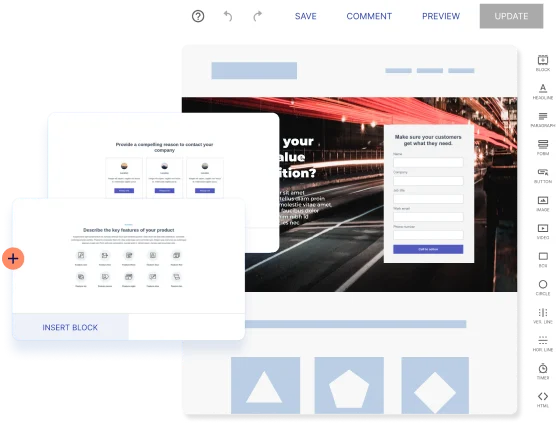
The modern recruitment landscape is increasingly defined by a high-stakes competition for talent where the cost of acquisition is rising alongside the complexity of candidate behavior. Organizations frequently invest significant portions of their marketing budgets into pay-per-click (PPC) advertising, often paying upwards of $5.00 per click to drive potential candidates to their job listings. However, a critical failure point exists in the "post-click" experience. When candidates are directed to generic career sites characterized by convoluted navigation and an absence of clear calls to action, the result is a high bounce rate and a wasted recruitment budget. The solution emerging as a standard in high-volume hiring is the specialized recruitment landing page—a standalone destination engineered with the sole purpose of converting visitors into applicants.
The Evolution of Recruitment Marketing and the Leaky Funnel
For decades, the standard for digital hiring was the corporate "Careers" page, a comprehensive repository of every open position within a company. While functional as a database, these pages often prove detrimental to targeted advertising campaigns. In a professional journalistic context, this is referred to as the "leaky funnel" of talent acquisition. According to industry data from recruitment technology providers, nearly 70% of job seekers who click on a paid advertisement will abandon the process if they are forced to navigate through more than two pages to find the specific role advertised.
The rise of the "gig economy" and the acceleration of digital transformation have shifted candidate expectations. Modern job seekers, particularly those in the technology and service sectors, demand a frictionless experience similar to consumer e-commerce. If an advertisement promises a specific role with specific benefits, the landing page must immediately validate that promise. Failure to do so results in "message mismatch," a primary driver of high cost-per-applicant (CPA) metrics.
Core Principles of High-Converting Recruitment Landing Pages
To mitigate budget waste and maximize talent inflow, recruitment landing pages must adhere to several rigorous design and psychological principles. These best practices are not merely aesthetic choices but are rooted in conversion rate optimization (CRO) data.
Message Match and Headline Alignment
The first three seconds of a candidate’s visit are the most volatile. The landing page headline must mirror the language used in the referring advertisement. If a social media ad highlights "Flexible Remote Engineering Roles," the landing page must lead with those exact terms. Professional analysis suggests that consistency in messaging reduces cognitive load, reassuring the candidate that they have arrived at the correct destination.
Above-the-Fold Prioritization
In digital journalism and marketing, "above the fold" refers to the content visible without scrolling. For recruitment, this space must contain the job title, three to four primary value propositions (such as compensation, health benefits, or signing bonuses), and a prominent "Apply Now" button. High-performing pages also include a "trust signal" in this space—such as a "Great Place to Work" certification or a recognizable company logo—to establish immediate credibility.
Minimizing Friction in Application Forms
One of the most significant barriers to completion is the length of the application form. Data indicates that every additional field beyond the essential five (name, email, phone, resume, and LinkedIn profile) can decrease conversion rates by as much as 10%. To combat this, industry leaders often utilize two-step forms: the first step captures basic contact information to create a lead, while the second step requests more detailed qualifications.
The Removal of Navigation and Exit Links
Unlike a standard website, a recruitment landing page is a "dead end" with only one exit: the application submission. Professional recruiters advise removing header navigation menus, "About Us" links, and social media icons that might distract the candidate. The goal is to focus the user’s attention entirely on the value of the role and the action of applying.
Case Studies: Industry Leaders in High-Volume Recruitment
Several major corporations have mastered the art of the recruitment landing page, particularly those requiring constant, high-volume intake of contractors or employees. An analysis of their strategies provides a blueprint for smaller organizations.
1. Uber: The Efficiency of the Gig Onboarding
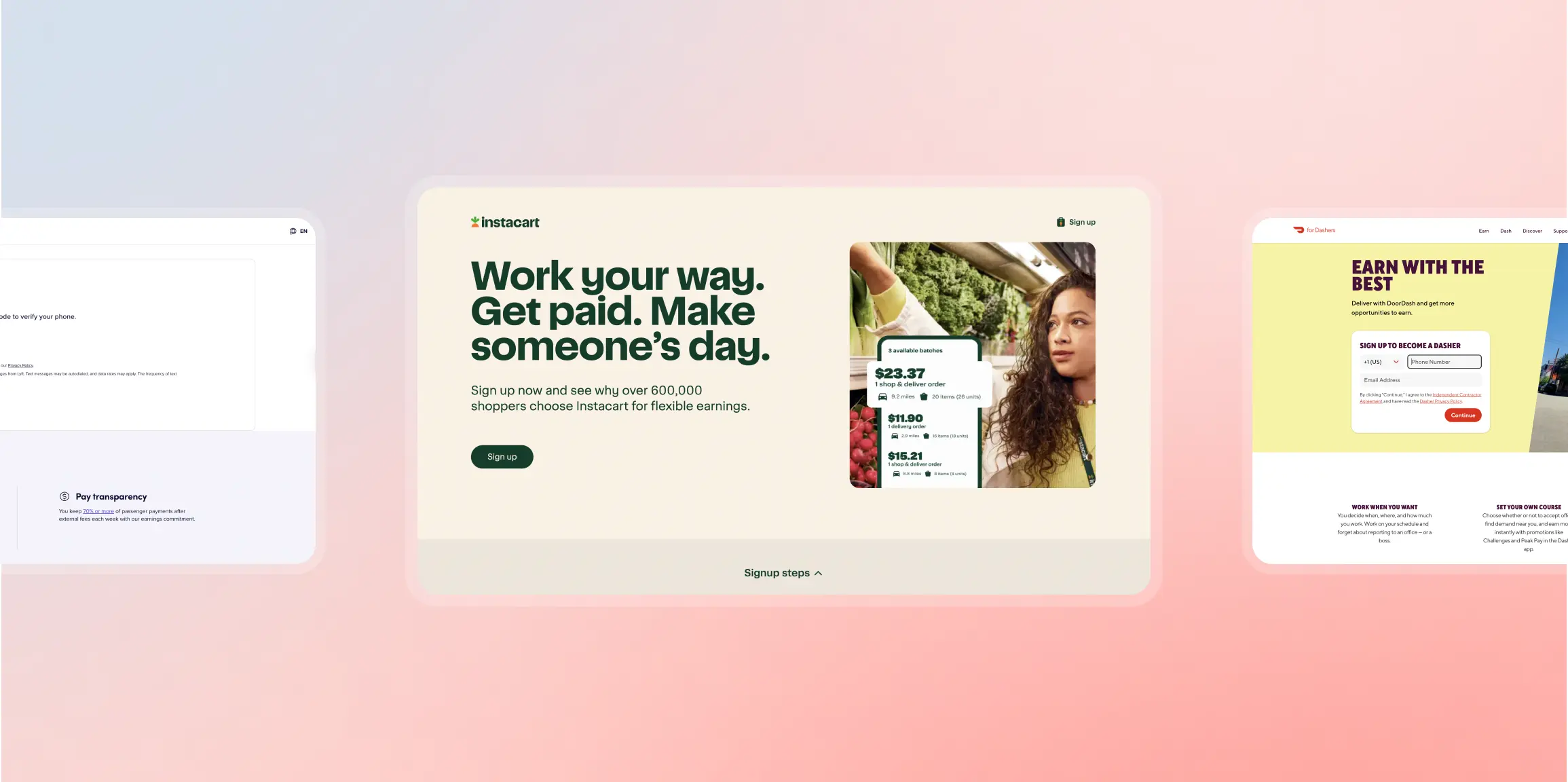
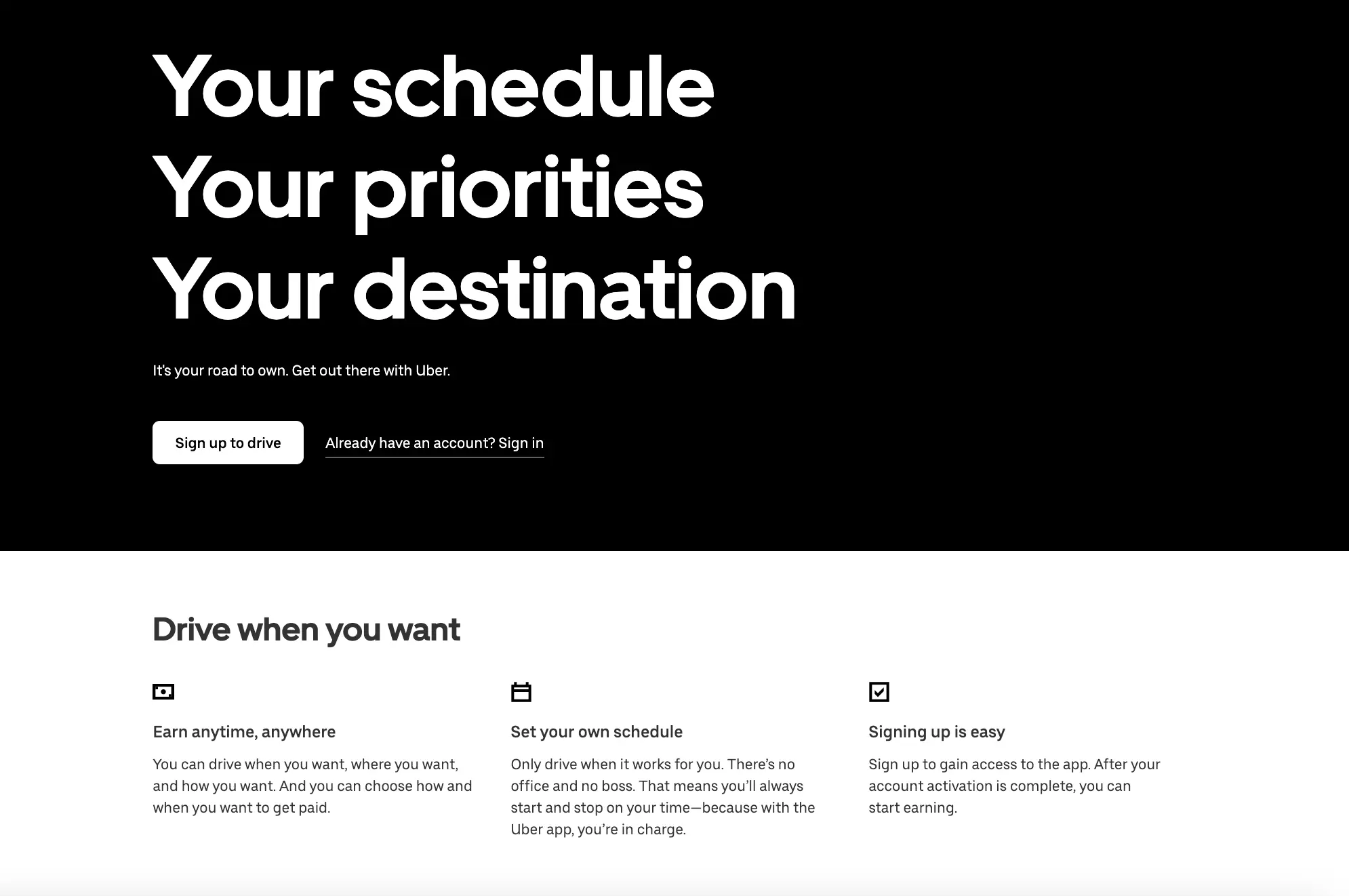
Uber’s driver and delivery recruitment pages are models of clarity. They emphasize the immediate benefit—earning potential—and use a simple zip code entry to start the process. This localizes the experience immediately. Uber’s strategy involves testing "social proof" by showing how many drivers are already active in a specific city, which validates the opportunity for the newcomer.
2. Lyft: Emphasizing Flexibility and Earnings
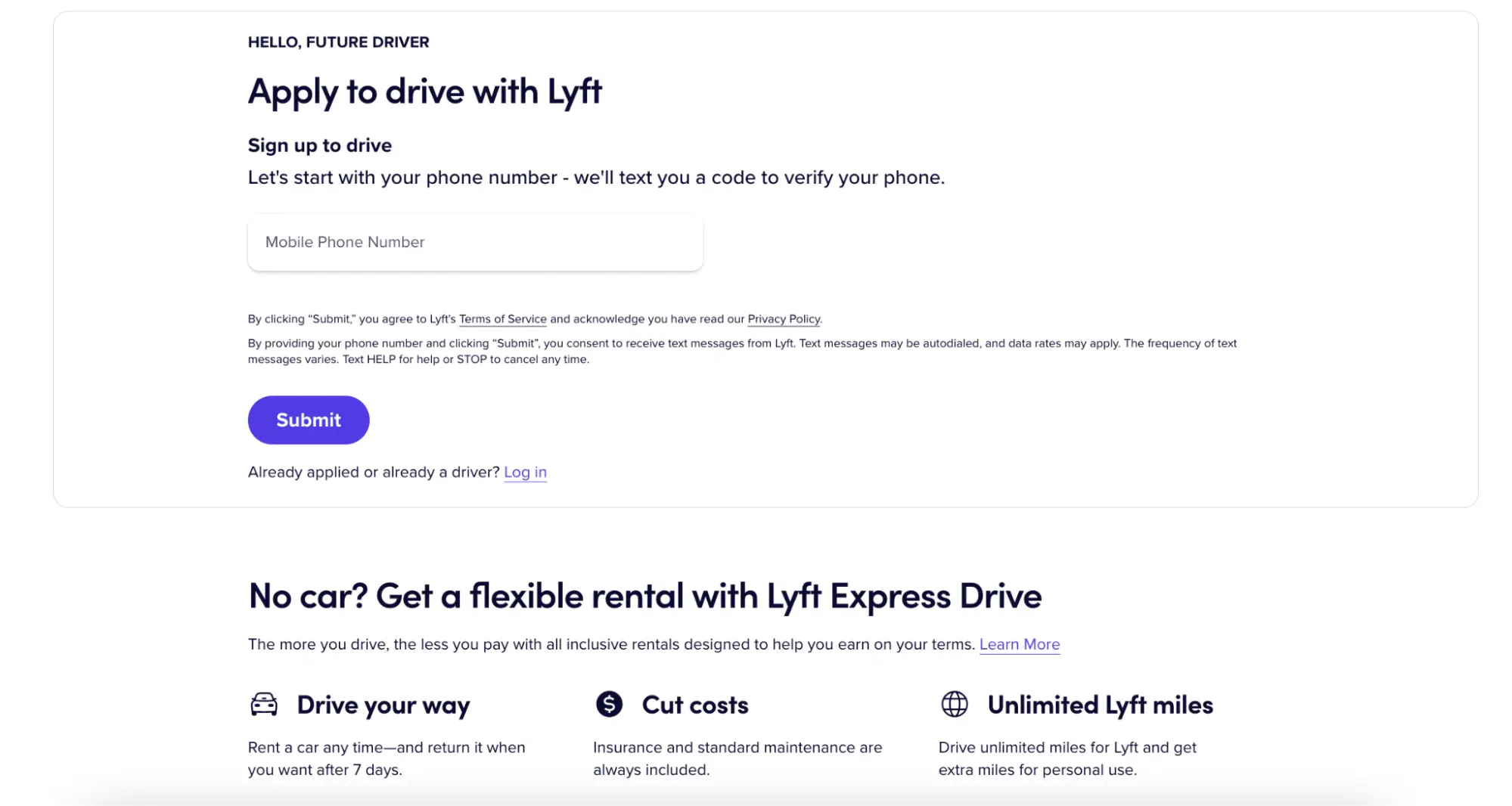
Lyft competes directly with Uber by focusing on the "lifestyle" aspect of the role. Their landing pages often feature an earnings calculator, allowing candidates to visualize their potential income before they even provide their email address. This interactive element serves as a powerful engagement tool that increases the time spent on the page and the likelihood of conversion.
3. DoorDash: Streamlining the "Dasher" Experience
DoorDash utilizes a mobile-first design for its "Dasher" signup pages. Recognizing that most of their target demographic is browsing on smartphones, the page is optimized for speed and thumb-friendly navigation. Their use of high-contrast CTA buttons ensures that the path to application is never obscured by background imagery.
4. Writers Work: Targeted Skill-Based Acquisition
Writers Work targets a specific niche—freelance writers. Their landing pages utilize "qualification" language, which flips the script from the company begging for applicants to the applicant proving their worth. This psychological tactic often results in higher-quality leads, as candidates feel they are applying for an exclusive platform.
5. Instacart: Visual Clarity and Trust
Instacart’s recruitment pages focus on the ease of the job. By using clean, high-quality photography of real shoppers, they humanize the brand. They also prominently display their app’s rating in the App Store, using third-party validation to build trust with skeptical candidates.
The Technical Imperative: Mobile Speed and Tracking
The backend of a recruitment landing page is as vital as its visual design. With over 60% of job searches now occurring on mobile devices, page load speed is a critical ranking and conversion factor. A delay of just one second in mobile load time can result in a 7% reduction in conversions. Technical teams must prioritize image compression and the elimination of heavy scripts to ensure the page loads in under three seconds.

Furthermore, a recruitment campaign without robust tracking is a blind investment. Organizations must measure not just total applications, but "form starts" versus "form completions." This data allows recruiters to identify exactly where candidates are dropping off. For instance, if 50% of candidates abandon the page at the resume upload stage, the company might consider offering a "Apply with LinkedIn" or "Apply with Indeed" integration to simplify the process.
Strategic A/B Testing for Long-Term Optimization
The most successful recruitment operations treat their landing pages as living documents subject to constant experimentation. A/B testing—the process of showing two different versions of a page to different segments of traffic—is essential for lowering the cost per applicant over time.
Priority elements for testing include:
- Headlines: Testing "Earn $20/hour" against "Flexible Schedule for Students."
- CTA Buttons: Testing "Apply Now" against "Start Your Journey."
- Visual Media: Testing a professional video testimonial against a static photo of the office.
- Form Length: Testing a single-page form against a multi-step "wizard" style application.
In professional settings, these tests are run until a "statistically significant" result is achieved, typically requiring at least 100 conversions per variation. Once a winner is identified, it becomes the new baseline, and a new test begins.

Broader Implications for the Global Talent Market
The shift toward specialized recruitment landing pages reflects a broader change in the relationship between employers and employees. In a "candidate’s market," the burden of proof is on the employer to demonstrate why their role is superior to the competition. The landing page is the digital "sales pitch" for the organization’s culture and compensation.
As artificial intelligence continues to integrate with recruitment technology, we can expect to see even higher levels of personalization. Future recruitment landing pages may dynamically change their content based on the candidate’s previous job titles or geographic location, further reducing friction and increasing the efficiency of the global labor market.
In conclusion, companies that continue to send expensive paid traffic to generic career sites are effectively subsidizing their own failure. By adopting the disciplined, data-driven approach of recruitment landing pages, organizations can significantly reduce their cost per applicant, improve the candidate experience, and secure the talent necessary to thrive in an increasingly competitive economic environment. The transition from a "site-centric" to a "page-centric" recruitment strategy is no longer an optional optimization—it is a fundamental requirement for modern talent acquisition.