

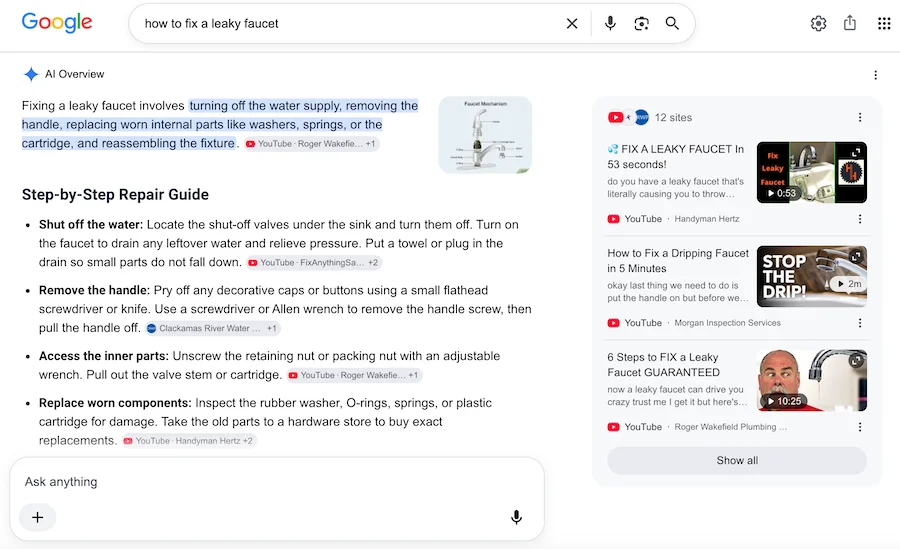
The digital marketing realm is undergoing a seismic shift, driven by the rapid integration of artificial intelligence into search engine results. For small businesses that have meticulously crafted their Search Engine Optimization (SEO) strategies around informational keywords, this evolution presents a significant challenge. The days of simply ranking number one for "how to fix a leaky faucet" guaranteeing a surge in phone calls are rapidly fading, as AI-generated answers now frequently preempt the need for human intervention. This article explores the impact of AI on keyword effectiveness, offers a framework for re-evaluating SEO strategies, and provides actionable insights for businesses to adapt and thrive in this new era.
The core of the problem lies in how search engines, particularly Google, are leveraging AI to provide direct answers to user queries. Historically, informational keywords – those seeking knowledge or guidance, often beginning with "what is," "how to," or "why does" – were a cornerstone of content marketing and SEO. Businesses would create detailed articles, guides, and videos to capture this search traffic, aiming to establish expertise and funnel potential customers into their sales pipeline. However, the advent of AI Overviews and similar AI-powered summaries has fundamentally altered this dynamic.

Data from industry analyses highlights the dramatic impact. According to Search Engine Land, AI Overviews can cause organic click-through rates (CTR) to plummet by over 60%, even for top-ranking pages. Furthermore, statistics from Click-Vision indicate that more than 80% of searches now conclude without a click, as users find their answers directly on the search results page. Semrush reports that approximately one in four searches with AI summaries ends without further user action. This signifies a critical juncture where visibility does not automatically translate into engagement or conversion.
Understanding the AI Impact: A Three-Tier Framework
To navigate this evolving landscape, businesses must differentiate between keywords based on how AI has affected their search intent and outcome. A three-tier framework offers a structured approach to classifying keywords and reallocating SEO efforts:
-
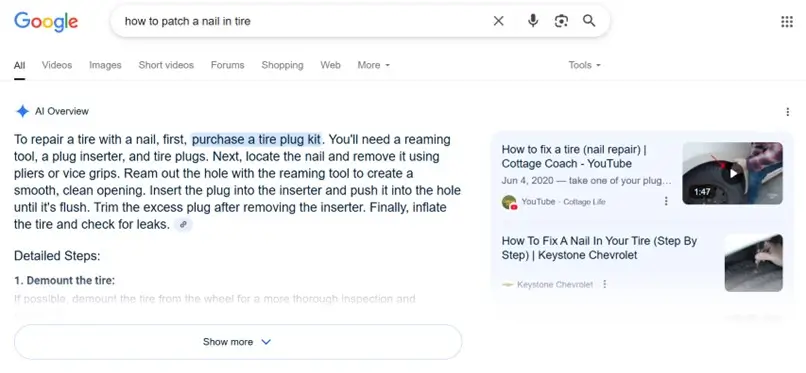
Tier 1: Fully Resolved by AI (Informational/Definitional Keywords)
These keywords, characterized by queries like "what is a dental crown" or "how to fertilize your lawn," are now largely addressed by AI. Search engines provide comprehensive, often step-by-step, answers complete with tool recommendations and video links. While a business might still rank for these terms, the user’s need is satisfied before they even consider visiting a website. Consequently, the value of these keywords for driving direct business outcomes has significantly diminished, offering low SMB value. -
Tier 2: Partially Affected (Research/Comparison Keywords)
Keywords such as "best CRM for small business" or "dental crown vs. veneer" fall into this category. AI can provide summaries, list pros and cons, and highlight options. However, these summaries often lack the personalized context, specific pricing, or nuanced decision-making required by users. While AI Overviews may reduce initial click-through rates, users still frequently click through to websites for deeper research, validation, and to find solutions tailored to their unique circumstances. These keywords retain medium SMB value, as they still drive traffic from users closer to a decision. -
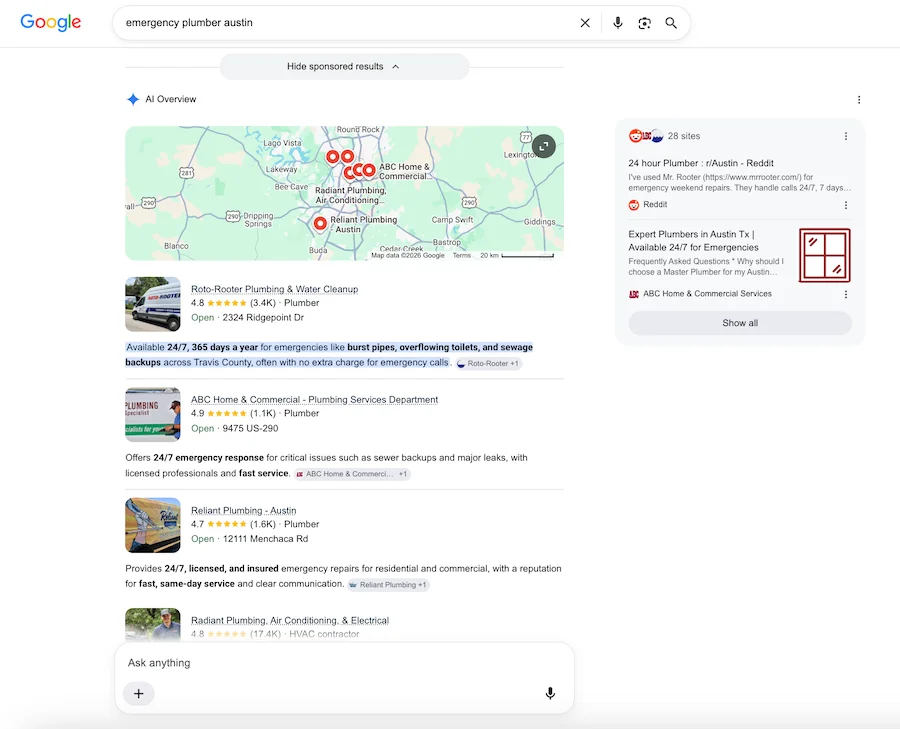
Tier 3: Requiring a Business (Local/Transactional/Action Keywords)
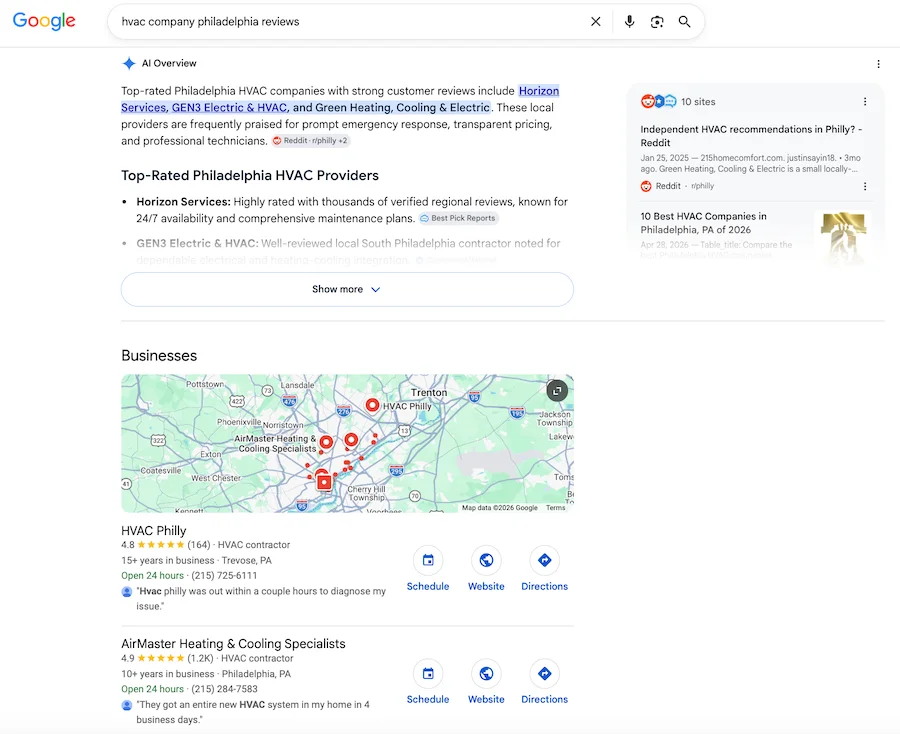
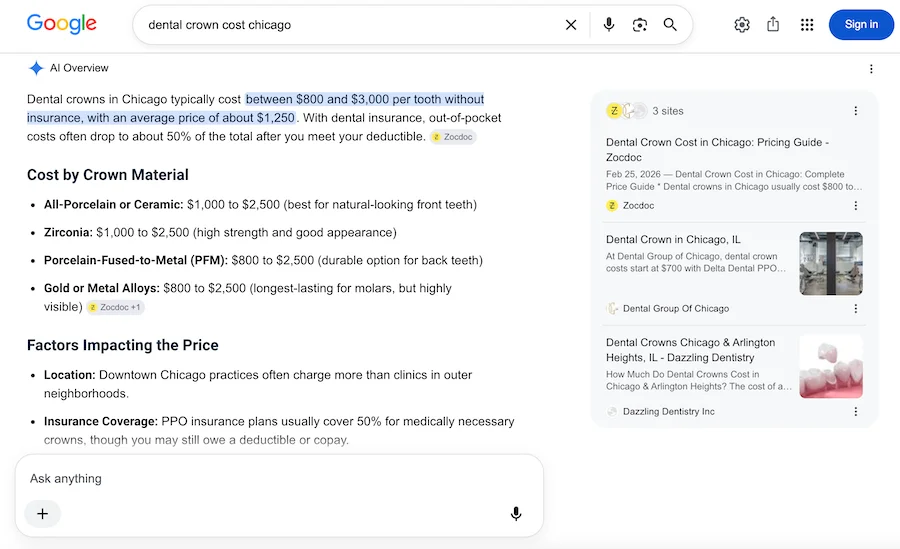
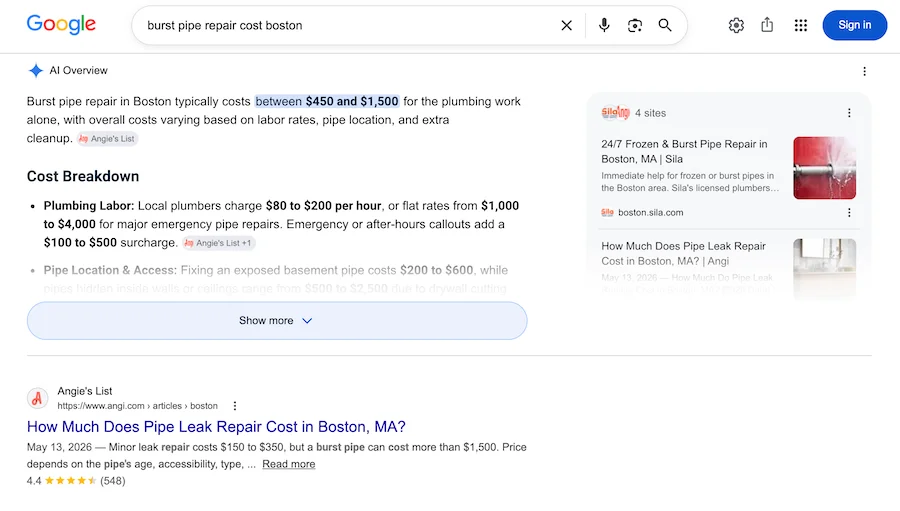
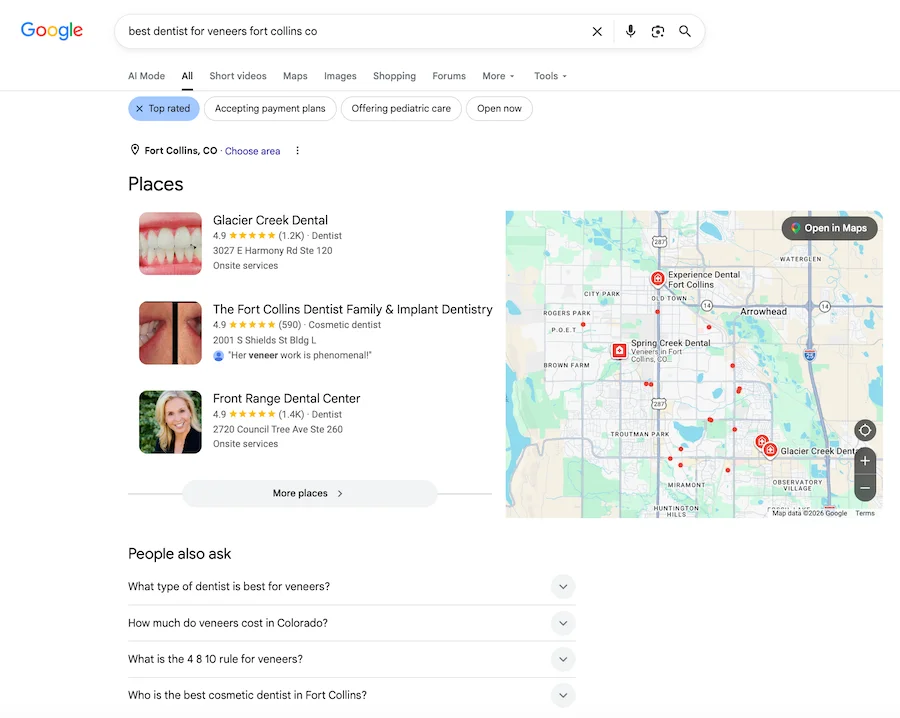
This category represents the keywords that remain most valuable for small businesses. Queries like "emergency plumber Austin" or "dental crown cost Chicago" signal a user’s intent to solve an immediate problem or make a transaction. AI can offer general information and context, but it cannot dispatch a plumber, perform a dental procedure, or finalize a car purchase. These keywords continue to function much like they did before the AI revolution, with rankings directly correlating to business outcomes. They offer high SMB value and are critical for revenue generation.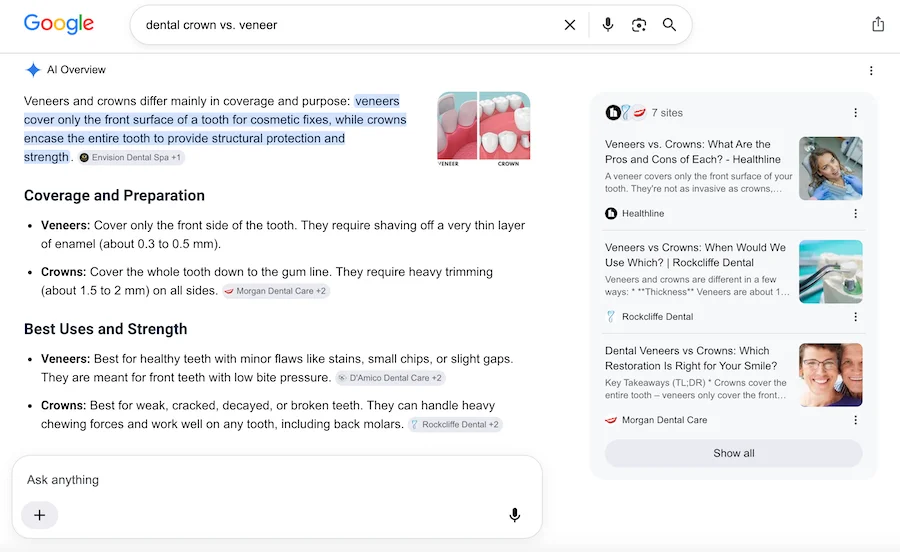
The Shift in SEO Strategy: From Volume to Value
For years, small businesses were encouraged to build extensive content libraries targeting a wide range of informational keywords to establish authority and capture organic traffic. This strategy, while effective in the past, now leads many businesses to invest resources in content that is increasingly absorbed by AI before it can engage a potential customer. The consequence is often a decline in meaningful website traffic and lead generation, misinterpreted as a general SEO problem rather than a specific keyword strategy issue.
The critical realization is that a drop in traffic from an informational query has a different root cause and requires a different solution than a drop from a transactional query. Treating all keywords uniformly in reporting and strategy development obscures these vital distinctions. Businesses must shift their focus from simply ranking for keywords to understanding the intent behind those keywords and whether that intent still necessitates engagement with a business.
Conducting an AI-Era Keyword Audit: A Step-by-Step Approach
To recalibrate an SEO strategy for the current landscape, a thorough keyword audit is essential. This audit should move beyond traditional metrics of ranking and traffic volume to focus on the user’s ultimate goal and the role of AI in fulfilling it.
Step 1: Leverage Google Search Console for Existing Traffic
Begin by analyzing data from Google Search Console. Identify keywords that are currently driving the most traffic to your website. This data is crucial because it reflects what is actively being searched for and where your current visibility lies. It’s often at this stage that the disconnect between high traffic and low conversion becomes apparent, signaling a potential keyword problem rather than a conversion rate optimization issue.
Step 2: Manually Evaluate Search Results
For each identified keyword, perform a manual search on Google, simulating the experience of a potential customer. Critically assess the search results page. Pay close attention to AI Overviews, featured snippets, and any other direct answer formats. Ask yourself: "If I were trying to solve this problem, would I need to click on any of these links, or is the answer provided directly on this page?" If the answer is no, the keyword has likely been "claimed" by AI.
Step 3: Classify Keywords Using the Three-Tier Framework
Based on your manual evaluation, categorize each keyword into one of the three tiers. This classification is the core of the audit. It requires a nuanced understanding of user intent. For example, "dental crown cost" might initially seem informational, but if AI summaries are vague or location-dependent, users may still click through to find specific provider pricing, placing it in Tier 2. Conversely, "average dental crown cost" is more likely to be fully answered by AI, falling into Tier 1.
Step 4: Pressure-Test Keyword Classifications
It is crucial to avoid hasty classifications. Small variations in keyword phrasing can significantly alter user intent and AI’s response. For instance, "emergency plumber [city]" clearly demands a local service provider, while "how to fix a dripping tap" can be easily resolved with DIY instructions. Scrutinize the search results page for each keyword to confirm its classification. Consider the user’s ultimate goal: are they seeking information, comparison, or a direct solution from a business?
Step 5: Quantify the Traffic-to-Value Gap
Compare the number of monthly visits for each keyword against the actual business value generated (e.g., leads, calls, appointments). A keyword driving 1,200 visits but generating zero leads highlights a significant gap between traffic and tangible results, pointing directly to a keyword strategy issue. Conversely, a keyword with fewer visits but a high conversion rate signifies a valuable Tier 3 term.
Step 6: Assess Content Investment
Review your existing website content in the context of your keyword classification. If a substantial portion of your content is dedicated to Tier 1 keywords, it indicates a misaligned investment strategy. While this content may still serve secondary purposes like establishing expertise or being cited by AI, it is unlikely to be a primary driver of new business growth.
Step 7: Determine Actionable Next Steps for Each Page
Based on the keyword classification and the traffic-to-value gap, decide on the appropriate strategy for each piece of content:
- Tier 1 (Fully Resolved by AI): Consider repurposing content for internal linking, as a source for AI summaries, or for highly specific niche audiences. The primary focus should shift away from driving new traffic from these terms.
- Tier 2 (Partially Affected): Enhance content to provide more depth, unique insights, comparative advantages, or personalized recommendations that AI cannot replicate. Focus on earning the click by offering superior value beyond the AI summary.
- Tier 3 (Requiring a Business): Prioritize these keywords. Ensure your content is optimized for local search, clearly communicates your services, and includes strong calls to action. These pages should be the cornerstone of your lead generation efforts.
Industry-Specific Implications: Real-World Examples
The impact of AI on keyword strategy is evident across various small business sectors:
- Plumbing Companies: Informational queries like "how to fix a leaky faucet" are increasingly resolved by AI, diminishing the value of ranking for such terms. The focus must shift to transactional keywords like "emergency pipe repair [city]" or "clogged drain services," which require immediate human intervention.
- Real Estate: Educational content on "how to buy a home" or "mortgage process explained" is now efficiently summarized by AI. The critical keywords remain those indicating immediate intent, such as "[city] homes for sale" or "real estate agent near me," which necessitate interaction with a professional.
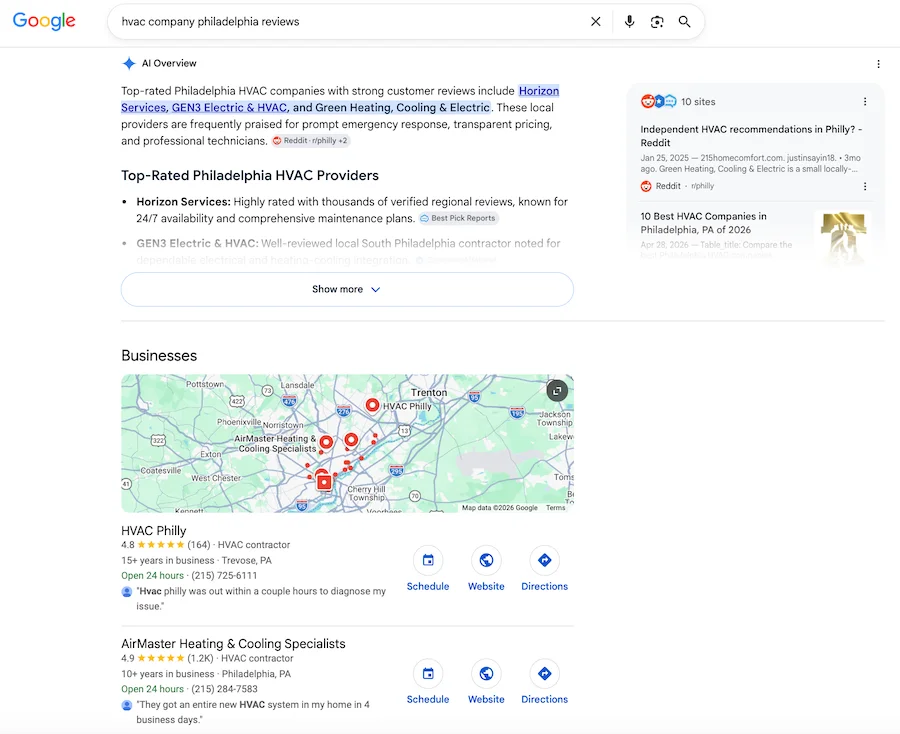
- HVAC Businesses: Explanations of HVAC systems or common maintenance tips are well within AI’s capabilities. The essential keywords are those signaling a problem or need for service, like "emergency AC repair [city]" or "furnace installation cost," which directly lead to customer engagement.
- Dental Practices: While "what are dental veneers" or "benefits of fluoride treatment" are easily answered by AI, queries like "best dentist for cosmetic dentistry [city]" or "emergency dental appointment" still drive significant business by requiring user decision-making and direct contact.
- Car Dealerships: Information on car financing or the car-buying process is now readily available through AI. The valuable keywords are those indicating purchase intent, such as "used car dealerships [city]" or "new [car model] for sale," which lead to physical visits and transactions.
Beyond Keyword Identification: Earning the Click in the AI Era

Simply identifying valuable keywords is not enough. The true challenge lies in creating content that adds value beyond what AI can provide, thereby earning the user’s click. AI excels at summarizing and presenting existing information. Therefore, content that aims to compete must offer unique insights, proprietary data, personalized solutions, expert opinions, or a superior user experience.
This means:
- Deepening Expertise: Go beyond basic explanations to offer nuanced analysis and expert perspectives.
- Personalizing Content: Tailor content to specific user needs, local contexts, or individual circumstances.
- Showcasing Unique Value: Highlight what makes your business distinct and why a user should choose you over a generic AI answer.
- Optimizing for Action: Ensure clear calls to action are present and compelling, guiding users towards the next step of engagement.
The Fundamental Filter: Does the Query Require a Business?
At its core, the adaptation of SEO strategy hinges on a simple, yet profound, question: "Can this query be fully answered without a business?" If the answer is yes, that keyword has likely been absorbed by AI and is no longer a primary driver of business growth. While such content may still play a role in brand awareness or supporting AI responses, it should not be the central focus of lead generation efforts.
For any keyword to be considered a "growth keyword" in the AI era, it must pass two critical tests:
- Does the query require a business to complete the task or solve the problem?
- If the answer to question 1 is yes, will the user need to click on a link to engage with that business?
If the second answer is no, the keyword is likely saturated by AI, and the strategy needs to pivot.
Conclusion: Building a Resilient SEO Strategy for the Future
The current evolution in search engine technology, driven by AI, represents a fundamental shift, not a temporary trend. Certain keywords have been effectively removed from the direct click economy, while others require more sophisticated content to capture attention. The most valuable keywords remain those that inherently depend on human interaction and business services.
The mistake many businesses make is continuing to measure success solely by rankings and traffic volume without scrutinizing the actual outcomes. The path forward for SEO is not about producing more content or optimizing existing pages in the same way. It is about becoming more selective, focusing on keywords that directly align with business objectives and creating content that provides unique, indispensable value that AI cannot replicate. By embracing this strategic recalibration, small businesses can not only weather the AI transformation but also emerge stronger and more effective in attracting and converting customers.









