The burgeoning creator economy, a dynamic ecosystem where independent creators monetize their content and products, is witnessing a significant evolution in the platforms available to them. For many, Etsy has served as an accessible entry point, a bustling marketplace offering a quick route to potential buyers. However, as creators mature and aim to build lasting brands, the limitations of a marketplace model become apparent, paving the way for more comprehensive brand-building solutions like Fourthwall. This article delves into a detailed comparison of these two prominent platforms, examining their strengths, weaknesses, and the strategic considerations for creators at different stages of their journey.
The Creator Commerce Conundrum: Etsy’s Accessibility vs. Fourthwall’s Brand Building
Etsy, a well-established online marketplace, has long been the go-to destination for artisans, crafters, and sellers of unique goods. Its appeal lies in its vast existing customer base and user-friendly interface, allowing new sellers to establish an online presence with relative ease. Reports indicate that Etsy’s platform, including its website builder "Pattern by Etsy," has seen substantial growth, with Pattern experiencing a 44% increase in the last eighteen months. This growth underscores the platform’s enduring popularity for creators seeking immediate visibility and a streamlined sales process.
However, the inherent nature of a marketplace presents challenges for creators aspiring to build a distinct brand identity and cultivate a loyal audience. As the original article points out, "Eventually, you want more control over your online presence and your audience, maybe a few more options for what you can sell, too." This desire for greater autonomy and expanded commercial possibilities is where platforms like Fourthwall emerge as compelling alternatives. Fourthwall positions itself as a dedicated brand-building ecosystem, offering creators the tools to establish their own independent online stores, diversify their product offerings, and gain deeper insights into their customer base.
Fourthwall and Etsy: Defining the Platforms
At their core, Fourthwall and Etsy operate on fundamentally different models, despite both facilitating online sales.
Etsy: The Marketplace Model
Etsy functions as a vast digital bazaar, a curated marketplace where individual sellers can set up virtual storefronts to list specific items. The platform is renowned for its focus on handmade goods, vintage items, and craft supplies. Its primary advantage is its built-in audience of over 86 million active buyers, as noted by various industry reports. This substantial foot traffic offers creators an immediate avenue to connect with potential customers who are actively seeking unique products.
However, this marketplace structure also means that sellers operate within a highly competitive environment, with their listings appearing alongside countless other vendors. While Etsy provides some customization options for shop pages, the overall identity of the storefront is inherently tied to the Etsy brand. Crucially, Etsy retains significant control over customer data, limiting a seller’s ability to directly build mailing lists or engage in direct marketing outside the platform’s communication channels.
Fourthwall: The Brand Building Ecosystem
In contrast, Fourthwall is designed as a comprehensive platform for building and scaling an independent brand. It empowers creators to establish their own branded websites with custom domains, offering complete control over the aesthetic, functionality, and customer experience. This allows for a more cohesive brand narrative and a distinct online presence that is not diluted by competing sellers.
Fourthwall’s ecosystem supports a broader range of products, including custom print-on-demand (POD) items, digital products, physical goods sourced independently, and even membership tiers with exclusive content or services. A key differentiator is Fourthwall’s role as a Merchant of Record, which simplifies administrative burdens such as tax collection and remittance, and provides direct customer support for POD products. This integrated approach aims to reduce the operational overhead for creators, allowing them to focus on content creation and business growth.
Fourthwall vs. Etsy: A Comparative Overview
| Factor | Fourthwall | Etsy |
|---|---|---|
| Platform Model | Full brand-building ecosystem | Marketplace for creative products |
| Built-in Buyer Traffic | No | Yes (significant existing audience) |
| Custom Domain | Yes | No |
| Storefront Design | Completely customizable website | Limited branding options within Etsy’s fixed structure |
| Physical Products | POD or own stock | Approved creative products (handmade, vintage, craft supplies) |
| Digital Products | Yes | Yes (within Etsy’s rules) |
| Memberships/Video | Yes | No |
| Customer Information | Available to the seller | Owned by Etsy |
| Fulfillment | Fourthwall for POD, partner, or self | Seller or specific production partners |
| Support | POD customer support, Merchant of Record | Seller handles customer service, Etsy can act as Merchant of Record |
Pricing and Fees: Understanding the True Cost of Doing Business
Both Fourthwall and Etsy offer accessible pricing structures, but their fee models differ significantly, impacting the overall cost of operations.
Fourthwall’s Transparent Pricing
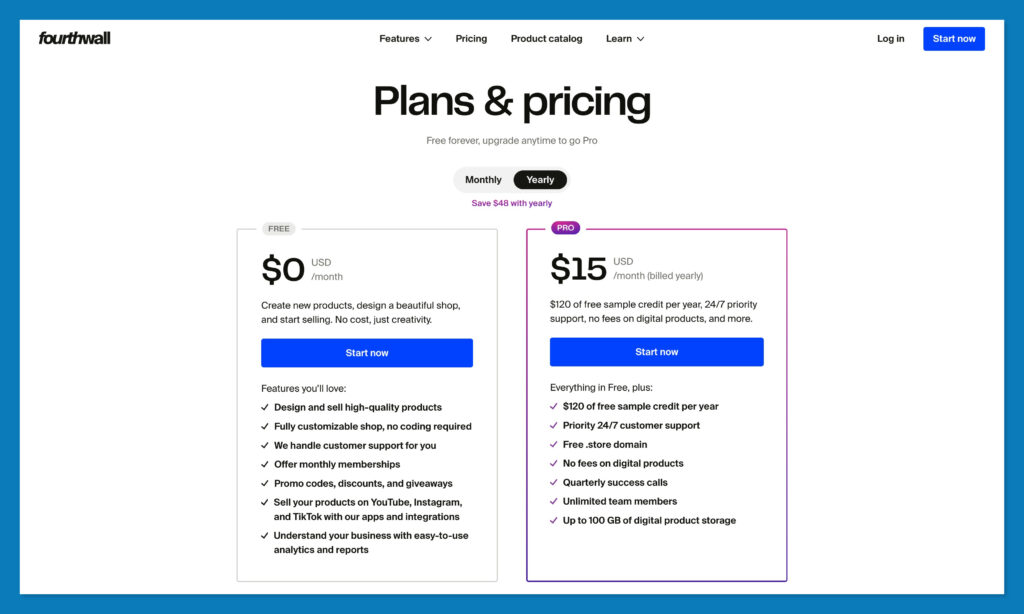
Fourthwall’s pricing is structured to be budget-friendly, particularly for those starting out. The platform offers a free plan that allows creators to build a store and sell physical products without monthly fees. However, a 5% fee applies to digital products and memberships. For creators seeking more advanced features, the Pro plan is available at $19 per month or $180 annually, which breaks down to $15 per month. This Pro plan includes a free .store domain, eliminates fees on digital products, offers unlimited team members, increased digital product storage, a monthly sample credit for POD items, and priority support. The absence of listing and transaction fees on physical products makes Fourthwall a predictable and potentially more cost-effective option for businesses with established sales volumes.
Etsy’s Multi-layered Fee Structure
Etsy’s fee structure can be more complex to navigate. While opening a shop is free, each product listing incurs a $0.20 fee. A 6.5% transaction fee is applied to the final sale price, including shipping. Additionally, a payment processing fee of 3% plus $0.25 is charged per transaction for US sellers. Etsy Plus, priced at $10 per month, offers benefits like listing credits and advertising credits, but it does not fundamentally alter the marketplace model or its associated fees. Pattern by Etsy, their website builder, starts at $15 per month and removes listing and transaction fees, but still operates within the broader Etsy ecosystem. The cost of offsite ads, which Etsy automatically enrolls sellers into for certain sales, can also add to the overall expense.
While Etsy’s fees might seem higher per transaction, they are offset by the platform’s inherent ability to expose products to a large, ready-made audience. Fourthwall, conversely, requires creators to drive their own traffic, but offers greater control over profit margins on physical goods.
Storefronts, Discovery, and Integrations: Building Your Brand Identity
The way creators present their products and interact with customers is a crucial differentiator between these platforms.
Etsy’s Marketplace Experience
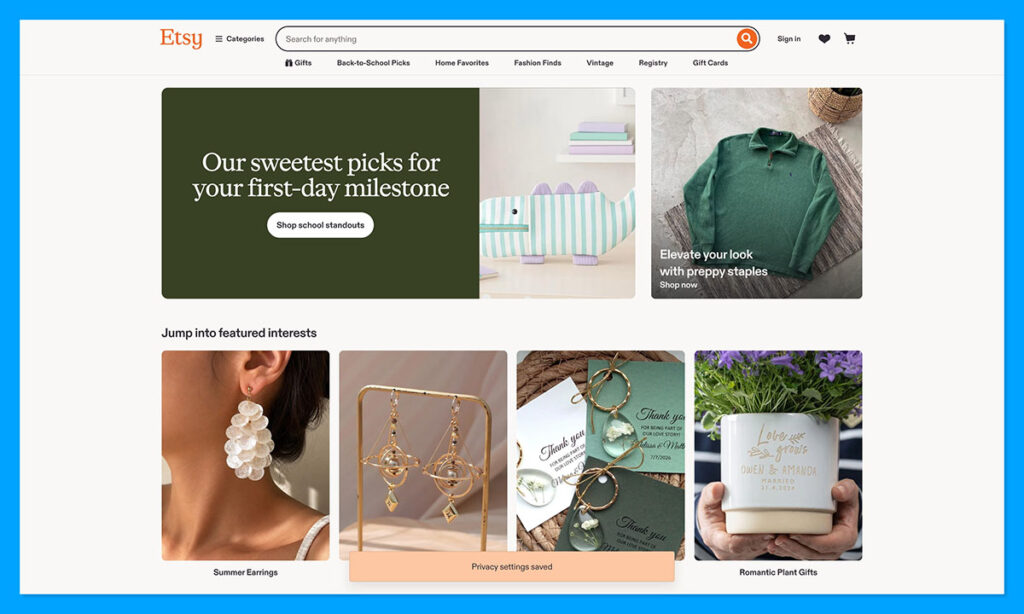
Etsy’s core strength lies in its discovery engine. Millions of buyers actively browse the platform, providing creators with an organic channel for reaching new customers. While sellers can customize their shop pages with banners and organize products, the overall aesthetic remains within Etsy’s established framework. This can make it challenging for brands to truly stand out and cultivate a unique identity. Furthermore, direct engagement with customers is somewhat restricted, limiting opportunities for building direct relationships, such as through email marketing.
Fourthwall’s Customizable Brand Hub
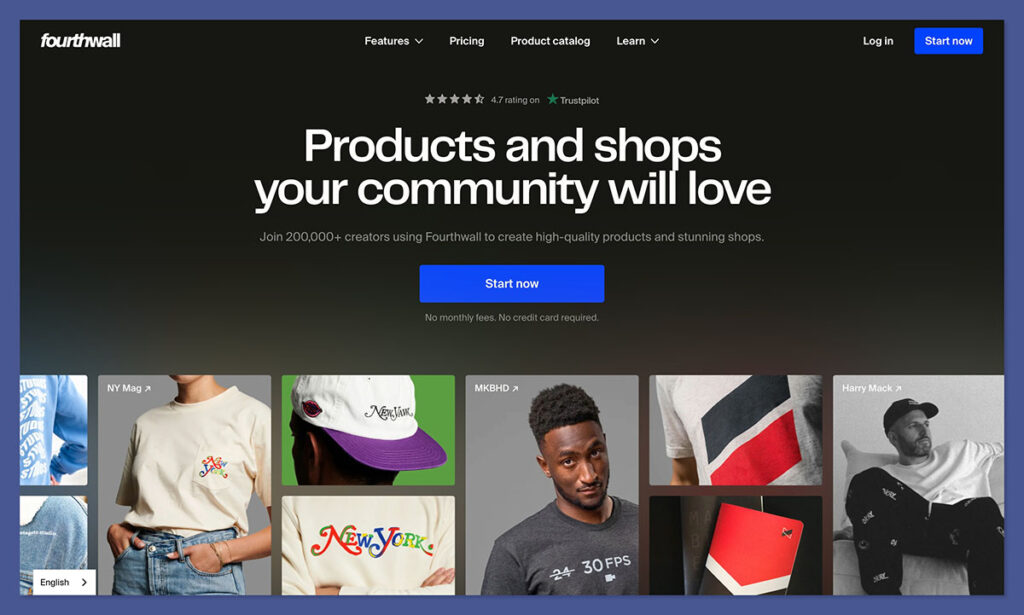
Fourthwall provides a blank canvas for brand creation. With a custom domain and a no-code website builder, creators can design a fully branded online store that reflects their unique identity. This allows for complete control over the user experience, from product presentation to customer journey. Fourthwall also facilitates deeper customer engagement by allowing creators to collect customer data, build mailing lists, and integrate with social media platforms for direct sales channels like YouTube Shopping and TikTok Shop. This emphasis on owning the customer relationship is paramount for long-term brand building.
Product Versatility: What Can You Sell?
The range of products creators can offer is a significant factor in platform selection.
Fourthwall’s Expansive Product Catalog
Fourthwall excels in product versatility. Creators can leverage Fourthwall’s POD catalog for immediate product offerings, minimizing upfront costs and fulfillment complexities. Beyond POD, they can source and sell their own physical inventory, create and sell digital products, and crucially, offer recurring memberships and paid video content. This comprehensive approach allows creators to diversify their revenue streams and adapt their offerings as their business evolves, without needing to switch platforms. The platform even supports donation options and tools for tracking customer engagement with digital content.
Etsy’s Curated Product Guidelines
Etsy maintains stricter guidelines on what can be sold, emphasizing a "human touch." While handmade goods, vintage items, and craft supplies are the staples, digital products are also permitted if they fit within the platform’s categories. Print-on-demand is allowed, but with the stipulation that the design must be original or customer-provided, and production partners must be disclosed. The platform does not support memberships or digital subscriptions in the same comprehensive way Fourthwall does. This curated approach ensures a certain quality and authenticity for buyers but limits the scope of offerings for creators looking to experiment with diverse business models.
Support and Administration: Streamlining Operations
The level of support and administrative assistance provided by a platform can significantly impact a creator’s operational efficiency.
Fourthwall’s Integrated Support System
Fourthwall offers a more integrated support system, particularly for POD products. When issues arise with POD items, Fourthwall’s team can directly handle customer service inquiries, alleviating a significant administrative burden for the creator. The platform also assists in finding suppliers for custom products and acts as the Merchant of Record, simplifying tax compliance. Premium support, available with the Pro plan, includes success calls, further enhancing the support experience for growing businesses.
Etsy’s Seller-Centric Support
Etsy provides self-help resources and customer support, but the onus for managing customer service and production partnerships largely falls on the seller. While Etsy can act as a Merchant of Record, simplifying tax matters, the direct handling of product-related issues and supplier sourcing is left to the creator.
Recent Updates and Future Directions
Both platforms are actively investing in new features to enhance the creator experience.
AI Integration and Evolving Features
Both Fourthwall and Etsy have incorporated AI assistants. Etsy’s AI primarily focuses on seller support, aiding with tasks like managing listings and responding to customer inquiries. Fourthwall’s AI assistant is more versatile, capable of generating promotional campaigns, adjusting pricing across multiple products, and analyzing sales data. Fourthwall has also introduced custom gift cards, crowdfunding integration through its partnership with Throne, and a Design Community for finding merchandise partners.
Etsy, on its part, has been refining its seller app with improved order filters and buyer history access, alongside AI-powered listing optimization tools and a "Stats Assistant" in testing. Notably, Etsy is exploring deeper integrations with AI chatbots like ChatGPT and Gemini, allowing certain products to appear within these conversational search experiences.
The Verdict: Which Platform is Right for You?
The choice between Fourthwall and Etsy ultimately hinges on a creator’s current stage of development and long-term goals.
Etsy: The Ideal Starting Point for New Creators
For emerging creators with a compelling product but a limited audience, Etsy remains an excellent starting point. Its built-in traffic and user-friendly interface provide a low-barrier entry into e-commerce, allowing creators to validate their products and gain initial sales momentum. The platform’s ability to place products in front of actively browsing shoppers is invaluable for those who have yet to establish their own marketing channels.
Fourthwall: The Powerhouse for Brand Building and Scaling
Fourthwall emerges as the superior choice for creators who have already cultivated an audience or possess a clear strategy for driving traffic to their own platforms. Its comprehensive brand-building tools, customizable storefronts, diverse product offerings, and emphasis on customer ownership make it ideal for those aiming to establish a sustainable and scalable brand. The platform’s robust features support creators looking to diversify revenue streams through memberships, digital products, and direct sales.
The Hybrid Approach: Leveraging Both Platforms
It is also common for creators to utilize both Etsy and Fourthwall concurrently. This hybrid strategy allows them to leverage Etsy as a discovery channel to introduce their products to new audiences, while directing their established customer base to their Fourthwall store for higher margins and a more personalized brand experience. This approach allows creators to benefit from Etsy’s marketplace reach while retaining the advantages of owning their customer relationships and brand identity.
Addressing Common Creator Queries
Is Fourthwall Cheaper Than Etsy?
For physical products, Fourthwall is generally more cost-effective due to the absence of listing and transaction fees. However, Etsy’s fees are offset by its built-in traffic. The "true cost" depends on a creator’s sales volume, product type, and marketing efforts.
Is Fourthwall Free to Use?
Yes, Fourthwall offers a free plan that allows creators to build a store and sell physical products without monthly fees. Fees apply to digital products and memberships on the free tier. The Pro plan, at $19/month or $180/year, removes these fees and adds further benefits.
Does Fourthwall Bring Traffic Like Etsy?
No. Fourthwall does not provide built-in buyer traffic. Creators are responsible for driving their own traffic through marketing and outreach efforts. This is a key distinction from Etsy, which offers a ready-made audience.
Can You Sell Print-on-Demand Products on Etsy?
Yes, with specific rules. Designs must be original or customer-provided, and production partners must be disclosed. Etsy requires a "human touch" for all listings.
Can You Sell Memberships or Digital Subscriptions on Etsy?
No. Etsy’s platform does not support recurring memberships or paid video content systems, a capability that Fourthwall offers.
Who Owns the Customer Data?
On Etsy, customer data is primarily owned by Etsy, limiting direct marketing opportunities. On Fourthwall, creators own their customer data, enabling direct engagement and marketing.
Do Fourthwall and Etsy Handle Sales Tax?
Both platforms can act as a Merchant of Record, taking responsibility for sales tax collection and remittance, which simplifies compliance for sellers.
Should You Use Etsy and Fourthwall Simultaneously?
Yes, many creators find success by using Etsy for discovery and Fourthwall for direct sales from their owned audience, creating a complementary strategy.
Is It Worth Moving From Etsy to Fourthwall?
It is advisable to transition to Fourthwall when a creator has a reliable method for attracting buyers independently of the marketplace. While a direct migration of customers isn’t possible, running both platforms concurrently and gradually shifting focus can be an effective strategy.
In conclusion, while Etsy continues to be a valuable platform for launching and testing products, Fourthwall represents the future for creators focused on building enduring brands and owning their customer relationships. The choice between them, or the strategic integration of both, depends on an individual creator’s journey and their vision for long-term business growth in the evolving landscape of creator commerce.