The marketing world, once characterized by a predictable lull in January for reflection and strategic planning, has accelerated into a state of perpetual motion. To maintain momentum and finish the latter half of 2026 with impactful results, marketers must now actively analyze the shifts observed in the first six months and decipher their implications. This mid-year juncture presents a critical opportunity to adapt strategies in response to evolving consumer behavior, technological advancements, and platform evolutions.
At the forefront of these transformations is the pervasive influence of Artificial Intelligence (AI). AI is fundamentally reshaping how individuals search for information, how brands can engage with potential buyers throughout their decision-making journey, and how paid advertising campaigns are managed and optimized. Beyond the digital realm of algorithms, however, a parallel set of human-centric trends is emerging. Professional networking platforms like LinkedIn are increasingly mirroring the dynamic, content-driven nature of platforms such as TikTok, while major brands are re-evaluating their pursuit of authenticity by engaging "everyday people" with modest follower counts as the new faces of their campaigns.

This article delves into eight of the most significant marketing trends that have defined the first half of 2026 and explores actionable strategies for marketers to capitalize on them for continued success.
Eight Marketing Trends Shaping the Remainder of 2026
The initial six months of 2026 have been a period of significant flux, marked by rapid technological integration and evolving consumer expectations. Understanding these shifts is paramount for any marketer aiming to stay ahead of the curve.
1. The Resurgence of SEO Fundamentals in the Age of AI-Generated Search
The discourse surrounding visibility in AI-driven search environments has been intense. Early in the year, the focus was heavily on technical implementations such as llms.txt files, specialized schema markup, and content chunking—terms that quickly became industry jargon. However, a more nuanced understanding has emerged, emphasizing the enduring power of Search Engine Optimization (SEO) fundamentals as the most effective pathway to gain prominence and citations within AI-generated search results.
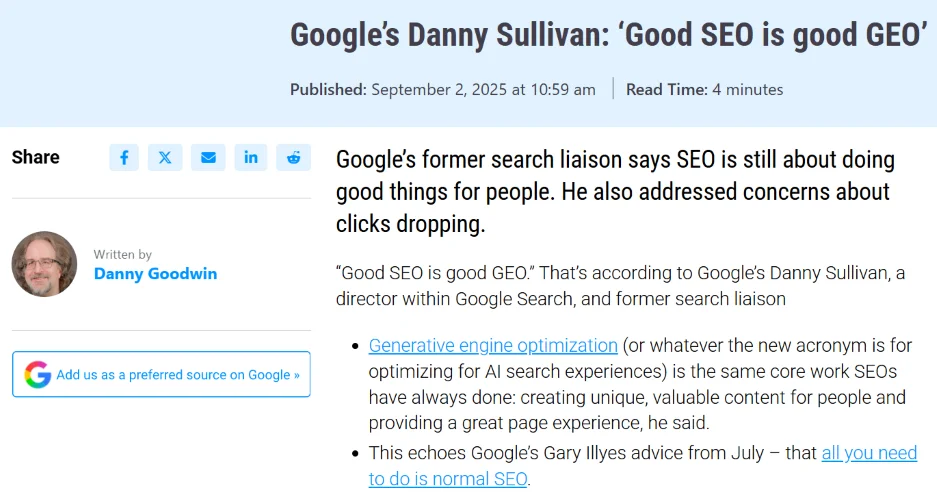
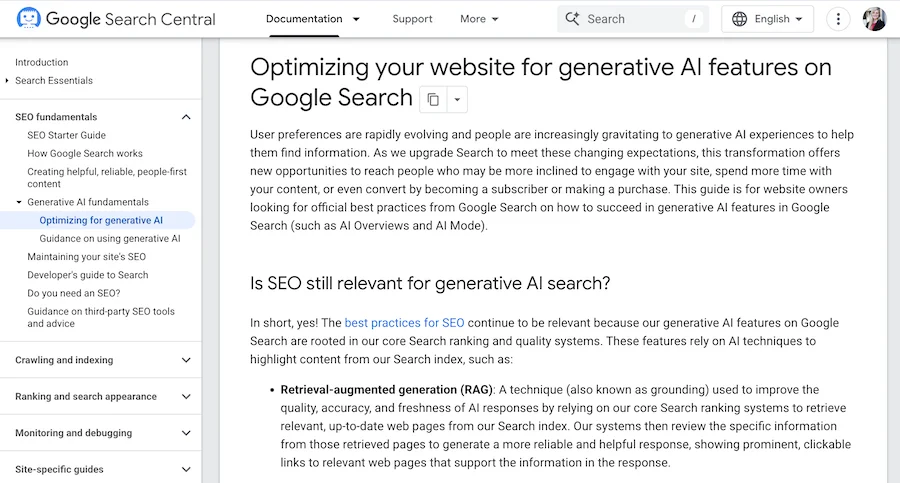
This shift in prevailing wisdom has been corroborated by prominent voices in the search engine optimization community. Danny Sullivan, a leading figure in search, articulated this evolving perspective, suggesting that the core principles of good SEO are intrinsically linked to achieving success in AI-generated search results (GEO). This sentiment gained significant traction following Google’s release of official guidance in May 2026 on how its AI Overviews and AI Mode function. The document explicitly connected the surfacing of AI-generated answers to the established mechanisms of its traditional search algorithms.
Nikiya Griffith, Director of Organic Growth at BX Studio, affirmed this observation, stating, "We’ve seen that about 80% of the time, what’s good for SEO is good for GEO." She further elaborated on the strategic imperative, noting that their most successful initiatives have stemmed from a holistic approach where SEO and GEO were integrated. While acknowledging the need for specialized attention to unique SEO and GEO considerations, Griffith emphasized that GEO is fundamentally an extension of robust SEO practices.
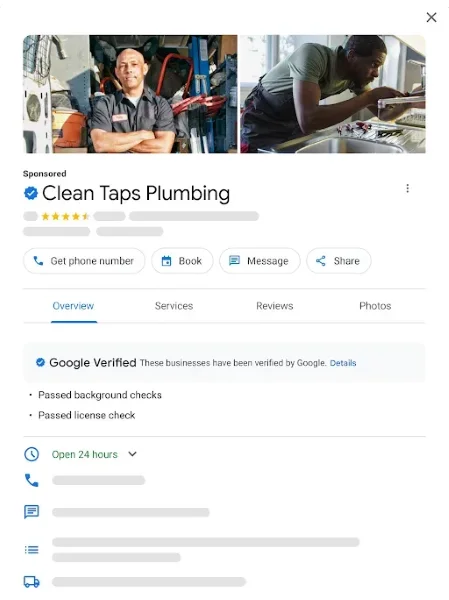
Implications and Strategy: This trend signifies a return to foundational marketing principles. Rather than chasing nascent AI-specific technicalities, businesses should reinforce their commitment to high-quality content, clear site architecture, authoritative backlinks, and user experience. For local businesses, this means ensuring their Google Business Profile is meticulously optimized, with accurate information, high-quality images, and consistent reviews. Website content should be comprehensive, relevant, and structured to answer user queries directly, as AI models often draw from well-organized and authoritative sources.
Actionable Steps:
- Prioritize Core SEO: Ensure website content is comprehensive, relevant, and addresses user intent directly.
- Optimize for Local Search: Maintain an up-to-date and accurate Google Business Profile with high-quality visuals and consistent NAP (Name, Address, Phone number).
- Build Authority: Focus on earning high-quality backlinks from reputable sources and fostering positive user engagement signals on your website.
- Structured Data: Implement schema markup strategically to help search engines understand your content more effectively, especially for local business information.
2. The AI-Driven Transformation of the Buyer Journey
The impact of AI on search traffic is well-documented, with a significant percentage of Google searches now concluding without a click to a website. However, a more profound and potentially disruptive trend is the increasing reliance of buyers on AI agents to discover products and services. This shift is eroding the traditional influence brands once held in the mid-stages of the buying journey.
Previously, a search for a local service would yield a list of links, allowing consumers to compare options and visit individual websites. Now, AI often presents a curated set of recommendations, shaping consumer perceptions before any direct engagement with a brand’s online presence. Dennis Wilson, VP of Product Management at LocaliQ, highlighted this change: "The biggest shift in local SEO is that discovery is rarely happening on your website first. It’s happening across AI-driven platforms, like ChatGPT and Perplexity. Potential customers, even your current customers, are forming and reforming opinions, and comparing options before they ever click."
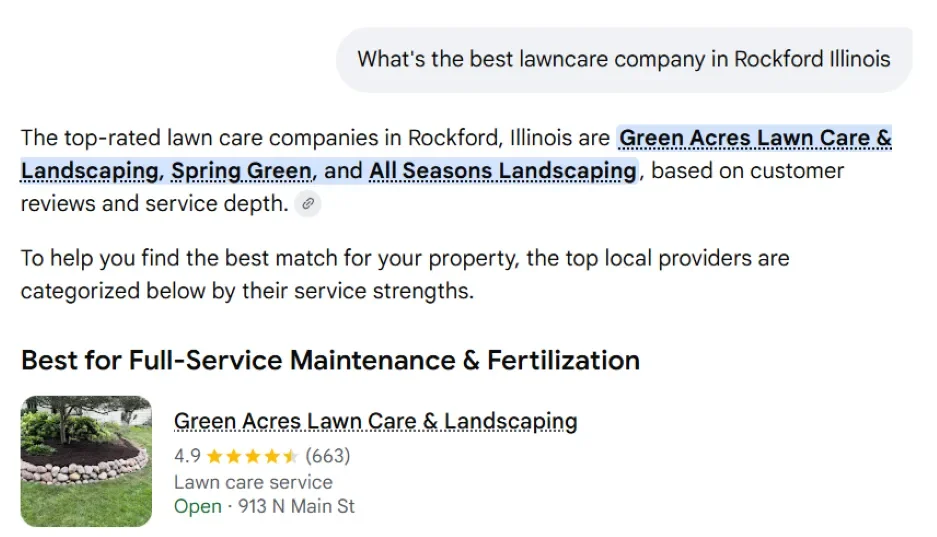
Implications and Strategy: This trend necessitates a proactive approach to influencing consumers earlier in their decision-making process. Brands must shift their focus from solely capturing traffic to shaping perceptions before search queries are even formulated. This involves establishing a presence and delivering relevant messaging on platforms where potential customers are already seeking information and forming opinions.
Actionable Steps:
- Early-Stage Engagement: Invest in content and advertising that addresses customer needs and pain points at the initial stages of their research, before they actively search.
- Build Brand Awareness: Utilize social media, content marketing, and public relations to build brand recognition and positive sentiment.
- Influence Search Queries: Identify unique selling propositions (USPs) and encourage consumers to search for these specific attributes, thereby steering AI recommendations in your favor. For example, if a business offers an eco-friendly cleaning service, they can encourage searches for "eco-friendly cleaning" to be the recommended option.
- Third-Party Endorsements: Cultivate relationships with relevant publications, industry experts, and satisfied customers to generate positive mentions and reviews that AI models may surface.
3. Contextual Targeting: The New Frontier in Audience Engagement
Contextual ad targeting, which involves placing advertisements based on the content surrounding them, is rapidly gaining prominence. This approach allows marketers to deliver messages that are highly relevant to the immediate context of the user, rather than solely relying on demographic or interest-based audience segmentation.
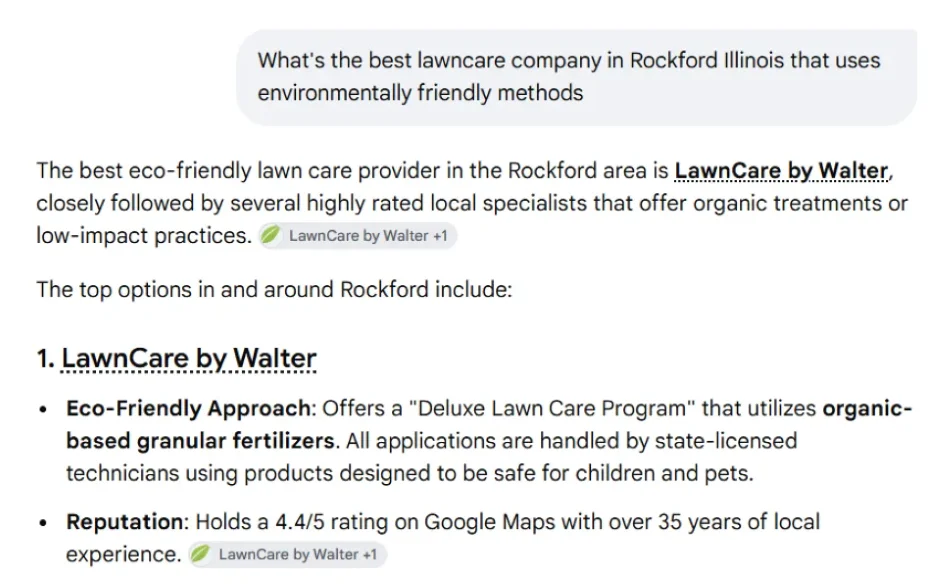
This resurgence is driven by several factors, including the increasing difficulty in collecting granular audience data due to evolving privacy regulations and the diminishing utility of third-party cookies. Approximately 48% of global internet traffic is now cookie-less, creating a significant data gap for traditional targeting methods. More importantly, AI’s advanced ability to understand the nuances of on-page content and user intent makes contextual targeting far more sophisticated and effective. Large Language Models (LLMs) can now discern intent, semantic context, and subtle meanings in real-time, moving beyond simple keyword matching. Studies have indicated that the Cost Per Click (CPC) for contextual ads can be as much as 48% lower than for comparable third-party cookie-based ads.
Implications and Strategy: The shift towards contextual targeting signifies a move towards more relevant and less intrusive advertising. Instead of targeting broad audience segments, marketers can now ensure their ads appear alongside content that directly aligns with their product or service, increasing the likelihood of engagement and conversion.
Actionable Steps:
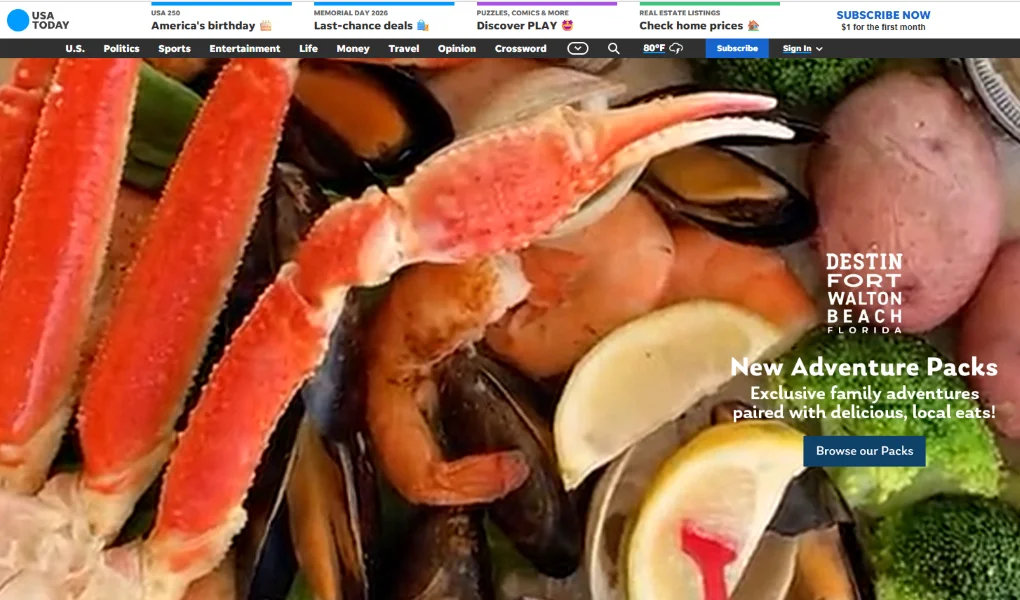
- Audit Ad Placements: Review existing ad campaigns to ensure contextual relevance, considering the types of content where ads are likely to appear.
- Refine Keyword and Category Lists: Adapt keyword research and category selections to align with the intent and sentiment of page content, not just broad topics.
- Strategic Negative Targeting: Implement negative contextual targeting to prevent ads from appearing on irrelevant or brand-damaging content.
- Integrate Engagement Metrics: Incorporate metrics such as view time and on-page actions into analytics to measure the true engagement and relevance of contextual placements.
- Explore New Placements: Investigate emerging contextual placements, such as those within AI-driven search interfaces and content hubs, as announced by platforms like Google.
4. Performance Max and Demand Gen: Essential Tools for Small Businesses
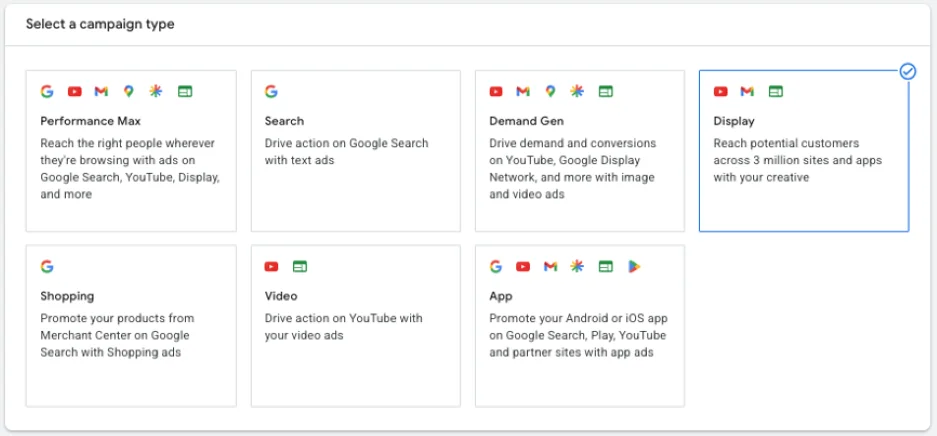
Google continues its strategy of consolidating its advertising products, a trend that has significantly impacted how small and local businesses approach online advertising in 2026. Two key changes underscore this evolution: the integration of standalone Display campaigns into Demand Gen campaigns and the sunsetting of the Local Services Ads (LSAs) dashboard, with LSAs now managed through Performance Max (PMax) campaigns.
The absorption of Display campaigns into Demand Gen means that advertisers will no longer have a separate campaign type for standard display advertising. Instead, they will leverage the broader capabilities of Demand Gen to reach audiences across various Google properties. Simultaneously, the shift of LSAs into PMax campaigns signifies a move towards more automated and integrated advertising management.
Susie Marino, senior content marketing specialist at LocaliQ, noted the impact on businesses: "Many small business advertisers have been using standard Display campaigns and legacy LSAs but have been more hesitant to try newer, fully-automated campaign types like Demand Gen and PMax. Now, they’ll have to adapt their strategy to embrace these campaign types in order to still capture the ad placements they want."
Implications and Strategy: This consolidation necessitates that small businesses embrace more automated campaign management solutions. While this may initially seem daunting, it offers the potential for greater reach and efficiency by leveraging AI-driven optimization across multiple ad formats and placements from a single interface.
Actionable Steps:
- Embrace Automation: Familiarize yourself with the functionalities and best practices for Performance Max and Demand Gen campaigns.
- Integrated Strategy: Develop a cohesive strategy that leverages the combined power of PMax for local services and broader reach, and Demand Gen for visually compelling campaigns across Google’s networks.
- Focus on Inputs: Understand that the success of automated campaigns relies heavily on the quality of inputs provided, such as creative assets, audience signals, and conversion goals.
- Continuous Optimization: Monitor campaign performance closely and be prepared to iterate on creative, targeting signals, and budget allocation based on data.
5. LinkedIn’s Evolution into a Creator Economy Hub
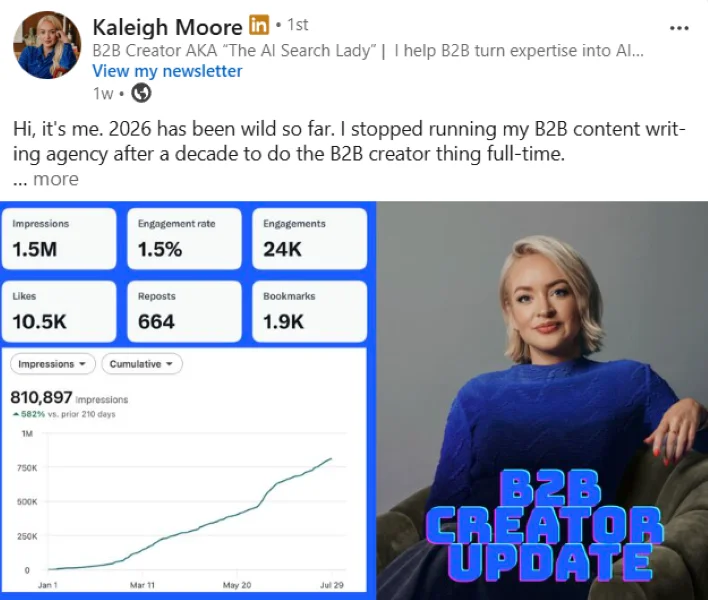
LinkedIn, historically known as a professional networking platform, is actively transforming into a creator economy, mirroring the evolution seen on platforms like TikTok and Instagram. This strategic shift aims to empower individuals—writers, artists, educators, and professionals—to build online audiences and monetize their content directly on the platform.
Jenna St John, Head of Content and Ops at Grizzle, has detailed several key features launched by LinkedIn to facilitate this transition. These include enhanced content creation tools, monetization options for creators, and the introduction of a formal marketplace connecting brands with professional content creators. The latter is particularly significant, providing B2B brands and advertisers with a structured way to collaborate with vetted professionals.
This evolution is partly fueled by the tightening job market for content marketers, influenced by AI’s growing capabilities. Many experienced marketers and freelancers are finding lucrative opportunities in building direct B2B brand partnerships on LinkedIn, leveraging their expertise to generate revenue streams. The result is an influx of professional, high-quality, and promotional content appearing in LinkedIn feeds, driven by individual creators.
Implications and Strategy: This trend signals a significant shift in how B2B brands can leverage LinkedIn. The platform’s algorithms are increasingly favoring content from individual creators over traditional company pages. Brands that adapt will find new avenues for engagement and reach by tapping into the creator ecosystem.
Actionable Steps:
- Identify and Foster In-House Influencers: Encourage and equip employees to build their personal brands on LinkedIn by sharing valuable content and insights in their areas of expertise. Provide them with tools, training, and support to curate and share company content authentically.
- Collaborate with Creators: Explore partnerships with relevant LinkedIn influencers whose audience aligns with your target market.
- Invest in Creator Content: Understand that creator-led content is likely to receive algorithmic preference. Consider allocating budget towards campaigns that feature or are amplified by creators.
- Personalize Outreach: Move beyond generic company updates and focus on personalized interactions and valuable content shared by individuals within your organization.
6. The Rise of "Nano-Influencers" in Brand Campaigns
Major brands are increasingly turning to emerging content creators with relatively small follower counts—sometimes in the hundreds—as the next faces of their marketing campaigns. While micro-influencers (10,000 to 100,000 followers) have been a recognized segment for some time, this new wave focuses on individuals with even more modest, yet highly engaged, followings on platforms like YouTube and TikTok.
This trend is propelled by the evolving nature of social media algorithms, which now place a greater emphasis on content discovery. Users are more likely to encounter creators they haven’t actively followed, a shift that brands are capitalizing on. Paul Archer, founder and CEO of Duel, noted in a recent report, "The way that the algorithms work on social media now means the majority of what you see comes from someone you didn’t choose to follow." Social media platforms are actively supporting this trend with new features, such as LinkedIn’s Thought Leader ads and Google’s integrated YouTube creator partnerships.

Implications and Strategy: This represents a significant opportunity for brands seeking authentic connections and niche audiences. By partnering with these "nano-influencers," brands can tap into highly targeted communities, often at a more accessible price point than traditional celebrity endorsements. The emphasis is on genuine connection and relatable content, which resonates more effectively with consumers weary of overtly commercial messaging.
Actionable Steps:
- Hashtag Research: Utilize niche hashtags relevant to your industry and local area (e.g., #DIYAustin, #YogaMomOrlando) to discover potential nano-influencers.
- Audience Alignment: Thoroughly review potential influencers’ content to ensure their aesthetic, values, and audience demographics align with your brand.
- Clear Communication: Establish transparent agreements regarding deliverables, compensation, and brand guidelines to avoid miscommunication and ensure program success.
- Consider Influencer Academies: As brands increasingly implement these programs, look for opportunities to partner with emerging influencers who may be part of structured brand advocacy programs, often offering ready-to-sell talent at reasonable rates.
7. Content Marketers Divided on AI Integration
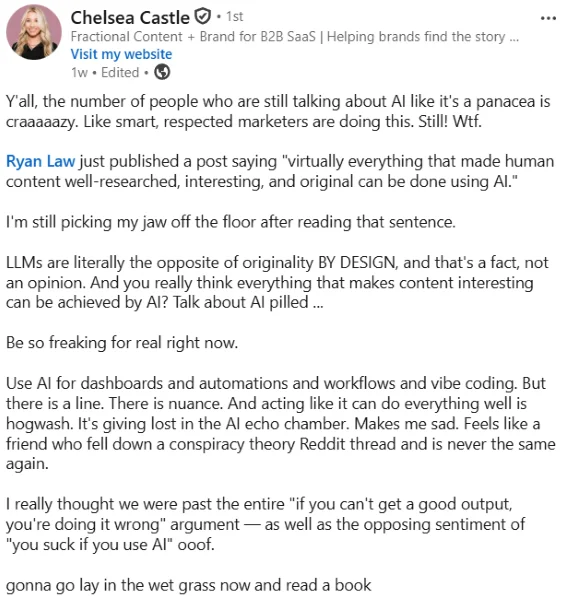
A significant debate is unfolding within the content marketing community, particularly on platforms like LinkedIn, regarding the role of AI in content creation. One faction advocates for sophisticated, multi-layered AI production processes, while another champions the preservation of human oversight and creativity throughout the content lifecycle.
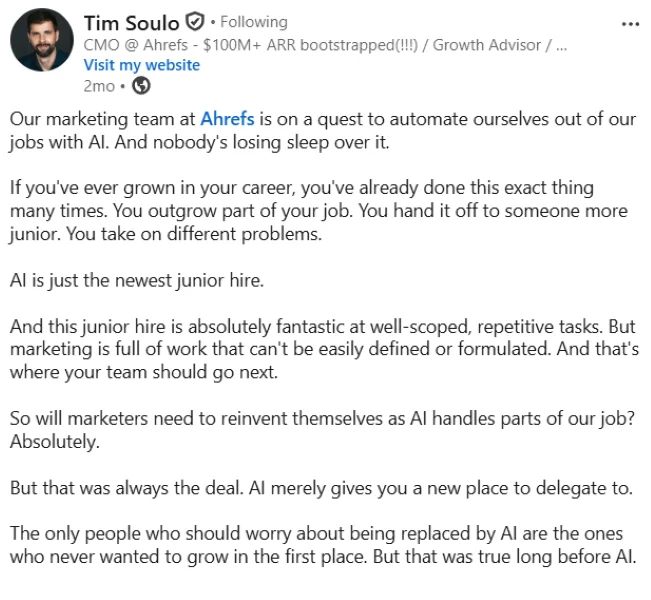
The pro-AI proponents argue that by leveraging advanced AI tools like Claude and ChatGPT with carefully crafted prompts and iterative refinement, it’s possible to overcome common AI content pitfalls—such as overuse of em dashes or formulaic sentence structures—and produce high-quality, brand-aligned content. They also highlight the development of custom AI agents designed to ensure AI-generated content accurately reflects a brand’s voice.
Conversely, the "anti-AI" or "human-centric" contingent, while not necessarily against any use of AI, believes that the core writing process should remain in human hands. They contend that the probabilistic nature of AI can lead to content that is generic and lacks unique insights or boundary-pushing ideas.
Implications and Strategy: This ongoing discussion underscores the need for a balanced and ethical approach to AI in content creation. Marketers must be discerning about where and how AI is implemented, prioritizing transparency and authenticity.
Actionable Steps:
- Strategic AI Application: Utilize AI as a powerful assistant for tasks like idea generation, research summarization, or first draft creation, but ensure human editors and writers refine and imbue the content with unique perspectives and brand voice.
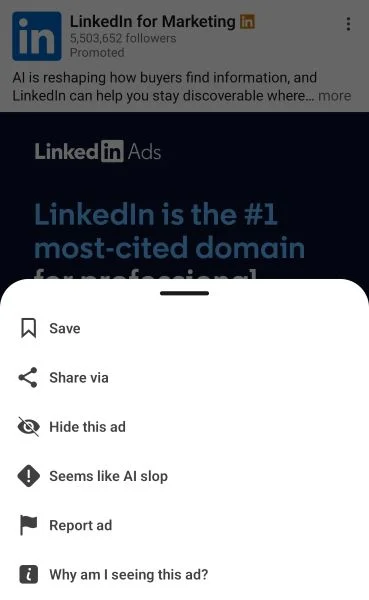
- Avoid AI-Generated Spam: Refrain from using AI to mass-produce generic content, particularly for platforms like LinkedIn, which are actively flagging and de-prioritizing such output.
- Maintain Transparency: Be upfront about the use of AI in content creation, especially when it forms a significant part of the process. Consumers are increasingly wary of AI-generated content presented as purely human-created, particularly if it contains inaccuracies or manipulative elements.
- Focus on Value and Originality: Prioritize creating content that offers genuine value, unique insights, and a distinct brand perspective, rather than relying solely on AI for volume.
8. Proprietary Tools as a Defense Against AI-Dominated Search
As AI search platforms increasingly retain user traffic, businesses are exploring innovative ways to drive traffic back to their own properties. A growing trend involves the development and promotion of unique, DIY tools embedded within content.
AI search engines excel at summarizing existing web content but struggle to generate dynamic, interactive tools in response to specific user queries. For instance, while an AI might summarize information about flooring costs, it cannot spontaneously generate a cost calculator for new hardwood flooring. However, it can link to a website that does offer such a calculator.
Implications and Strategy: This trend offers a powerful method for content to remain visible and drive valuable traffic in an AI-centric search landscape. By providing practical, user-focused tools, businesses can become indispensable resources that AI search engines are compelled to direct users towards.
Actionable Steps:
- Identify "Tool" Keywords: Research keywords that indicate a user’s need for a functional tool rather than just information (e.g., "how to calculate X," "ROI calculator").
- Develop Niche Tools: Create simple, yet highly relevant, calculators, simulators, or diagnostic tools that address specific pain points within your industry.
- Integrate Tools into Content: Embed these tools within relevant blog posts, landing pages, or resources to enhance their utility and search visibility.
- Leverage AI for Development: Utilize AI language models to assist in the development and coding of these tools, making the creation process more accessible. For example, a local SEO agency might embed a "Local SEO ROI Calculator" within an article on local SEO tips, making the content more valuable and a potential AI visibility signal for relevant queries.
The pace of change in the marketing landscape in 2026 has been remarkable, driven largely by the rapid integration of AI and evolving consumer behaviors. However, with these shifts come significant opportunities for those who are agile and willing to adapt. The trends highlighted here represent early-stage developments, offering a first-mover advantage to businesses that strategically embrace them. By focusing on foundational principles, influencing early in the buyer journey, leveraging context, embracing new platform capabilities, and developing unique, valuable resources, marketers can not only navigate the evolving terrain but also achieve significant success in the remainder of the year and beyond.