Since its inception in 2016, Google Local Services Ads (LSAs) have served as a cornerstone strategy for service-based businesses, enabling them to prominently display their professional offerings to local searchers and facilitating direct booking through the Google platform. A key appeal of LSAs has been the pay-per-lead model, where advertisers are charged only when a potential customer initiates contact, rather than for each click. While the core benefits of LSAs—visibility, direct booking, and lead-based payment—will persist, Google’s recent announcement signals a significant shift: LSAs are migrating into the Google Ads interface and will be managed through a refined approach within Performance Max (PMax) campaigns, specifically utilizing a new pay-per-lead goal. This integration aims to streamline management and enhance the overall experience for advertisers.
The Evolution of Local Services Ads: Integration into Google Ads
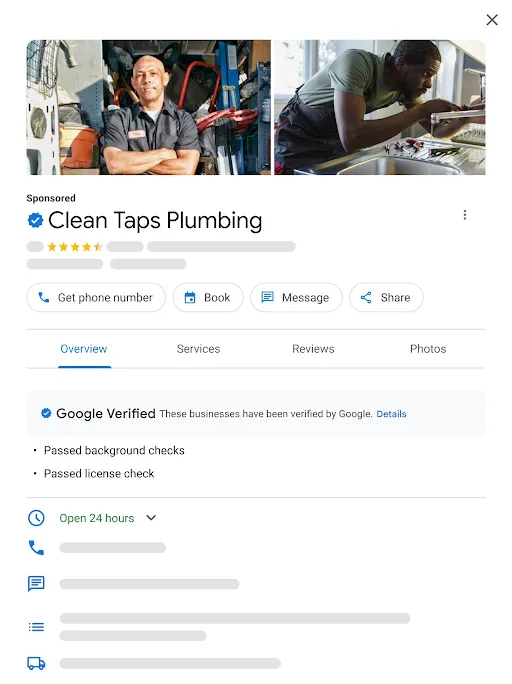
Historically, Local Services Ads operated through a distinct dashboard, separate from the main Google Ads platform. Businesses eligible for LSAs, which span over 80 service categories, were required to verify their operations through their Google Business Profile. These ads appeared exclusively in Google Search and Google Maps, offering a frictionless user experience by allowing direct contact and booking without requiring users to navigate away to a landing page. The pay-per-lead model ensured advertisers invested in tangible leads.
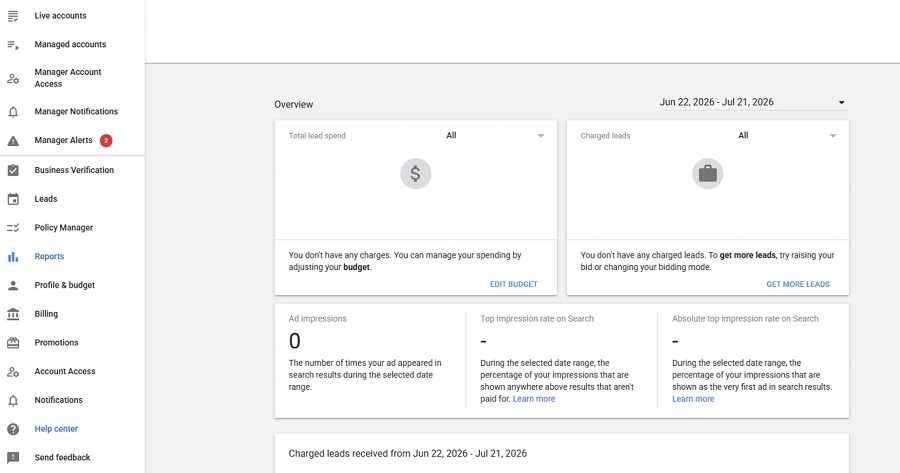
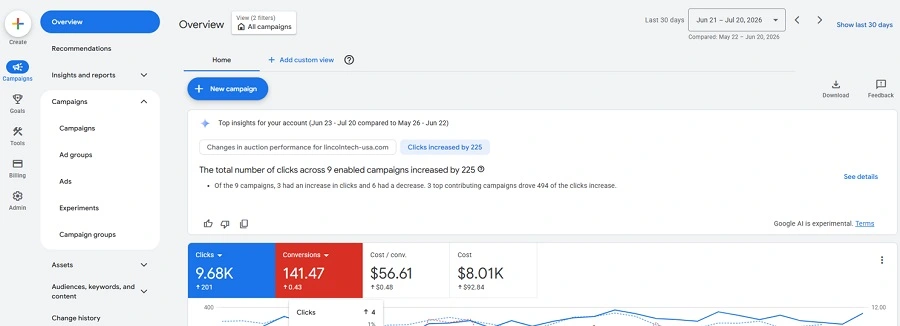
The forthcoming update will see LSAs embedded directly within the Google Ads ecosystem. The standalone LSA dashboard will be retired, and LSAs will no longer exist as independent campaign types. Instead, advertisers will manage their LSAs through Performance Max campaigns configured with a specific pay-per-lead goal. This integration marks a move towards a more unified advertising management experience.

Key Changes and What Remains Constant
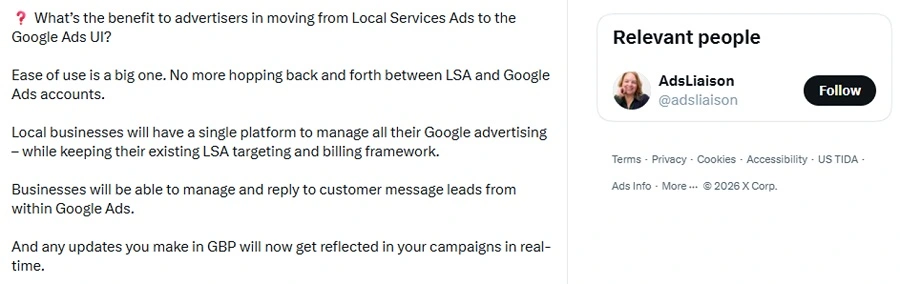
The most substantial alteration is the relocation of LSA management from its dedicated dashboard to the Google Ads interface. This consolidation is designed to eliminate the need for advertisers to toggle between separate platforms. Ginny Marvin, Google Ads Product Liaison, highlighted this benefit, stating on X (formerly Twitter), "No more hopping back and forth between LSA and Google Ads accounts."
Furthermore, LSAs will now function within Performance Max campaigns. While traditional PMax campaigns are designed for broad reach across various Google properties and typically charge per click, the new PMax pay-per-lead campaigns for LSAs will be specifically tailored to appear only on Google Search and Google Maps, mirroring the existing placement strategy for LSAs. This ensures that the core functionality and visibility of LSAs remain intact for local searchers.
Despite these changes, several core aspects of LSAs will remain consistent:
- Pay-Per-Lead Model: Advertisers will continue to be charged only for qualified leads generated through their ads.
- Google Verified Badge: Eligible businesses that meet Google’s verification requirements will continue to display the trusted Google Verified badge, reinforcing credibility with consumers.
- Placement: LSAs will continue to be displayed prominently in Google Search results and on Google Maps, targeting users actively seeking local services.
- Business Verification: The requirement for businesses to be verified through their Google Business Profile will persist, ensuring legitimacy and quality.
- Service Categories: LSAs will continue to be available for businesses within the designated 80+ service categories.
Transition Timeline and Impacted Businesses
Google is implementing a phased rollout for this migration, aiming for a seamless transition with minimal disruption for advertisers. The process will involve automatic migration of existing LSA campaigns into Google Ads. Businesses will receive advance notification via email and in-dashboard banners approximately 14 days before their scheduled migration date. This proactive communication allows advertisers to prepare and, if necessary, download historical data before the transition.
The timeline for this rollout is as follows:
- Early August 2026: Migration begins for some industries.
- End of 2027: All eligible LSA accounts will have completed their transition to Google Ads.
This update exclusively impacts businesses currently utilizing or eligible for Local Services Ads. Service-based industries, such as plumbers, electricians, HVAC technicians, locksmiths, and cleaning services, among others, are the primary audience for LSAs.
Rationale Behind the Migration to Performance Max
The integration of LSAs into Performance Max campaigns with a pay-per-lead goal is a strategic move by Google to centralize its advertising offerings. This consolidation is expected to simplify campaign management for advertisers, providing a unified interface for various advertising efforts. By bringing LSAs under the umbrella of Google Ads, the platform aims to offer a more cohesive and efficient advertising ecosystem. This aligns with Google’s broader strategy of streamlining its ad products and enhancing user experience.
Navigating the Transition: For Current and New Advertisers
For Existing LSA Advertisers:
Google will automatically migrate existing LSA campaigns into Google Ads. This includes transferring targeted locations, service types, budget limits, ad schedules, and business photos. Advertisers will no longer access the old LSA dashboard; upon signing in, they will be directed to the Google Ads interface.
Crucially, advertisers are advised to download their historical LSA reports before their migration date. This proactive step is essential to preserve historical performance data, as the old LSA dashboard will be sunset. Google provides a resource to guide users through manually downloading these reports.
Once migrated, advertisers will find their LSAs integrated into new Performance Max campaigns within the Google Ads interface. While most settings will carry over, adjustments to bidding strategies and budgets may occur depending on the original setup. Advertisers can then refine these campaigns using standard Google Ads management practices. It is important to note that campaign performance may take up to two weeks to stabilize post-migration.
For New LSA Advertisers:
Currently, the creation of new LSA campaigns with pay-per-lead goals is pending within Google Ads. For businesses wishing to set up new LSAs or local accounts, the temporary solution is to continue using the existing portal at g.co/localservices. Google has indicated that the ability to create these campaigns directly within Google Ads will be made available at a later date.
Preparing for the LSA to PMax Transfer:
- Download Historical Data: Proactively save all historical LSA campaign reports before your migration date.
- Optimize Google Business Profile: Ensure your Google Business Profile is up-to-date and optimized. Changes made here will automatically sync with your Google Ads account, ensuring your PMax LSAs reflect accurate business information.
- Stay Informed: Monitor email notifications and in-dashboard banners for your specific migration date.
For businesses working with marketing partners or agencies, these transition steps are typically managed by the partner, ensuring a smooth handover.
Future-Proofing Local Advertising Strategies
Beyond the immediate LSA migration, local businesses are encouraged to:
- Maintain a Robust Google Business Profile: This remains the foundational element for local visibility. Regular updates, accurate information, and customer engagement are key.
- Explore Comprehensive Digital Marketing: While LSAs offer a powerful direct lead generation channel, integrating them with broader digital marketing strategies, including local SEO, social media, and other Google Ads campaign types, can amplify overall reach and effectiveness.
- Stay Abreast of Google Updates: Google’s advertising platforms are dynamic. Continuous learning and adaptation to new features and strategies are essential for sustained success.
Frequently Asked Questions (FAQ) on the LSA Update
-
What is happening to the Google Local Services Ads dashboard?
The existing Google Local Services Ads dashboard will be fully sunset by 2027. All historical data within it will also be retired. -
Which industries are most impacted?
Only service-based businesses eligible for Local Services Ads will be affected by this Google Ads update. -
Is re-verification required for LSAs on Google Ads?
No, businesses already verified through their Google Business Profile will not need to re-verify their accounts once LSA campaigns migrate to PMax.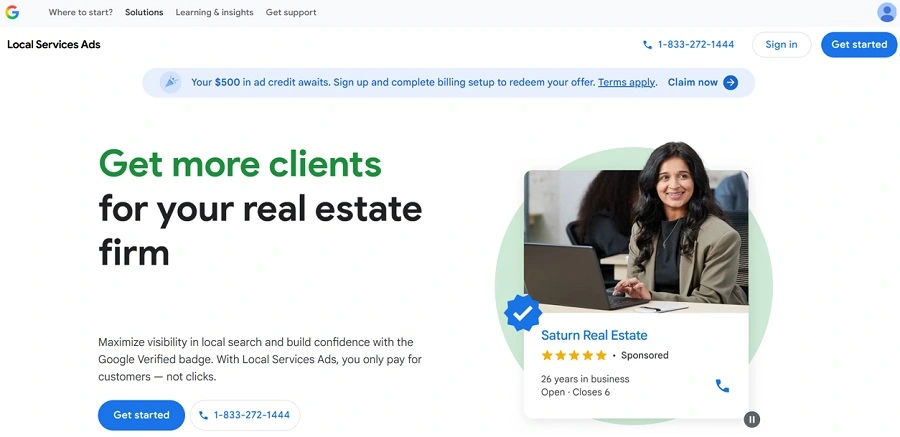
-
Will PMax LSAs still display the Google Verified badge?
Yes, eligible businesses will continue to display the Google Verified badge, provided they meet the ongoing verification criteria. -
Where will PMax Local Services Ads be displayed?
These specific PMax LSAs will continue to appear exclusively on Google Search and Google Maps. -
Can I still access historical LSA dashboard data?
Historical performance reports must be downloaded manually before the dashboard is retired. However, past customer lead history (contact details, call recordings) will transfer to the Lead Manager within Google Ads. -
How will I know when my LSA campaigns are migrating?
Google will provide advance notification via email and dashboard banners. The rollout is phased, with all migrations expected by the end of 2027. -
Can I manage my Google Business Profile outside of Google Ads?
Yes, your Google Business Profile can still be accessed and managed independently for organic listings. However, ad management based on your profile will be conducted through Google Ads. Changes to your Google Business Profile will sync automatically to your PMax LSAs.
-
Do I need to take any action to prepare for the transition?
The migration is automatic. However, it is advisable to review your campaign settings before and after the transition to ensure everything is configured as desired. -
Should I start using LSAs if I’m not currently?
If your business is in an eligible industry and focuses on lead generation, starting with LSAs (now via PMax pay-per-lead campaigns) is highly recommended due to their cost-effectiveness, prominent visibility, and lead-conversion efficiency.
Navigating the Future of Local Lead Generation
The integration of Google Local Services Ads into Performance Max campaigns with a pay-per-lead objective represents a significant evolution in how service-based businesses connect with local customers. By consolidating these powerful lead-generation tools within the familiar Google Ads interface, Google aims to simplify management and enhance efficiency. For businesses, understanding the transition, preparing by securing historical data, and optimizing their Google Business Profile are key steps to ensuring a smooth and successful adoption of this new advertising paradigm. As the digital landscape continues to evolve, proactive adaptation and strategic utilization of these integrated tools will be paramount for local businesses seeking to thrive.