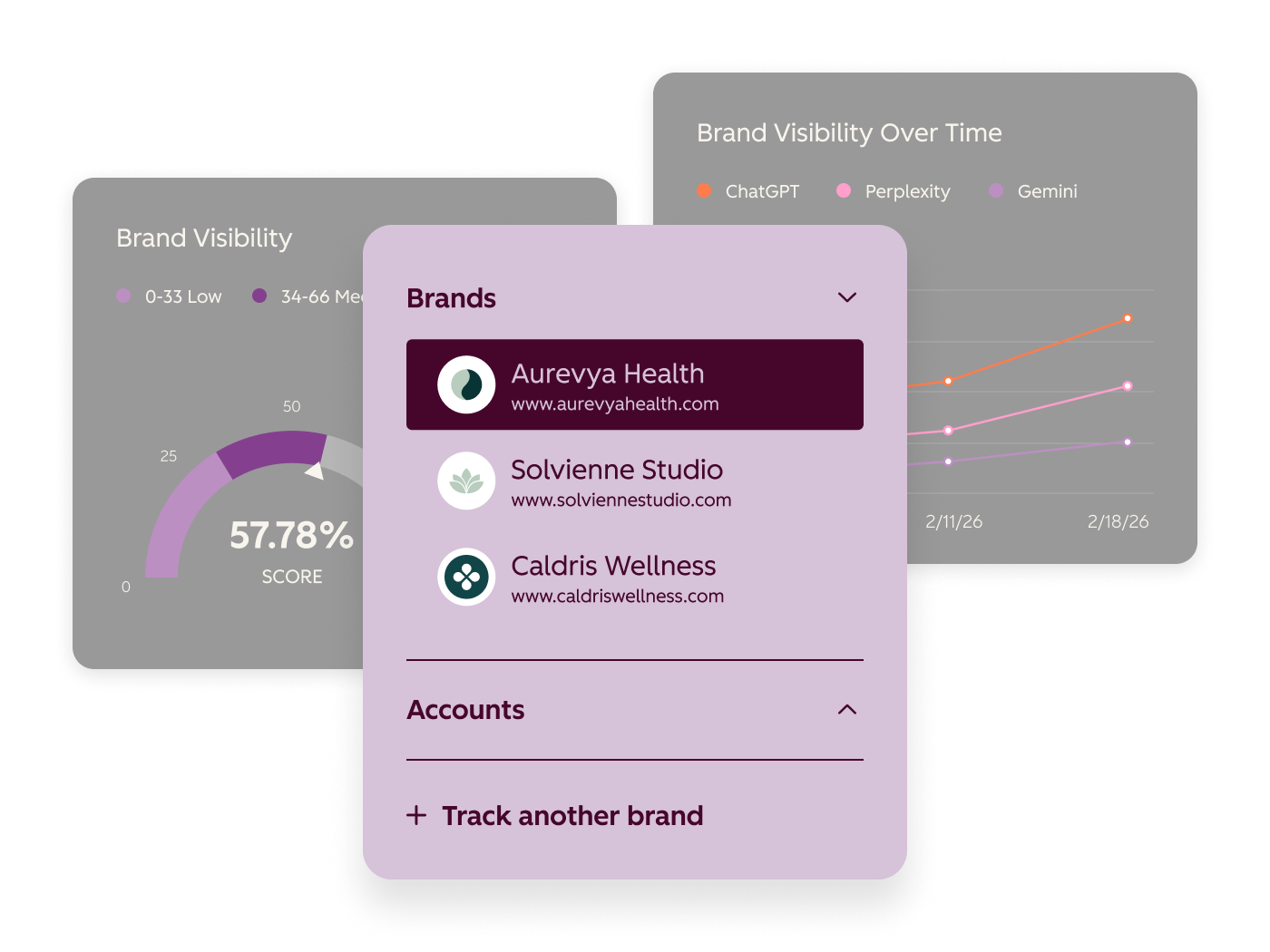
The digital marketing landscape is undergoing a profound transformation as consumers increasingly bypass traditional search engines in favor of conversational AI platforms like ChatGPT, Gemini, and Perplexity for product recommendations and information retrieval. This seismic shift has birthed a new imperative for brands: Answer Engine Optimization (AEO), a discipline focused on ensuring visibility and favorable representation within these AI-powered environments. In response, leading marketing technology providers are rolling out specialized tools to help marketers understand and influence their brand’s presence in this nascent ecosystem. Among the most prominent offerings are HubSpot AEO and Ahrefs Brand Radar, each approaching the challenge from distinct philosophical and functional standpoints, with the optimal choice largely dependent on a brand’s existing infrastructure and strategic objectives.
The Paradigm Shift: From Search Queries to Conversational AI
For decades, Search Engine Optimization (SEO) has been the cornerstone of digital visibility, centered around keywords, backlinks, and organic rankings on Google and other traditional search engines. However, the rapid advancement and widespread adoption of generative AI have dramatically reshaped user behavior. Platforms like ChatGPT, which famously reached 100 million users in record time, offer direct, synthesized answers, often obviating the need for users to click through multiple search results. Gemini and Perplexity AI further cement this trend, providing comprehensive, sourced responses that aggregate information from various corners of the web. This evolution means that for a growing segment of buyers, the journey from inquiry to decision now starts and often ends within an AI chat interface.
This shift presents a dual challenge and opportunity for marketers. The challenge lies in adapting existing SEO strategies, which were designed for a different interaction model, to the opaque and evolving mechanisms of AI answer generation. The opportunity, however, is immense: to capture user attention at the very moment of inquiry, influencing perceptions and recommendations directly within these powerful new gatekeepers of information. Industry experts consistently emphasize that brands failing to optimize for this new reality risk significant erosion of their digital footprint and competitive edge.
Introducing the Contenders: HubSpot AEO and Ahrefs Brand Radar
As marketers grapple with this new paradigm, specialized tools are becoming indispensable. HubSpot, renowned for its integrated CRM, marketing automation, and content management solutions, extends its platform with HubSpot AEO. This tool is designed to track brand visibility across key AI engines and, crucially, connect those insights directly to HubSpot’s robust content creation and publishing workflows. Its core proposition revolves around streamlining the entire AEO process from diagnosis to execution within a unified platform.
Conversely, Ahrefs, a long-standing titan in the SEO analytics space, introduces Ahrefs Brand Radar. True to its heritage, Brand Radar approaches AI visibility as an expansive data monitoring challenge. It focuses on comprehensive coverage across a wider array of AI platforms, coupled with a massive database of real-world prompts, providing granular insights into brand mentions and competitive positioning. For existing Ahrefs users and SEO professionals, it represents an extension of their familiar data-driven approach.
Core Philosophies: Integration vs. Data Breadth
The fundamental difference between these two tools lies in their foundational philosophies. HubSpot AEO is built on the premise of workflow integration and actionable insights. It recognizes that identifying a visibility gap is only the first step; the true value lies in the ability to swiftly act on that insight. By tightly integrating AEO data with its CRM and content tools, HubSpot aims to close the loop between analysis and execution. When HubSpot AEO flags a missed opportunity or a competitor gaining ground, it doesn’t just present data; it suggests a specific content action—be it a blog post, a social media update, or a page optimization—and provides the tools to implement it immediately within the same ecosystem. Furthermore, its CRM connection is a significant differentiator, allowing the tool to intelligently suggest prompts based on a brand’s specific customer interactions, competitive landscape, and product offerings, thereby ensuring relevance from day one.
Ahrefs Brand Radar, conversely, embodies a data-first, monitoring-centric philosophy. Leveraging Ahrefs’ extensive infrastructure for crawling and data analysis, it prioritizes broad coverage and deep data insights. It monitors brand mentions across a remarkable seven AI platforms, significantly more than many other tools, and complements this with visibility tracking on crucial social channels like YouTube, Reddit, and TikTok. Its prompt database, derived from hundreds of millions of real user queries, offers an unparalleled view into the actual questions consumers are asking. For teams whose primary need is exhaustive monitoring, competitive intelligence, and a comprehensive understanding of their brand’s presence across the AI landscape, Brand Radar’s data-rich environment is a powerful asset. Its integration with the broader Ahrefs suite also allows for a unified view of traditional SEO metrics alongside emerging AI visibility data, catering to professionals who manage both domains.
Feature Showdown: A Detailed Comparison
The practical implications of these differing philosophies manifest in a head-to-head comparison of their features:
AI Engine and Prompt Coverage:
This is perhaps the most discernible difference. HubSpot AEO focuses on ChatGPT, Gemini, and Perplexity. These three platforms currently account for a substantial majority of AI search volume, making HubSpot’s coverage highly relevant for most B2B and B2C categories. However, for brands whose target audience heavily utilizes Microsoft products or engages deeply with Google’s evolving AI integrations within traditional search, the absence of Microsoft Copilot, Google AI Overviews, Google AI Mode, or Grok could be a limiting factor.
![HubSpot AEO vs. Ahrefs Brand Radar: Features compared [2026]](https://53.fs1.hubspotusercontent-na1.net/hubfs/53/hubspot-aeo-vs-ahrefs-brand-radar-1-20260805-255574.webp)
Ahrefs Brand Radar offers significantly broader coverage, tracking brand mentions across AI Overviews, AI Mode, ChatGPT, Perplexity, Microsoft Copilot, Gemini, and Grok. This extensive reach is a clear advantage for brands operating in highly competitive sectors or those with diverse audience segments that might interact with a wider range of AI interfaces. For example, businesses targeting enterprise users within the Microsoft ecosystem would find Copilot coverage indispensable. On the prompt side, HubSpot leverages its CRM data to intelligently suggest relevant prompts, providing a tailored starting point. Ahrefs, in contrast, boasts an impressive database of over 406 million monthly prompts, derived from actual user searches, offering a robust foundation for identifying critical queries. Both tools allow for custom prompt additions, though Ahrefs’ custom prompt limits vary significantly by subscription tier.
Citation Analysis and Sentiment Tracking:
Both platforms provide essential insights into where and how a brand is being mentioned. HubSpot AEO’s citation analysis breaks down mentions by domain, URL, content type (e.g., blog, news, product, social), and source type (owned, competitor, third-party, affiliate). This granular categorization helps marketers understand the credibility and impact of each mention. Its sentiment scoring, on a scale of -100 to +100, offers a nuanced understanding of whether mentions are positive, negative, or neutral, moving beyond simple presence to qualitative impact.
Ahrefs Brand Radar also tracks citations across its wider array of AI platforms, but crucially, it extends this to include mentions on YouTube, Reddit, and TikTok. This social layer is a significant bonus for brand teams seeking a holistic view of their online reputation, recognizing that consumer conversations and recommendations frequently occur outside of pure AI answer engines. For many brands, a strong presence on these social platforms directly influences AI output, as large language models often draw from popular and authoritative content.
Historical Trends and Reporting:
Understanding long-term performance is critical for demonstrating ROI. HubSpot AEO allows marketers to track their brand visibility score over time across each AI engine and, importantly, directly links this data to broader campaign metrics within the HubSpot platform. This native integration enables marketers to correlate AEO improvements with specific content pushes or marketing initiatives, providing a clear line of sight from effort to impact.
Ahrefs Brand Radar provides comprehensive historical trend data across all the AI engines it monitors. Its integration with the broader Ahrefs suite means that teams with full Ahrefs subscriptions can layer AI visibility trends alongside traditional SEO metrics—such as organic traffic, backlink profiles, and keyword rankings—to create a unified dashboard of overall search performance. This consolidated view is highly valuable for SEO agencies and in-house teams accustomed to Ahrefs’ comprehensive reporting capabilities.
The Execution Imperative: Bridging Insight and Content Delivery
The most significant divergence between HubSpot AEO and Ahrefs Brand Radar lies in their approach to execution. This is the "insight-to-shipped content" pipeline that often determines a tool’s ultimate value.
In HubSpot AEO, the workflow is designed to be seamless. When the tool identifies a visibility gap—for instance, if a competitor consistently appears for a critical long-tail query where your brand is absent—it doesn’t just present the data. It offers a prioritized, actionable recommendation: "Write a blog post targeting this prompt," "Update this existing product page," or "Publish a LinkedIn post on this topic." This prescriptive guidance is invaluable for marketers seeking to move quickly from data analysis to content creation. Because HubSpot AEO is deeply embedded within Marketing Hub, users can act on these recommendations without leaving the platform. Blog posts, social media updates, and content revisions can all be drafted, published, and managed natively. The subsequent impact on AEO scores and broader campaign analytics is then automatically tracked within the same system, creating a continuous feedback loop.
Ahrefs Brand Radar, while providing equally robust visibility gap data, places the onus of action firmly on the user. Marketers using Brand Radar will need to integrate the insights into their existing content workflow, which typically involves exporting data, creating briefs in a separate project management tool, assigning tasks, and tracking progress through various external systems. While this approach offers flexibility for teams with well-established, external content pipelines, it introduces friction and potential delays compared to HubSpot’s integrated model. For teams already invested in the Ahrefs ecosystem, the data can be pulled into custom AI workflows via its MCP server for Claude or ChatGPT, but the direct publishing and campaign management remain outside Brand Radar’s scope.
Pricing and Accessibility: Value Proposition for Different Users
Pricing often dictates accessibility and suitability for different organizational sizes. HubSpot AEO starts at a highly accessible $50/month (or $45/month annually) for its standalone version, which includes ChatGPT, Gemini, and Perplexity coverage, full brand visibility and sentiment analysis, CRM-powered prompt suggestions, competitor analysis, and prioritized recommendations. A free 28-day trial offers a low-barrier entry point for testing. For those seeking a fully integrated marketing stack, HubSpot for Marketers (Marketing Hub + Content Hub), starting at $900/month, includes AEO alongside its comprehensive toolkit. This tiered approach makes AEO accessible to small businesses while scaling for larger enterprises.
Ahrefs Brand Radar operates under a different pricing model, reflecting its data-heavy nature and integration with the broader Ahrefs suite. It does not offer free trials or discounts. A standalone Brand Radar subscription (which includes an Ahrefs Free account) starts at a significantly higher $699/month. However, for existing Ahrefs subscribers, Brand Radar is often bundled into their current plans, making the incremental cost minimal. For example, it’s included in the Ahrefs Standard plan at $199/month, and higher tiers like Advanced and Enterprise offer increased limits and capabilities. This structure makes Brand Radar a compelling add-on for existing Ahrefs users, but a substantial investment for those seeking a standalone AEO solution with comprehensive platform coverage.
In plain terms, HubSpot AEO offers a significantly cheaper entry point for a dedicated AEO tool, especially for those not already embedded in the Ahrefs ecosystem. However, Ahrefs provides greater breadth of AI engine coverage and deeper data for those willing to invest or already subscribed to its full suite.
Strategic Fit: Aligning Tools with Team Structure and Objectives
![HubSpot AEO vs. Ahrefs Brand Radar: Features compared [2026]](https://no-cache.hubspot.com/cta/default/53/9dd5e54b-fbef-4dd0-bc44-1689feb1ea18.png)
The choice between HubSpot AEO and Ahrefs Brand Radar largely boils down to a brand’s specific needs, existing technology stack, and team structure.
HubSpot AEO is the stronger fit if:
- Your team prioritizes a connected marketing platform and wants to unify AEO efforts with CRM, content creation, and campaign management.
- You need clear, prioritized recommendations and an in-platform workflow to act on insights quickly.
- Your marketing team includes generalists or content marketers who benefit from an intuitive, guided experience without extensive technical SEO background.
- Budget for a standalone AEO tool is a primary concern, or you’re already a HubSpot user.
- Your primary AI search focus is on ChatGPT, Gemini, and Perplexity.
Ahrefs Brand Radar is the stronger fit if:
- Your organization is already deeply invested in the Ahrefs ecosystem for traditional SEO and seeks to extend that data-driven approach to AI search.
- Comprehensive monitoring across a wider array of AI engines (including Microsoft Copilot and Google’s AI Overviews) and social platforms is a critical requirement.
- Your team has a robust, well-established content workflow outside of a unified platform and primarily needs deep, raw data to feed into it.
- You have dedicated SEO professionals who are comfortable navigating extensive data sets and building custom reports.
Both tools facilitate meaningful integrations, but they cater to different integration philosophies. HubSpot champions a cohesive, all-in-one marketing platform, while Ahrefs serves SEO-first teams that demand comprehensive data and possess the internal capabilities to build workflows around it.
Ease of Use and Time-to-Value: Getting Started with AEO
For marketers seeking rapid deployment and quick insights, HubSpot AEO is generally recognized for its ease of use. Its design caters to a broader marketing audience, not just SEO specialists. The CRM-powered prompt suggestions significantly reduce the initial setup time, providing a relevant starting point based on existing business data. Most teams can begin seeing actionable visibility data within a day of setup, translating to a rapid time-to-value.
Ahrefs Brand Radar benefits from the established user experience of the broader Ahrefs suite, which is familiar to seasoned SEO professionals. For existing Ahrefs users, the learning curve is minimal, and time-to-value can be quick. However, for marketers unfamiliar with Ahrefs’ extensive data interfaces, or those on standalone plans requiring more custom prompt configuration, there can be a steeper learning curve. The robust data set requires a certain level of analytical proficiency to fully leverage, which might extend the initial setup and analysis phase for some teams.
The Broader Landscape: AEO Alternatives and Future Implications
Beyond these two leading solutions, the AEO market is evolving rapidly, with several other notable players addressing specific niches:
- Profound: Tailored for enterprise-level AEO, offering deeper analytics, advanced attribution, and multi-market reporting. Ideal for large organizations with complex reporting needs.
- Semrush AI Toolkit: A natural extension for existing Semrush users, layering AI visibility into their established SEO workflow. Its strength lies in its seamless integration for teams already standardized on the Semrush suite, though its depth in AEO is still maturing.
- Otterly.ai: A lighter, standalone option for teams seeking prompt monitoring without the commitment to a full platform. It offers an accessible entry point for those exploring the value of AEO.
The rise of AEO signals a fundamental shift in digital marketing. Marketers must now not only understand how search engines rank content but also how AI models synthesize and present information. This necessitates a continuous evolution of strategies, focusing on authoritative content, clear messaging, and a deep understanding of audience intent. The future of AEO will likely involve increasingly sophisticated tools capable of analyzing multimodal AI outputs (e.g., voice, video, image), highly personalized recommendations, and even more direct integration with CRM systems to inform sales and customer service interactions.
Measuring Success in the AEO Era:
Quantifying the return on investment (ROI) from AEO is crucial. Key metrics include improvements in brand visibility scores over time, increased share of voice relative to competitors, AI-driven traffic (trackable via UTM parameters or referral data), and ultimately, the quality and conversion rates of AI-sourced leads. HubSpot AEO holds a distinct advantage here due to its native integration with campaign and CRM data, allowing for direct attribution from AEO efforts to downstream business outcomes. Ahrefs Brand Radar provides the raw data for these metrics, but teams will need to build their own attribution models by correlating Brand Radar insights with data from other marketing and sales platforms.
Ultimately, the decision between HubSpot AEO and Ahrefs Brand Radar hinges on a clear assessment of internal capabilities, existing tech stack, and strategic priorities. For brands prioritizing an integrated, action-oriented workflow within a comprehensive marketing platform, HubSpot AEO offers a compelling, accessible solution. For SEO-centric teams demanding expansive data coverage across the widest possible array of AI engines and social platforms, Ahrefs Brand Radar stands out as a powerful monitoring and intelligence tool. Both are indispensable in the evolving landscape of AI-driven search, representing the cutting edge of how brands will connect with their audiences in the years to come.