The modern marketer’s workday is a precious commodity, often fragmented by a relentless stream of repetitive tasks rather than dedicated time for strategic, high-impact initiatives. From drafting multiple copy variations and conducting thorough cleanup passes to generating endless summaries and responding to urgent sales team requests, the demands on a marketer’s time are multifaceted and demanding. While technology has accelerated the pace at which many of these routine activities can be completed—transforming hours of work into mere minutes for tasks like initial content drafting, data analysis, and visual asset creation—a significant portion of a marketer’s bandwidth is still consumed by what can be termed "low-leverage" work.
Current technological advancements already enable the automation of an estimated 10-15% of a marketer’s typical workload. Extrapolating this across the broader US economy, studies indicate that approximately 60% of all jobs contain at least 30% automatable tasks, equating to roughly a day and a half of weekly potential for efficiency gains. This does not suggest a wholesale replacement of human expertise, but rather a strategic reassessment of where human ingenuity is most critical and where repetitive processes can be streamlined. The core principle is to eliminate the need to start from scratch for every recurring task.

However, the integration of automation requires a discerning approach. Not all tasks are suitable candidates for algorithmic intervention. The critical distinction lies in understanding which elements of marketing demand human oversight and which can benefit from technological assistance.
Identifying the Human Element: Where Strategy and Nuance Reign
Before embarking on any automation journey, it is paramount to recognize the irreplaceable value of human judgment in specific marketing functions. Core strategic planning, the finalization of key messaging, and the nuanced articulation of a brand’s voice are areas where human insight is indispensable. Similarly, tasks requiring factual accuracy, navigating compliance-sensitive claims, and any output with significant public-facing implications demand meticulous human review. A fundamental rule of thumb emerges: the greater the visibility of the final output, the more critical the human touch.
This principle guides the identification of optimal candidates for automation. These typically lie in the preparatory and supportive stages of the marketing process. Early-stage copy drafting, initial data sorting and pattern identification, structured content outlining, and routine cleanup passes represent fertile ground for automation. These are the tasks that, while necessary, often fall into the category of "marketing meh"—the functional necessities that, when automated, free up significant cognitive resources for more creative and strategic endeavors.

Embracing Efficiency: 17 Tasks Ripe for Automation
The most effective candidates for automation share common characteristics: they are repetitive, follow discernible patterns, consume considerable time without demanding deep original thought, and can be easily reviewed before deployment. By applying this filter, a clear picture emerges of the tasks that quietly erode a marketer’s productive capacity. The following 17 tasks represent prime opportunities to reclaim valuable time and refocus on strategic objectives.
1. Streamlining Weekly Campaign Summaries
The recurring need to compile weekly campaign summaries, detailing performance metrics, key insights, and actionable next steps, often follows a predictable structure. By automating the initial data aggregation and generation of a rough readout, marketers can then dedicate their expertise to refining the interpretation and strategic recommendations. Large Language Models (LLMs) like ChatGPT excel at transforming raw performance data into a coherent first-pass summary, significantly accelerating this process.
2. Automating Meeting and Call Note Summarization
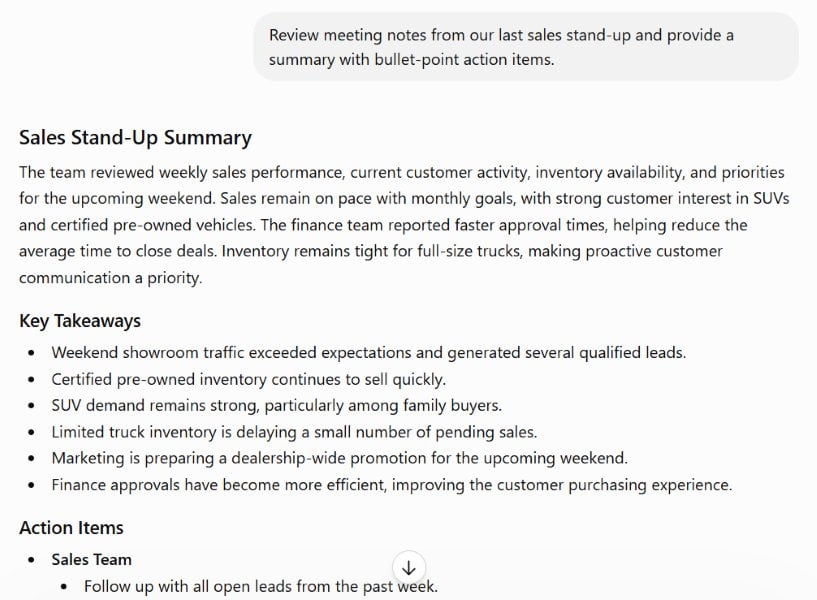
The efficient processing of meeting outcomes and call notes is crucial for maintaining project momentum. Without a clear system, these can quickly become unmanageable. Leveraging transcripts or detailed notes as source material, AI tools can generate concise recaps that highlight decisions, open questions, and action items, ensuring that valuable insights are captured while the conversation is still fresh. Tools such as Notion AI Meeting Notes are specifically designed for this purpose, integrating seamlessly into collaborative workflows.
3. Intelligent Sorting of Search Terms into Thematic Clusters
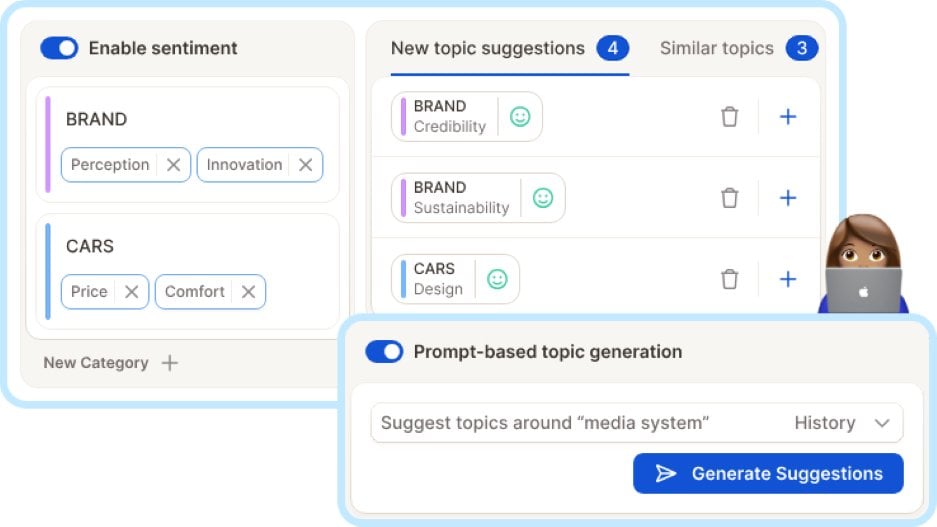
Raw search term reports can be overwhelming. The process of grouping these terms into meaningful themes—by intent, product area, or pain point—is essential for identifying negative keyword opportunities, optimizing ad groups, and uncovering content gaps. While this requires a defined logic, the execution can be automated. Google Ads’ Search Terms Insights feature provides a valuable starting point by automatically categorizing queries and attaching performance data.
4. Clustering Customer Feedback for Deeper Insights
Analyzing customer feedback from reviews, support chats, surveys, and open-text responses can reveal invaluable patterns. Manually sifting through this data to identify recurring friction points, feature requests, or objections is time-consuming. Platforms like Caplena are specifically built to analyze unstructured feedback at scale, enabling precise theme clustering, identification of delight and friction drivers, and data-backed decision-making.
5. Efficient Tagging and Routing of Inbound Leads
The effective management of inbound leads often falters due to fragmented processes and dispersed rules. By defining clear categories and implementing automated tagging and routing based on criteria such as source, urgency, segment, or assigned owner, lead handling can be significantly streamlined. Regular review of exceptions ensures accuracy. Zapier offers robust lead-routing automation capabilities, connecting forms, CRMs, and inboxes for rule-based workflows.
6. Streamlining CRM Updates Post-Sales Calls
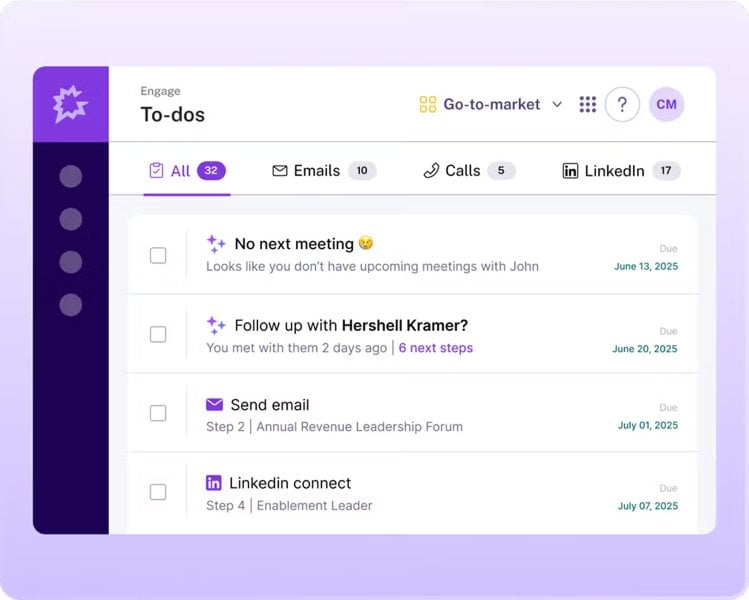
Maintaining accurate and up-to-date CRM notes is vital for effective sales and marketing alignment. Automating the drafting of structured summaries from call notes or transcripts—capturing key information on needs, status, objections, and next steps—enhances data quality and improves downstream handoffs. Gong, a leader in conversation intelligence, offers solutions that automate note-taking, call summaries, and CRM updates.
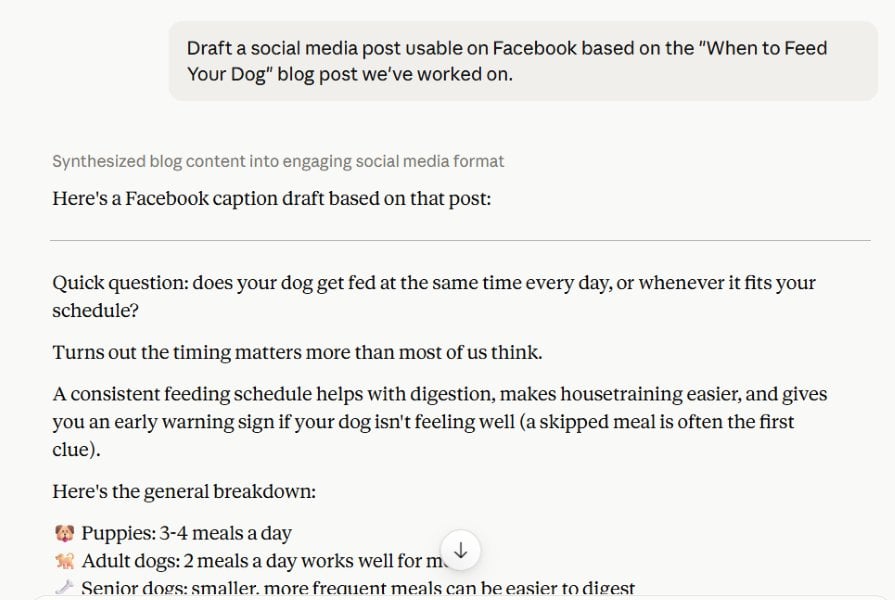
7. Accelerating Social Media Caption Drafts
The creation of social media captions, while seemingly minor, can consume significant incremental time. By using source assets and automating the generation of initial caption drafts tailored to different platforms, marketers can then focus on refining these options with their unique brand voice. LLMs such as Claude are particularly adept at creative writing tasks, providing a strong foundation for human polish.
8. Enhancing Content Repurposing Efficiency
A well-crafted blog post can serve as a valuable foundation for a variety of other content assets. Automating the process of repurposing existing long-form content into newsletter introductions, social media drafts, or sales follow-up materials streamlines content creation. Tools like Writer are designed for teams to produce on-brand assets at scale, making them ideal for this type of repurposing.
9. Generating Ad Copy Variations Swiftly
The iterative process of developing ad copy variations can be time-consuming, especially when aiming for multiple angles. By providing an audience, offer, and core problem, AI tools can generate numerous rough variations, allowing marketers to efficiently select and refine the most promising options. Jasper’s ad copy generator is purpose-built for producing multiple ad variations from concise briefs.
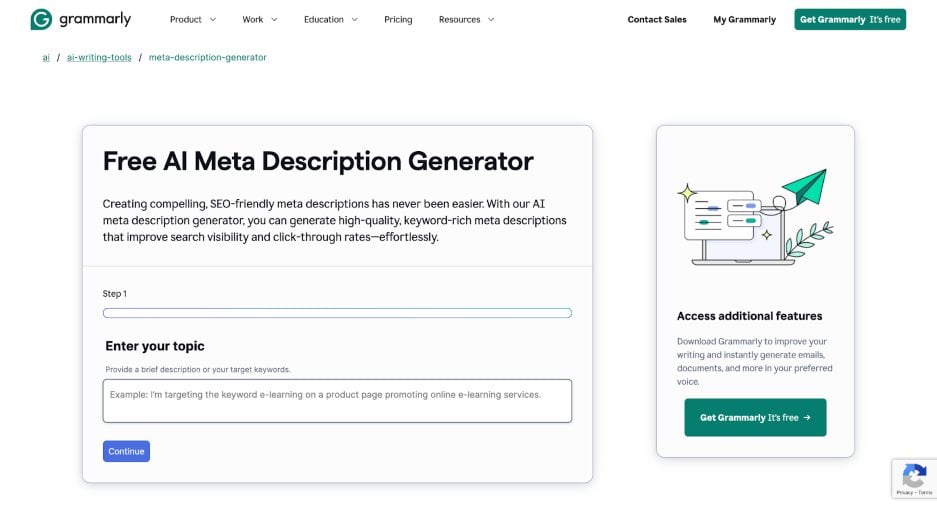
10. Automating Meta Title and Description Creation
The creation of meta titles and descriptions, while critical for SEO, can be a late-arriving task. By inputting the target keyword and a brief page summary, AI tools can generate multiple options, enabling marketers to select the most effective and compelling choices. Grammarly’s dedicated AI writing tools for meta descriptions offer a practical solution for this specific task.
11. Building Initial Content Briefs Efficiently
A robust content brief is foundational to effective content creation. Automating the generation of rough outlines based on topic, audience, and business goals, including potential subtopics and key questions, can significantly speed up the initial research and planning phase. Tools like Perplexity, which surfaces sources quickly, can be invaluable in this process before human editorial judgment is applied.
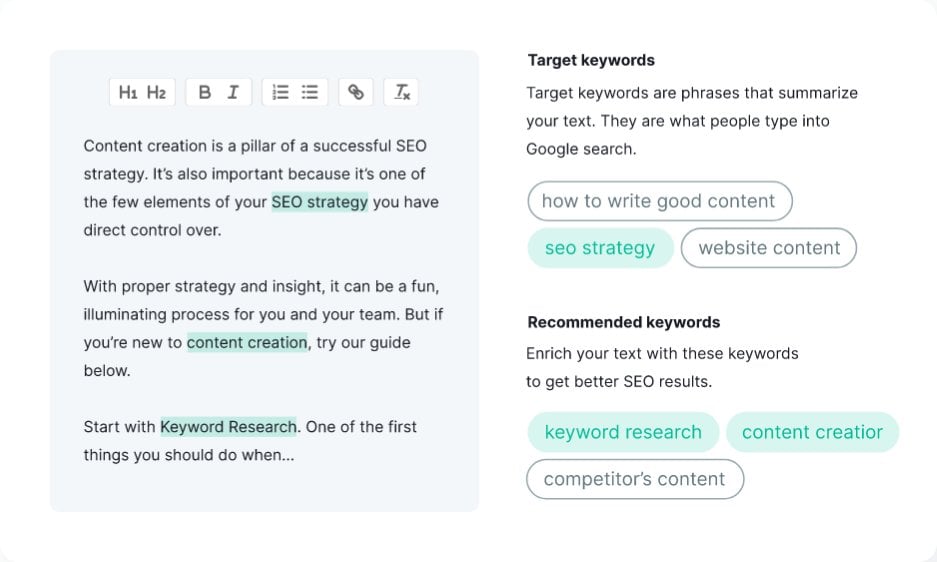
12. Optimizing Old Blog Posts with AI Suggestions
Refreshing older blog posts to improve their relevance and performance is a common practice. Instead of a complete rewrite, AI can analyze existing articles to identify areas for improvement, such as thin sections, outdated references, weak metadata, or missed optimization opportunities. The Semrush SEO Writing Assistant can evaluate copy during revisions, providing actionable suggestions.
13. Drafting FAQ Sections from Real Questions
Many FAQ sections are built on assumptions rather than actual customer inquiries. By analyzing real questions sourced from chats, sales calls, or search data, AI can generate initial Q&A starters. These can then be refined for clarity and conciseness, ensuring the FAQ section genuinely addresses customer needs. LLMs like Grok can rapidly transform source material into structured question-and-answer formats.
14. Repurposing Webinar Content into Assets
Webinars often contain a wealth of valuable information that can be transformed into other content formats. Working from transcripts or detailed notes, AI can extract key explanations and impactful moments, which can then be repurposed into rough follow-up assets for content and social media distribution. Descript, with its transcript-based editing capabilities, is particularly well-suited for repurposing recorded content.
15. Generating Nurture Email Variants
Email nurture flows rarely exist as a single, perfect version. By defining the target audience and the specific objective of each email, AI can generate multiple rough variants. Marketers can then focus on refining these for optimal pacing, voice, and clarity. HubSpot’s AI email writer integrates into broader marketing workflows, facilitating the creation of draft emails.
16. Compiling Internal Stakeholder Recaps
Stakeholders often require concise summaries of progress, issues, and decisions rather than exhaustive dashboards. Automating the process of transforming raw updates into organized reports, supplemented by human interpretation, ensures efficient communication. Microsoft Copilot can assist in generating short internal summaries from various Microsoft 365 documents and communications.
17. Snapshotting Competitor Messaging
Competitive analysis is crucial but can become tedious. By establishing a consistent framework for comparison, AI can assist in summarizing competitor messaging patterns related to headline approaches, offer framing, and call-to-action language. LLMs like Gemini, which provide linked sources for verification, are helpful for this research-intensive task.

The Indispensable Human Touch: Maintaining Quality and Strategy
It bears repeating that while automation offers immense potential, certain areas require unwavering human oversight. The rule of thumb remains: speed up supportive tasks, but hand off judgment with extreme caution. Strategy, final messaging, brand voice, factual accuracy, and compliance-sensitive claims must remain firmly within human control. The more public the output, the more critical that final human review becomes.
Strategic Automation: Focusing on Recurring, High-Impact Tasks
The most immediate and impactful efficiency gains often stem from automating tasks that recur consistently and are often overlooked for strategic re-evaluation. These are the tasks that, by virtue of their predictability, continuously siphon away valuable marketer time.
The path to reclaiming this time involves a strategic approach:
- Identify Repetitive Tasks: Begin by cataloging all recurring daily, weekly, and monthly marketing activities.
- Assess Automation Potential: For each identified task, evaluate its suitability for automation based on the criteria of repetitiveness, pattern recognition, and the need for original thought.
- Prioritize High-Volume, Low-Complexity Tasks: Start with tasks that consume significant time but require minimal complex decision-making.
- Select Appropriate Tools: Research and implement technologies that best address the identified automation opportunities.
- Implement and Refine: Deploy automated workflows and continuously monitor their performance, making adjustments as needed.
- Focus Human Effort on Strategy: Redirect the time and cognitive resources freed up by automation towards strategic planning, creative ideation, and complex problem-solving.
Most marketing teams do not require a complete overhaul. The key lies in removing the friction caused by manual, repetitive tasks that stand between insightful thinking and the execution of impactful marketing campaigns. By strategically embracing automation, marketers can reclaim their most valuable asset: time, and redirect it towards driving genuine business growth.