

Email marketing remains a cornerstone of digital communication, with marketers heavily reliant on their messages consistently reaching the intended inbox. The failure of communication to reach customers can trigger a cascading negative effect, impacting brand reputation, eroding customer loyalty, and significantly diminishing return on investment (ROI). Yet, for many, the intricate mechanics of email deliverability—distinct from mere email delivery—often remain shrouded in mystery.
Recent industry research underscores the critical importance of this challenge. Validity’s comprehensive 2026 Email Deliverability Benchmark Report revealed an 87.25% inbox placement rate, marking a notable 3.7% increase from the previous year. This positive shift is largely attributed to the introduction and enforcement of new bulk sender requirements by major mailbox providers, the implementation of new global privacy laws, and a growing emphasis on accessibility tactics within email design. While the landscape of email deliverability demands a nuanced understanding, concrete steps and advanced tools are readily available to demystify the process and enhance inbox placement. This article delves into the factors senders can control, the pivotal role of Email Service Providers (ESPs), and the ultimate decision-making power of mailbox providers, offering a comprehensive guide to navigating this complex terrain.
Unpacking the Enigma: What is Email Deliverability?
At its core, email deliverability refers to where an email lands after it has been successfully accepted by the recipient’s mail server. This critical distinction separates it from email delivery, which merely confirms that a message was accepted by the receiving server, regardless of whether it landed in the primary inbox, a ‘Promotions’ tab, or, more critically, the dreaded spam folder. A message can be "delivered" but effectively "unseen" if filtered into a non-primary folder or blocked entirely.
Email deliverability is a sophisticated metric that reflects how mailbox providers (MBPs) interpret a sender’s cumulative behavior, the engagement patterns of their audience, and the technical integrity of their sending infrastructure. This interpretation determines the ultimate inbox placement. The perceived mystery surrounding deliverability stems from the fact that much of this evaluation occurs behind the scenes, relying on complex algorithms that evolve over time. This "black box" feeling is exacerbated by several factors:
- Dynamic Algorithms: MBPs constantly update their filtering rules to combat evolving spam tactics, making it a moving target for legitimate senders.
- Sender Reputation: A sender’s reputation is built over time through consistent sending practices and subscriber interactions, making immediate fixes challenging.
- Lack of Transparency: MBPs rarely disclose their exact filtering criteria, forcing senders to infer best practices from observed outcomes and industry benchmarks.
The Evolving Landscape: Why Email Deliverability is More Challenging Than Ever
While the importance of email deliverability has long been recognized, the current digital environment presents new and heightened challenges. Investing significant time and resources into email campaigns that never reach their intended audience undermines trust, stifles ROI, and wastes valuable marketing budget. The email marketing ecosystem is in a perpetual state of flux, necessitating continuous adaptation to factors silently influencing program performance.
Several key trends are contributing to the increased complexity of email deliverability:
Inboxes Are Behaving Differently, and Some Are Getting Stricter
Mailbox providers worldwide are continually refining their filtering mechanisms to protect users from unwanted mail. These rules are not uniform; each MBP operates with its own proprietary logic. For instance, the Validity report highlights a stark contrast in inbox placement rates: Microsoft recorded 77.4% compared to Gmail’s 89.8%. Historically, changes at the MBP level have often led to dips in inbox placement. However, the recent enforcement of stringent bulk sender requirements by industry giants like Google and Yahoo has paradoxically led to an overall increase in inbox placement rates, by effectively penalizing consistently poor senders and rewarding compliant ones. Despite this positive trend, the challenge for marketers remains in understanding and adhering to a fragmented and ever-changing set of rules across various providers.
The Rise of AI in the Inbox
Artificial intelligence now plays a significant role in email filtering. Mailbox providers are deploying sophisticated AI models, rigorously trained on vast datasets of spam and phishing attempts, to enhance their detection capabilities. This means legitimate emails are subjected to an unprecedented level of scrutiny. Coupled with the emerging trend of imperfect, AI-generated email summaries that can misrepresent content, and a concurrent surge in AI-generated spam, the risk for legitimate senders is amplified. Such circumstances can lead to lower engagement rates and an increased likelihood of messages being flagged as spam, even when the content is benign and intended for opted-in subscribers.
Faster Email Production Could Create Volume Spikes
The relentless pursuit of efficiency in marketing operations is leading to faster email production cycles. The 2026 State of Email Report indicates that most email teams can now create and deploy a single marketing email within 1-3 days. While these efficiency gains are undeniably exciting, they introduce a new deliverability risk: sudden, dramatic changes in sending volume. Mailbox providers closely monitor sending patterns. Abrupt spikes in email volume can be perceived as anomalous or indicative of spamming behavior, even if the content and sender reputation are otherwise solid. This necessitates careful planning and execution to gradually scale sending volume, often requiring an IP warm-up strategy.
The Sender’s Sphere of Control: Best Practices Before Hitting Send
Email deliverability is not merely a post-send metric; it is meticulously built through consistent habits and strategic decisions made long before a campaign is deployed. Senders committed to long-term success and a robust sender reputation must proactively focus on several key areas:
Meticulous Email List Hygiene
Email list hygiene is an ongoing, multi-step process—akin to routine maintenance rather than a one-time task. Regular assessment and cleaning of email lists are paramount to ensure that communications are directed solely at real, engaged subscribers. This process involves identifying and removing outdated, invalid, or uninterested addresses, which can otherwise severely erode sender trust and reputation. Key practices include:

- Removing Hard Bounces: Immediately delete addresses that consistently result in permanent delivery failures.
- Identifying Inactive Subscribers: Implement re-engagement campaigns for subscribers who haven’t opened or clicked emails in a defined period, and consider removing those who remain unresponsive.
- Utilizing Spam Trap Detection: Avoid sending to spam traps, which are email addresses used by MBPs and anti-spam organizations to identify senders with poor list hygiene.
- Managing Unsubscribes: Process unsubscribe requests promptly and automatically to prevent complaints.
Cultivating Organic List Growth
The foundation of a healthy email program is an organically grown list. Senders are responsible for maintaining a vigilant watch over their subscriber base, regularly confirming that subscribers receive content aligning with their expectations. Practices for fostering organic growth and maintaining subscriber trust include:
- Clear Opt-in Processes: Employ double opt-in where subscribers confirm their subscription, ensuring explicit consent.
- Transparent Expectations: Clearly state what kind of content subscribers will receive and how frequently.
- Regular Preference Center Utilization: Offer subscribers the ability to manage their content preferences and frequency, reducing the likelihood of them marking emails as spam due to irrelevance or overwhelm.
Strategic Sending Volume and Frequency
Mailbox providers pay close attention to sending patterns. Sudden, uncharacteristic spikes in volume, inconsistent sending cadences, or over-mailing can trigger filtering mechanisms, even if the content itself remains unchanged and legitimate. Proactive planning is crucial for anticipated changes in sending volume, such as during peak seasons or product launches. A well-executed IP warm-up strategy, which involves gradually increasing sending volume over time, is invaluable for establishing and maintaining a positive sender reputation with MBPs.
Managing Subscriber Expectations
Consistency is key to managing subscriber expectations. If a weekly newsletter was promised, a weekly newsletter should be delivered. If subscribers opted in for product updates, their inboxes should not be flooded with unrelated blog posts. Subject lines, message structure, and the overall value proposition must align precisely with what subscribers anticipated based on their opt-in reason.
A highly effective tool for managing and catering to diverse subscriber expectations is a comprehensive preference center. Empowering subscribers to choose what content they receive and when they receive it provides them with control, significantly reducing the temptation to mark unwanted emails as spam.
Prioritizing Engagement Signals
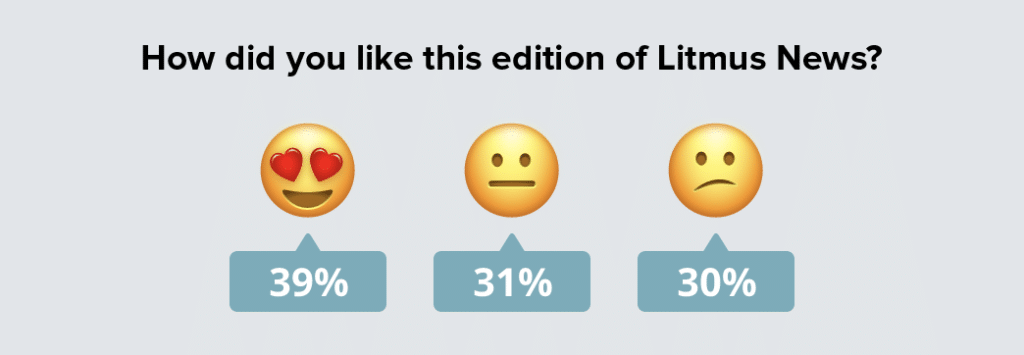
Focusing on the quality of interactions over sheer quantity is vital. Engagement metrics serve as early warning signals of audience sentiment. Incorporating interactive elements, such as polls within newsletters, can directly solicit community feedback on specific topics, providing invaluable insights into content resonance.
Key engagement and deliverability metrics to track include:
- Open Rate: Indicates initial interest in the subject line and sender.
- Click-Through Rate (CTR): Measures engagement with content and calls to action.
- Conversion Rate: Reflects the effectiveness of the email in driving desired actions.
- Complaint Rate: A critical indicator; high rates signal negative subscriber sentiment and harm reputation.
- Bounce Rate (Hard and Soft): High rates indicate issues with list quality or temporary delivery problems.
- Unsubscribe Rate: While natural, a sudden spike can signal content misalignment or excessive frequency.
Optimizing Design and Accessibility
If subscribers struggle to view or interact with emails, engagement inevitably plummets, leading to frustration and potential spam reports. Email design and accessibility are directly linked to a subscriber’s ability to read, click, and comprehend messages.
Key design and accessibility considerations include:
- Responsive Design: Ensuring emails render correctly across all devices (desktops, tablets, mobile phones).
- Clear Calls to Action (CTAs): Making buttons and links easy to identify and click.
- Adequate Color Contrast: Ensuring text is legible against background colors for all users.
- Alt Text for Images: Providing descriptive text for images for those with images blocked or using screen readers.
- Logical Content Structure: Using headings, short paragraphs, and bullet points for easy scanning.
- Pre-Send Testing: Using tools to check for broken links, missing images, and rendering issues across various email clients before deployment.
The Essential Partnership: The Role of Email Service Providers (ESPs) in Deliverability
While a sender’s strategic actions form the bedrock of deliverability, the Email Service Provider (ESP) constitutes the next critical layer. ESPs provide the fundamental infrastructure necessary to send emails reliably and at scale. Though they do not directly control how mailbox providers ultimately place messages, their underlying systems and practices play a significant indirect role.
Sending Infrastructure and IP Management
ESPs are responsible for the complex technical "plumbing" of email sending. For senders utilizing shared IP addresses, a reputable ESP will diligently monitor the sending behavior of all users on that IP pool. They take swift action against any "bad actors" whose practices might jeopardize the collective reputation of the shared IP. Both the IP address and domain reputation collaboratively influence inbox placement, highlighting the inextricable link between infrastructure choices and sending behavior.
Robust Authentication Support
Most ESPs offer comprehensive support for vital email authentication protocols such as SPF (Sender Policy Framework), DKIM (DomainKeys Identified Mail), and DMARC (Domain-based Message Authentication, Reporting & Conformance). These protocols enable mailbox providers to verify the legitimacy of incoming emails, confirming that they originate from the declared sender and have not been tampered with in transit. Proper authentication is foundational for building trust with MBPs.
Basic Reputation and Blocklist Monitoring
ESPs typically maintain ongoing surveillance of their IP reputation and monitor major blocklists. This proactive approach minimizes the chances of widespread blocking and ensures that clients are promptly alerted should any reputation issues arise.
Compliance and Abuse Safeguards
Given the dynamic nature of spam laws and regulations globally (e.g., GDPR, CCPA, CAN-SPAM), ESPs usually manage baseline compliance requirements. They also enforce strict anti-spam policies within their platforms to safeguard the integrity of their entire sending environment.
Deliverability Questions and Best Practices to Maximize ESP Value
Given that sender reputation is constantly on the line, marketers must have absolute clarity regarding the level of support and visibility their ESP provides. Instead of attempting a holistic evaluation, focus on questions that illuminate key aspects of their deliverability support:
| Question | Why it matters | What to look for |
|---|---|---|
| How do you monitor IP address and domain reputation? | Reputation profoundly influences inbox placement, particularly on shared infrastructure. | Ongoing, real-time monitoring with proactive alerts, not just retrospective reports after issues have escalated. |
| What happens if another sender on my shared IP causes problems? | Shared reputation can negatively affect your deliverability even if you adhere to best practices. | Clear enforcement policies, mechanisms for isolating problematic senders, and transparent communication regarding actions taken. |
| How are spam complaints tracked and reported? | Even marginal increases in complaint rates can significantly impact inbox placement and sender reputation. | Near-real-time reporting with defined thresholds and actionable guidance when complaint rates begin to rise. |
| What visibility do I have into inbox vs. spam placement? | Delivery metrics alone do not reveal the crucial detail of where emails actually land. | Provider-level insights or integrations that offer data beyond basic delivery and bounce metrics. |
| How do you support authentication (SPF, DKIM, DMARC)? | Authentication is a fundamental pillar for establishing trust and ensuring email security. | Comprehensive setup guidance coupled with ongoing monitoring for any misconfigurations or deviations. |
| What happens if my sending volume or cadence changes suddenly? | Sudden volume spikes are a frequent trigger for aggressive filtering by mailbox providers. | Clear ramp-up guidance and dedicated monitoring support during periods of planned sending volume changes. |
| Do you support ESP or infrastructure migrations? | Transitions between ESPs or changes in infrastructure represent high-risk moments for deliverability. | Structured migration plans, robust IP warm-up support, and thorough post-migration monitoring. |
| How will I know if deliverability starts to decline? | Early detection is crucial for preventing minor issues from escalating into major problems. | Proactive alerts linked to reputation metrics, complaint rates, or inbox placement shifts. |
The Final Frontier: What Happens After You Hit Send
Once an email leaves the ESP’s infrastructure, it enters the domain of the mailbox providers, where the ultimate inbox placement decisions are made. This phase is often where deliverability feels most abstract and bewildering for senders. From a sender’s perspective, outcomes can appear sudden and arbitrary. However, MBPs are not reacting to intent or effort; rather, they are responding to established patterns and historical data. They do not "care" about the effort invested in a campaign or the sender’s good intentions. Their algorithms are purely reactive, processing behavioral and engagement data at scale. A sender with excellent intentions but poor list hygiene will be treated identically to a malicious actor exhibiting similar negative signals.
How Mailbox Providers Evaluate Your Email
Mailbox providers do not evaluate each email in isolation. Instead, they analyze a sender’s broader sending behavior and recent engagement history to predict future outcomes. They continuously ask questions such as:
- Is this sender generally trusted? (Based on reputation scores, authentication, blocklist status)
- Do recipients typically open and interact with this sender’s emails? (Engagement metrics)
- Do recipients mark this sender’s emails as spam or move them to other folders? (Negative feedback)
- Has this sender recently changed their sending patterns significantly? (Volume, frequency, content type)
- Is this email adhering to all technical standards and authentication protocols?
This pattern-based evaluation explains why inbox placement changes are rarely attributable to a single campaign. They are almost always tied to trends that have been quietly developing over time.
The Same Email Can Have Different Outcomes
One of the most frustrating aspects of deliverability is the variability of outcomes for identical emails across different inboxes. Gmail, Microsoft, Yahoo, Apple, and other providers each apply their unique filtering logic and thresholds. Validity’s 2026 Email Deliverability Benchmark Report vividly illustrates these disparities, showing significant differences in inbox, spam, and missing percentages across major providers:
| Mailbox Provider | Market Share | Inbox % | Spam % | Missing % |
|---|---|---|---|---|
| Gmail | 42.9% | 89.8% | 6.4% | 3.8% |
| Microsoft | 14.4% | 77.4% | 15.1% | 7.5% |
| Yahoo | 15.7% | 87.3% | 6.4% | 6.3% |
| Apple | 3.6% | 82% | 10.8% | 7.2% |
Furthermore, regional differences can also influence placement. For example, Yahoo’s inbox placement rate in France may vary significantly from India, partly due to stricter international privacy laws requiring explicit opt-in, which can mean more lenient mailboxes carry less weight in overall averages.
The Inherent Risk of Change
While most deliverability issues develop gradually, certain actions can trigger an immediate and pronounced reaction from mailbox providers:
- Sending to a significantly larger list than usual.
- Sending after a long period of inactivity.
- Acquiring a new, unverified email list.
- Sudden, dramatic increases in sending volume or frequency.
- Changes to IP addresses or sending domains without proper warm-up.
Understanding what MBPs monitor allows senders to manage these transitions with extreme care. It is equally important to recognize that recovery from significant deliverability setbacks can be a slow and opaque process. MBPs require a sustained pattern of improved signals before they adjust their filtering, which can be frustrating for senders seeking quick fixes.
Strategic Measurement and Enhancement: Tools for Deliverability Excellence
Once an email is dispatched, deliverability tools become indispensable, moving teams beyond mere guesswork by providing crucial insights into:
- Inbox Placement: Where emails actually land across various MBPs and tabs.
- Blocklist Status: Monitoring if the sender’s IPs or domains appear on major blocklists.
- Authentication Issues: Detecting problems with SPF, DKIM, or DMARC.
- Rendering Across Clients: How emails appear on different devices and email clients.
- Engagement Trends: Granular data on opens, clicks, and complaints by provider.
This contextual data helps connect outcomes back to earlier patterns, such as shifts in sending volume, audience composition, or engagement levels.
Free Tool Option: Sender Score
Sender Score, offered by Validity, provides a rapid, high-level snapshot of a sender’s reputation, indicating how mailbox providers are likely to perceive their IP address. It serves as an excellent starting point for identifying obvious reputation issues or confirming if sending behavior falls within an acceptable range. With Sender Score, marketers can:
- Check their IP reputation: Get a score from 0-100, where higher is better.
- Understand influencing factors: See which elements are contributing positively or negatively to their score.
- Compare against benchmarks: Gauge their performance relative to industry averages.
Paid AI-Powered Platform: Validity Engage
For advanced, proactive deliverability management, platforms like Validity Engage offer sophisticated capabilities. Built on Validity’s vast data network, Engage helps marketers see precisely where their campaigns land across various providers, IPs, and domains, enabling them to diagnose and rectify deliverability problems before they impact revenue. With Engage, users can:
- Monitor real-time inbox placement: Gain granular visibility into where emails land.
- Identify potential blocklist issues: Receive alerts for proactive mitigation.
- Test email rendering: Ensure flawless display across hundreds of clients and devices.
- Leverage AI for content optimization: Receive recommendations to improve engagement and avoid filters.
- Analyze sender reputation across multiple factors: Get a holistic view of their sending health.
A Holistic Approach: How to Boost Your Email Deliverability From Start to Finish
Achieving and maintaining high email deliverability is not a one-time checklist but an ongoing sequence of strategic actions. It requires treating deliverability maintenance as a continuous process:
-
Clean Your Lists Continuously: Begin with the foundational element: your audience. Regularly removing inactive, invalid, or risky addresses reduces noise and safeguards sender reputation. Integrate this as a quarterly or even monthly habit. Advanced data hygiene and quality tools can help clean and standardize contact data at the point of entry or pre-send, minimizing bounces and protecting deliverability.
-
Validate Before You Send: Add an additional layer of protection by validating addresses, especially at the point of signup or before large deployments. This helps catch typos, disposable emails, and potentially risky domains early, preventing them from harming your reputation.
-
Segment Intentionally: Recognize that not every subscriber needs every email. Implement robust segmentation strategies based on engagement levels, stated preferences, or lifecycle stage. This ensures messages remain relevant and expected, which is crucial for engagement and avoiding spam complaints. ESPs facilitate segmentation, but the strategic decisions about who receives what fall to the sender.
-
Set and Respect Unsubscribe Expectations: A clear, user-friendly unsubscribe process is vital for protecting engagement and trust. If subscribers cannot easily opt-out, they are far more likely to mark messages as spam. While your ESP handles the technical mechanics, it is your responsibility to:
- Ensure the unsubscribe link is prominent and functional.
- Offer a preference center as an alternative to full unsubscribe.
- Process unsubscribe requests immediately.
-
Authenticate and Monitor: Authentication protocols like SPF, DKIM, and DMARC are non-negotiable for verifying email legitimacy. Most ESPs support these, but they require proper initial setup, ongoing monitoring, and periodic maintenance. While authentication alone doesn’t guarantee inbox placement, ignoring it almost certainly guarantees deliverability problems.
-
Test Before Sending: Prioritize pre-send testing for all controllable elements: links, images, accessibility, and rendering across various devices and inboxes. Pre-send testing tools help catch critical issues that could frustrate subscribers and silently damage engagement once campaigns are live.
-
Watch Results by Mailbox Provider: Post-send analysis should extend beyond aggregated delivery rates. Track performance granularly by mailbox provider (Gmail, Microsoft, Yahoo, etc.) to understand specific responses to your campaigns. This helps pinpoint where issues might be originating and prevents overcorrecting based on incomplete data.
Bringing It All Together
Email deliverability can indeed feel like a complex mystery, particularly with the ever-changing criteria of mailbox providers and their varying inbox placement rates. However, the most effective way to unravel this mystery is through diligent investigation and a proactive understanding of every element within your control. Between strategic planning and leveraging powerful tools, marketers possess significant influence over their deliverability outcomes.
From meticulously managing sending volume and crafting accessible emails to understanding the intricacies of your ESP’s support and utilizing advanced tools like Validity Engage for address validation and comprehensive email testing, a holistic approach is key. While mailbox providers ultimately make the final inbox placement decisions, a deep understanding of the signals they evaluate makes deliverability far more predictable and manageable. By adopting these best practices, email marketers can transform uncertainty into strategic advantage, ensuring their messages consistently reach the inbox and drive meaningful results.








