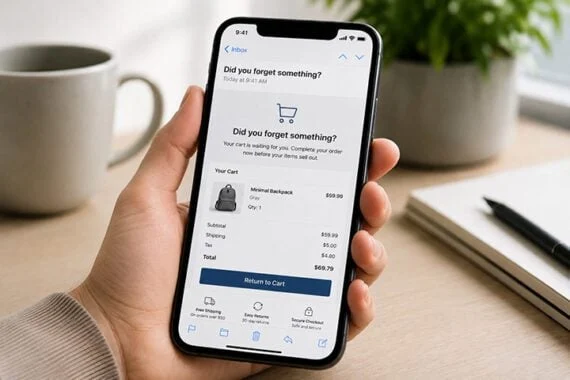
For decades, the specter of the abandoned shopping cart has loomed large over e-commerce, a persistent drain on potential revenue. While the fundamental challenge remains, the strategies to combat it are evolving. Effective cart abandonment emails and text messages are no longer mere digital nudges; they are sophisticated tools employing product specifics, reassurance, and tailored incentives to re-engage shoppers and bridge the gap between hesitation and purchase. This evolution is driven by a deeper understanding of the myriad reasons why customers leave items behind and the necessity for more dynamic, intelligent recovery approaches.
The Lingering Obstacles to Conversion
At its core, the challenge of cart abandonment lies in the inherent anonymity of the digital checkout process. E-commerce platforms meticulously record which products are left behind, but the crucial "why" remains largely elusive. This data gap forces most existing cart recovery programs to operate on a fixed sequence of automated messages, unable to differentiate between the diverse concerns that lead to an abandoned cart. These obstacles can broadly be categorized into several key areas:
- Unforeseen Costs: A significant percentage of abandonments stem from unexpected expenses that appear at the final stage of checkout. High shipping fees, taxes, or additional service charges can quickly erode a shopper’s initial perceived value of the purchase. For many consumers, these costs are deal-breakers, especially if they were not clearly communicated earlier in the browsing or selection process.
- Technical Glitches and Usability Issues: A clunky website, slow loading times, complicated checkout forms, or errors during the payment process can frustrate even the most determined buyer. If a customer encounters a technical hurdle, their patience often wears thin, leading them to abandon the cart rather than struggle with a flawed system. This can also include a lack of preferred payment options or a perceived lack of security.
- Comparison Shopping and Price Sensitivity: In the hyper-competitive online marketplace, shoppers frequently use their carts as a temporary holding space for items they are considering across multiple retailers. They may leave a cart to compare prices, look for discount codes, or simply to take a mental break and reconsider their purchase. For price-sensitive consumers, finding a better deal elsewhere is a primary motivator for abandoning a cart.
- Uncertainty and Lack of Information: Shoppers might abandon a cart due to a lack of confidence in the product, the brand, or the purchasing process itself. This can include concerns about return policies, warranty information, product sizing or compatibility, or even a general feeling that they need more time to make a decision. The absence of clear, readily available answers can lead to buyer’s remorse before a purchase is even made.
- Distractions and Changes in Intent: Life happens. A shopper might be interrupted by a phone call, a family member, or simply get distracted by another task. In some cases, the initial intent to purchase may wane as time passes, or they may decide they no longer need the item.
Evolving Recovery Tactics: Beyond the Generic Reminder
Given the multifaceted nature of these obstacles, the most effective cart recovery messages employ a range of corresponding tactics designed to address potential customer concerns directly. While each tactic can contribute to recovering a sale, it’s crucial to recognize that no single approach is a universal panacea for every abandoned cart scenario.
- Product-Centric Reminders: These messages go beyond simply listing the items. They often include high-quality product images, brief descriptions highlighting key features and benefits, and direct links back to the product pages. This visual and informational reinforcement helps shoppers recall the appeal of the items they left behind.
- Incentive-Based Offers: Discounts, free shipping, or bundled deals are powerful motivators. These offers can be particularly effective for price-sensitive shoppers or those who may have been on the fence. The key is to deploy these strategically, often as a second or third touchpoint, to avoid devaluing products or setting an expectation of constant discounts.
- Reassurance and Trust-Building: Messages that address common concerns can significantly boost confidence. This might involve highlighting a generous return policy, emphasizing secure payment processing, showcasing positive customer reviews, or offering direct access to customer support for questions. Building trust is paramount in overcoming hesitation.
- Urgency and Scarcity: Limited-time offers or notifications about low stock levels can create a sense of urgency, prompting immediate action. However, these tactics should be used ethically and sparingly to avoid misleading customers.
- Personalization and Segmentation: Advanced recovery programs move beyond generic messages by segmenting audiences based on their browsing history, cart value, or past purchase behavior. This allows for more personalized communication, such as recommending complementary products or referencing specific past interactions.
The Untapped Opportunity in Cart Abandonment
The sheer scale of cart abandonment underscores the immense opportunity that lies within optimizing recovery strategies. According to the Baymard Institute, an alarming approximately 70% of e-commerce shopping carts never result in a completed purchase. This translates to billions of dollars in lost revenue annually, making cart recovery an indispensable component of any successful online retail operation. The widespread recognition of this issue has led the vast majority of e-commerce marketers to implement some form of automated recovery sequences.
Email marketing remains the foundational channel for cart recovery. Data from Ringly indicates that abandoned cart emails achieve an average open rate of 50.5% and a conversion rate of 10.7%. While these figures are significant, emerging channels like SMS and direct phone outreach are demonstrating even greater potential for engagement and recovery. The immediacy and personal nature of text messages, for instance, can often cut through the clutter of inboxes, leading to higher open rates and quicker responses.
The Limitations of Fixed Sequences
For many years, the dominant approach to cart recovery has been the implementation of fixed, predefined automation sequences. These systems operate on triggers and branches, allowing merchants to set delays, craft messages, and establish conditions for offering incentives. While this approach offers a degree of manageability and is relatively straightforward to set up, it comes with inherent limitations, particularly for businesses with extensive product catalogs.
The core issue with fixed sequences is their inability to adapt to the nuanced reasons behind each individual’s cart abandonment. A large product catalog can encompass items with vastly different profit margins, varying consideration periods for customers, and a wide spectrum of potential customer concerns. A single, rigid sequence is ill-equipped to address these diverse scenarios.
Furthermore, fixed sequences often make broad, sweeping assumptions about customer intent. For example, a sequence might automatically offer a discount to a shopper who had every intention of returning to complete their purchase without one, thereby unnecessarily eroding profit margins. Conversely, it might focus on product features for a customer whose primary concern was unexpectedly high shipping costs. This lack of granular understanding means that recovery efforts can be misdirected, leading to wasted resources and missed opportunities.
Ultimately, e-commerce marketers seeking to significantly improve cart conversions and recovery face a critical juncture: either invest heavily in manual optimization of their existing sequences or embrace the power of artificial intelligence for dynamic decision-making.
The Path to Optimization: Manual Refinement
For businesses opting for a manual optimization approach, the focus shifts to meticulous analysis and iterative improvement across several key areas:
- Message Content and Personalization: This involves crafting compelling copy that resonates with specific customer segments. It means going beyond generic templates and incorporating personalized elements, such as referencing the specific items in the cart, using the customer’s name, and tailoring the tone and messaging to align with the brand’s voice and the perceived customer profile. A/B testing different subject lines, call-to-action buttons, and message formats is crucial here.
- Offer Strategy and Timing: Determining the right incentive, at the right time, and for the right customer is an art and a science. This involves analyzing product margins to ensure discounts are profitable, understanding customer price sensitivity, and strategically timing the delivery of offers to maximize impact without devaluing products. For instance, offering a discount too early might deter a customer who would have purchased at full price.
- Channel Selection and Sequencing: Deciding which communication channels to use (email, SMS, push notifications, etc.) and in what order is critical. A well-designed sequence might start with a simple reminder email, followed by an SMS with a discount for a second touchpoint, and potentially a more personalized email with product recommendations for a third. Understanding the engagement patterns of different channels for the target audience is key.
- Segmentation and Targeting: Not all abandoned carts are created equal. Manually segmenting customers based on factors like cart value, customer lifetime value, past purchase history, or browsing behavior allows for more tailored and effective recovery strategies. High-value carts or repeat customers might warrant a more personalized and potentially higher-value incentive than a first-time browser.
Manual optimization necessitates robust measurement and analytics. Revenue per recipient is a vital metric, quantifying the actual value generated by each recovery sequence. Equally important is the use of control groups – segments of customers who do not receive abandonment messages. By comparing the conversion rates of those who receive outreach versus those who do not, marketers can accurately determine whether their recovery efforts are generating incremental sales or simply capturing sales that would have occurred organically. This rigorous measurement allows for data-driven adjustments and ensures that optimization efforts are genuinely impactful.
The Rise of AI Decisioning in Cart Recovery
A more advanced and increasingly prevalent recovery option is what customer engagement platforms are terming "AI decisioning." This sophisticated approach leverages artificial intelligence to move beyond rigid, pre-programmed sequences and embrace dynamic, individualized recovery strategies.
In an AI decisioning system, the merchant still defines the overarching strategy and provides the "building blocks" of recovery. This includes creating a library of approved recovery tactics – such as reminders, product reassurance messages, free shipping offers, or various discount tiers. Crucially, the merchant also establishes critical parameters and guardrails, including acceptable margin limits, maximum message frequency per customer, and eligibility criteria for specific promotions.
The AI then takes on the role of the intelligent orchestrator. It continuously evaluates a multitude of customer and cart signals in real-time. These signals can encompass a broad spectrum of data points, including:
- Cart Value: Higher value carts might warrant different or more aggressive recovery tactics.
- Product Type: Certain product categories might have different price sensitivities or require more detailed information.
- Purchase History: Returning customers with a strong purchase history might be treated differently than first-time shoppers.
- Behavioral Data: The AI can analyze the shopper’s actions leading up to abandonment, such as the number of page views, time spent on site, or interactions with specific features.
- Time Since Abandonment: The urgency and type of message can be adjusted based on how recently the cart was abandoned.
Based on this comprehensive analysis, the AI selects the most appropriate message, offer, and timing for each individual shopper, with the primary objective of producing the merchant’s predefined outcome (e.g., completing the purchase).
This approach fundamentally differs from conventional email automation. Fixed sequences execute a merchant’s pre-written instructions without deviation. AI decisioning, on the other hand, dynamically evaluates the merchant’s available choices for each individual shopper and continuously learns from the resulting outcomes. It analyzes which messages were opened, which offers were redeemed, which carts were ultimately abandoned, and which led to successful purchases. This feedback loop allows the AI model to refine its decision-making over time, becoming increasingly adept at predicting and influencing customer behavior.
While an AI model may not inherently know the precise, stated reason a shopper left a cart, it can make highly informed attempts to recover the sale by identifying patterns and applying tactics that have historically proven most effective for similar shoppers in analogous situations. This data-driven, adaptive approach represents a significant leap forward in maximizing cart recovery rates.
The Future of Cart Recovery: Intelligent Engagement
The ongoing evolution of e-commerce necessitates that cart abandonment automations transcend simple reminders of forgotten items. Whether marketers choose to meticulously optimize their existing sequences through manual effort or embrace the sophisticated capabilities of AI decisioning, the overarching goal remains consistent: to identify the most probable obstacle preventing a conversion and to intelligently remove it.
The future of cart recovery lies in intelligent, personalized engagement that anticipates customer needs, addresses their concerns proactively, and guides them seamlessly through the purchasing journey. By moving beyond generic, one-size-fits-all approaches and embracing data-driven, adaptive strategies, e-commerce businesses can unlock the significant revenue potential currently being lost to the silent specter of the abandoned cart. This strategic shift not only boosts immediate sales but also fosters stronger customer relationships built on understanding and responsiveness, ultimately contributing to long-term brand loyalty and sustained growth in the competitive digital marketplace.