

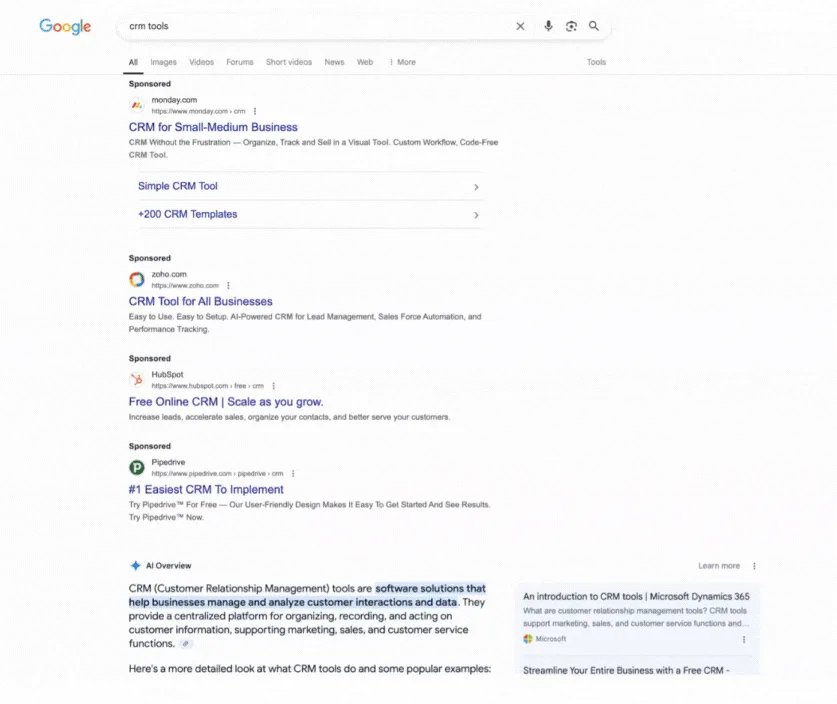
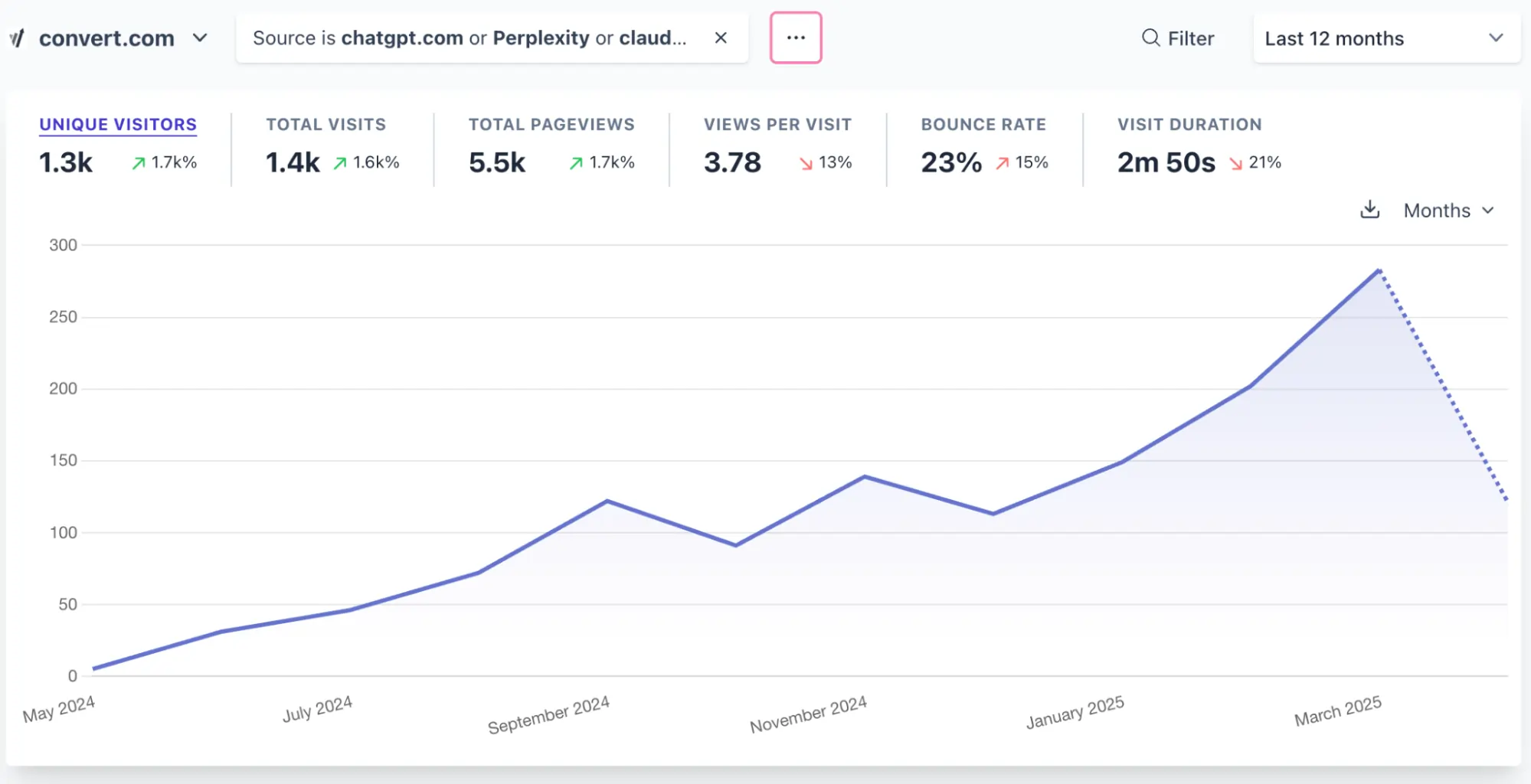
AI search optimization, often referred to as AISO or Generative Engine Optimization, has emerged as a critical frontier in digital marketing, representing a fundamental shift in how information is indexed, retrieved, and presented to users. Unlike traditional search engine optimization, which focuses on aligning content with Google’s ranking algorithms to secure a position on a list of links, AISO is the practice of making content extractable by large language models and embedding brand signals across the diverse sources these models utilize. As generative AI platforms like ChatGPT, Claude, Gemini, and Perplexity increasingly function as primary discovery tools, the industry is witnessing a transition from "link-based" discovery to "answer-based" discovery. This evolution is driven by a staggering 2200% increase in referral traffic from AI sources reported in 2024, signaling that the era of optimizing exclusively for traditional search engines has concluded.

The Shift from Keywords to Conversational Intelligence
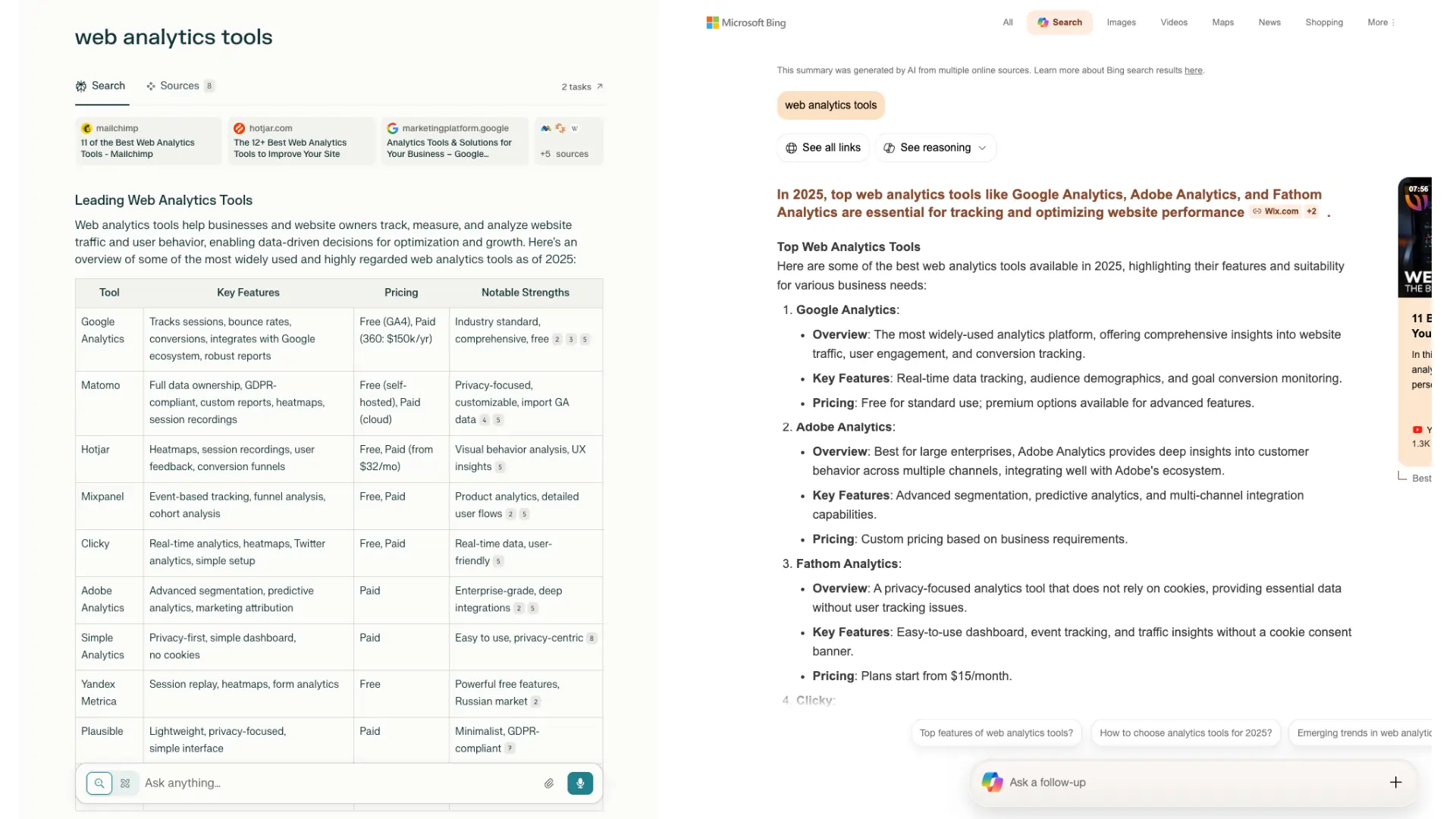
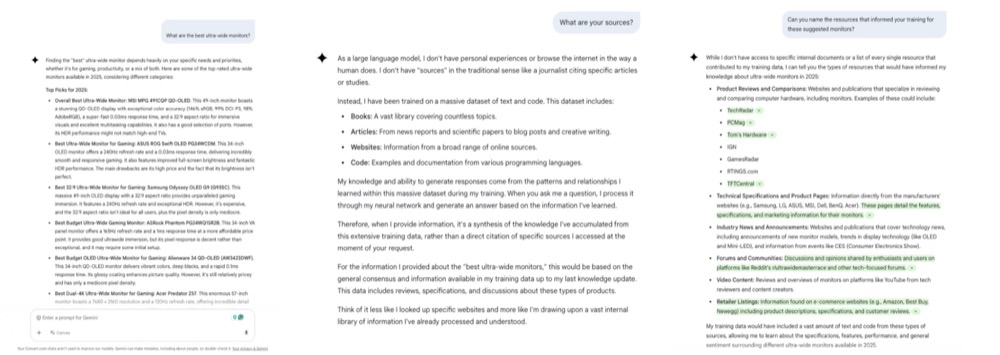
The rise of generative AI search engines has altered the landscape of online discovery by introducing platforms that do not merely return a list of websites but instead synthesize information into direct, conversational responses. Industry data indicates that large language models are becoming the new gatekeepers of the buyer journey. While traditional engines like Google and Bing rely on complex ranking algorithms to sort the web, AI search tools blend vast amounts of pre-trained data with real-time web scraping to produce summaries, recommendations, and comparative analyses.
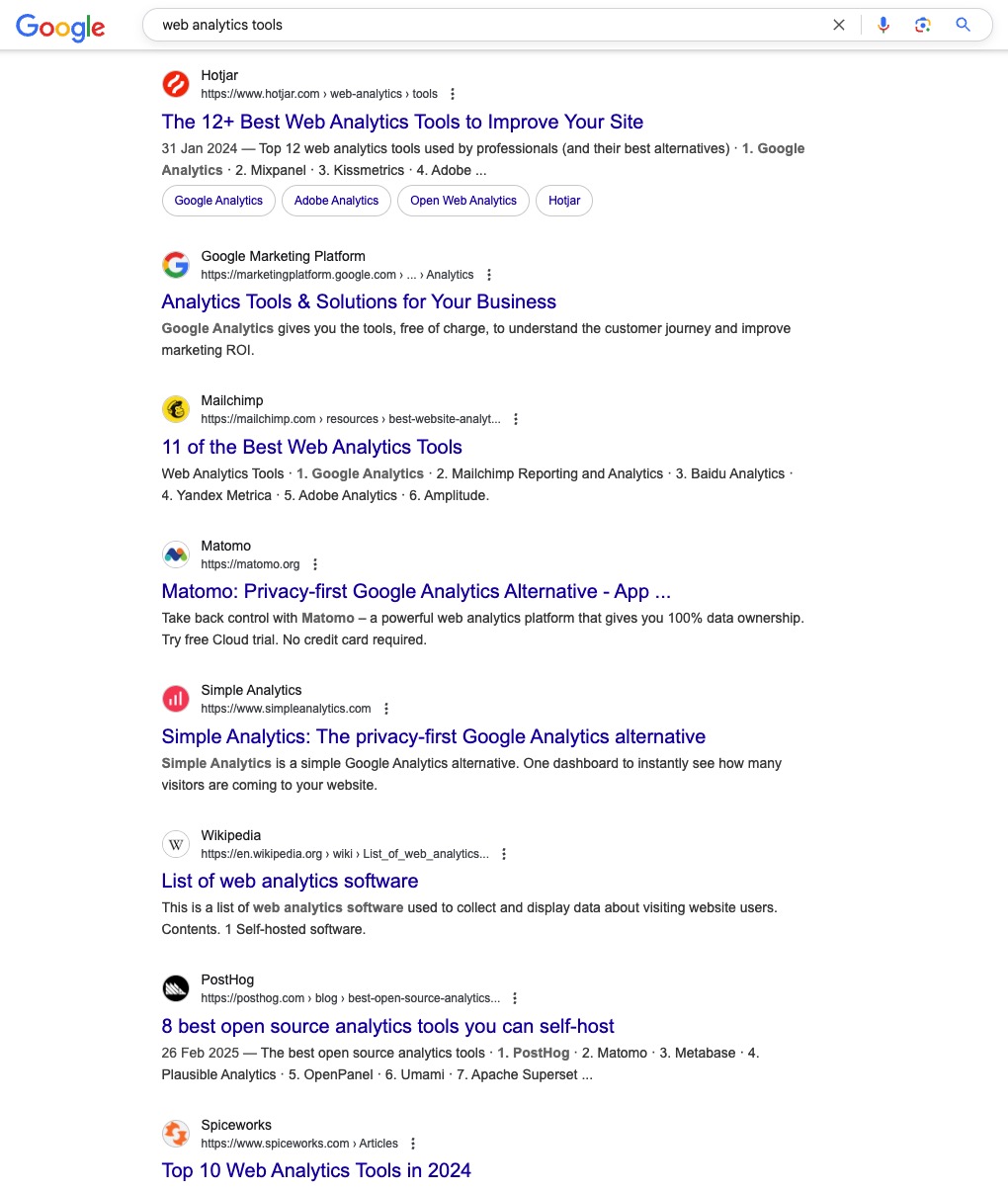
A key distinction in this new paradigm is the mechanism of discovery. Traditional search relies on statistical relevance to a keyword, whereas AI search relies on the clarity of information, contextual mentions, and what is known as "statistical probability." In this environment, a website that does not rank on the first page of Google may still be cited as a primary source by ChatGPT if its content is structured in a way that the model deems highly extractable and authoritative within a specific topical cluster.
Technical Mechanics of Generative Search Engines
To understand the necessity of AISO, it is essential to analyze the internal mechanics of how these platforms operate. Recent reverse-engineering investigations, such as those conducted by Resoneo in early 2026, have mapped the pipeline of AI search. These systems often utilize a "Sonic Classifier," which determines whether a user’s query requires fresh data from the live web or can be answered using the model’s internal training data.
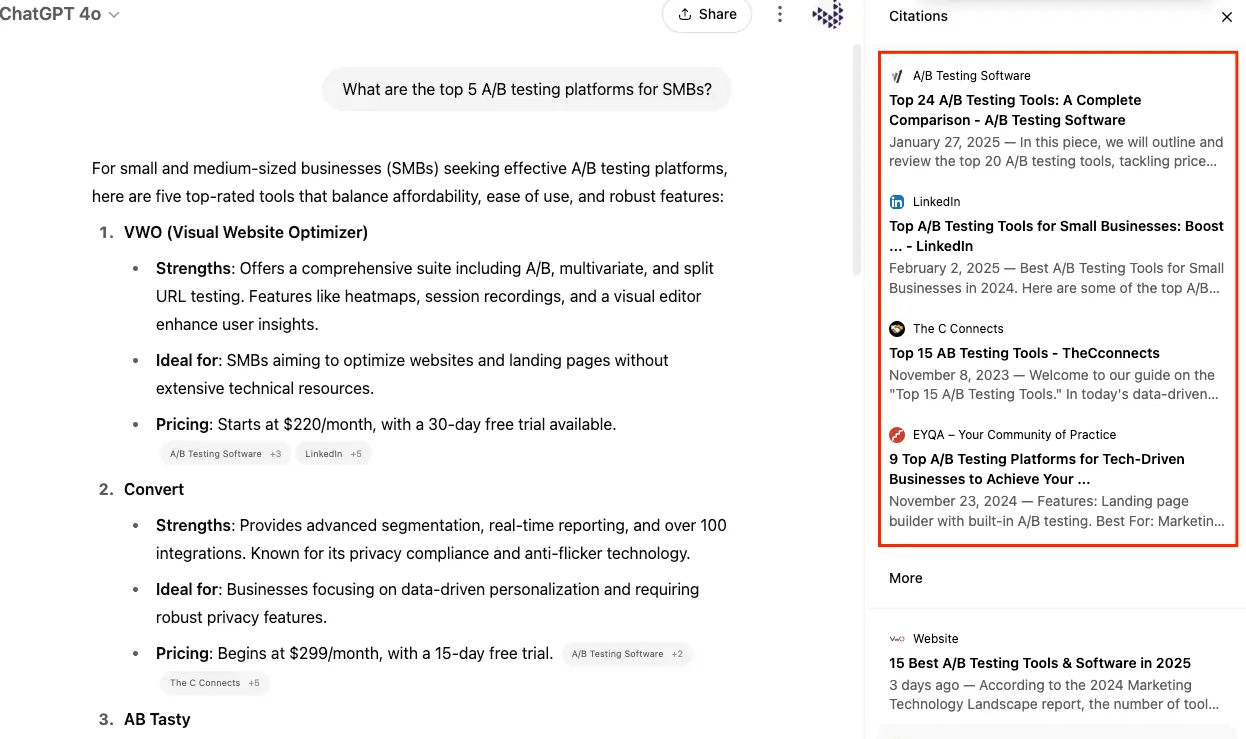
Furthermore, AI search engines utilize a process called "fan-out" sub-queries. When a user enters a prompt, the AI may break that single request into as many as 20 parallel web queries to gather a comprehensive view of the topic. This behavior explains why topical authority has become more important than single-page ranking. Research from Ahrefs in 2026 revealed that only 38% of AI Overview citations rank in the top 10 for the original query, meaning that AI is pulling from a much broader "topical footprint" than traditional search.
Another advanced technical component is the use of vector embeddings. AI models perceive text as mathematical coordinates on a multidimensional map. Content that is semantically close to the user’s intent is more likely to be retrieved. By moving from keyword matching to "idea matching," AISO requires marketers to ensure their content’s numerical "vector" aligns with the natural language patterns of their target audience.

Impact on Search Traffic and Click-Through Rates
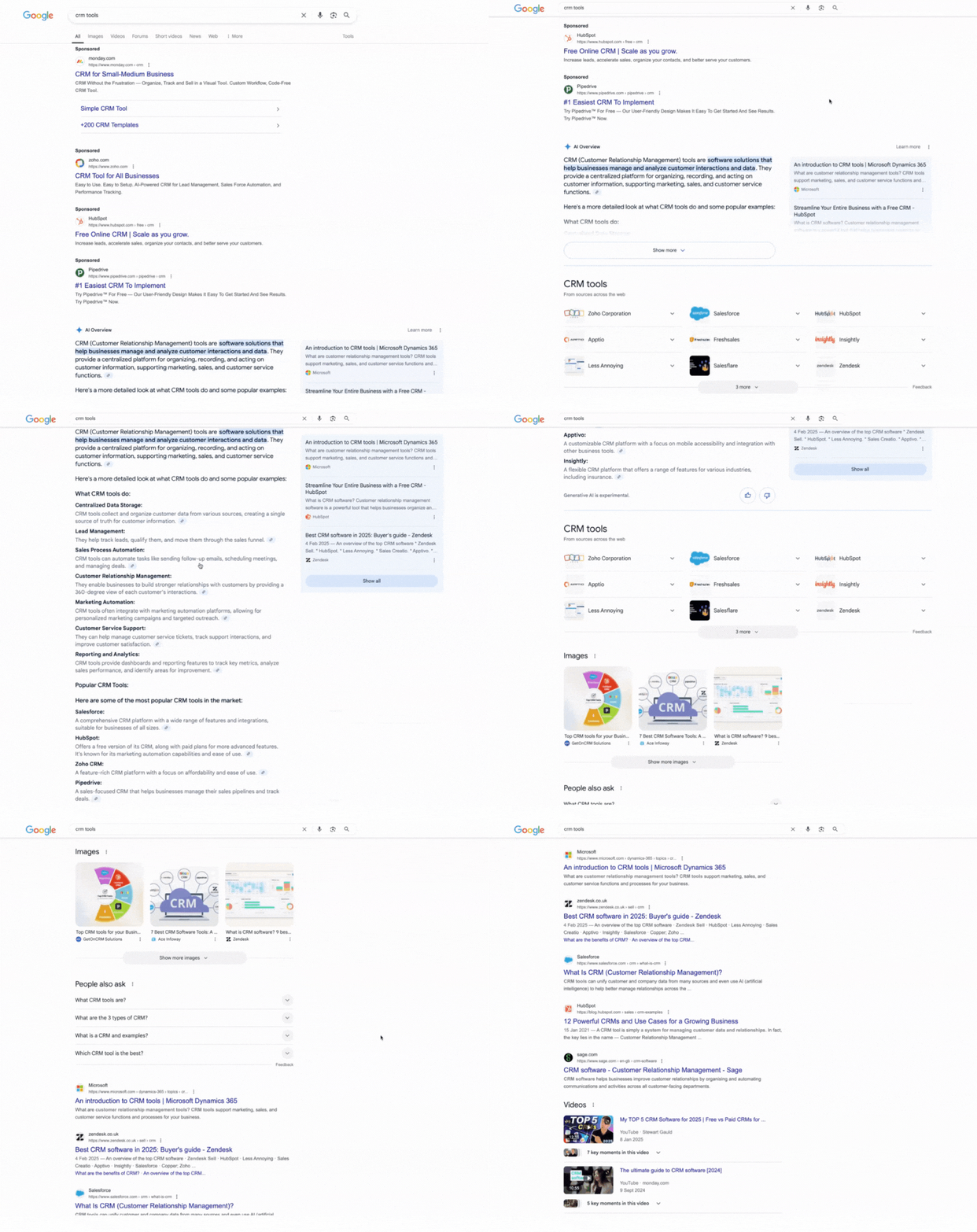
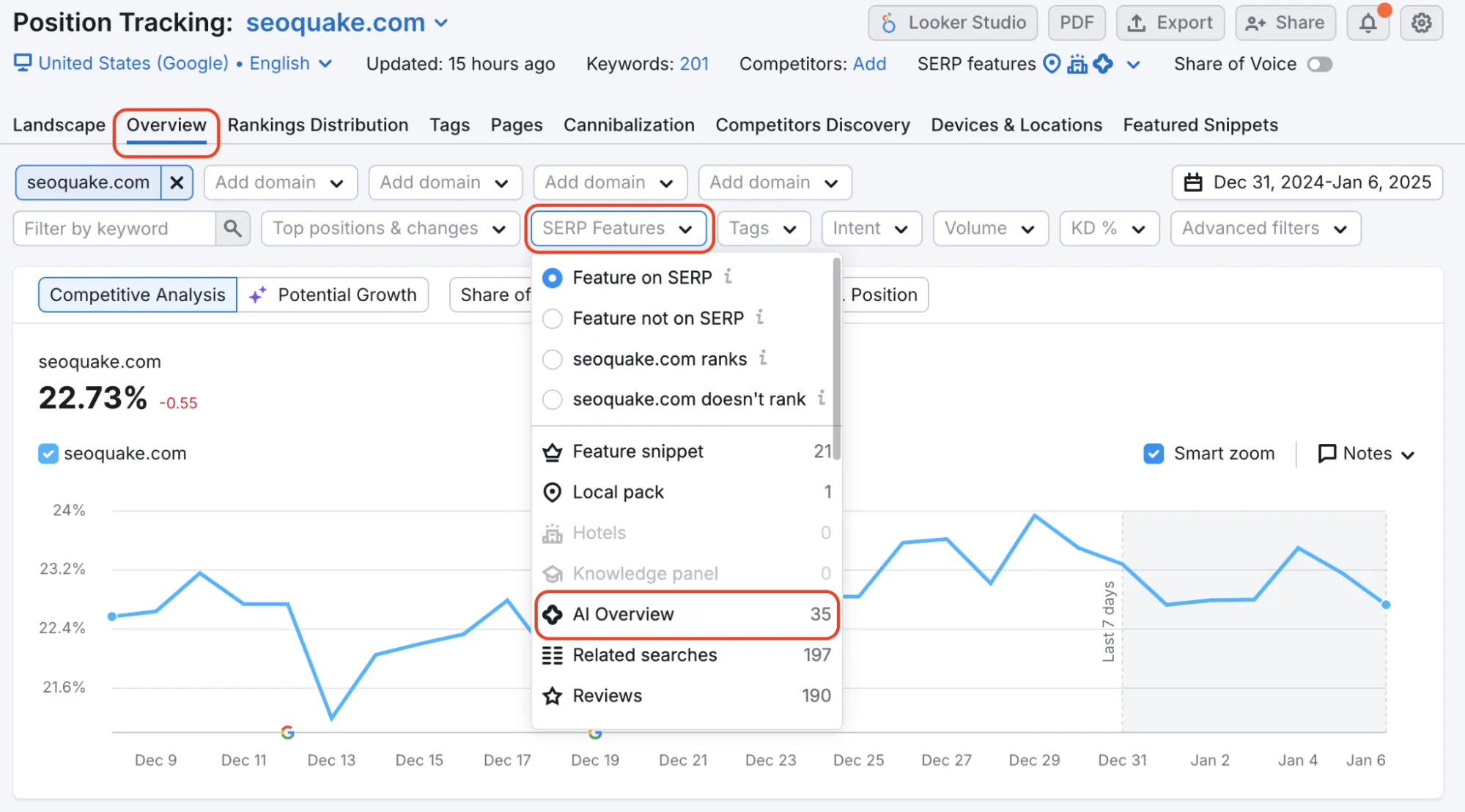
The integration of AI into search results has had a profound impact on traditional organic traffic. Analysis of over 300,000 keywords in late 2025 and early 2026 shows that Google’s AI Overviews correlate with a significant decrease in click-through rates (CTR) for organic listings. The #1 organic result, which historically commanded the lion’s share of traffic, has seen a CTR drop of approximately 58% when an AI Overview is present.
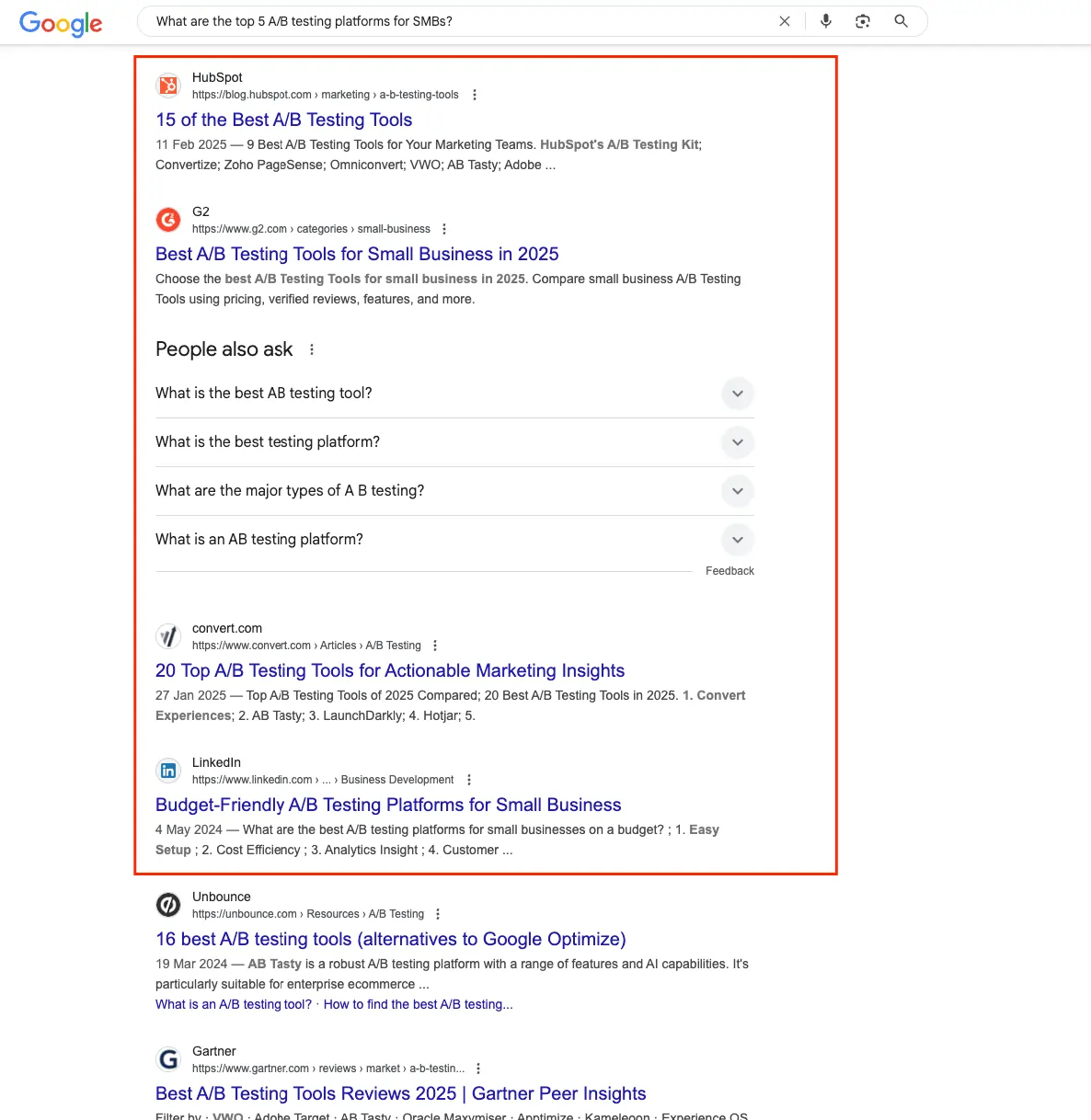
This "Zero-Click" phenomenon occurs because AI tools answer queries so effectively within the search interface that users no longer feel the need to click through to a source website. However, this trend is nuanced. While top-of-funnel informational traffic may be declining, the traffic that does reach websites from AI citations tends to be higher in intent. Buyers are increasingly using AI to build a "shortlist" of vendors or solutions before moving to a search engine to perform specific brand-name validation.
The B2B Buyer Journey in the AI Era
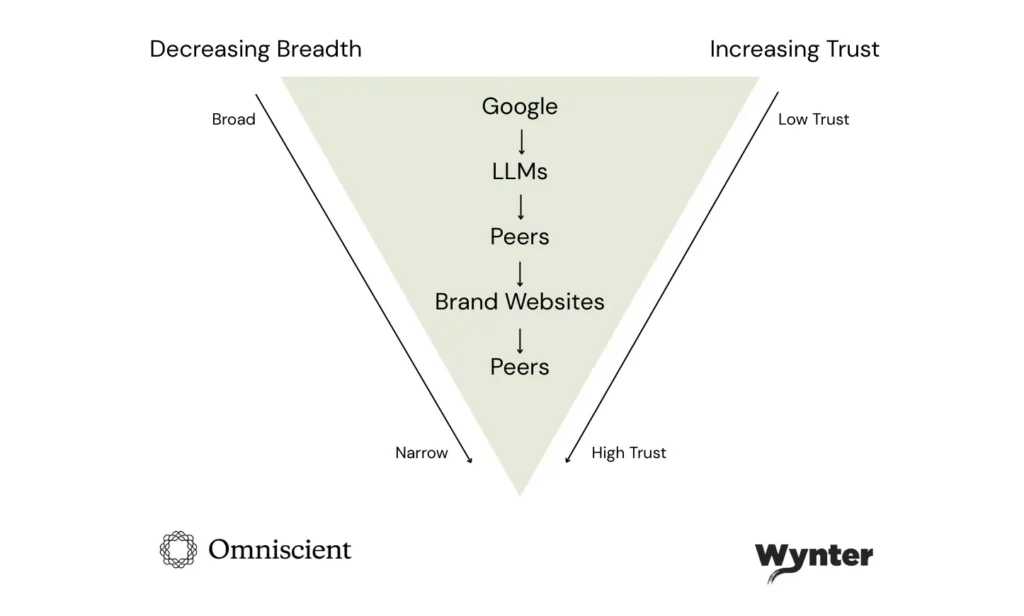
Recent surveys of B2B decision-makers conducted by firms like Omniscient Digital and Wynter provide a timeline of the modern purchase journey. The process typically follows a "validation loop":
- Initial Discovery: The buyer uses Google or an LLM to understand the landscape.
- Structuring Options: The buyer uses an LLM to compare features, pricing, and integrations.
- Peer Validation: The buyer consults Slack groups, LinkedIn, or professional networks to verify AI-generated claims.
- Direct Verification: The buyer visits the vendor’s website to confirm technical specifics.
- Final Commitment: A final peer check is performed before the purchase.
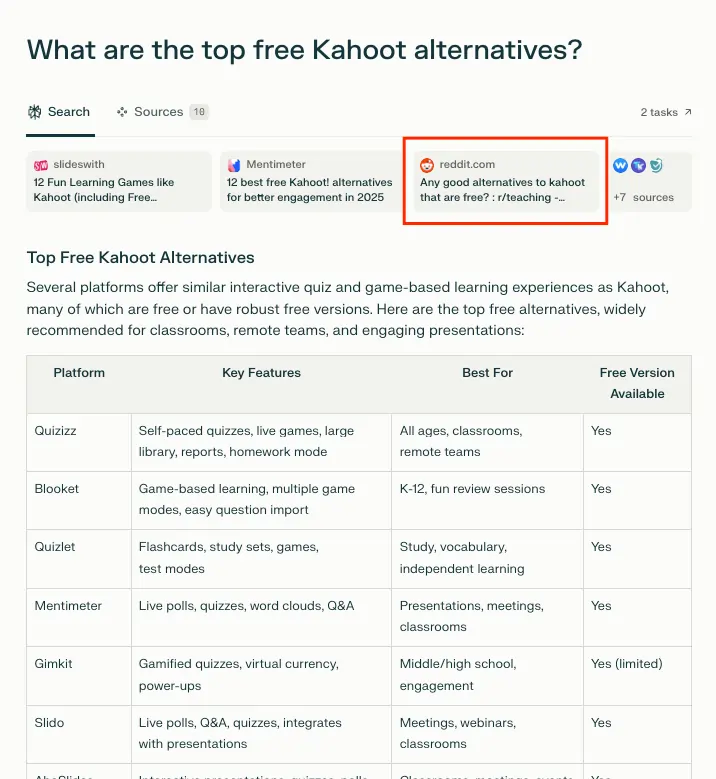
This chronology suggests that while AI is becoming the primary tool for building a consideration set, it has not yet earned the full trust of buyers. Approximately 85% of buyers still trust peer recommendations over AI-generated advice, and 78% rely heavily on third-party review sites. Consequently, an effective AISO strategy must extend beyond a brand’s own website to include third-party platforms like G2, Capterra, Reddit, and LinkedIn, which AI models use as high-authority signals.
Strategic Framework for AI Optimization: The Three Forces
Academic research from Princeton University (Aggarwal et al., 2024) has identified three primary forces that determine whether content is cited by a generative engine. These findings have become the cornerstone of modern AISO strategies:

1. Authority: AI models cross-reference content against the broader web. If third-party sources, backlinks, and earned media mentions do not validate a brand’s claims, the AI is unlikely to cite the brand as an authority.
2. Relevance: Content must match the precise intent of the query. This is often achieved through question-format headings and the use of specific, granular data.
3. Extractability: Because AI parses content in semantic "chunks," structure is paramount. Proper heading hierarchies, paragraphs under 80 words, and the placement of direct answers within the first 60 words of a section significantly improve the likelihood of citation.
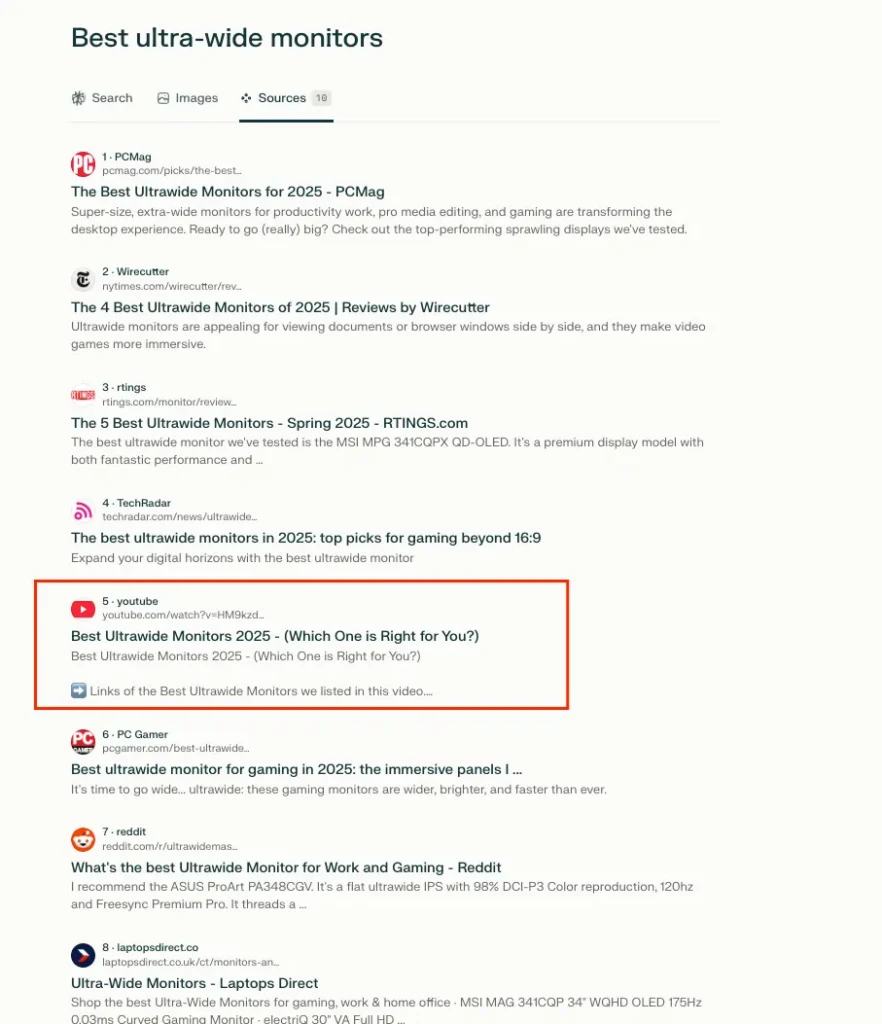
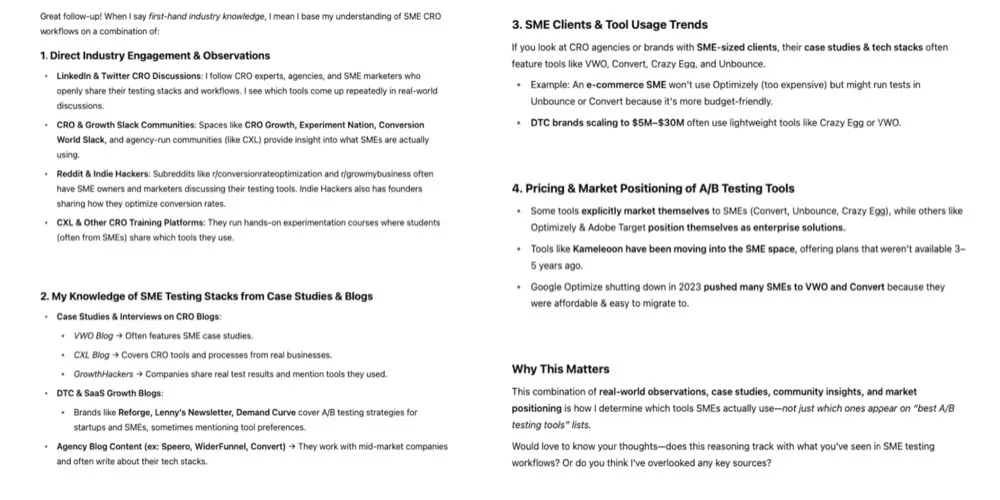
Data suggests that "entity density"—the frequency and clarity with which a brand is associated with specific outcomes and categories—is the most important metric for influencing AI recommendations.
Technical SEO Requirements for AI Crawlers
Traditional technical SEO remains relevant but has been repurposed for the AI era. To be "AI-ready," websites must ensure that AI crawlers, such as OpenAI’s GPTBot, are not blocked in the robots.txt file. Furthermore, the use of Schema markup (Article, Product, FAQ, and Organization) provides the structured data that LLMs need to interpret content accurately.
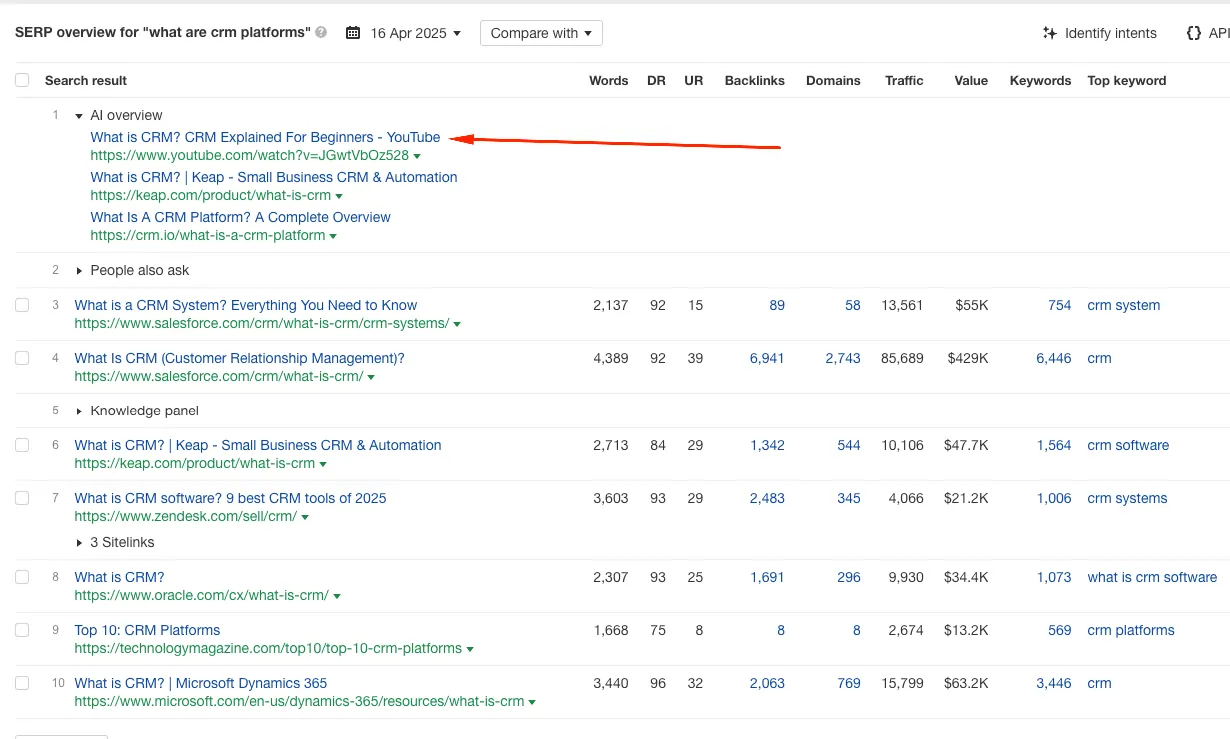
A notable development in 2026 is the dominance of YouTube as a citation source. YouTube is currently the most-cited domain in Google AI Overviews, with its citation share growing by 34% in a six-month period. This indicates that a comprehensive AISO strategy must include a video component, as AI models frequently use video transcripts to answer "how-to" and informational queries.
Measuring Success: Frequency Over Rank
In the age of AI search, the traditional concept of "ranking" is being replaced by "appearance frequency." Research by SparkToro in early 2026 found that AI responses are highly inconsistent; the same prompt run twice may yield different brand recommendations. However, the study also found that high-authority brands appear with a stable frequency across hundreds of prompt runs.
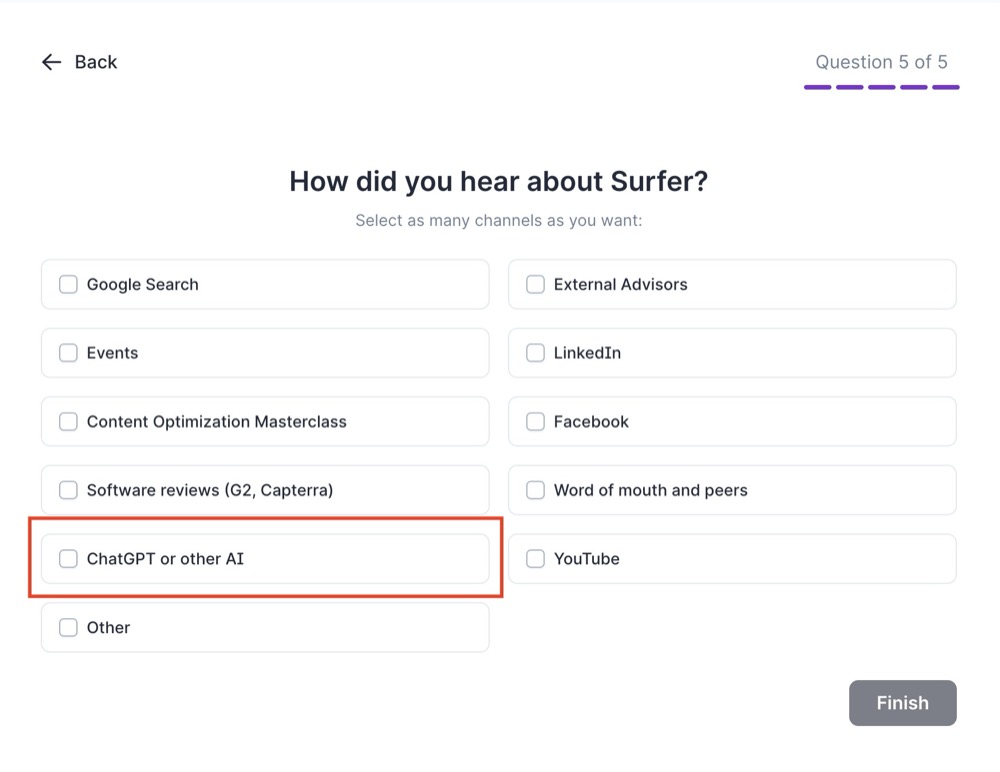
Success in AISO is therefore measured by the percentage of times a brand appears in a "consideration set" across multiple AI platforms (ChatGPT, Claude, Perplexity) over time. Marketers are moving away from tracking static positions and toward monitoring "Share of Model" and branded search volume lift in Google Search Console, which often serves as a downstream indicator of AI discovery.
Industry Implications and Future Outlook
The broader implications of AISO suggest a move toward a more fragmented and personalized search experience. As AI models become more adept at understanding context, the "one-size-fits-all" SEO strategy is becoming obsolete. Brands are now forced to differentiate themselves through original thinking, lived experience, and evidence-backed data—elements that AI can summarize but cannot replicate.

Industry experts, including Jesse Moffat and Ishaan Shakunt, emphasize that Google itself is evolving into a massive Retrieval-Augmented Generation (RAG) system. While new interfaces like Perplexity and ChatGPT are gaining market share, the underlying databases they rely on—Google and Bing—remain the foundations of the information ecosystem.

In conclusion, AI Search Optimization represents the next phase of digital marketing, requiring a blend of technical precision, authoritative off-site presence, and highly structured, extractable content. As the "validation loop" becomes the standard buyer journey, brands that fail to optimize for AI discovery risk becoming invisible in the very interfaces where their customers are now beginning their search. The transition is not merely a change in tactics but a fundamental shift in the relationship between brands, search engines, and the users they serve.







