

The global digital marketing landscape is undergoing a fundamental shift as organizations move away from traditional one-time A/B testing toward iterative testing, a continuous cycle of evidence-based refinements designed to adapt to rapidly changing consumer behaviors. While traditional testing often concludes with a single set of results, iterative testing establishes a perpetual feedback loop where each experiment informs the next, effectively treating marketing assets as living documents rather than static campaigns. This methodology, long a staple of software engineering and product development, is now being integrated into the core strategies of high-performing marketing departments to mitigate the risks of "slow leaks" in advertising budgets and to capitalize on incremental gains that compound over time.
The Paradigm Shift in Conversion Rate Optimization
Historically, marketing campaigns were built on a "launch and leave" philosophy. Teams would spend months developing a creative concept, deploy it, and then measure its success post-mortem. The rise of digital analytics introduced A/B testing, allowing marketers to compare two versions of a page. However, industry analysts note that traditional A/B testing often falls short because it fails to account for the evolving nature of user intent. Iterative testing addresses this by emphasizing small, data-driven changes over massive overhauls.
According to data-driven insights from the 2024 Conversion Benchmark Report, the necessity for this granular approach is underscored by specific user behavior trends. For instance, the report highlights that landing pages written at a 5th-to-7th-grade reading level convert at a rate of 11.1%—more than double the conversion rate of pages utilizing more complex, professional-level prose. Such insights suggest that minor adjustments in language complexity can have a more significant impact than total structural redesigns. Iterative testing allows teams to isolate these variables, such as word choice or sentence structure, to verify if general benchmarks apply to their specific niche.
The Six-Step Iterative Framework
The transition to an iterative model requires a structured process that prioritizes speed and clarity. Industry experts suggest a six-step cycle that allows marketing teams to maintain momentum without becoming overwhelmed by data complexity.

1. Hypothesis Formation
The foundation of any iterative test is a laser-focused hypothesis. Rather than attempting to test multiple elements simultaneously—a common pitfall known as "multivariate noise"—marketers are encouraged to focus on single, measurable variables. A robust hypothesis typically follows a logical structure: "If we [change X], then [Y metric] will improve because of [Z reason]." Examples include testing whether a benefit-driven headline outperforms a feature-driven one, or if removing navigation links reduces friction during the checkout process.
2. Strategic Prioritization
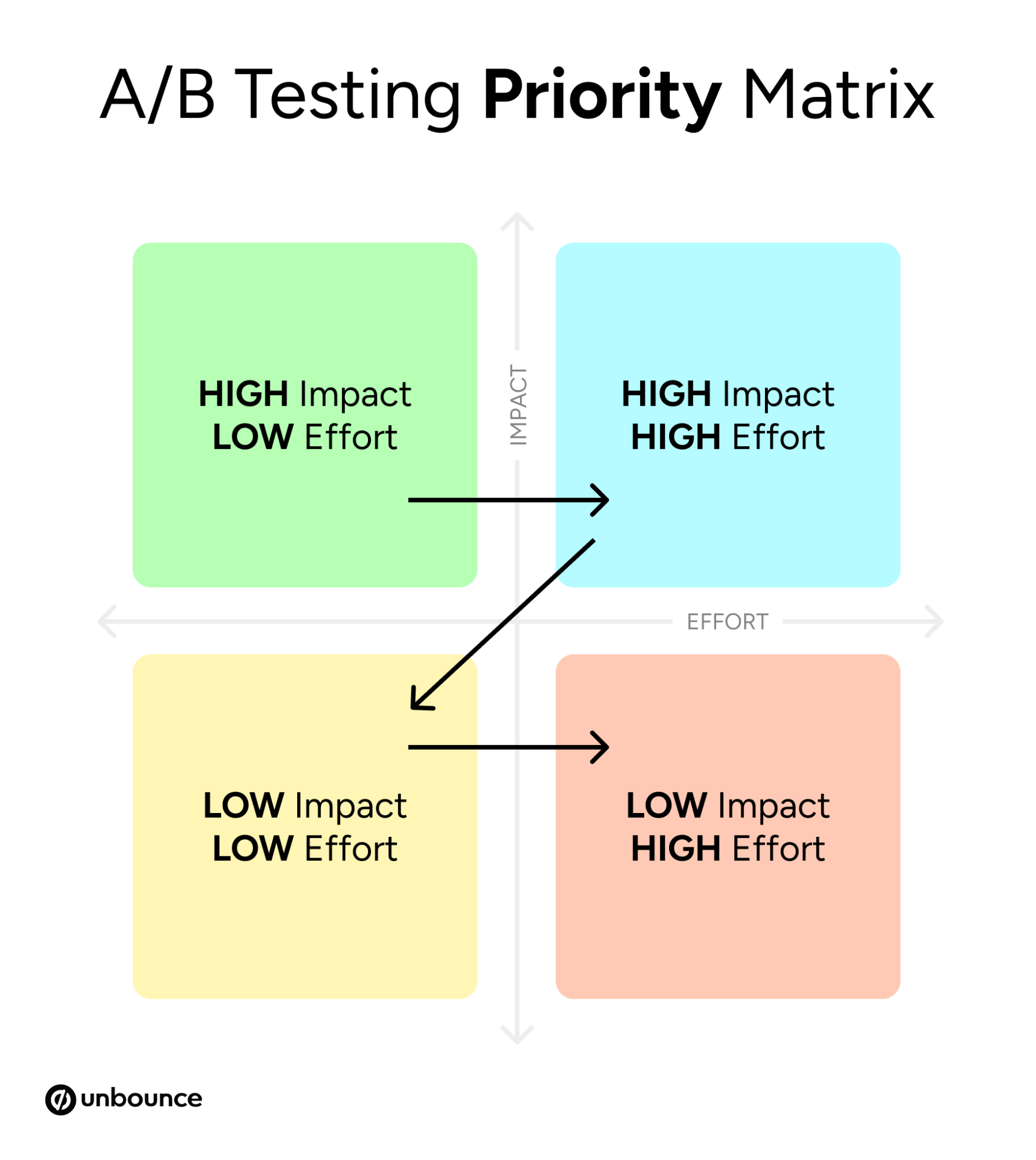
Not all tests yield equal returns. To manage resources effectively, organizations often utilize prioritization matrices, such as the PIE (Potential, Importance, Ease) or ICE (Impact, Confidence, Ease) frameworks. By mapping potential tests on a 2×2 matrix—comparing impact against effort—teams can identify "quick wins" that generate immediate ROI and build organizational buy-in for more complex experiments later.
3. Development of Minimal Testable Variations
In an iterative environment, the goal is to build the simplest version of a change that can still yield valid data. This "minimalist" approach prevents the development cycle from becoming a bottleneck. Modern no-code tools and landing page builders have facilitated this by allowing marketers to duplicate control versions and make targeted edits without requiring extensive developer intervention.
4. Data Collection and Statistical Validation
A critical component of the iterative process is ensuring statistical significance. Marketing analysts warn against "early peeking," or ending a test too soon based on preliminary trends. To reach a confidence level of 95% or higher, tests generally require a minimum of 100 conversions per variant and at least two full weeks of data to account for fluctuations in traffic patterns across different days of the week.
5. Analysis and Insight Extraction
Beyond identifying which variant "won," the iterative process demands a deeper inquiry into why a specific change resonated with the audience. This stage involves transforming raw data into actionable insights that can be applied across other channels, such as email marketing or social media advertising. For example, if a test reveals that users prefer "clarity over cleverness" in headlines, that insight becomes a new standard for the brand’s entire content strategy.

6. Scaling and Re-Iteration
Successful tests are not the end of the road. Once a winner is identified, the results are scaled across broader campaigns. Simultaneously, the team identifies the next logical step in the sequence. If a simplified headline increased conversions, the next iteration might test the placement of that headline or the supporting sub-headline, creating a continuous upward trajectory in performance.
Supporting Data and Industry Benchmarks
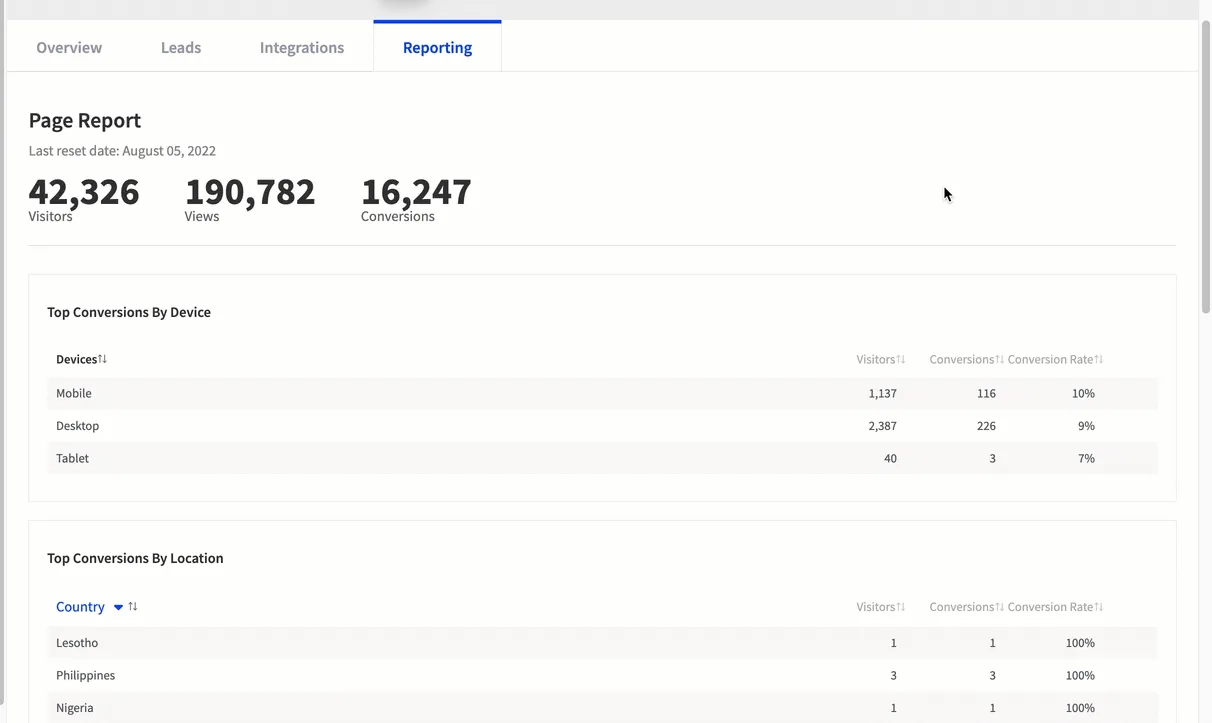
The move toward iteration is supported by significant shifts in device usage and content consumption. Recent industry data reveals that 83% of landing page visits now occur on mobile devices. Despite this dominance in traffic, desktop sessions still convert 8% better on average. This discrepancy presents a prime opportunity for iterative testing. Marketers are increasingly using iterative cycles to bridge the "mobile gap" by testing mobile-specific layouts, click-to-call buttons, and simplified forms that cater to users on the go.
Furthermore, the negative correlation between word complexity and conversion rates—calculated at -24.3% in recent studies—highlights the danger of relying on "marketing speak." Iterative testing provides a safe environment to challenge internal assumptions about brand voice, allowing data to dictate whether technical jargon or simplified language is more effective for a specific target demographic.
Organizational Responses and Economic Impact
The adoption of iterative testing is often met with varying degrees of enthusiasm across different departments. CMOs and Chief Growth Officers are increasingly advocating for this model as it provides a more predictable ROI compared to high-risk, high-reward "big bang" launches. By identifying what works on a small scale before committing the full budget, organizations can significantly reduce wasted spend.
Tech providers have responded to this demand by integrating Artificial Intelligence (AI) into testing platforms. Tools like "Smart Traffic" AI can now begin optimizing traffic distribution after as few as 50 visits, a significant improvement over traditional methods that required thousands of data points. This allows smaller businesses with lower traffic volumes to participate in iterative testing, democratizing access to high-level optimization strategies.
From a cultural perspective, successful iterative testing requires breaking down silos between marketing, sales, and customer support. Customer support teams, in particular, are often the first to notice points of friction that can be turned into testing hypotheses. When an organization adopts a "culture of experimentation," every department becomes a source of potential growth.
Broader Implications for the Future of Digital Marketing
As privacy regulations tighten and third-party cookies are phased out, the ability to optimize first-party experiences becomes the primary competitive advantage for brands. Iterative testing is no longer just a tactic for improving conversion rates; it is becoming a core competency for business survival.
The long-term impact of this shift is a move toward hyper-personalization. As iterative cycles become faster and more automated through AI, brands will be able to serve different versions of their experience to different segments of their audience in real-time. This level of responsiveness ensures that marketing efforts remain in sync with shifting consumer expectations, seasonal trends, and competitive pressures.
In summary, iterative testing represents the professionalization of marketing experimentation. By moving away from sporadic, disconnected tests and toward a disciplined, compounding cycle of improvement, organizations can ensure that their marketing assets are constantly evolving. The data is clear: in an era of diminishing attention spans and increasing acquisition costs, the brands that learn the fastest are the ones that will ultimately lead the market. The transition from a static strategy to an iterative one is not merely a change in workflow, but a fundamental commitment to data-driven growth.







