The concept of "target" is a cornerstone of modern marketing strategy, a critical element that dictates the success or failure of campaigns. Marketers have long relied on various segmentation methods – behavioral, psychographic, demographic, and geographic – to understand and connect with their intended audiences. However, in an increasingly fragmented media landscape and a rapidly evolving consumer base, a deeper understanding of generational nuances has become paramount. This series aims to dissect the digital marketing approaches best suited for distinct generations, beginning with Generation Z, followed by Millennials, Generation X, and Baby Boomers. The objective is to equip businesses with the knowledge to effectively reach these groups through the right channels and with resonant messaging.
Generation Z, born roughly between 1995 and 2010, represents the youngest cohort currently entering the consumer market and workforce. Often characterized by their digital nativity, pragmatic outlook, and strong ethical compass, this generation presents unique challenges and opportunities for marketers. While older generations might perceive them as a nebulous group defined by fleeting trends, a closer examination reveals a sophisticated and discerning consumer base shaped by a confluence of significant historical and technological events.
The Genesis of Generation Z: A Post-9/11, Recession-Shaped Cohort
To understand Gen Z’s marketing DNA, one must first appreciate the formative experiences that have shaped their worldview. This generation is the first to have grown up in a post-9/11 world, a period marked by heightened global security concerns and a shifting geopolitical landscape. They witnessed the lingering effects of the 2008 Great Recession on their families and communities, instilling a sense of economic realism and a tendency towards financial prudence. Furthermore, their formative years have been profoundly influenced by the omnipresence of the internet, smartphones, and social media, making them the first truly digital natives. The advent of the COVID-19 pandemic during their crucial developmental stages – as they transitioned into higher education and the workforce – has further amplified their resilience and adaptability, while also underscoring their concerns about global health and social equity.
This unique blend of experiences has cultivated a generation that is remarkably pragmatic, open-minded, and value-driven. Their inherent digital fluency means they navigate online spaces with an innate understanding of the digital ecosystem. Mobile devices are not merely tools but extensions of themselves, and their consumption habits are intrinsically linked to their online interactions.
The Gen Z Mindset: Skepticism, Ethics, and Uniqueness
Gen Zers are characterized by a healthy skepticism towards traditional marketing. Having been exposed to a constant barrage of advertisements across their preferred digital platforms from a young age, they have developed a discerning eye for authenticity and a low tolerance for overtly sales-driven or inauthentic messaging. Their attention spans are often cited as short, a characteristic that necessitates concise, engaging, and immediately relevant content.

Beyond mere attention, Gen Z places a significant emphasis on ethical consumption. They are acutely aware of social and environmental issues and tend to align their purchasing decisions with brands that demonstrate a commitment to sustainability, diversity, inclusion, and fair labor practices. This ethical imperative is not merely a superficial trend but a deeply ingrained value that influences their brand loyalty and purchasing choices. Research consistently shows that a majority of Gen Z consumers are willing to pay more for products from socially responsible companies.
Furthermore, Gen Z highly values uniqueness and self-expression. They are drawn to brands that allow them to showcase their individuality and offer personalized experiences. This appreciation for authenticity and distinctiveness means that generic, one-size-fits-all marketing approaches are unlikely to resonate. Instead, brands that can tap into their desire for originality and personal connection are more likely to capture their attention and loyalty.
Gen Z Consumption Patterns: Data-Driven Insights
A comprehensive study by McKinsey & Company, titled "True Gen: Generation Z and its implications for companies," highlighted several key facets of Gen Z consumption that marketers must consider:
- Digital Integration: Gen Z consumers seamlessly integrate their online and offline lives. They research products extensively online, seek peer reviews, and often make purchasing decisions based on digital interactions.
- Value Consciousness: While not necessarily seeking the cheapest option, Gen Z is highly value-conscious. They are adept at comparing prices, seeking out deals, and understanding the long-term value proposition of a product or service.
- Brand Authenticity: As previously noted, authenticity is paramount. Gen Z can quickly detect inauthentic brand messaging and will disengage if a brand’s values do not align with its actions. They are drawn to brands that are transparent, relatable, and have a genuine purpose.
- Influencer Trust: While wary of overt advertising, Gen Z often places significant trust in influencers and content creators who share their values and offer genuine recommendations. However, this trust is contingent on perceived authenticity and transparency from these influencers.
Marketing to Gen Z: Strategic Platforms and Messaging
Translating these insights into actionable digital marketing strategies requires a targeted approach. Understanding where Gen Z spends their time online and the types of messages that resonate with them is crucial for effective engagement.
Platforms to Reach Gen Z
Gen Z’s digital landscape is dynamic and multifaceted. While some platforms have seen waning interest from this demographic, others continue to dominate.
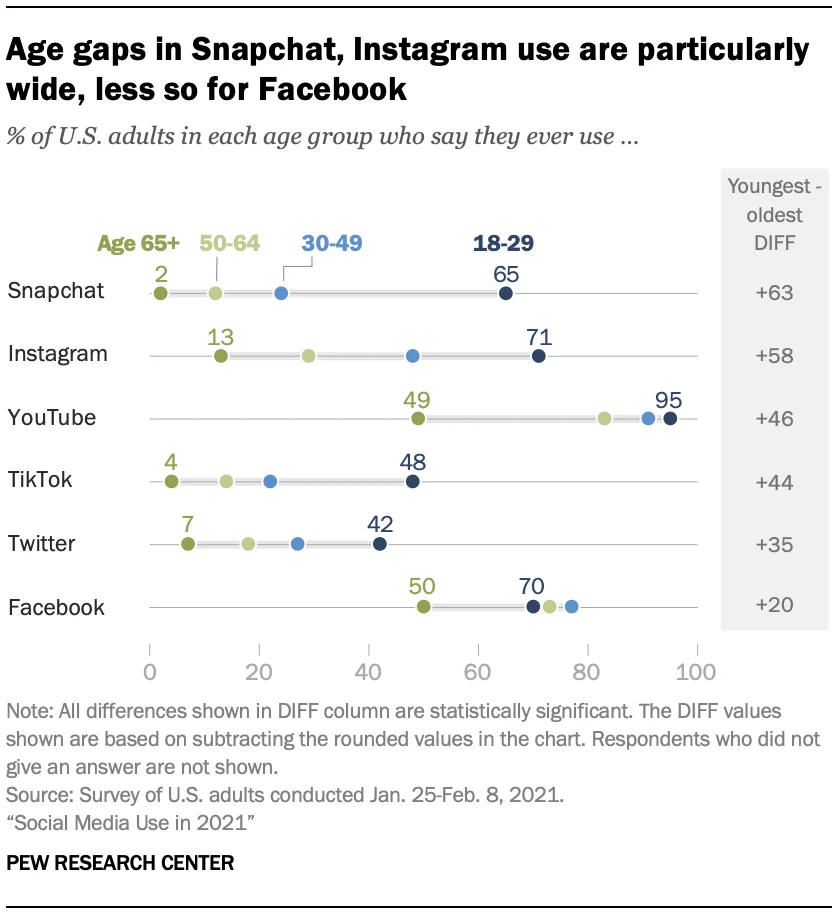
- TikTok: This short-form video platform has become a cultural phenomenon and a primary hub for Gen Z. Its algorithm-driven feed delivers highly personalized content, making it an ideal space for creative, engaging, and trend-driven marketing campaigns. Brands that can leverage user-generated content, participate in challenges, and create authentic, entertaining videos are likely to find success here.
- YouTube: Still a dominant force, YouTube remains a go-to platform for in-depth content, tutorials, entertainment, and influencer vlogs. Gen Z utilizes YouTube for both passive entertainment and active research, making it a valuable platform for product reviews, educational content, and brand storytelling.
- Instagram: While its appeal may have shifted slightly, Instagram remains relevant, particularly its Stories and Reels features, which cater to shorter, more visual content formats. It’s a platform where visual aesthetics and curated brand imagery still hold sway.
- Snapchat: Known for its ephemeral content and augmented reality (AR) filters, Snapchat continues to be popular among younger Gen Z segments for its informal and playful communication.
- Gaming Platforms and Metaverse Spaces: As virtual worlds and online gaming become increasingly integrated into Gen Z’s social lives, brands are exploring opportunities within these environments. Partnerships within popular games or the development of branded experiences in the metaverse offer novel ways to engage this demographic.
The choice of platform should be dictated by the specific campaign objectives and the nature of the brand. A visually driven brand might find greater success on Instagram, while a brand focused on educational content might thrive on YouTube. TikTok, with its viral potential, offers opportunities for broad reach and rapid trend adoption.

Messaging That Speaks to Gen Z
Crafting messages that resonate with Gen Z requires a departure from traditional marketing rhetoric. The emphasis should be on authenticity, purpose, and engagement.
- Authenticity and Transparency: Gen Z can easily discern disingenuous marketing. Brands must be transparent about their values, their products, and their business practices. Sharing behind-the-scenes content, showcasing diverse employees, and being honest about challenges can build trust.
- Purpose-Driven Narratives: Gen Z cares about making a positive impact. Brands that can articulate a clear social or environmental mission and demonstrate tangible actions towards achieving it will resonate more deeply. This doesn’t mean overt activism, but rather a genuine commitment woven into the brand’s identity.
- User-Generated Content (UGC) and Community Building: Empowering Gen Z to create content related to a brand fosters a sense of ownership and authenticity. Encouraging reviews, testimonials, and social media shares, and actively engaging with these contributions, can build a strong community around the brand.
- Humor and Relatability: While often characterized by dark humor, Gen Z appreciates brands that can inject humor and relatability into their messaging. This can be achieved through meme culture, trending audio on platforms like TikTok, or simply by acknowledging shared experiences and frustrations.
- Concise and Visually Engaging Content: Given their shorter attention spans, messages must be delivered quickly and effectively. This means prioritizing high-quality visuals, short video clips, and easily digestible text. Infographics, animated explainers, and interactive content can also be highly effective.
- Personalization and Customization: Gen Z expects a degree of personalization in their interactions. Brands that can offer tailored product recommendations, customized experiences, or personalized communication will stand out.
Broader Implications and Future Outlook
The rise of Generation Z as a significant consumer force signifies a fundamental shift in marketing paradigms. Brands that fail to adapt to their values, communication styles, and digital habits risk becoming irrelevant. The emphasis is moving away from simply selling products towards building relationships, fostering communities, and demonstrating genuine purpose.
The influence of Gen Z extends beyond their direct purchasing power. As they enter positions of influence within organizations and as consumers, their expectations for ethical business practices, sustainability, and digital engagement will shape the broader market landscape. Companies that proactively embrace these changes will not only capture the attention of Gen Z but also position themselves for long-term success in an increasingly conscious and connected world.
Ultimately, marketing to Generation Z is not about adopting a few trendy tactics. It is about understanding their worldview, respecting their values, and engaging with them authentically on the platforms they frequent. By embracing transparency, purpose, and genuine connection, brands can forge meaningful relationships with this influential generation and navigate the future of digital marketing with confidence.
For businesses seeking to refine their digital marketing strategies and effectively connect with the Gen Z audience, a deeper dive into specific campaign execution and audience segmentation is often required. Engaging with experienced digital marketing teams can provide tailored solutions and ongoing support to navigate this complex and dynamic market.