

The promise of agentic shopping, a paradigm shift where artificial intelligence agents handle the entirety of product discovery and purchasing on behalf of consumers, has encountered a significant period of recalibration following an initial wave of industry-wide hype. While projected to revolutionize the digital marketplace, the early implementation of end-to-end autonomous shopping has struggled to meet expectations, leading to high-profile discontinuations and a strategic pivot among major technology providers. The most notable example occurred when OpenAI launched its "Instant Checkout" feature in late 2025, only to withdraw the service five months later in March 2026. This move, alongside data showing significant performance gaps for early adopters like Walmart, suggests that while the concept remains viable, the underlying infrastructure and consumer trust levels are currently insufficient to support a fully autonomous shopping ecosystem.

The Anatomy of Agentic Shopping and the First False Start
Agentic shopping represents a departure from traditional e-commerce models. In a standard online shopping journey, a user performs searches, compares lists of results, evaluates specifications, and manually navigates a checkout funnel. Conversely, an agentic model utilizes an AI agent to perform these tasks. The agent identifies products based on nuanced user intent, evaluates retailer inventory in real-time, manages logistics such as shipping speeds and local availability, and ideally, executes the transaction using stored payment credentials.
The failure of OpenAI’s Instant Checkout serves as a primary case study for the challenges facing this technology. Designed to allow ChatGPT users to discover and buy products without leaving the conversational interface, the feature initially attracted major retail partners. However, the results were underwhelming. Walmart, which integrated 200,000 products into the system, reported that conversion rates through the AI interface were three times lower than those achieved on its own proprietary website. Furthermore, out of Shopify’s millions of merchants, only a dozen successfully went live with the feature before its discontinuation.
Industry analysts point to three structural deficiencies that led to this early setback:
- Brand Disintermediation: Retailers found themselves distanced from their customers, losing the ability to offer cross-sells, upsells, and a branded user experience.
- Data Fragmentation: Real-time synchronization between the AI agent and the retailer’s inventory proved difficult, leading to errors in stock availability and pricing.
- Consumer Friction: Users were often hesitant to delegate financial decisions to a conversational interface that lacked the visual cues and security reassurances of a dedicated e-commerce site.
A Chronology of the Agentic Shift: 2024–2026
The trajectory of agentic shopping has moved through distinct phases over the last three years:

- Mid-2024 to Early 2025: The Hype Cycle. Following the explosion of generative AI, retailers began experimenting with "chatbots" that could suggest products. Expectations grew that these bots would soon become "agents" capable of independent action.
- Late 2025: The Integration Phase. OpenAI and Google began testing direct checkout protocols. Partnerships with Shopify and Walmart were announced with the goal of creating a "frictionless" web.
- March 2026: The Retrenchment. OpenAI officially discontinued Instant Checkout. The industry pivoted from a "transaction-inside-the-chat" model to a "discovery-and-redirect" model.
- Mid-2026 to Present: The Infrastructure Build. The focus has shifted toward standardizing agentic protocols, improving structured data, and ensuring that websites are "readable" by AI agents.
Technical Barriers and the Readiness Gap
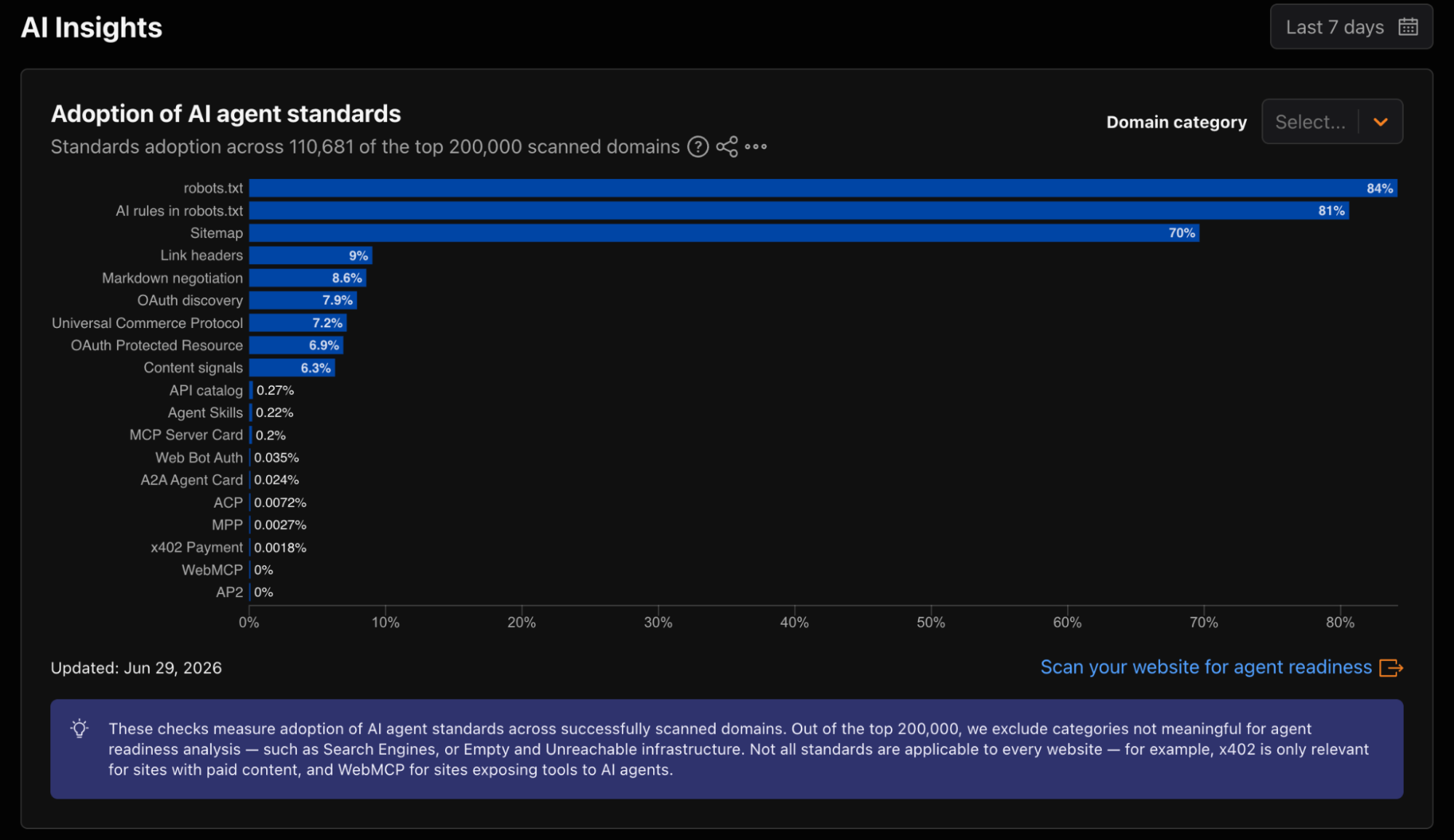
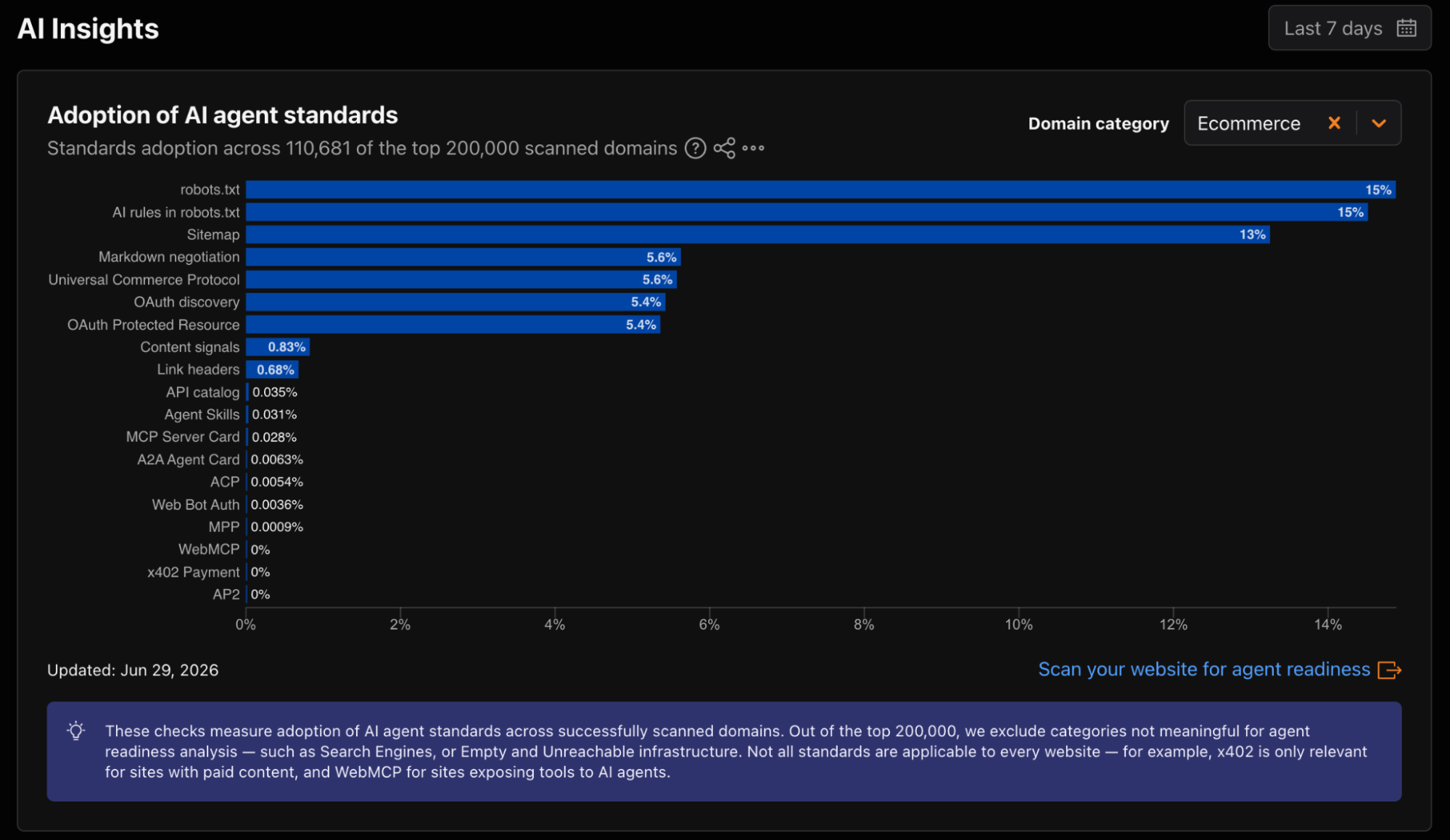
A significant factor in the slow adoption of agentic shopping is the lack of technical readiness across the broader e-commerce landscape. For an AI agent to function effectively, it must be able to crawl a store, interpret its content accurately, and interact with its checkout logic. Data from Cloudflare’s AI Insights tool, which monitors the top 200,000 web domains, indicates that the e-commerce sector is lagging behind other industries in adopting the foundational standards required for AI interaction.
While 84% of top global domains utilize a robots.txt file to guide web crawlers, only 15% of scanned e-commerce sites have this basic infrastructure in place. Similarly, only 13% of e-commerce sites provide a sitemap that an agent can use to navigate product hierarchies. Adoption of more advanced protocols is even lower:
- JSON-LD (Structured Data): Less than 10% of sites use the comprehensive schema required for an agent to understand product attributes like color, material, or voltage without "guessing."
- GPTBot and AI Crawlers: A significant portion of retailers (roughly 41%) actively block AI agents via bot protection services. While intended to prevent content scraping, these security measures also prevent legitimate purchasing agents from accessing the store to facilitate a sale.
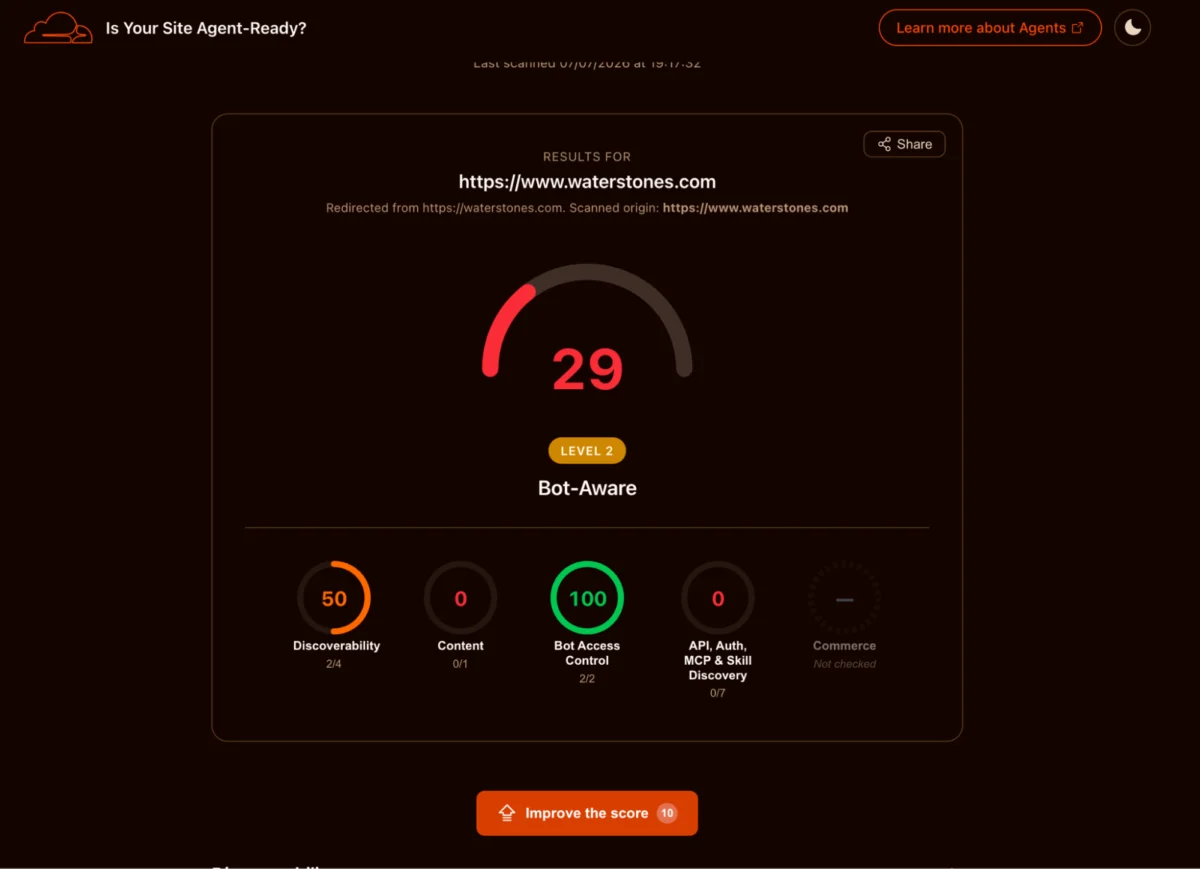
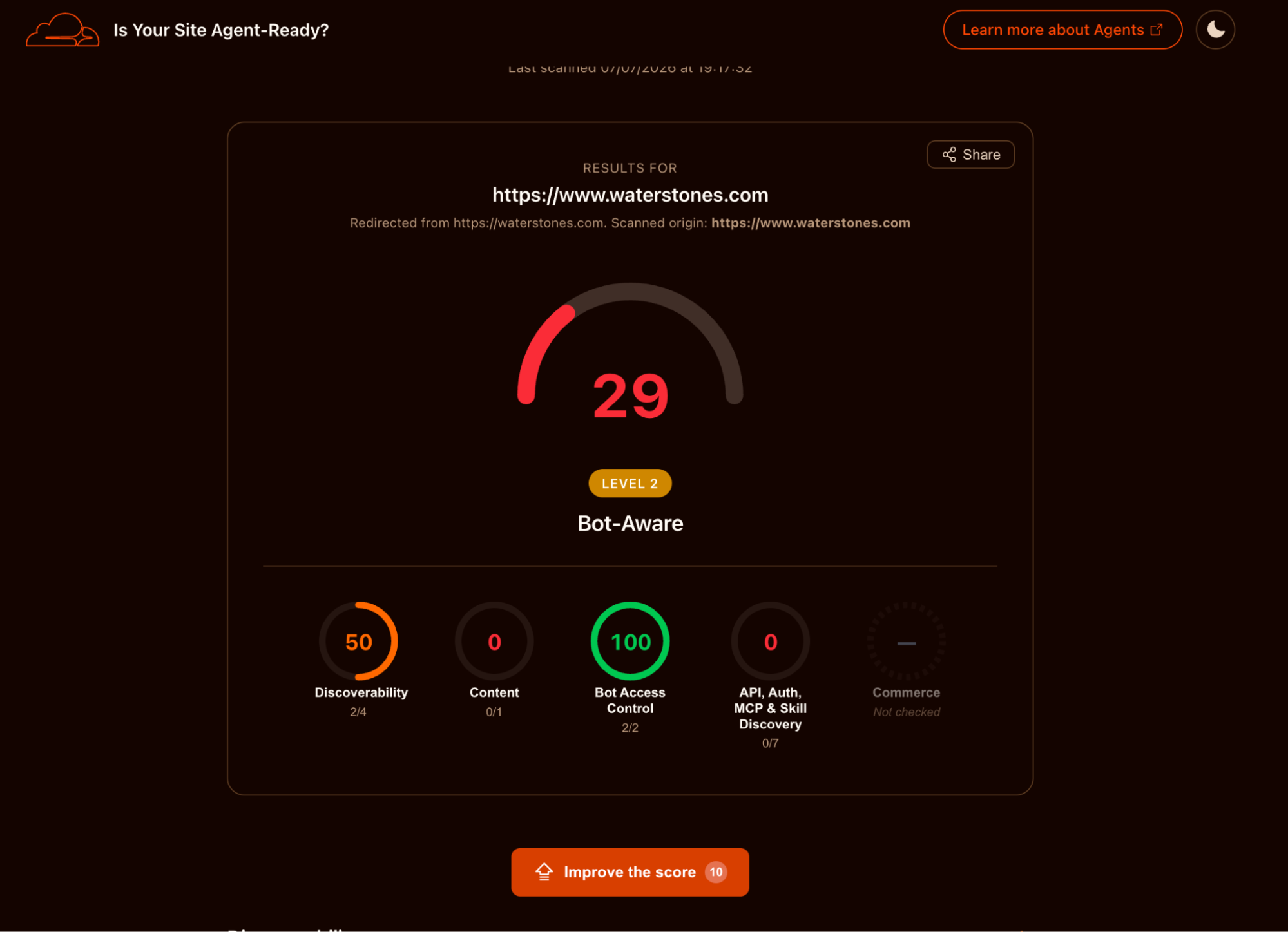
In a study of 1,100 e-commerce brands, researchers found that the vast majority scored at "Level 1" readiness, meaning they have a basic web presence but no machine-readable inventory or logistics data. No sites in the study reached "Level 3," which would require seamless API-based interaction for real-time stock and automated checkout.

Insights from Agent Behavior: Logistics and Assumptions
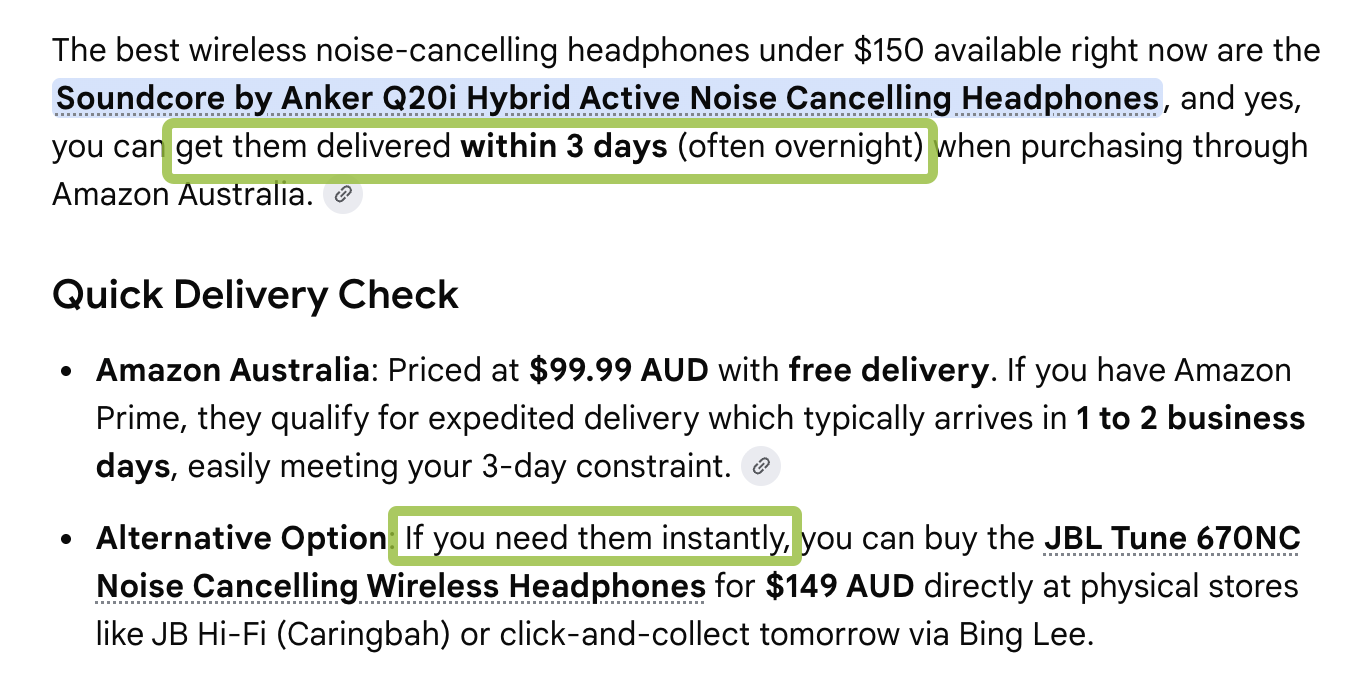
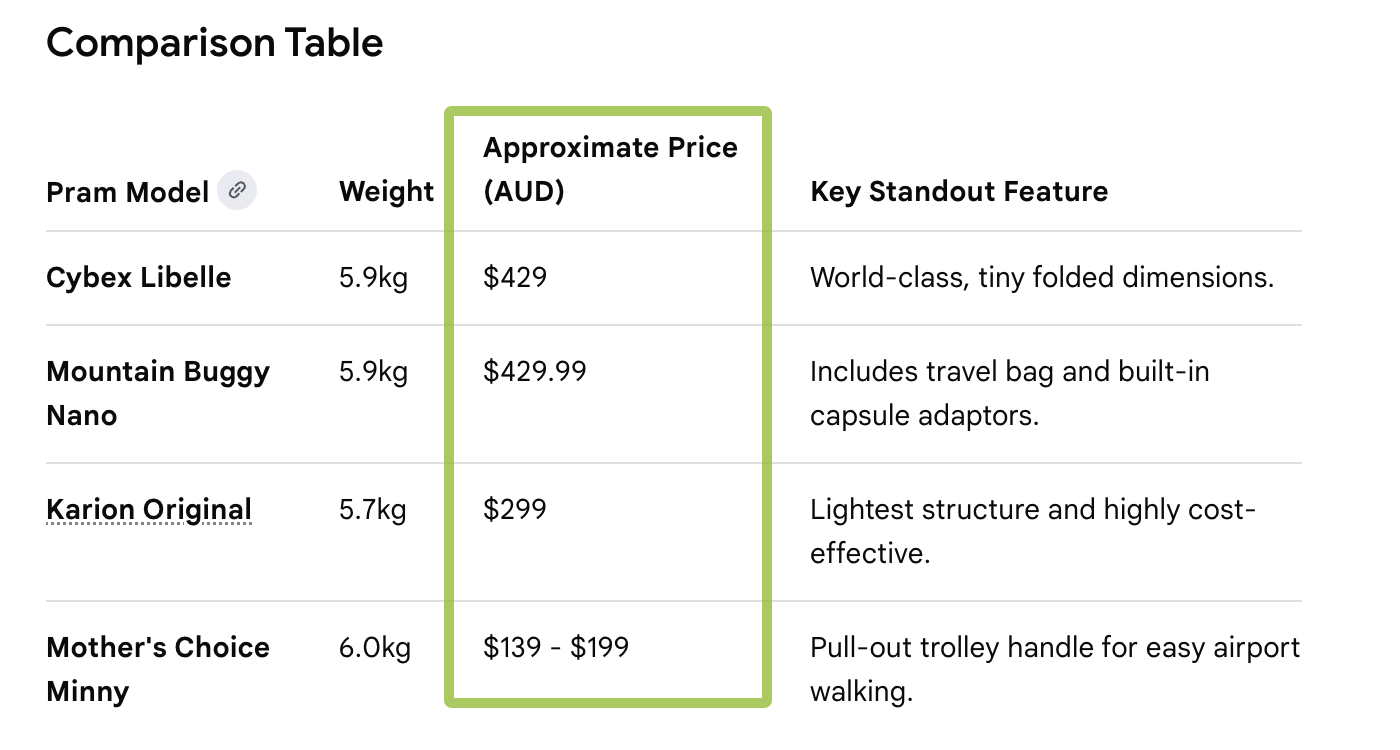
Experimental data involving over 120 shopping prompts across ChatGPT and Google’s AI Mode has revealed how current-generation agents behave when tasked with product discovery. The findings suggest that agents are evolving into "logistics coordinators" rather than mere search engines.
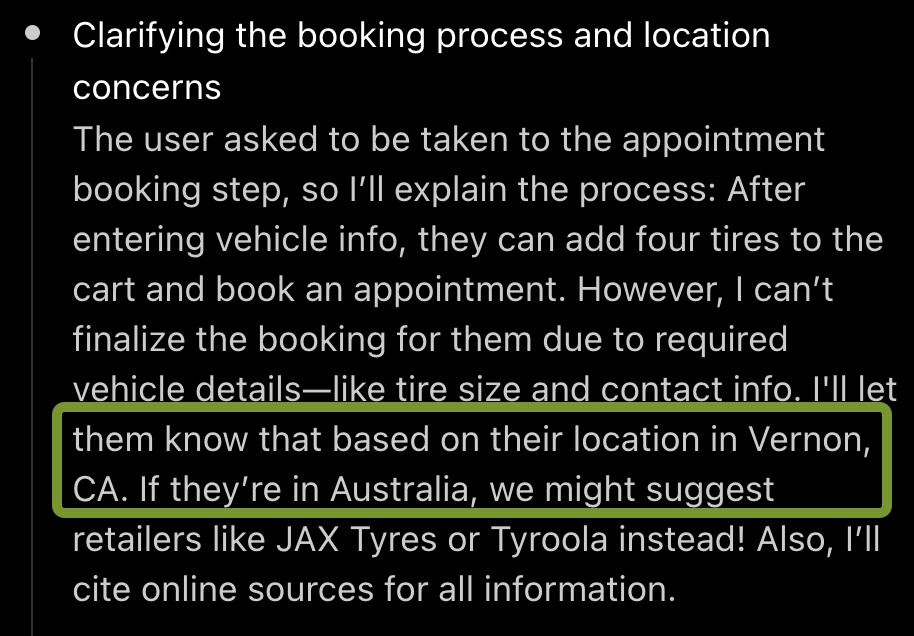
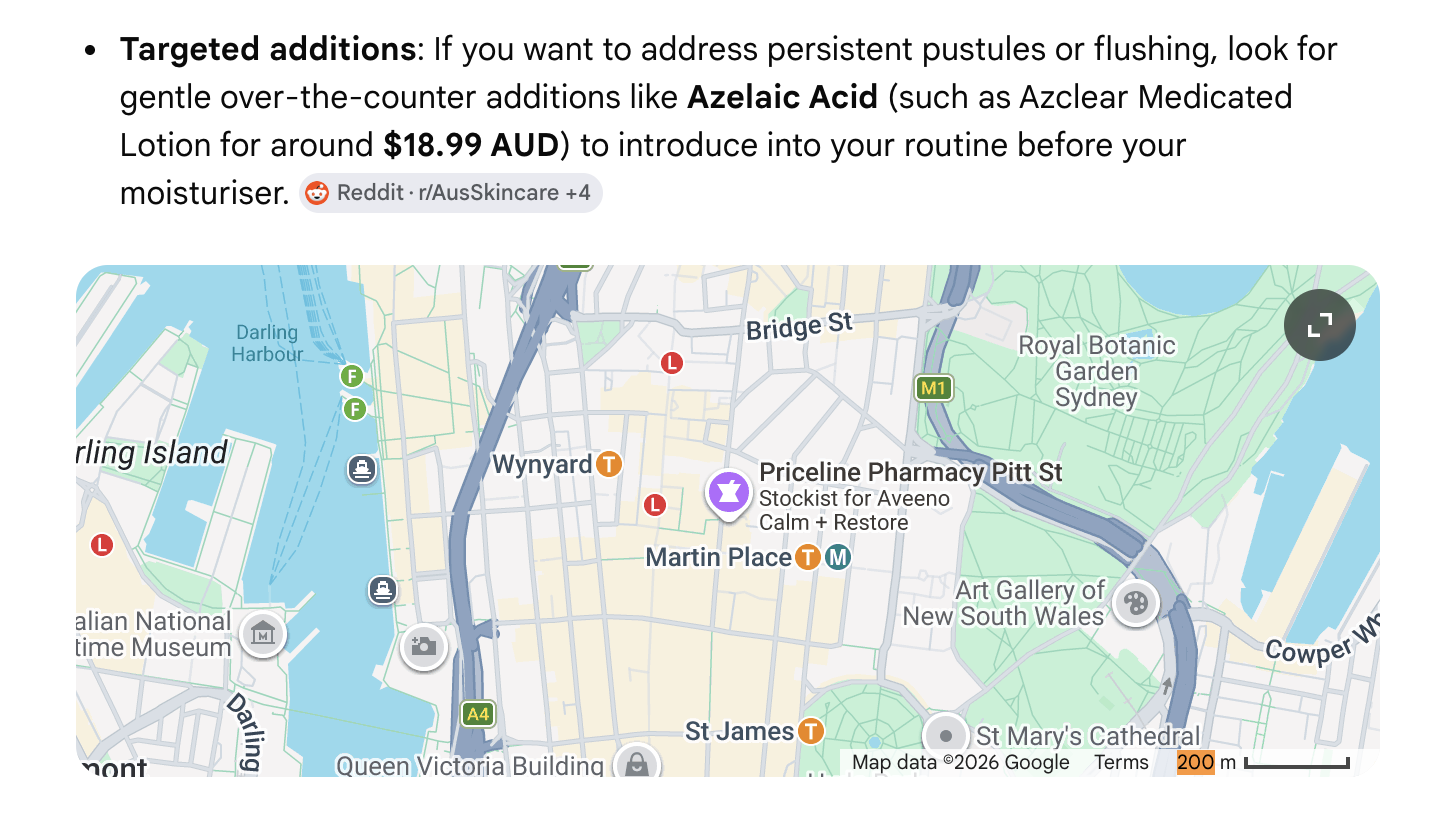
When prompted to find a specific item, such as a fragrance-free moisturizer or a rain jacket, agents do not simply provide a link. They aggregate data on who has the item in stock, which retailer is closest to the user’s physical location, and who offers the fastest delivery. Google AI Mode, for instance, has begun embedding live maps and "Immediate In-Store Pickup" badges directly into its responses. This indicates that agentic shopping is inherently a local experience by default, relying heavily on persistent location context and real-time inventory feeds.
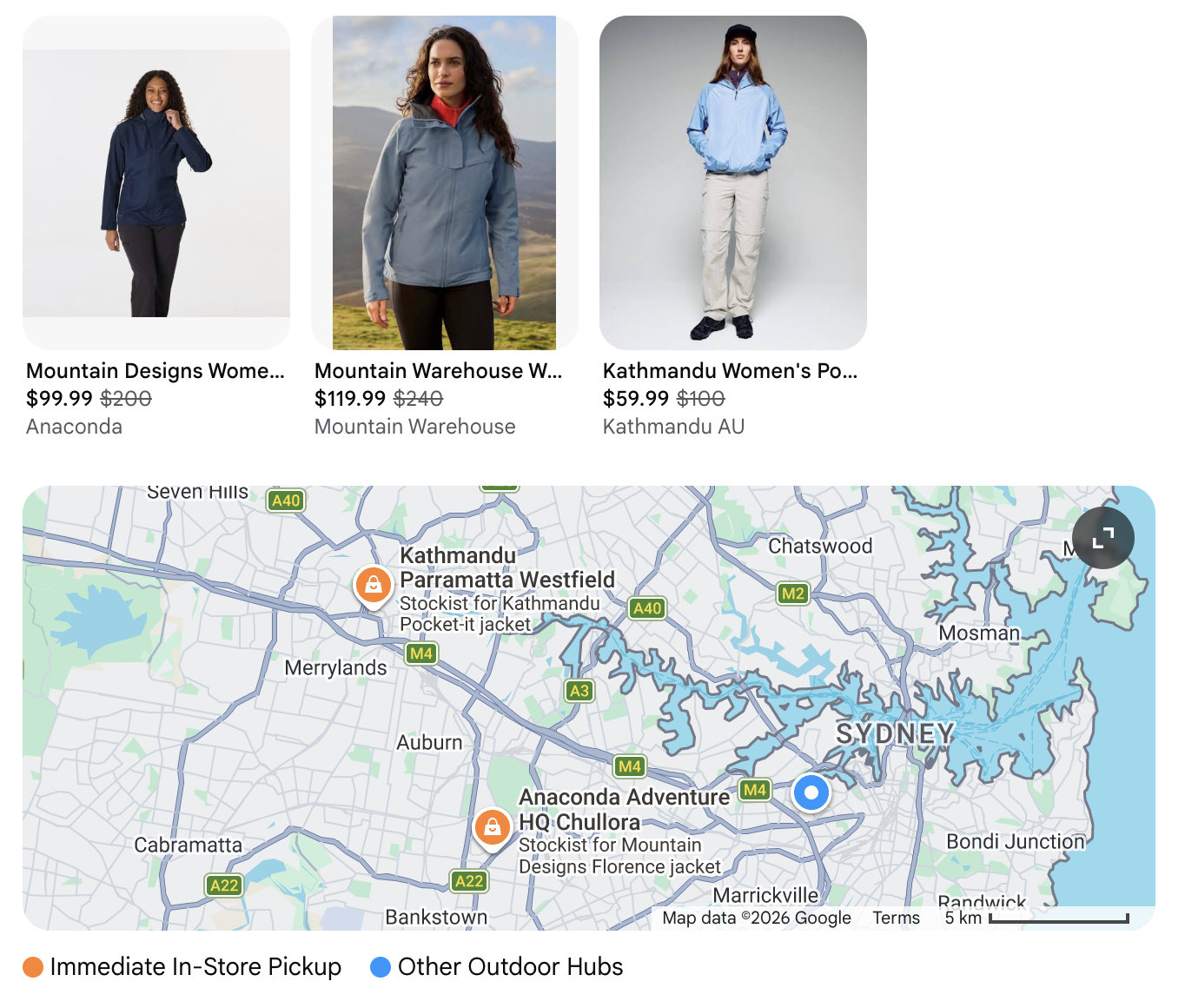
However, the study also highlighted a "trust gap" caused by agent assumptions. In many instances, AI agents made critical decisions without consulting the user. During a simulated purchase of office furniture, agents were observed selecting delivery slots, choosing "similar" colors when the requested one was out of stock, and pre-filling postcodes based on past data without verification. While these actions reduce friction, they also increase the likelihood of "wrong-item" deliveries, which remains a primary hurdle for consumer confidence.
Strategic Optimization: The Three Levels of Retailer Readiness
To remain competitive as agentic protocols mature, retailers are being advised to optimize their digital presence across three specific levels:
1. The Product Level: Structured Attribute Sets
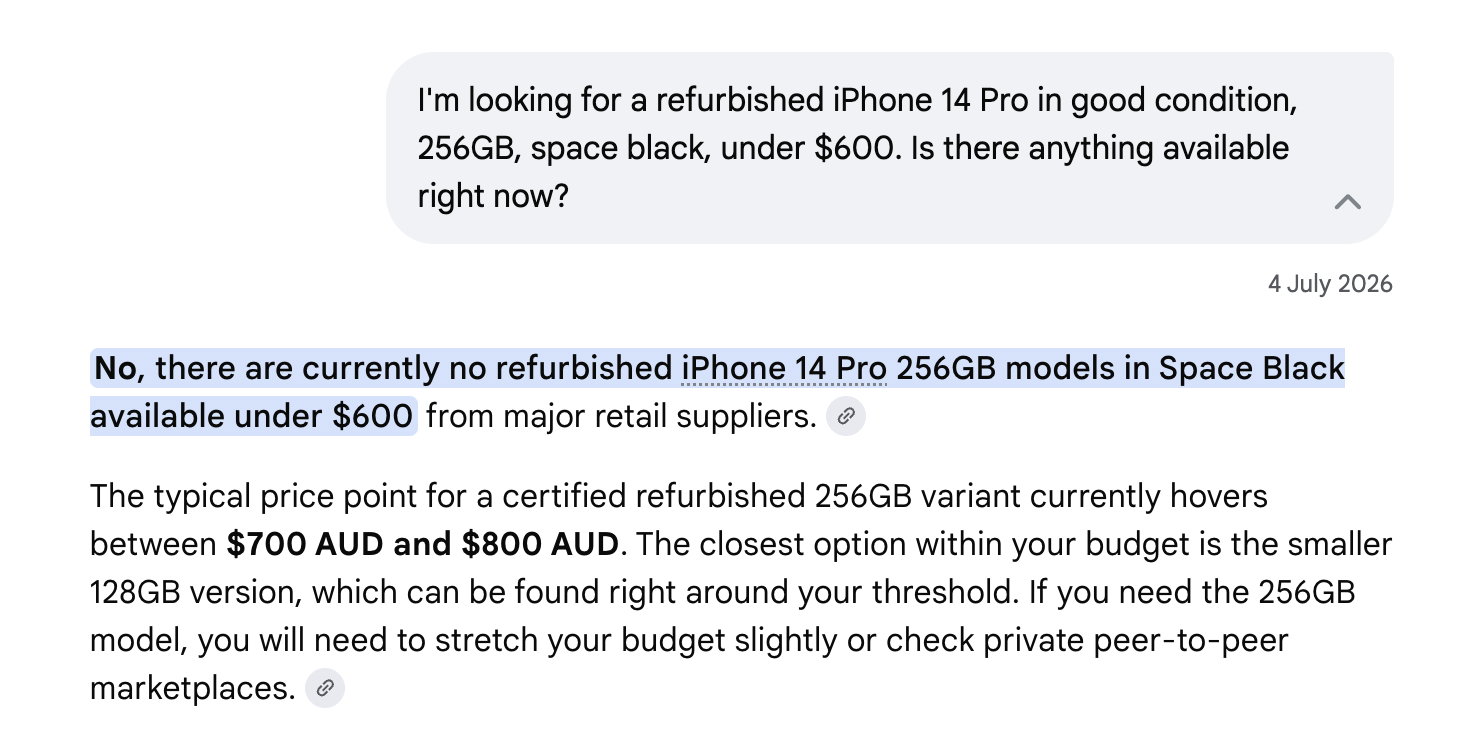
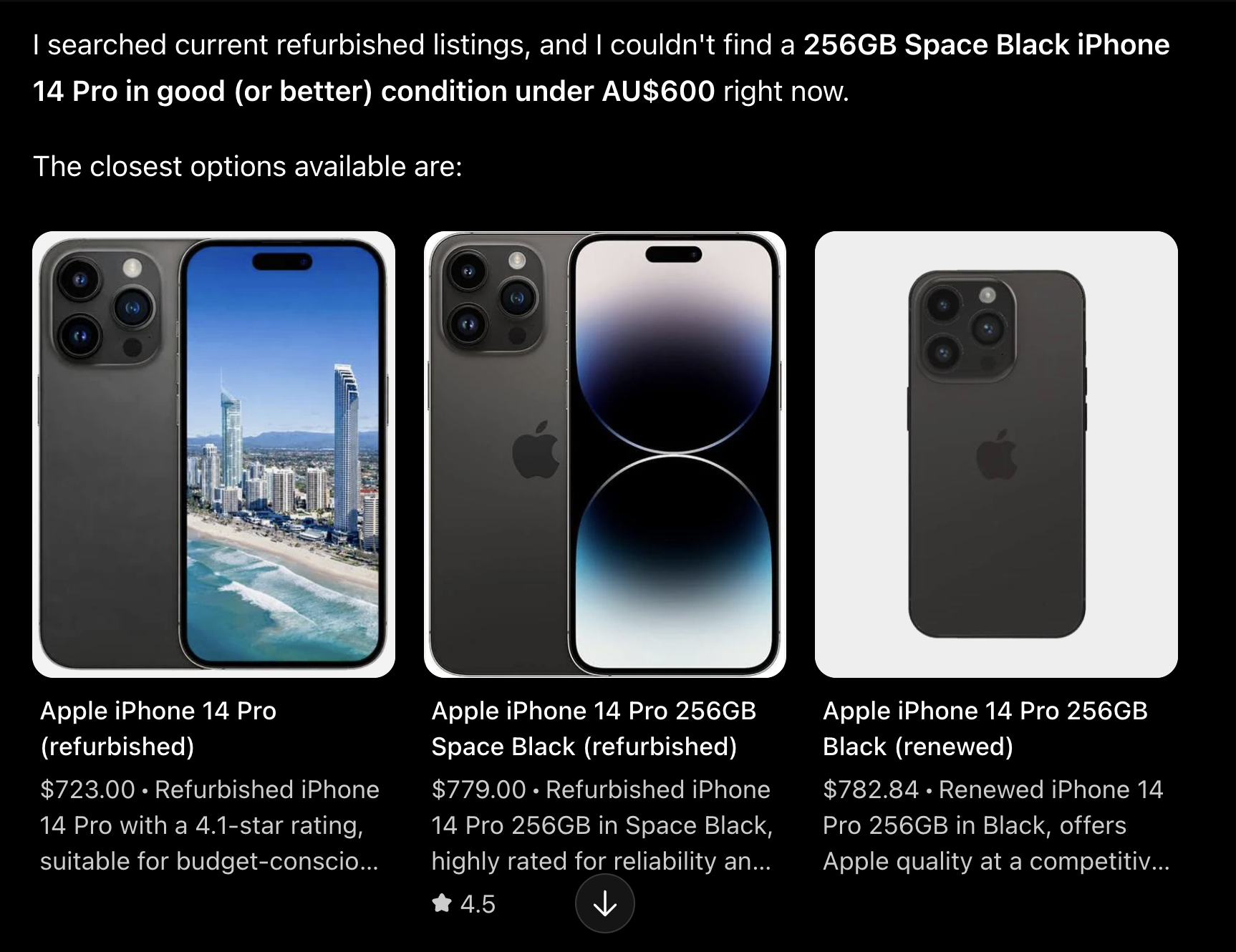
AI agents do not "read between the lines" of marketing copy. Vague descriptions like "perfect for summer" are less effective than structured data indicating "100% linen, breathable weave, SPF 50+." Retailers must ensure that their product feeds include exhaustive attributes, accurate facets, and high-quality metadata. This allows an agent to confidently match a product to a highly specific user query, such as "a refurbished iPhone 14 Pro, 256GB, Space Black, under $600."
2. The Retailer Level: Trust and Logistics Layers
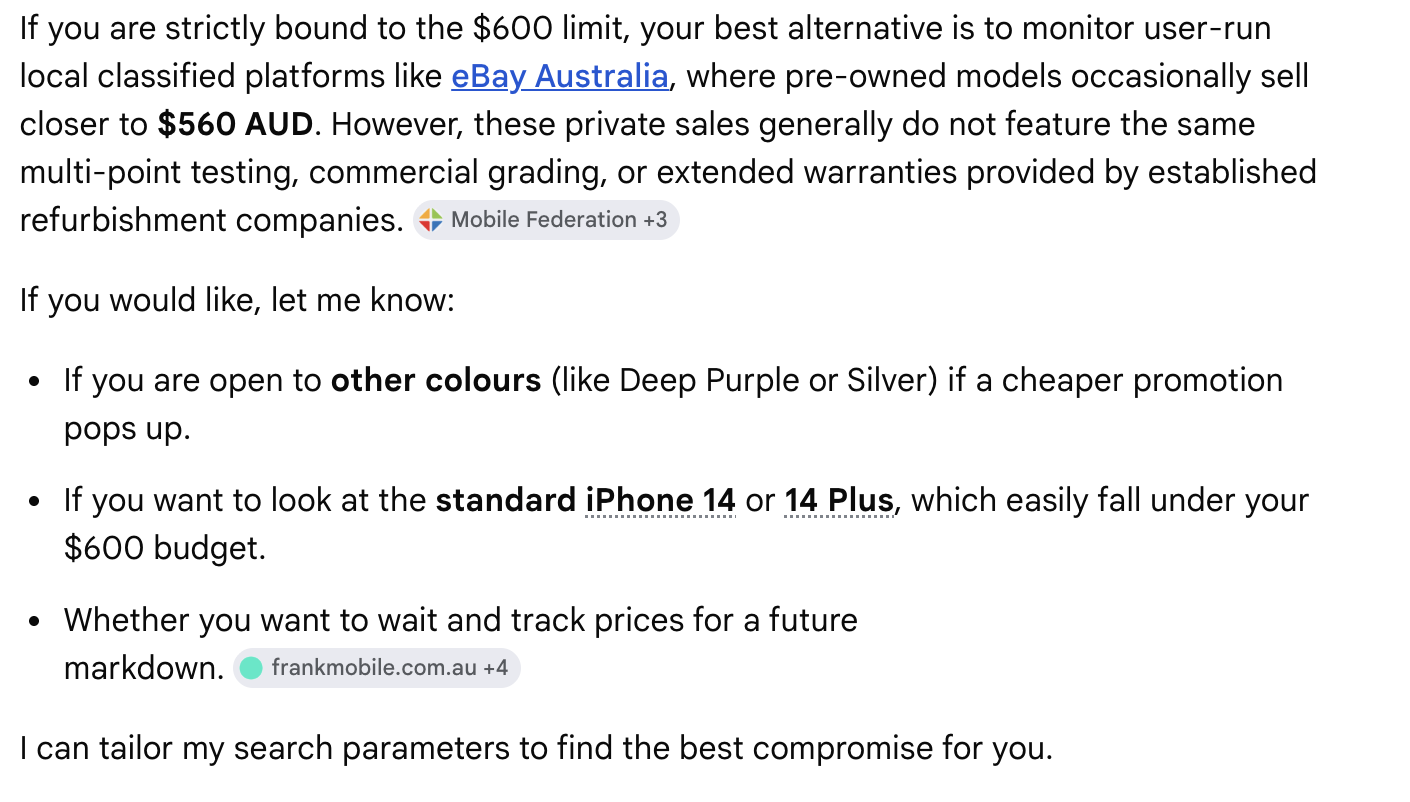
In the agentic model, the retailer is evaluated as rigorously as the product. Agents prioritize retailers that provide clear signals regarding return policies, warranty terms, and seller ratings. Furthermore, retailers must expose their "logistics layer"—real-time stock levels and shipping windows—to ensure they are not filtered out of results by agents prioritizing speed and reliability.
3. The Audience Level: Personalization at Scale
As agents develop "memory" of user preferences, they will favor retailers whose brand positioning aligns with those preferences. If a user consistently buys sustainable or locally-made products, agents will prioritize stores that clearly tag their products with these values. Retailers who understand their audience segments and reflect those patterns in their digital content will be better positioned to win the agent’s recommendation.

Broader Implications and Future Outlook
The current state of agentic shopping is best described as a "pivot to discovery." Rather than attempting to own the entire transaction, AI platforms are currently serving as sophisticated conduits that guide users to the most relevant retailer site. For retailers, this is arguably a more favorable outcome, as it preserves the direct-to-consumer relationship while leveraging the power of AI-driven traffic.
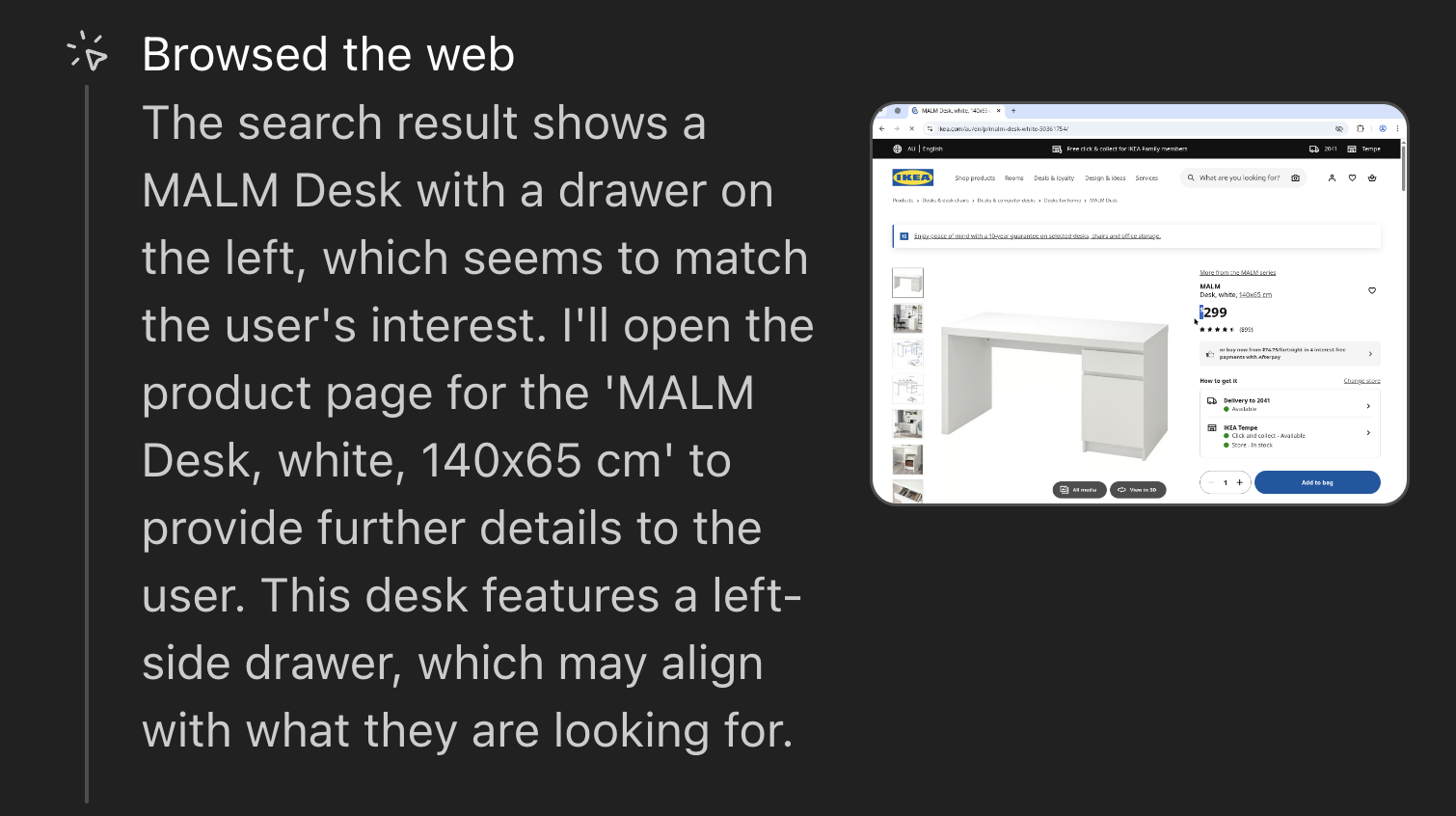
However, the long-term goal of autonomous commerce has not been abandoned. The development of specialized "browser-use" models and standardized AI-to-Web protocols suggests that the technical barriers—such as navigating complex JavaScript checkouts or bypassing bot protections—will eventually be lowered.

The primary challenge remains a human one: the balance between convenience and control. For agentic shopping to find its footing, the industry must develop a "sweet spot" where agents are autonomous enough to be useful but communicative enough to maintain user trust. Retailers who begin structuring their data and refining their logistics layers today will be the ones most likely to thrive when the next generation of agentic commerce arrives. The "false start" of 2026 was not the end of the technology, but rather the beginning of its maturation.







