Mountain View, CA – Google’s annual developer conference, Google I/O 2026, concluded this week with a series of announcements that fundamentally redefine the search experience, marking a decisive shift towards AI-powered interactions. The company revealed that its AI Mode, a conversational and generative search interface, has already surpassed one billion monthly users, with search queries growing at an unprecedented rate. This seismic change signifies the obsolescence of the traditional "blue link" search results page as the primary gateway for consumers and businesses seeking information online.
The implications for B2B marketers are profound, requiring an urgent re-evaluation of content strategies and optimization tactics. Google’s own data, presented during the conference, indicates a dramatic evolution in user behavior, with search queries tripling in length, follow-up conversations increasing by 40% month-over-month, and one in six searches already incorporating multimodal inputs (text, images, video). This indicates a move away from simple keyword-based searches towards more complex, exploratory, and decision-oriented inquiries.
TopRank Marketing, a firm specializing in B2B marketing and search optimization, has been anticipating this shift, framing their "Best Answer Marketing" (BAM) system as the strategic approach for brands to thrive in this new AI-centric search landscape. Their analysis of the Google I/O 2026 announcements highlights that the tactics previously circulating in the market, such as creating specific file types like LLMS.txt or manufacturing mentions, are now explicitly deemed ineffective by Google. Instead, the focus is on creating unique, non-commodity content backed by original research, genuine thought leadership, and robust credibility signals that AI systems can recognize and reward.
A Year of Accelerated AI Integration in Search
The transition to an AI-first search experience has been a rapid evolution. At Google I/O 2025, the introduction of AI Mode and early agentic capabilities hinted at the future, but the full scope of its impact on B2B marketing was still being assessed. A year later, the picture is remarkably clear: Google’s search interface has been overhauled, moving beyond a mere information retrieval tool to become an active participant in user decision-making across the entire buyer journey.
Elizabeth Reid, Google’s VP of Search, described the 2026 announcements as "the next step in bringing together the best of a search engine with the best of AI." This sentiment underscores the company’s commitment to integrating generative AI capabilities seamlessly into the core search product. The familiar search box has been entirely reimagined, now capable of dynamically expanding to accommodate longer, more conversational queries. It also supports multimodal inputs, allowing users to upload files, images, and videos alongside text. AI-powered query suggestions are also evolving beyond simple autocompletion, offering more contextually relevant prompts.
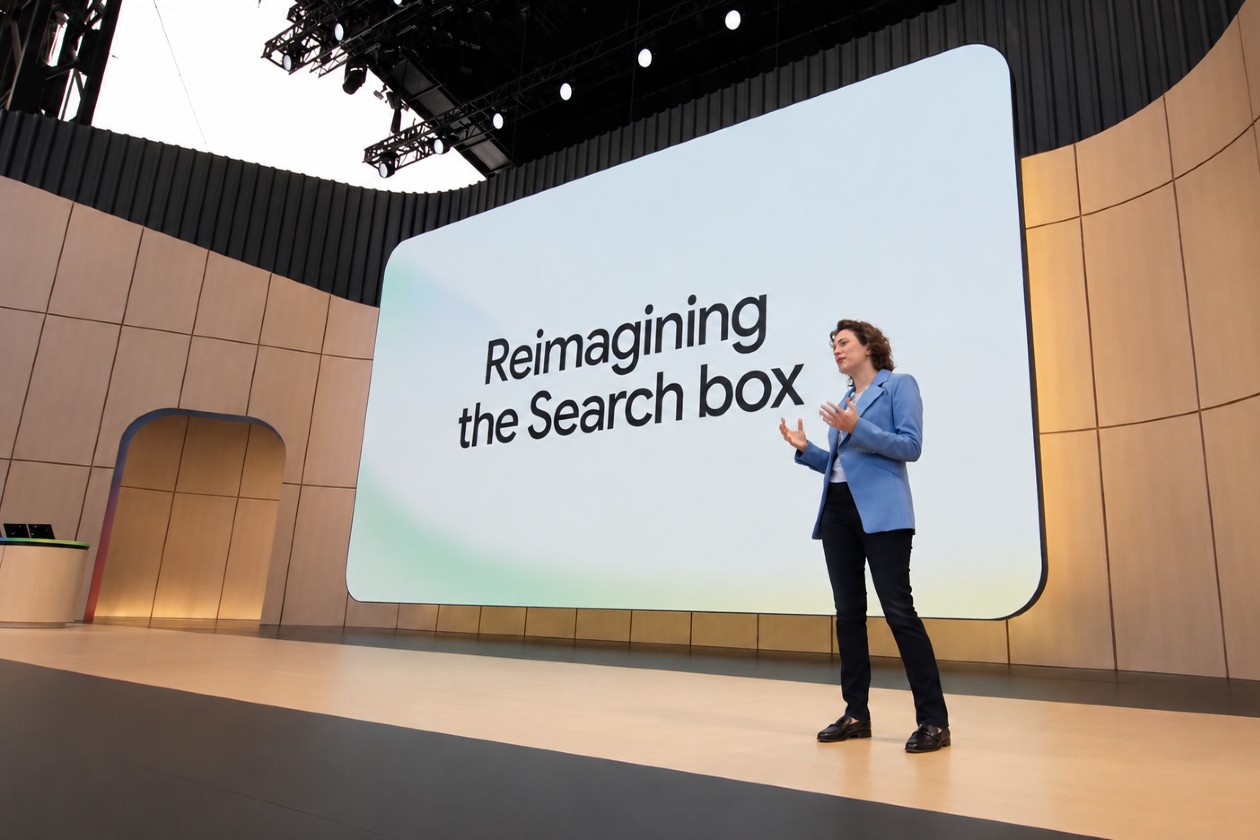
The Demise of the "Ten Blue Links"
The most striking confirmation from Google I/O 2026 is the effective end of the traditional "ten blue links" as the primary search result format. In their place, Google is rolling out an AI-powered experience centered on synthesized answers, autonomous information agents, and dynamically generated user interfaces. This paradigm shift means that simply optimizing for page one rankings is no longer sufficient. The new objective is to be referenced within AI-generated answers.
This transition has led to a growing discussion around "zero-click search," a phenomenon where users receive the information they need directly within the search interface without needing to visit a website. Jon Miller, Co-Founder of Stealth AI Startup and Co-Founder of Marketo, commented on this evolution, stating, "It’s not about showing up on the page one of Google. It’s about getting referenced inside of an AI answer… The playbooks that we used to use just don’t work anymore." This shift necessitates a move towards content strategies that prioritize being cited and utilized by AI, rather than solely driving direct traffic.
Behavioral Data Reveals Shifting User Habits
Google’s release of behavioral data on AI Mode usage in the U.S. provides critical insights for B2B marketers. This data reinforces the importance of customer-centric content and highlights the types of content strategies required for visibility, trust, and selection within AI search. The findings confirm that brands investing in credibility, trust, and structured, citable content are already seeing tangible benefits in visibility, brand preference, and pipeline growth. Conversely, B2B brands still heavily reliant on traditional organic click-through optimization face a narrowing window to adapt.
Key Announcements from Google I/O 2026
The conference detailed several significant advancements in Google’s search capabilities:
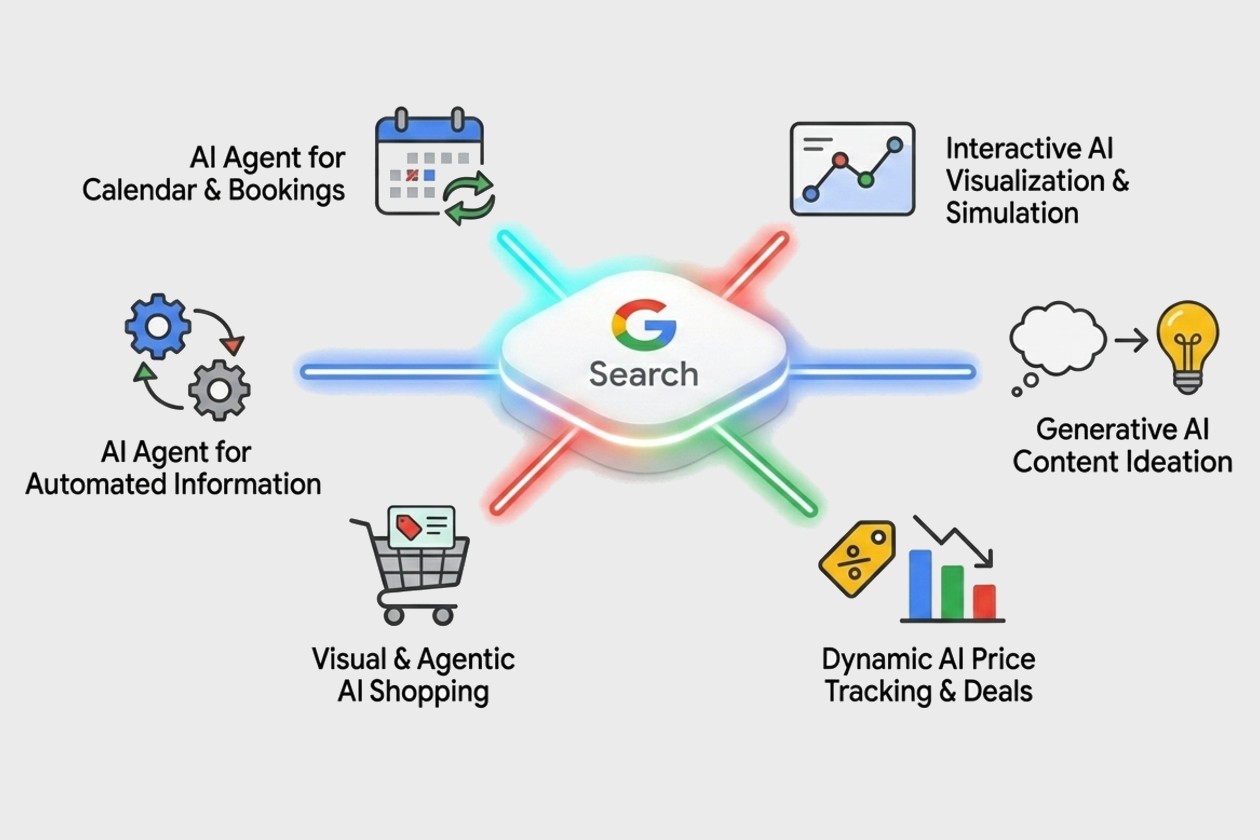
- Reimagined Search Interface: The search box has undergone its first major redesign in 25 years, designed to handle complex, conversational queries and a wider range of input types.
- AI Mode at Scale: AI Mode has rapidly gained traction, exceeding one billion monthly users, with query volume more than doubling each quarter. AI Overviews now reach an impressive 2.5 billion monthly users, solidifying AI as the dominant search paradigm.
- Search Agents: Users can now create and manage AI agents within the Google search interface. These agents operate 24/7, monitoring topics, synthesizing information, and delivering actionable insights. This introduces "agents" as a new audience for content, complementing human users.
- Generative UI: Google is enabling users to create custom, interactive experiences directly within search results. This includes visual explainers and stateful mini-applications, allowing for on-the-fly comparison tables and other dynamic content formats.
The "query fan-out" capability, introduced in 2025, has now evolved into a full agentic system. Google’s AI optimization guide confirms that both query fan-out and retrieval-augmented generation (RAG) remain critical to core search ranking systems, emphasizing that foundational content authority continues to influence what AI cites. This suggests that while the method of delivery has changed, the importance of high-quality, authoritative content remains paramount.
Understanding User Behavior in AI Mode
The behavioral data from AI Mode usage reveals several key trends:
- Extended Query Length: The average AI Mode search query is now three times longer than traditional searches. This indicates users are asking more nuanced, contextual questions rather than relying on short, keyword-focused queries. This shift renders keyword-centric content strategies increasingly misaligned with user intent.
- Increased Follow-Up Conversations: A 40% month-over-month increase in follow-up queries signifies that users are engaging in deeper exploration. Brands that provide comprehensive, interconnected content across a topic are more likely to remain in consideration throughout these extended interactions.
- Rise of Multimodal Search: More than one in six AI Mode searches are now non-textual, with image input alone increasing by over 40% month-over-month. This underscores the growing importance of visual and multimedia content for B2B content strategies.
The top initial words in AI Mode queries include "What," "How," "I," "Is," and "Can," coupled with keywords like "Information," "Identify," "Find," "Explain," and "Summarize." This pattern clearly points to a search experience built around questions and explanations, moving beyond simple keyword matching. Content that directly answers "what" and "how" questions with clear frameworks and expert perspectives is precisely what AI Mode is designed to surface.
Google’s research categorizes AI Mode usage into five behavioral modes, each offering strategic implications for B2B marketers:
- Explore: Brainstorming-related queries are growing 30% faster than overall AI Mode queries. This mode is crucial for the early stages of buyer journeys, where prospects are identifying problems and exploring open-ended concepts. TOFU (Top of Funnel) content needs to cater to this exploratory mindset.
- Decide: Searches beginning with "which" have increased 40% faster than overall AI Mode queries. In B2B, these evaluation-stage queries—such as "which platform?" or "which provider?"—are heavily influenced by trust signals, comparative content, and third-party validation.
- Learn: AI Mode is extensively used for professional development and deep-dive learning. Brands that produce educational content, including original research and expert-led explainers, can become the foundational sources for AI Mode’s learning sessions.
- Do: Planning-related queries have grown 80% faster than overall AI Mode queries. Google’s Canvas tool, used for complex planning tasks, highlights the demand for structured, actionable content like step-by-step guides and templates.
- Create: Image creation queries in AI Mode have more than tripled this year, indicating AI’s growing role as a productivity tool. B2B buyers are increasingly using AI for creative workflows, suggesting an opportunity for brands to produce modular, repurposable content that AI can integrate.
The "Best Answer Marketing" Framework: Adapting to the New Search Reality
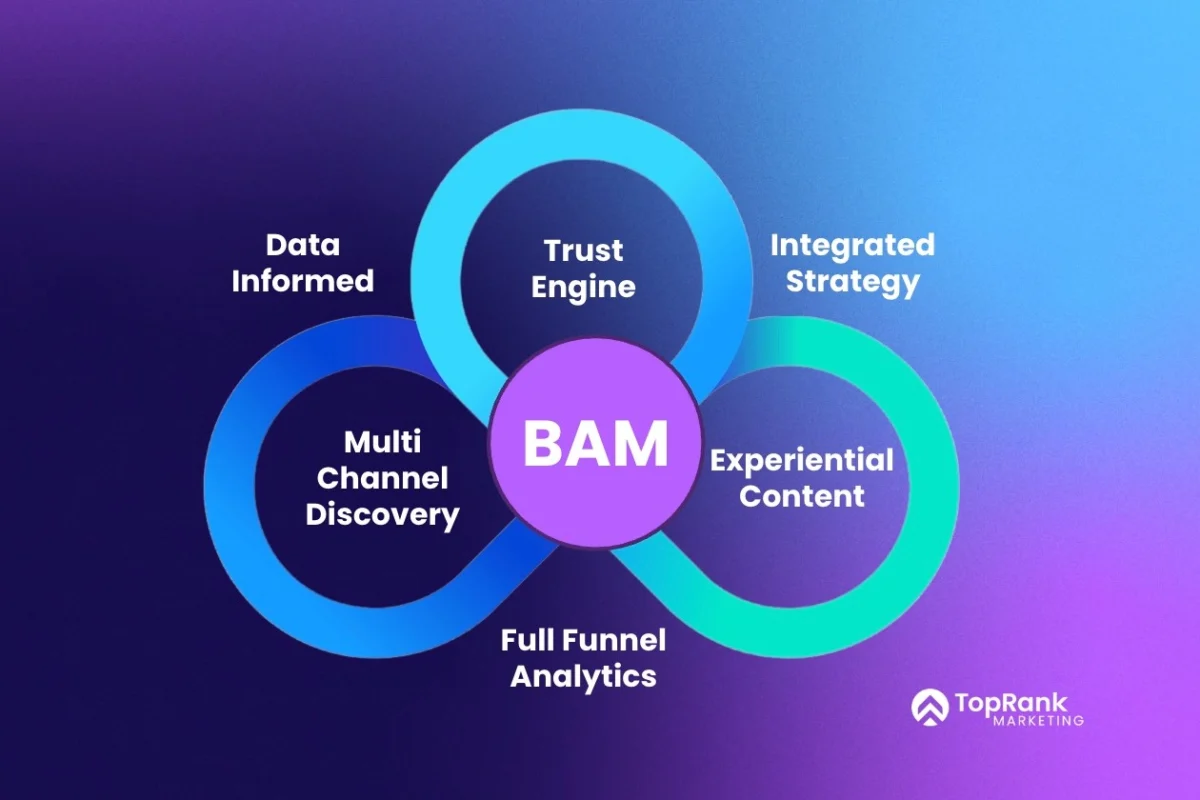
The Best Answer Marketing (BAM) framework, developed by TopRank Marketing, is designed to address these evolving buyer behaviors and technological shifts. The framework emphasizes that success in AI-driven search hinges on producing authoritative, trustworthy, and readily citable content.
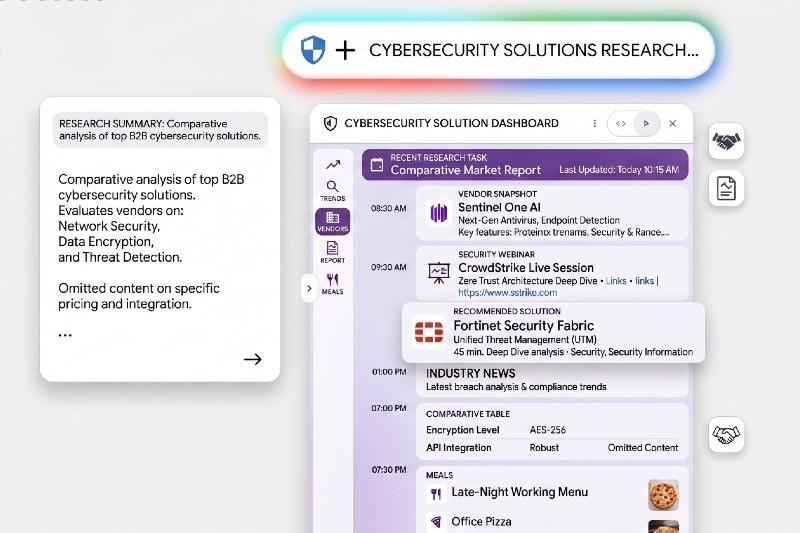
Google’s own AI search optimization guide reinforces this, distinguishing between "commodity content" (generic information) and "non-commodity content" (unique, expert perspectives). The guide explicitly warns against tactics like creating LLMS.txt files or manufacturing mentions, instead prioritizing genuine expertise and original insights. This aligns directly with BAM’s core pillars.
- Data Informed: This pillar focuses on answering the specific questions buyers are asking, moving beyond keyword optimization to address the "what" and "how" with data-backed insights. Original research and customer data are paramount for creating content that AI can leverage.
- Integrated Strategy: With the rise of follow-up conversations and multi-channel discovery, a coherent and deep topical coverage across the buyer journey is essential. Brands must orchestrate consistent narratives across various formats and channels to remain relevant.
- Trust System: In the "Decide" stage, credibility is key. BAM emphasizes building trust through E-E-A-T (Experience, Expertise, Authoritativeness, Trustworthiness) principles, original research, expert authorship, and genuine thought leadership, ensuring content is recognized as reliable by AI systems.
- Experiential Content: The surge in multimodal search necessitates a move beyond text-only content. Visuals, videos, and interactive formats are crucial for capturing attention and providing comprehensive answers. Structured, actionable content is also vital for supporting AI’s planning and creation capabilities.
- MultiChannel Visibility: As buyers utilize an average of 10.2 channels during their purchase journey, a multi-channel approach is critical for discovery across all five behavioral modes. This involves optimizing content for various platforms and formats beyond traditional search.
- Unified Analytics: With the decline of direct click metrics, measuring success requires a shift towards AI citation rates, brand mention share, topic authority, and pipeline influence. Unified analytics, leveraging AI-powered data warehouses, are essential for tracking performance in an agent-driven world.
The Urgency for B2B Brands
The new Google Search interface is rolling out immediately, with generative UI features to follow shortly. Information agents and mini-app building will become available to subscribers first, then to a broader audience. This accelerated timeline leaves little room for B2B brands to delay their adaptation.
The behavioral data presented at Google I/O 2026 provides a compelling case for immediate action. Triple-length buyer questions, increasing follow-up conversations, and rapid growth in multimodal search are not future trends; they are present realities. Brands that strategically align their content with these AI-driven buyer behaviors are poised to build authority and foster brand preference among both AI systems and human decision-makers.
As TopRank Marketing noted last year, embracing a Best Answer Marketing strategy was the path for B2B marketers to evolve from merely being found to becoming the indispensable answer customers seek. A year later, Google’s latest revelations confirm this trajectory. Building brand credibility and consensus across channels through integrated content experiences is now the definitive strategy for B2B companies to transition from blending in to becoming "Best Answer Brands." The opportunity to adapt and lead in this new era of AI-powered search is now.