Nissin Foods USA, a company synonymous with culinary innovation and the creator of the iconic instant ramen noodle, has embarked on a significant digital transformation by integrating advanced artificial intelligence (AI) and machine learning (ML) technologies into its supply chain. This strategic move, announced in late July, marks a pivotal moment for the venerable food manufacturer, signaling a decisive shift from traditional, often manual, planning processes to a sophisticated, data-driven operational model. The adoption of Blue Yonder’s Demand and Supply Planning solution, powered by AI and ML, in partnership with Highspring, a professional services organization specializing in supply chain-as-a-service, positions Nissin Foods USA at the forefront of modern supply chain management.
The company’s decision to embrace AI is a direct response to the evolving complexities of the global marketplace, characterized by fluctuating consumer demands, intricate distribution networks, and the persistent need for operational efficiency. By transitioning from “legacy planning tools to a fully integrated AI-powered supply chain solution,” Nissin Foods USA aims to achieve unprecedented levels of accuracy, agility, and responsiveness. This technological leap is not merely an upgrade of existing systems; it represents a fundamental reimagining of how the company plans, forecasts, and executes its supply chain operations, ultimately impacting its ability to serve customers and maintain its competitive edge.
A Legacy of Innovation Meets Future-Forward Technology
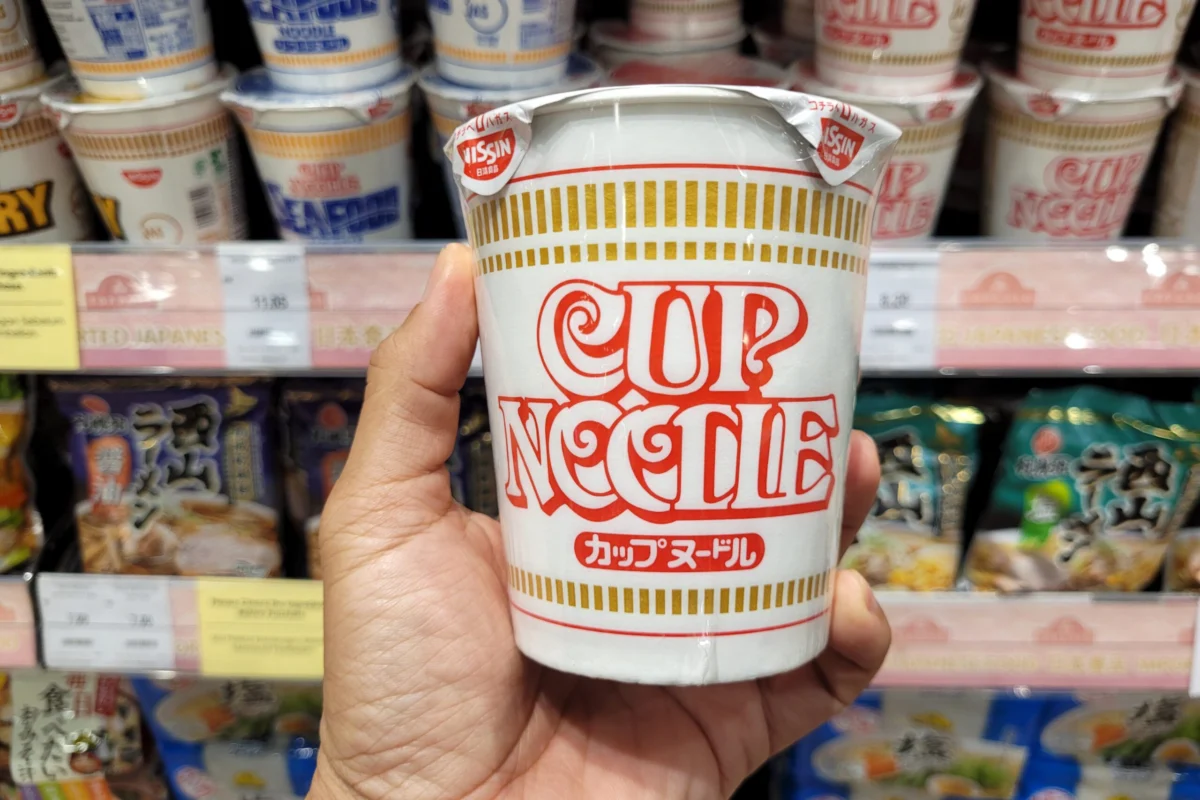
Founded in 1958, Nissin Foods has a rich history of pioneering food products. Its invention of the first instant ramen noodle in Japan and the subsequent launch of "Cup Noodle" in 1971 (later introduced as "Cup Noodles" in the U.S. in 1973) revolutionized the way people consume food, making convenient, high-quality meals accessible worldwide. This spirit of innovation, deeply ingrained in the company’s DNA, now extends to its operational backbone. The adoption of AI in its supply chain is a testament to Nissin Foods’ commitment to continuously evolving and adapting to meet the demands of the modern consumer and the global business landscape.
The implementation of Blue Yonder Demand and Supply Planning is a cornerstone of this transformation. This solution leverages AI and ML to move beyond traditional, often sales-driven forecasting, which can be susceptible to human bias and historical inaccuracies. Instead, Nissin Foods USA will benefit from “accurate, unbiased, and data-driven planning capabilities.” This means that demand forecasting will be informed by a more comprehensive analysis of market trends, consumer behavior patterns, and external factors, leading to more precise predictions and optimized inventory management.
Enhancing Visibility, Agility, and Collaboration
The benefits of this AI-powered transformation are multifaceted and designed to create a more robust and efficient supply chain. According to statements released by the involved parties, Nissin Foods USA will experience enhanced visibility across its entire supply chain, allowing for a clearer understanding of inventory levels, production schedules, and distribution flows. This increased transparency is critical for identifying potential bottlenecks and proactively addressing challenges before they impact operations or customer service.
Agility is another key outcome expected from this integration. In a rapidly changing market, the ability to quickly adapt to unforeseen circumstances—whether it’s a sudden surge in demand for a particular product or a disruption in the supply of raw materials—is paramount. AI-powered planning tools can analyze vast amounts of data in real-time, enabling Nissin Foods USA to make swift, informed decisions and pivot its strategies accordingly.
Furthermore, the new system is designed to foster improved collaboration among different departments. By providing a unified, data-driven platform, supply chain, finance, and operations teams can work in greater synergy. This integrated approach ensures that all stakeholders are operating with the same accurate information, leading to better alignment of goals and more cohesive decision-making.
Yukio Yokoyama, chief representative for the Americas and CEO of Nissin Foods, emphasized the strategic importance of this digital overhaul. He stated, "By leveraging advanced planning capabilities, we will be able to make smarter decisions, respond more quickly to market changes, and operate more efficiently across our business." This sentiment underscores the company’s ambition to not only optimize internal processes but also to enhance its external relationships. Yokoyama further elaborated on the impact on customer partnerships: "Just as importantly, this transformation will strengthen our partnerships with customers by helping us better serve their needs, anticipate changing demand, and adapt to evolving consumer preferences, ensuring we continue to deliver the quality, reliability, and value they expect from Nissin Foods." This forward-looking statement highlights a customer-centric approach, where operational efficiency directly translates into improved customer satisfaction and loyalty.
The Mechanics of AI in Supply Chain Planning
The Blue Yonder Demand and Supply Planning tool, at the heart of Nissin Foods USA’s new system, features an “intelligent optimization solver.” This sophisticated engine is designed to achieve a delicate balance between increasing service levels and minimizing operational costs. The companies assert that this will enable Nissin Foods USA to “increase fill rates while reducing existing inventory levels and maximizing resource utilization.”
- Increased Fill Rates: By accurately forecasting demand and optimizing inventory, Nissin Foods USA can ensure that products are available when and where customers need them, thereby improving the percentage of customer orders that can be fulfilled completely and on time. This is a critical metric for customer satisfaction and market share.
- Reduced Inventory Levels: Traditional supply chains often carry excess inventory to buffer against forecast inaccuracies or potential disruptions. AI-powered planning can significantly reduce this need by providing more precise demand signals, leading to lower carrying costs, reduced waste, and improved cash flow.
- Maximized Resource Utilization: From manufacturing capacity and labor to transportation and warehousing, AI can help optimize the allocation and utilization of all resources. This means ensuring that production lines are running at optimal efficiency, delivery routes are as cost-effective as possible, and warehouse space is managed effectively.
Beyond these core benefits, the Blue Yonder and Highspring offering provides several other advantages:
- Enhanced Forecast Accuracy: AI and ML algorithms can identify complex patterns and correlations in data that human analysts might miss, leading to more accurate demand forecasts. This includes accounting for seasonality, promotional impacts, and external economic factors.
- Optimized Replenishment and Production Planning: With improved demand forecasts, Nissin Foods USA can more effectively plan when and how much product to replenish or produce, ensuring that inventory aligns precisely with anticipated sales.
- Proactive Risk Mitigation: AI can identify potential disruptions in the supply chain, such as supplier delays or transportation issues, allowing for proactive measures to be taken to minimize their impact.
- Streamlined Decision-Making: By providing actionable insights and recommendations, the AI system empowers planners and managers to make faster, more informed decisions.
Bob Patel, managing partner and practice leader for retail planning and supply chain management at Highspring, commented on the partnership, stating, "With AI- and ML-driven innovation from Blue Yonder and Highspring’s deep domain experience coupled with unique supply chain-as-a-service, we look forward to serving Nissin Foods in its vision to improve its operational efficiency, improve forecast accuracy, and make better planning decisions, allowing Nissin to focus on its core competency by offering an innovative variety of products at a faster pace." This highlights the collaborative nature of the project and the shared goal of empowering Nissin Foods to concentrate on its product development and innovation, while the technology handles the complexities of supply chain optimization.
Broader Implications for the Food Industry and Beyond
Nissin Foods USA’s adoption of AI in its supply chain is indicative of a broader trend across various industries, particularly the food and beverage sector. As global supply chains become increasingly complex and consumer expectations for speed and availability rise, companies are turning to advanced technologies to maintain a competitive edge. The success of this implementation could serve as a case study for other food manufacturers looking to modernize their operations.
The implications extend beyond operational efficiency. Enhanced supply chain management can contribute to greater sustainability by reducing waste through better inventory control and optimizing transportation routes to minimize fuel consumption. It also reinforces brand loyalty by ensuring product availability and consistent quality, which are crucial in the competitive food market.
The integration of AI into supply chain planning is not a one-time event but an ongoing process of refinement and adaptation. As AI technologies continue to evolve, companies like Nissin Foods USA that embrace them early are poised to reap significant benefits, solidifying their market positions and paving the way for future innovations. This strategic investment in technology underscores a commitment to long-term growth and a proactive approach to navigating the dynamic global marketplace.