

The digital landscape has undergone a profound transformation, moving far beyond the simplistic keyword-matching algorithms that once defined search engine optimization. Today, content creators and publishers face an increasingly sophisticated Google search engine that prioritizes a nuanced understanding of user intent, contextual relevance, and, critically, the quality and credibility of information. This paradigm shift necessitates a fundamental re-evaluation of content strategy, placing the principles of Experience, Expertise, Authoritativeness, and Trustworthiness (E-E-A-T) at its core.
The Genesis of Search and the Paradigm Shift
In its nascent stages, Google’s primary function was remarkably straightforward: to index web pages and return results based on the direct correlation between a user’s search query and keywords present within a document. This era, largely dominated by the PageRank algorithm, inadvertently fostered a culture of "keyword stuffing" and manipulative SEO tactics, where content quantity often trumped genuine value. The goal was to pepper pages with relevant keywords to game the system, leading to a proliferation of low-quality, often unhelpful, content in search results.
However, Google’s ambition has always been to deliver the most relevant and reliable information. Over the past two decades, successive algorithmic updates have marked a steady progression towards this goal. Key milestones like Hummingbird (2013) introduced semantic search, allowing Google to understand the meaning behind queries rather than just the words. RankBrain (2015), an AI-based system, further enhanced this understanding, particularly for novel and ambiguous queries. Subsequent advancements, including BERT (Bidirectional Encoder Representations from Transformers) in 2019 and MUM (Multitask Unified Model) in 2021, have dramatically improved Google’s ability to comprehend complex language, cross-reference information, and provide comprehensive answers, often synthesizing information from multiple sources. This continuous evolution means Google no longer merely matches keywords; it deciphers intent, grasps context, and, most importantly, assesses the inherent quality of content.
E-E-A-T: Google’s Cornerstone of Quality
Central to this advanced understanding of content quality is the E-E-A-T framework. First introduced as E-A-T (Expertise, Authoritativeness, Trustworthiness) within Google’s Search Quality Raters’ Guidelines, the framework was expanded in December 2022 to include "Experience," becoming E-E-A-T. This addition underscored Google’s increasing emphasis on first-hand experience as a crucial signal of quality, particularly for product reviews, how-to guides, and personal narratives.
The E-E-A-T concept is meticulously detailed in Google’s "Search Quality Raters’ Guidelines," an extensive document (over 160 pages) that instructs human quality raters on how to evaluate the relevance, accuracy, and overall helpfulness of web pages. These raters, a global workforce of over 10,000 individuals, do not directly influence rankings but provide crucial feedback that trains Google’s machine learning algorithms. Their assessments teach the algorithms what constitutes "high-quality" content in various contexts, helping the system to better identify and prioritize credible information.
- Experience: This refers to the content creator’s direct, first-hand experience with the topic. For instance, a product review written by someone who has actually used the product extensively demonstrates experience. A travel guide authored by someone who has visited the destination multiple times carries more weight.
- Expertise: This denotes specialized knowledge or skill in a particular field. A medical article written by a qualified doctor or a financial guide by a certified advisor exemplifies expertise.
- Authoritativeness: This reflects the reputation and recognition of the creator or website as a go-to source for information on a given topic. A website frequently cited by other reputable sources or an author with a history of publications in their field demonstrates authoritativeness.
- Trustworthiness: This is perhaps the most encompassing element, referring to the accuracy, honesty, and safety of the content and the website. Transparent sourcing, factual accuracy, secure website protocols (HTTPS), and a clear privacy policy all contribute to trustworthiness.
The introduction of E-E-A-T, and particularly the emphasis on Experience, reflects Google’s ongoing battle against misinformation and its drive to surface authentic, user-centric content. It’s a direct response to the growing demand for genuine insights over generic, AI-generated, or poorly researched information.
The Criticality of E-E-A-T in "Your Money or Your Life" (YMYL) Topics
While E-E-A-T is important across all content types, its significance is amplified for "Your Money or Your Life" (YMYL) topics. These are subjects where inaccurate or misleading information could directly impact a user’s health, financial well-being, safety, or overall welfare. Google holds YMYL content to the highest E-E-A-T standards due to the potential for harm.
Examples of YMYL topics and the expected E-E-A-T levels include:
- Medical and Health Information: Content discussing diagnoses, treatments, medications, or general health advice must come from highly credentialed medical professionals (doctors, scientists) or reputable scientific institutions. Misinformation in this area can have severe health consequences.
- Financial and Legal Advice: Articles on investments, loans, taxes, legal rights, or wills require expertise from certified financial advisors, lawyers, or official government bodies. Incorrect advice here can lead to significant financial losses or legal issues.
- News Reporting and Current Events: News articles must demonstrate journalistic expertise, factual accuracy, thorough investigation, and unbiased reporting. This includes proper citation of sources and clear differentiation between fact and opinion.
- Public Policy, Civics, and Government: Information related to voting, legislation, social services, or public policy demands sourcing from official government websites, academic researchers, or established political science experts.
- Topics Related to Children: Any advice or information concerning the safety, development, or education of children must originate from reliable, expert sources (e.g., pediatricians, child psychologists, educational specialists).
- Product Reviews and Purchasing Advice: With the addition of "Experience," product reviews are increasingly expected to reflect actual, first-hand usage. Reviewers should detail their methodology, provide evidence of their experience, and offer balanced, comprehensive assessments, moving beyond aggregated third-party opinions.
It’s crucial to note that "lack of reputation" does not automatically equate to low E-E-A-T. Many small websites or individual creators may not have widespread public recognition but can still produce exceptionally high E-E-A-T content, particularly when their personal, first-hand experience is highly relevant and demonstrably valuable. For example, a niche blogger detailing their unique experience fixing a rare car problem could be considered high E-E-A-T for that specific topic, even without a broader "authoritative" presence.
Strategic Pillars for Elevating Content E-E-A-T
To thrive in this E-E-A-T-driven search environment, content creators must abandon outdated SEO tactics like keyword stuffing and embrace a holistic approach focused on genuine value and credibility.
-
Deep Dive into Content Excellence:
Content strategists must move beyond superficial analysis of competitor content. Instead, they should meticulously examine what truly resonates with audiences. This involves analyzing not just what ranks, but what content garners significant social engagement (shares, comments), attracts high-quality backlinks, and demonstrates "evergreen" visibility—meaning it continues to draw traffic and engagement long after its publication date. Tools like content analyzers can reveal patterns in successful headlines, content formats, and depth, offering invaluable insights into user preferences and informational needs. By dissecting highly engaged content, publishers can reverse-engineer the elements that contribute to perceived quality and relevance. -
Cultivating Authority and Credibility:
Google actively seeks to identify the human beings and organizations behind content. This requires a conscious effort to build and showcase expertise.- Author and Organizational Schema: Implementing structured data markup (Schema.org) for authors and organizations helps search engines explicitly understand who created the content and the entity they represent. This provides clear signals about the source’s identity and nature.
- Building Personal Brand: Content creators should actively cultivate their personal brand as thought leaders. This includes seeking opportunities for interviews, podcast appearances, guest posts on reputable industry sites, and presenting at conferences. Each such engagement reinforces their expertise and authoritativeness.
- Showcasing Credentials: Author bios on websites should clearly state qualifications, experience, and any relevant awards or affiliations. Linking to social media profiles (especially professional ones like LinkedIn), academic papers, or other credible works further solidifies expertise.
- Monitoring Industry Leaders: Analyzing the content and strategies of established authorities in one’s niche can provide a roadmap for growth. Understanding how they engage with their audience and build their reputation offers actionable insights.
-
Embracing Topic Clusters and Semantic SEO:
The shift from keywords to topics is fundamental. Google’s advanced algorithms aim to understand the entire subject matter, not just isolated terms.- Pillar Content and Supporting Clusters: A topic cluster strategy involves creating a comprehensive "pillar page" that broadly covers a core topic (e.g., "Digital Marketing Guide"). This pillar page then links to multiple "cluster content" articles that delve into specific sub-topics in detail (e.g., "SEO Best Practices," "Social Media Marketing Strategies," "Content Marketing Funnels"). This interconnected structure signals to Google a deep and authoritative understanding of the overall subject.
- User Intent at the Forefront: Content planning must begin with understanding the various intents behind user searches related to a topic (informational, navigational, transactional, commercial investigation). Each piece of content should be tailored to satisfy a specific intent comprehensively.
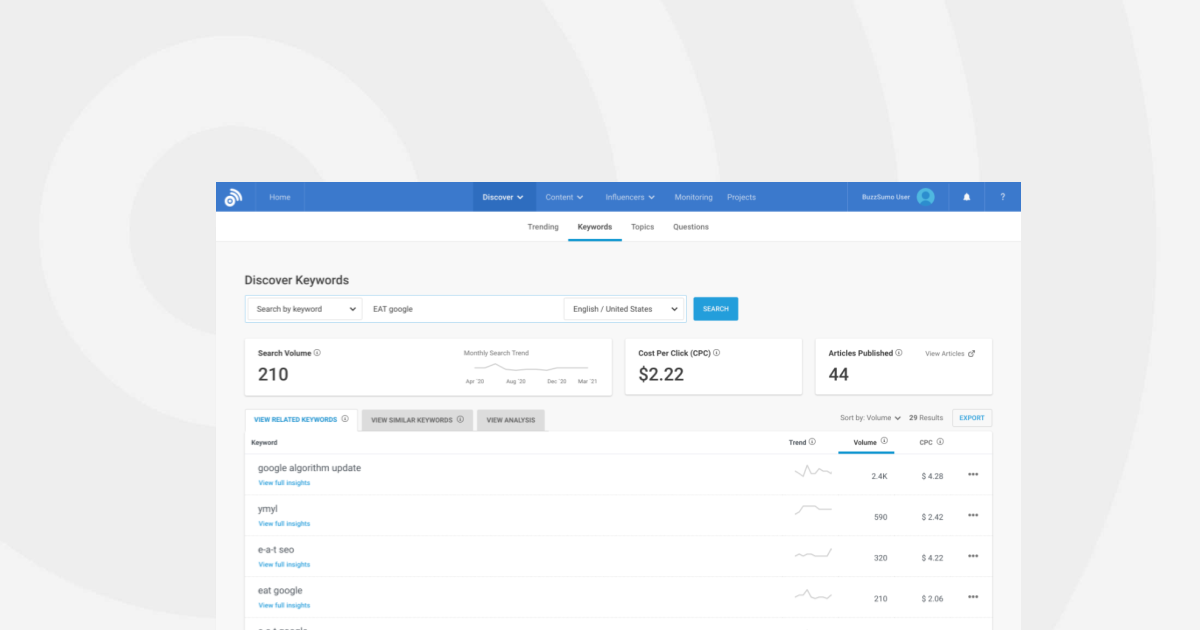
- Utilizing Topic Explorer Tools: Tools that identify popular associated topics around a core keyword can help content creators map out comprehensive content strategies that address a user’s entire journey of inquiry.
-
Optimizing for "Satisfying" Content Depth:
There is no universal "ideal" content length. Google’s guideline of a "satisfying amount" means the content should be as long as necessary to thoroughly address the user’s query and provide comprehensive value, without unnecessary padding.- Contextual Content Length: For a simple definition, a short, concise answer might be sufficient. For a complex guide or an investigative report, thousands of words might be required.
- Competitive Analysis: Analyzing the content length of top-ranking articles for a specific topic can provide a benchmark for what Google and users currently perceive as "satisfying." This data-driven approach helps determine the appropriate depth. For instance, if articles on "Social Media Marketing" averaging 3,000-10,000 words consistently show high engagement, it signals that users expect a thorough, in-depth guide for that topic.
-
Forging Strategic Relationships and Brand Mentions:
In the E-E-A-T era, "who you know" is increasingly important. Google’s quality raters consider a website’s reputation, which is often built through mentions and associations with other authoritative entities.- Beyond Traditional Link Building: While backlinks remain important, Google’s semantic understanding allows it to recognize brand mentions and associations even without direct links. Being referenced alongside influential brands or experts signals authority.
- Journalistic Relationships: Building genuine relationships with journalists, industry influencers, and media outlets is crucial. Pitching exclusive insights, providing expert commentary, and collaborating on content can lead to valuable mentions and features that elevate a brand’s E-E-A-T.
- Entity Recognition: Google understands entities (people, organizations, concepts) and their relationships. When a brand or individual is consistently mentioned in authoritative contexts, it strengthens their entity profile in Google’s knowledge graph, boosting their perceived authority.
-
Rigorous Sourcing and Fact-Checking:
Trustworthiness is paramount, especially for YMYL topics. Transparent and reliable sourcing is a direct signal of credibility.- Citing Diverse, Authoritative Sources: Content should regularly link to official reports, academic studies, reputable news organizations, government websites (.gov), and established industry bodies.
- Prioritizing Official Data: When presenting statistics, recommendations, or scientific findings, always prioritize original sources. For example, when discussing vaccine information, using the CDC or WHO websites as primary references is essential.
- Demonstrating Unbiased Research: Presenting multiple perspectives, acknowledging limitations, and avoiding sensationalism contribute to perceived objectivity and trustworthiness.
- Regular Content Audits: Periodically reviewing and updating content to ensure factual accuracy and current information is vital for maintaining E-E-A-T.
The Broader Implications for Digital Publishing
The shift towards E-E-A-T represents a fundamental maturation of search engine algorithms. It signals a move away from purely technical SEO trickery towards a more holistic approach where genuine value, credibility, and user satisfaction are the ultimate drivers of online visibility. For digital publishers and content marketers, this means:
- Convergence of Disciplines: Content marketing, public relations, and brand building are no longer siloed. A strong E-E-A-T strategy requires seamless integration across these functions.
- Investment in Quality: Creating high-E-E-A-T content demands significant investment in expert writers, thorough research, editorial oversight, and possibly direct experience. This is a long-term strategy, not a quick fix.
- Ethical Content Creation: The emphasis on trustworthiness inherently pushes content creators towards more ethical practices, discouraging plagiarism, misleading information, and undisclosed biases.
- Sustainable Visibility: Brands that consistently produce E-E-A-T-driven content are building a sustainable foundation for long-term organic visibility, less susceptible to algorithmic fluctuations that penalize low-quality content.
In conclusion, Google’s evolving intelligence, driven by advancements in AI and machine learning, means that the algorithms are increasingly capable of assessing content quality almost as discerningly as a human. The E-E-A-T framework is not merely a set of SEO guidelines; it is a blueprint for creating content that genuinely serves and informs users. For any entity aiming for sustainable success in the digital realm, adapting to this new standard by prioritizing experience, expertise, authoritativeness, and trustworthiness is no longer optional—it is imperative.








