In an increasingly dynamic digital landscape, the challenge of maintaining a relevant and effective online presence is paramount. Many organizations find their websites, once cutting-edge, gradually succumbing to obsolescence, failing to meet contemporary user expectations, security standards, or search engine requirements. This extensive guide details the critical steps and considerations for thoroughly modernizing an outdated website, transforming it from a digital relic into a powerful and compliant asset in today’s competitive online environment. The process encompasses a strategic re-evaluation of the site’s foundational setup, a rigorous audit and refresh of its content, and a comprehensive overhaul of its technical SEO, all aimed at delivering a superior user experience and achieving optimal visibility.
The Imperative of Digital Renewal: Why Modernization is Non-Negotiable
The internet evolves at an unprecedented pace, with new technologies, user behaviors, and regulatory frameworks emerging continuously. A website that has not been updated in several years faces significant risks, including diminished search engine rankings, increased vulnerability to cyberattacks, poor user engagement, and potential legal non-compliance. Research consistently shows that users form an opinion about a website in milliseconds; a dated design or slow performance can lead to immediate abandonment. For businesses, this translates directly into lost opportunities and a damaged brand reputation. Consequently, a proactive approach to website modernization is not merely beneficial but essential for sustained digital success.
Foundational Elements: Re-evaluating Your Site’s Core Infrastructure
The journey to a modernized website begins with a critical assessment of its underlying architecture. This foundational phase addresses major structural components that dictate a site’s stability, security, and scalability.
Strategic Overhaul: Domain, CMS, and Hosting
Before delving into granular details, it is prudent to consider any large-scale structural changes. This could involve decisions regarding the domain name, URL structure, Content Management System (CMS), or hosting provider. While these changes can be extensive, undertaking them at the outset can prevent more complex issues later in the modernization process.
- Domain Name Assessment: The domain name is a cornerstone of digital identity. While an existing domain carries established authority and brand recognition, its current status must be verified. Expired domains can be snatched up by competitors or domain squatters, necessitating the acquisition of a new one. A new domain presents an opportunity for a complete brand refresh, but it also means rebuilding search engine authority from scratch, a process that can take months or even years. Industry data indicates that established domains generally outperform new ones in initial search rankings due to accumulated trust signals, highlighting the value of retaining an existing domain if feasible.
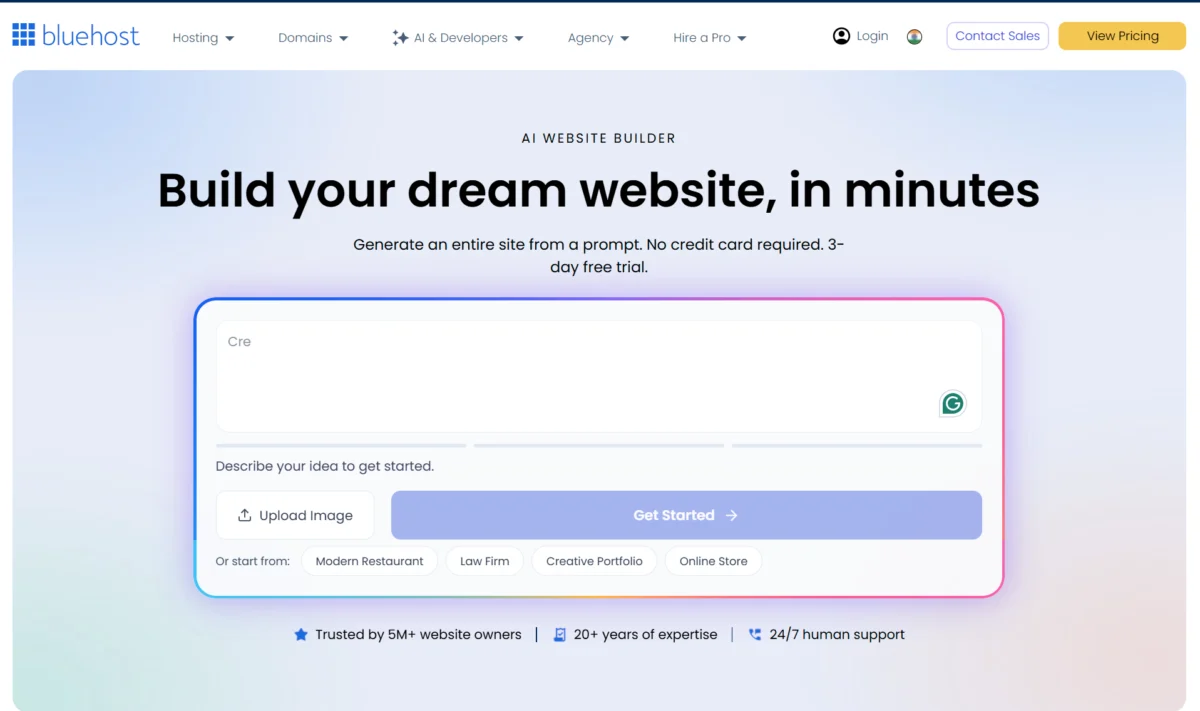
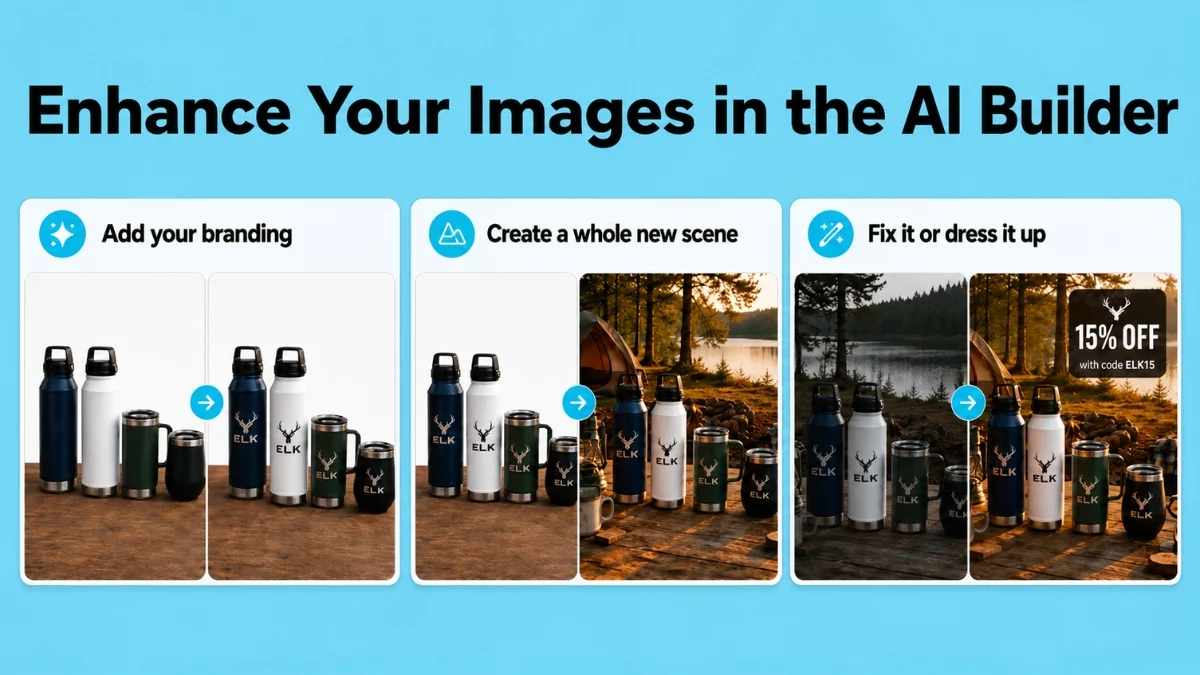
- Choosing a Modern Platform: The choice of CMS significantly impacts a website’s flexibility, ease of management, and scalability. Many older websites may be built on proprietary systems or outdated versions of popular CMS platforms. Modern options range from user-friendly website builders like Wix and Squarespace, which offer intuitive drag-and-drop interfaces for non-coders, to more robust and customizable solutions such as WordPress. WordPress, powering over 40% of all websites, offers unparalleled flexibility through its vast ecosystem of themes and plugins, making it suitable for sites expecting significant growth or requiring complex functionalities. Emerging AI website builders, such as Bluehost’s AI Website Builder, further streamline the creation process, allowing users to generate a functional site through simple prompts and guided questions, often bundling hosting and domain registration. Web development experts emphasize that the choice of CMS should align with long-term business objectives and internal technical capabilities.
- Hosting Provider Review: An efficient hosting provider is crucial for website performance and uptime. Outdated hosting infrastructure can severely bottleneck speed and security. Migrating to a modern hosting solution, particularly one optimized for the chosen CMS, can yield substantial improvements in loading times and resilience against traffic surges or cyber threats.
Platform Modernization: CMS and Plugin Updates
Outdated CMS versions and plugins are significant vectors for security vulnerabilities and performance degradation.
- CMS Updates: A well-maintained CMS integrates the latest web development advancements automatically, enhancing functionality, security, and compatibility. Neglecting CMS updates leaves a website exposed to known exploits. For instance, reports from cybersecurity firms frequently highlight that a substantial percentage of website breaches target vulnerabilities in outdated CMS installations. Before any major update, it is crucial to perform a full site backup and conduct thorough testing in a staging environment to prevent unforeseen conflicts.
- Plugin and Theme Management: Similarly, plugins and themes, which extend a CMS’s functionality and aesthetics, must be kept current. Older, unsupported plugins can cease to function correctly, introduce security holes, or conflict with core CMS updates. A comprehensive audit should identify and update all active plugins and themes, while any unnecessary or redundant components should be removed. This not only minimizes the attack surface but also improves site performance by reducing bloat. For WordPress users, the Site Health tool (Tools > Site Health) provides a valuable diagnostic report, flagging critical issues and recommending necessary actions.
Visibility Control: Managing Indexing and Robots.txt
Controlling how search engines interact with a website is a critical aspect of modernization, particularly during periods of significant overhaul.
- Strategic Noindexing: During extensive site reconstruction, some webmasters opt to
noindexthe entire site or specific pages to prevent search engines from crawling and indexing incomplete or broken content. This ensures users do not encounter a suboptimal experience via search results. However, this action should be undertaken with extreme caution, as it can temporarily remove the site from search visibility, potentially impacting organic traffic. Industry best practices suggest avoiding a full site noindex if the site still receives considerable traffic. - Robots.txt Configuration: The
robots.txtfile directs search engine crawlers, specifying which parts of a site they can or cannot access. An incorrectly configuredrobots.txtcan inadvertently block critical pages from being indexed, severely impacting search visibility. Modernization often involves changes to site structure, making a review ofrobots.txtimperative to ensure it accurately reflects current indexing preferences. Tools like Google Search Console’srobots.txttester can help identify and rectify any errors. Plugins like Yoast SEO simplify indexing management, allowing users to control visibility settings without direct file manipulation. Alternatively, maintenance mode plugins, such as LightStart, offer a user-friendly way to display a temporary page while updates are in progress, without impacting overall site indexing status.
Ethical and Legal Imperatives: Data Privacy Compliance
The landscape of data privacy has undergone a profound transformation in recent years, driven by landmark legislation designed to protect user information. Websites that predate these regulations are almost certainly non-compliant.
- Global Privacy Regulations: The European Union’s General Data Protection Regulation (GDPR), California’s Consumer Privacy Act (CCPA), and numerous other global statutes mandate stringent requirements for how websites collect, store, and process user data. This includes explicit consent for cookie usage, clear privacy policies, and mechanisms for users to access, rectify, or delete their personal data. Failure to comply can result in substantial fines, reputational damage, and legal action. For instance, GDPR fines can reach up to €20 million or 4% of annual global turnover, whichever is higher, as demonstrated by numerous high-profile enforcement actions.
- Secure Data Handling: Any user data stored on the website, such as customer accounts, contact form submissions, or analytics data, must be securely managed. This often involves implementing encryption, access controls, and regular security audits. For older, potentially insecure data, the safest and most legally sound approach is often to delete it entirely after appropriate notification to users, unless there is a clear, legal basis for its retention and a plan for securing it. Legal experts consistently warn that the burden of proof for compliance lies with the website owner.
Content as King: Reinvigorating Your Digital Narrative
Even with a perfectly optimized technical foundation, a website cannot thrive without compelling, relevant, and well-structured content. The content refresh phase focuses on aligning textual and multimedia elements with current audience needs and search engine algorithms.
Strategic Keyword Research in the AI Era
Keyword research, once primarily focused on exact match queries, has evolved significantly with the advent of semantic search and artificial intelligence.
- Evolving Search Queries: User search behavior has become more conversational and nuanced. Older content may target keywords that are no longer highly searched or are too competitive for the site’s current authority. Refreshing keyword research involves identifying current high-volume, relevant keywords, long-tail variations, and emerging topics that resonate with the target audience.
- Optimizing for AI Search: The rise of generative AI models like ChatGPT, Google Gemini, and the integration of AI Overviews (formerly Search Generative Experience or SGE) into Google Search results fundamentally alters the SEO landscape. Content must now be optimized not just for traditional keyword matching but also for answering complex questions, providing comprehensive context, and demonstrating expertise, authoritativeness, and trustworthiness (E-E-A-T). This means structuring content logically, using clear headings, providing concise summaries, and leveraging structured data to help AI models understand the content’s core message. Industry analysis suggests that websites providing clear, factual, and well-organized information are more likely to be featured in AI-generated summaries.
Content Audit and Refresh: Ensuring Relevance and Value
Stale content is a significant deterrent to user engagement and search engine rankings. A thorough content audit is essential to identify areas for improvement.
- Identifying Content Decay: Old content often suffers from outdated information, broken links, irrelevant examples, or a tone that no longer aligns with brand identity. It may also fail to address current user intent or competitor offerings. These issues can lead to higher bounce rates and lower time on page, signaling to search engines that the content is less valuable.
- The Audit Process: Each page should be critically reviewed. Questions to ask include: Is the information still accurate? Is it comprehensive? Does it meet the user’s intent? Can it be improved with new data, examples, or multimedia? Content that is beyond repair or no longer serves a strategic purpose should be considered for deletion or consolidation. Prioritizing the most important pages (e.g., cornerstone content, high-traffic pages) for immediate update ensures maximum impact. Data from SEO platforms frequently demonstrates a significant uplift in organic traffic and rankings for pages that undergo comprehensive content refreshes.
Architectural Clarity: Internal Linking and Site Structure
Even the best content will struggle to perform if it’s not easily discoverable by users and search engines.
- Enhanced Navigation and Discoverability: A well-planned internal linking strategy guides users through related content, improving engagement and reducing bounce rates. For search engines, internal links are crucial for understanding the hierarchy and relationships between pages, facilitating efficient crawling and indexing.
- Reinforcing Site Structure: A logical site structure, often visualized as a pyramid, helps search engines understand the thematic relevance and importance of different sections. By strategically linking from less important pages to more important ones (known as cornerstone content), website owners can signal to Google which pages hold the most authority and should rank higher for competitive keywords. This structured approach not only improves SEO but also enhances the overall user experience by providing a clear information architecture.
Technical Excellence: Optimizing for Performance and User Experience
Beyond content, the underlying technical performance of a website plays a pivotal role in its success. Modern web standards emphasize speed, responsiveness, and accessibility as critical ranking factors and user satisfaction drivers.
Mobile-First Design: A Non-Negotiable Standard
The dominance of mobile devices for internet access has fundamentally reshaped web development.
- Google’s Mobile-First Indexing: Google officially shifted to mobile-first indexing years ago, meaning its algorithms primarily use the mobile version of a website for ranking and indexing. A non-responsive or poorly optimized mobile site will inevitably suffer in search visibility, regardless of its desktop performance. Statistics consistently show that over 60% of global website traffic originates from mobile devices, underscoring the critical importance of a seamless mobile experience.
- Responsive Design and Usability: Modern websites must employ responsive design principles, ensuring that content and layout fluidly adapt to various screen sizes and orientations. This requires not only visual adjustments but also ensuring all functionalities work flawlessly on mobile, from forms to interactive elements. Thorough mobile usability testing across different devices and browsers is indispensable to guarantee a consistent and positive user experience.
Page Experience and Core Web Vitals: The Speed and Stability Mandate
User patience for slow-loading or unstable websites is virtually nonexistent. Google’s Page Experience signals, including Core Web Vitals, directly measure these critical aspects of user interaction.
- Key Performance Indicators: Core Web Vitals consist of three primary metrics:
- Largest Contentful Paint (LCP): Measures the time it takes for the largest content element on the page to become visible, reflecting perceived loading speed.
- Interaction to Next Paint (INP) / First Input Delay (FID): Measures the responsiveness of a page to user input (e.g., clicks, taps, key presses), indicating how quickly the page responds to interaction. INP is set to replace FID in March 2024.
- Cumulative Layout Shift (CLS): Measures the visual stability of a page, quantifying unexpected layout shifts that can disrupt user interaction.
- Impact on User Satisfaction and SEO: Pages that perform poorly on these metrics lead to higher bounce rates, reduced engagement, and lower conversion rates. Google explicitly uses these as ranking factors, meaning websites with excellent Core Web Vitals are more likely to achieve higher search rankings. Industry benchmarks suggest that every second of delay in page load time can lead to a significant drop in conversions and an increase in bounce rates. Optimizing images, leveraging browser caching, minimizing JavaScript, and choosing efficient hosting are common strategies to improve Core Web Vitals.
Media Optimization: Enhancing Visuals and Performance
Images and videos are powerful tools for engagement, but they must be managed effectively to avoid hindering performance.
- Image Optimization: High-quality images are expected by users, but excessively large files can drastically slow down page load times. Images must be optimized for the web through proper compression, appropriate file formats (e.g., WebP), and responsive sizing. Crucially, all images should include descriptive alt text, which aids accessibility for visually impaired users and provides context for search engines.
- Video Integration: Videos can significantly enhance user engagement and provide rich content that appeals to diverse audiences. A well-executed video strategy can boost visibility on platforms like YouTube and social media, driving traffic back to the website. Search engines also value multimedia content, signaling that a page offers comprehensive and valuable information. However, videos must be embedded efficiently, ideally using platforms like YouTube or Vimeo to offload hosting resources, and integrate schema markup for video content to improve discoverability in search results. Data shows that video content often leads to longer dwell times and increased conversion rates.
Universal Access: Embracing Web Accessibility
Designing for accessibility means ensuring that websites are usable by everyone, including individuals with disabilities. This is not only an ethical imperative but also increasingly a legal requirement in many jurisdictions.
- Inclusivity and Compliance: Websites must accommodate users with visual, auditory, cognitive, or motor impairments. Simple adjustments, such as adding alt text to images, ensuring sufficient color contrast, providing keyboard navigation, and structuring content semantically, can make a profound difference. Laws like the Americans with Disabilities Act (ADA) in the U.S. and similar regulations globally have led to a rise in legal challenges against non-accessible websites. Embracing accessibility significantly broadens a website’s potential audience and enhances its reputation.
- Beyond Compliance: An accessible website often correlates with improved SEO, as many accessibility best practices (e.g., clear semantic structure, proper alt text) also align with search engine optimization guidelines. This dual benefit makes accessibility a crucial consideration in any modernization effort.
Semantic Enhancement: Leveraging Structured Data
Structured data, often implemented using Schema.org vocabulary, is a powerful tool for providing search engines with explicit context about a website’s content.
- Contextual Understanding for Search Engines and AI: By labeling specific content types (e.g., articles, products, events, recipes) with structured data, websites enable search engines to understand the nature and purpose of the information more precisely. This semantic understanding is particularly valuable for AI-powered search engines and chatbots, allowing them to extract and present relevant information more accurately.
- Rich Snippets and Enhanced Visibility: Structured data can lead to "rich snippets" in search results, which display additional information like star ratings, product prices, or event dates directly under the search listing. These visually enhanced results often command higher click-through rates, boosting organic traffic. For e-commerce sites, structured data for products can lead to listings in Google Shopping results, significantly expanding reach. The strategic implementation of structured data is a clear differentiator in competitive search environments.
Re-Launch and Ongoing Stewardship
The modernization process culminates in a strategic re-launch and a commitment to continuous maintenance, ensuring the website remains a vibrant and effective digital asset.
Final Checks: Indexing and Search Console
Before officially re-launching a significantly updated site, a final review of indexing settings is crucial.
- Confirming Crawlability: Ensure that the
robots.txtfile and any CMS-level indexing settings permit search engines to crawl and index all desired pages. Anynoindexdirectives applied during the overhaul must be removed. - Google Search Console Integration: Google Search Console is an indispensable tool for monitoring a website’s performance in Google Search. Submitting an updated XML sitemap through Search Console notifies Google of the site’s changes and readiness for re-indexing. Actively monitoring for crawl errors, security issues, and performance metrics within Search Console provides ongoing insights and helps quickly identify and resolve potential problems. This proactive engagement is vital for maintaining search visibility and addressing technical SEO issues promptly.
Strategic Re-publication and Social Engagement
With the modernized website live, the focus shifts to re-engaging the audience and building new momentum.
- Content Distribution: Begin (re)publishing refreshed content and new articles. A consistent publishing schedule signals to search engines that the site is active and valuable. Distribute new and updated content across relevant social media platforms, email newsletters, and other digital channels.
- Social Media Revitalization: If social media profiles have become dormant, refresh them with updated branding, engaging content, and announcements about the revitalized website. Actively engaging with followers and sharing compelling content can significantly boost brand awareness, drive traffic, and foster a sense of community around the refreshed digital presence. A robust social media strategy complements SEO efforts by amplifying content reach and generating valuable referral traffic.
The Commitment to Continuous Improvement
Website modernization is not a one-time project but an ongoing commitment. The digital landscape will continue to evolve, and websites must adapt continuously to remain competitive, secure, and relevant. Regular content audits, technical SEO checks, security updates, and performance monitoring are essential for preventing future obsolescence. Leveraging tools like Yoast SEO Premium can streamline many of these ongoing tasks, offering content analysis, technical insights, and educational resources to empower website owners in their continuous pursuit of digital excellence. By embedding a culture of continuous improvement, organizations can ensure their online presence remains a powerful engine for growth and engagement for years to come.