In a significant shift for digital advertising strategists, Google announced in May 2026 the integration of standalone Display campaigns into its Demand Gen campaign type. This transition, slated to be fully implemented by January 2027, signifies a move towards more automated, AI-powered advertising solutions within Google Ads. While the underlying Google Display Network (GDN) remains a robust advertising platform, the methodology for advertisers to access and optimize ad placements is undergoing a fundamental transformation. This change signals Google’s continued commitment to leveraging machine learning to drive campaign performance and offer advertisers a more unified approach to reaching potential customers across its vast network.
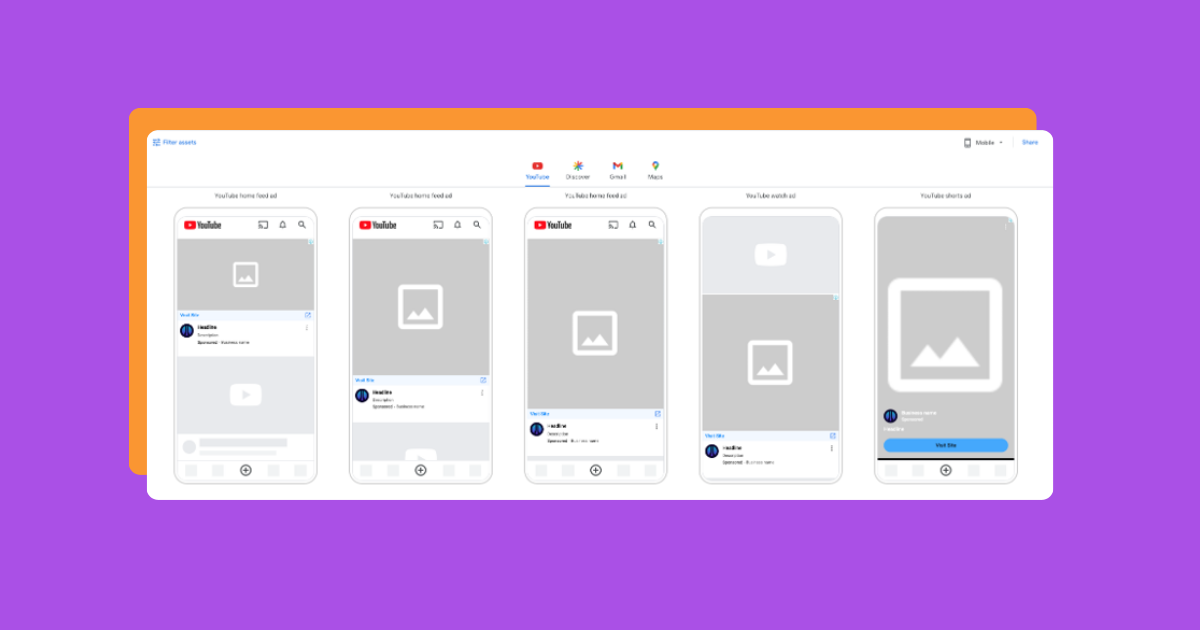
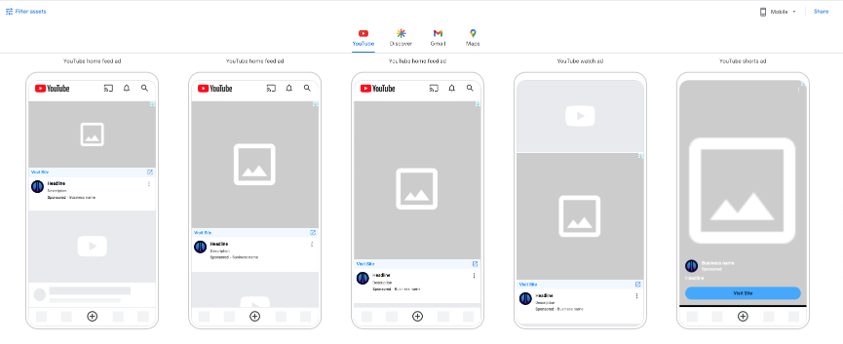
The evolution from distinct Display campaigns to the consolidated Demand Gen framework is not merely a cosmetic update; it represents a strategic pivot. Google’s official announcement, made through its industry blog, highlighted the goal of simplifying campaign creation and enhancing performance through advanced automation. This move is expected to streamline the advertising process for many, while also presenting new challenges and opportunities for advertisers accustomed to the granular control offered by traditional Display campaigns. The integration is designed to empower advertisers to better capture demand across various Google properties, including YouTube, Discover, Gmail, Maps, and the GDN itself, by utilizing a more cohesive and intelligent campaign structure.
The Gradual Transition: A Phased Rollout
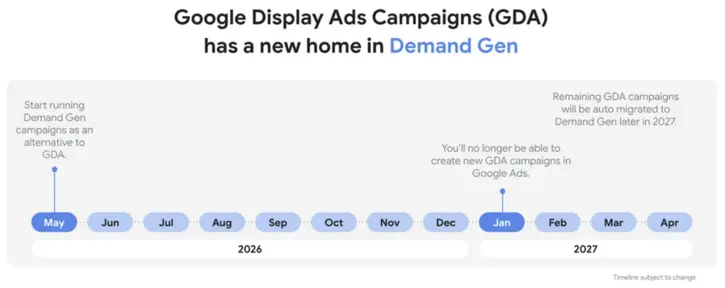
The transition from standalone Google Display campaigns to Demand Gen is being implemented in a phased approach to allow advertisers ample time to adapt. The announcement in May 2026 marked the beginning of this period, with the official cessation of the ability to create new standalone Display campaigns scheduled for January 2027. This provides a crucial seven-month window, encompassing the critical holiday advertising season, for advertisers to re-evaluate their strategies, test Demand Gen campaigns, and migrate their existing efforts.
Following the January 2027 deadline, any remaining standalone Display campaigns will be automatically migrated to Demand Gen campaigns. While Google has not yet provided a specific date for this automatic migration, it underscores the definitive nature of this platform evolution. Advertisers are therefore strongly encouraged to proactively manage this transition rather than relying on automatic conversion, which may not always align perfectly with individual campaign objectives and performance metrics. This proactive approach will allow for a more controlled and informed shift, minimizing potential disruptions to ad performance and ROI.
Understanding the Core Changes: Automation and Creative Emphasis
The most profound change accompanying this integration is the increased reliance on artificial intelligence and automation within Demand Gen campaigns. Unlike traditional Display campaigns, which offered a high degree of manual control over targeting, bidding, and placements, Demand Gen campaigns are designed to leverage Google’s sophisticated machine learning algorithms. This shift aims to enhance performance by analyzing vast datasets and optimizing campaigns in real-time, potentially leading to improved audience expansion and more effective creative optimization.
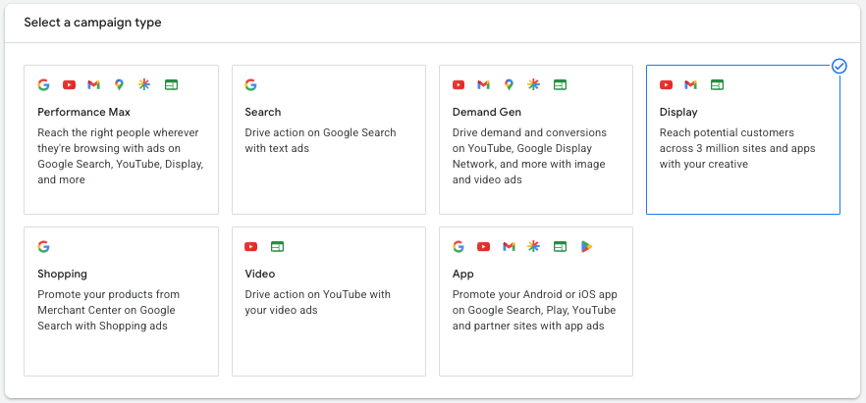
However, this increased automation comes with a trade-off: a reduction in direct manual control. While many familiar controls from Display campaigns are being carried over, some granular options will be phased out. This means advertisers will have fewer levers to pull directly, and bidding algorithms may take more significant swings as they learn and adapt. This could result in greater performance volatility, particularly in the initial stages of a Demand Gen campaign, and may require a longer adjustment period for the system to achieve desired results. The emphasis shifts from direct manipulation to strategic oversight and creative asset development, trusting Google’s AI to execute the tactical optimizations.
Furthermore, creative assets are becoming increasingly central to campaign success within the Demand Gen framework. The expanded placement options across YouTube, Discover, Gmail, Maps, and the GDN mean that ads can appear in a wider array of formats and contexts. This necessitates a stronger focus on developing visually compelling and contextually relevant creatives that can effectively capture attention across diverse platforms. Advertisers will need to invest more in producing high-quality visual assets, including images and videos, that are optimized for the various placements available through Demand Gen. The success of a Demand Gen campaign will hinge significantly on the ability of its creatives to resonate with audiences in these dynamic environments.
Strategic Implications for Advertisers
The shift to Demand Gen necessitates a strategic re-evaluation for all advertisers who have utilized Google Display campaigns. The core implication is a move towards a more automated and data-driven approach, where campaign success is increasingly influenced by the quality of creative assets and the advertiser’s ability to guide Google’s AI rather than directly dictate every campaign setting.
Embracing the AI-Driven Landscape
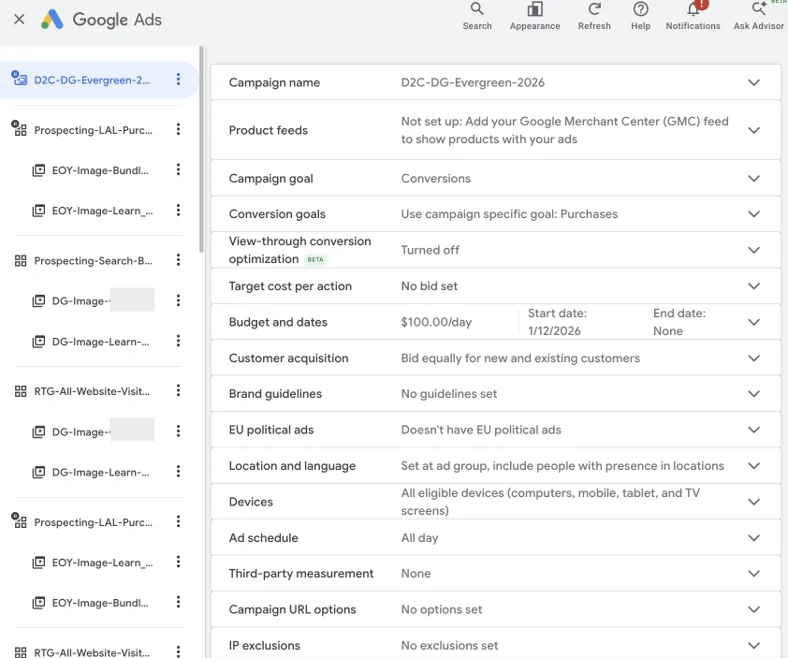
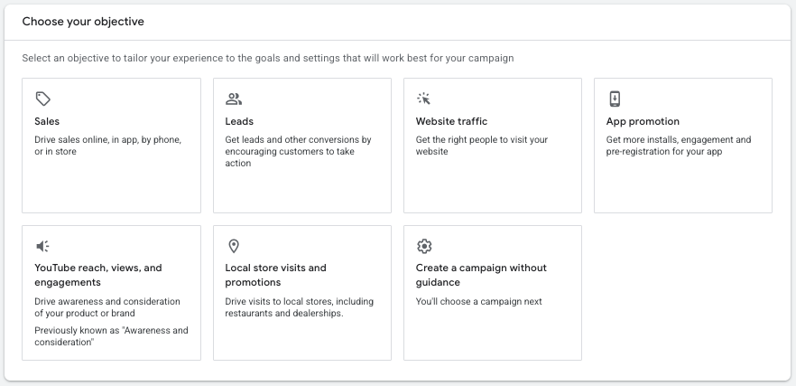
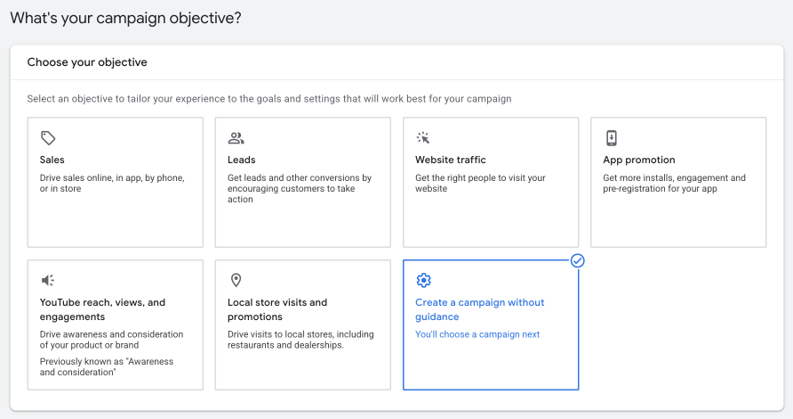
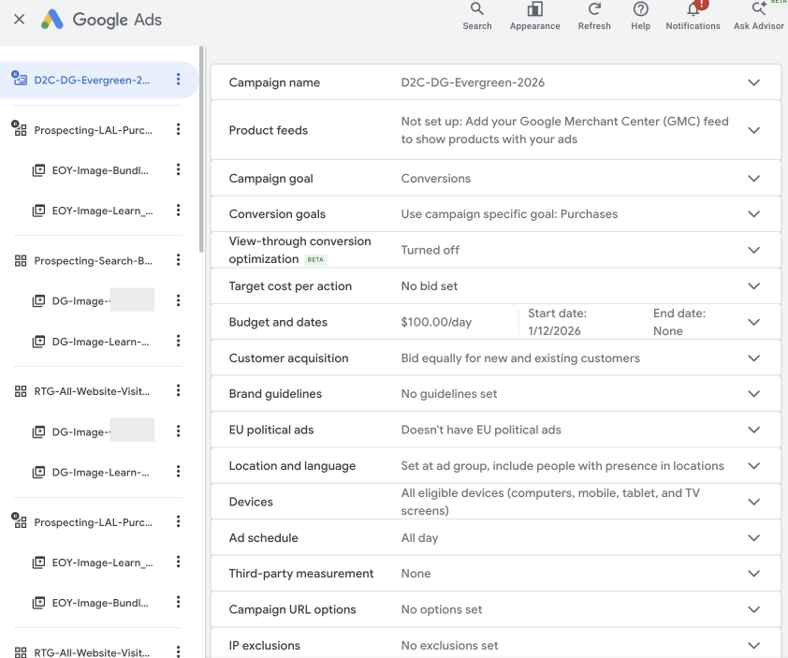
For advertisers, this means a crucial need to familiarize themselves with the nuances of Demand Gen campaigns. Google Ads offers a robust platform for creating draft campaigns and testing settings without incurring live costs. This functionality is invaluable for advertisers looking to explore Demand Gen. By creating new campaigns without goal guidance, advertisers can access the full spectrum of settings, allowing them to understand the available controls and how they function. This exploratory phase is critical for building confidence and proficiency with the new campaign type before committing significant ad spend. Key areas to focus on during this exploration include understanding audience targeting options, bid strategies, budget allocation, and, crucially, creative asset requirements and optimization.
Auditing Existing Display Campaign Performance
A vital preparatory step involves conducting a thorough audit of existing Display campaigns. Advertisers should meticulously document all learned insights, including successful targeting parameters, effective placements, and any negative placements that have been implemented to avoid irrelevant or underperforming sites. Similarly, identifying specific audiences, in-market segments, or keywords that have historically driven positive results is crucial. This inventory of past performance data will serve as a valuable benchmark and guide when configuring new Demand Gen campaigns, allowing for a more informed replication of successful strategies within the new framework. Understanding which elements of past Display campaigns were most effective will help in translating those successes into the Demand Gen environment.
Replicating and Evolving Strategies
The most direct approach for advertisers is to begin replicating their existing Display campaigns within the Demand Gen structure. This can be achieved either by manually creating new Demand Gen campaigns with similar targeting and ad content or by utilizing Google’s new migration tool. The migration tool, accessible from the Campaigns tab, allows users to select existing Display campaigns and update them to Demand Gen, preserving much of the original campaign’s data and settings. It is advisable to start this replication process with lower-stakes campaigns to test the migration tool and identify any potential errors before updating high-value campaigns.
For advertisers who opt for manual replication, maintaining the existing Display campaign alongside the new Demand Gen version can offer a safety net. This allows for a gradual adjustment of budgets, shifting spend from the older Display campaign to the newer Demand Gen version as confidence grows. A critical aspect of manual replication is the careful configuration of network settings at the ad group level. To emulate a pure Display campaign, advertisers should select the option to "Let me choose" and then specifically enable only the Google Display Network (GDN), leaving other network options unchecked. This ensures that the campaign’s reach is initially confined to the GDN, mirroring the behavior of the original Display campaign.
Expanding into New Capabilities
Once advertisers have successfully replicated and stabilized their Display strategies within Demand Gen, the next logical step is to explore the broader capabilities of this new campaign type. This includes expanding network coverage beyond the GDN to include other Google properties like YouTube, Discover, and Gmail. By strategically enabling these additional networks on top-performing campaigns, advertisers can potentially unlock incremental reach and performance at a reasonable cost. This expansion should be data-driven, carefully monitoring results to ensure that the added reach translates into valuable conversions and meets performance objectives.
The Future of Advertising: Evolving KPIs
With the fundamental changes in campaign structure, targeting, bidding, and creative requirements, comparing the performance of new Demand Gen campaigns directly against historical Display campaign metrics will become increasingly challenging. Therefore, advertisers are encouraged to develop a new set of Key Performance Indicators (KPIs) specifically tailored to Demand Gen. While exceeding old Display campaign KPIs with Demand Gen is a positive indicator, it is crucial not to assume that Demand Gen is underperforming if initial results lag. Instead, advertisers should analyze where performance falls short, iterate on their strategies, and focus on achieving new benchmarks that reflect the capabilities and objectives of Demand Gen. This proactive development of relevant KPIs will be essential for accurately measuring success and driving continuous improvement in the evolving advertising landscape.
The transition of Google Display campaigns into Demand Gen represents a significant, yet logical, evolution in digital advertising. While it may present challenges for advertisers accustomed to older methodologies, it also unlocks powerful AI-driven capabilities and a more unified approach to reaching consumers across Google’s extensive network. By understanding the changes, preparing strategically, and embracing the new automated landscape, advertisers can position themselves for continued success in this dynamic environment. The future of advertising is increasingly intelligent and integrated, and this shift by Google is a clear indicator of that direction.