The promise of creating a professional website in minutes, once a marketing hyperbole, is increasingly becoming a reality thanks to advancements in artificial intelligence. While AI-powered website builders can indeed generate a sophisticated online presence with unprecedented speed, the journey from conception to a fully optimized, live site involves more than just a few clicks. A realistic timeline encompasses crucial stages such as defining purpose, selecting a domain, setting up hosting, content refinement, rigorous testing, and crucially, ongoing management and optimization. This evolution in web development marks a significant shift, compressing initial build times but underscoring the enduring necessity of human strategic input and continuous effort for long-term success.
The Evolving Landscape of Web Development: From Code to AI
For decades, establishing an online presence was a technical endeavor, often requiring proficiency in coding languages like HTML, CSS, and JavaScript, or at least a deep understanding of Content Management Systems (CMS) like WordPress. The process was sequential and labor-intensive, involving manual configuration of servers, database setup, theme customization, and content population. This complexity often translated into timelines stretching from weeks to several months, making professional websites a significant investment for individuals and small businesses.
The advent of "no-code" and "low-code" platforms began to democratize web creation, offering drag-and-drop interfaces that abstracted much of the underlying technical complexity. However, even these platforms required users to start from a blank canvas or choose from pre-designed templates, still demanding considerable time for layout, design, and initial content generation.
The latest frontier, AI website builders, represents a paradigm shift. These tools leverage artificial intelligence to automate the initial design and content generation phases, transforming what was once a multi-day or multi-week process into an experience that can yield a functional first draft in mere minutes. This rapid prototyping capability has profound implications for entrepreneurs, small businesses, and anyone seeking a swift online presence, fundamentally altering the perceived timeline for website deployment. Industry analysts suggest that the global website builder market, already valued in billions, is experiencing accelerated growth driven by these AI innovations, making web presence more accessible than ever before.
Traditional Website Creation: A Detailed Chronology
To fully appreciate the impact of AI, it’s essential to understand the traditional, non-AI-assisted timeline for website creation. Every website, regardless of its complexity, typically follows a structured journey before going live. The time required for each stage historically varied based on project scope, available resources, and user preparedness.
-
Defining Your Website’s Purpose and Strategy (30 minutes – 1 day): This foundational stage involves articulating what the website should achieve (e.g., lead generation, e-commerce, portfolio display), identifying the target audience, and outlining essential pages and features. Clear goals are paramount; ambiguity here can lead to significant delays later.
-
Market Research and Competitor Analysis (1 – 3 days): While often recommended rather than mandatory, this phase is crucial for differentiation. It involves reviewing similar websites to understand industry trends, gather design inspiration, identify effective content strategies, and pinpoint opportunities to stand out. This strategic groundwork ensures the website is not just functional but competitive.
-
Choosing a Domain Name (30 minutes – 1 day): Selecting a memorable and relevant domain name, checking its availability, and registering it is a relatively quick but important step. The domain serves as the website’s online identity.
-
Setting Up Web Hosting (30 minutes – 1 day): This involves choosing a reliable hosting provider, creating an account, and configuring the basic settings that make the website accessible on the internet. Many providers, like Bluehost, integrate hosting, SSL certificates, and domain management into a single package, simplifying this step.
-
Creating Your Website Structure and Design (1 – 7 days): This is where the bulk of the manual work traditionally began. It included building the website’s foundational structure, creating individual pages, organizing navigation menus, selecting design layouts, and integrating essential functionalities. This stage often involved significant decision-making on themes, plugins, and visual elements.
-
Adding Your Content (1 – 7 days): Once the structure was in place, users would populate the site with content. This included writing and reviewing all page copy, uploading and optimizing images and videos, adding contact information, and ensuring every piece of content accurately reflected the brand’s message and offerings. This phase was often iterative, with multiple rounds of revisions.
-
Reviewing and Testing Your Website (2 – 8 hours): Before launch, a thorough review was (and remains) critical. This involved testing the website on various devices and browsers, verifying all links and forms, checking loading speeds, ensuring mobile responsiveness, and identifying and fixing any bugs or display issues.
-
Publishing Your Website (30 minutes – 2 hours): The final step involved connecting the registered domain to the hosting, performing last-minute checks, and making the website publicly available.
These estimates represent a typical basic website. More complex projects, such as e-commerce platforms or multilingual sites, would naturally extend these timelines significantly, often adding several days to weeks for specialized configurations like product variant setups, payment gateway integrations, shipping rules, or extensive content translation. For instance, setting up an online store could add 1-5 days, while populating it with products could take several hours to multiple days depending on inventory size. Integrating third-party tools (CRM, email marketing, analytics) could also add several hours to a couple of days per integration.
The AI Revolution: Accelerating the Initial Build
AI website builders have fundamentally altered the early stages of this timeline, particularly the design and initial content generation phases. Instead of starting from scratch, users engage in a guided onboarding experience where they answer a series of questions about their business, industry, target audience, and desired functionalities.
- AI-Powered Onboarding and Generation: The core innovation lies in this initial interaction. Instead of manually selecting templates, configuring layouts, and writing placeholder text, the AI processes user inputs to generate a complete website structure, propose page layouts, create navigation menus, suggest design elements (color palettes, fonts), and even draft initial content. This eliminates the "blank canvas" dilemma, which historically consumed significant time and creative energy.
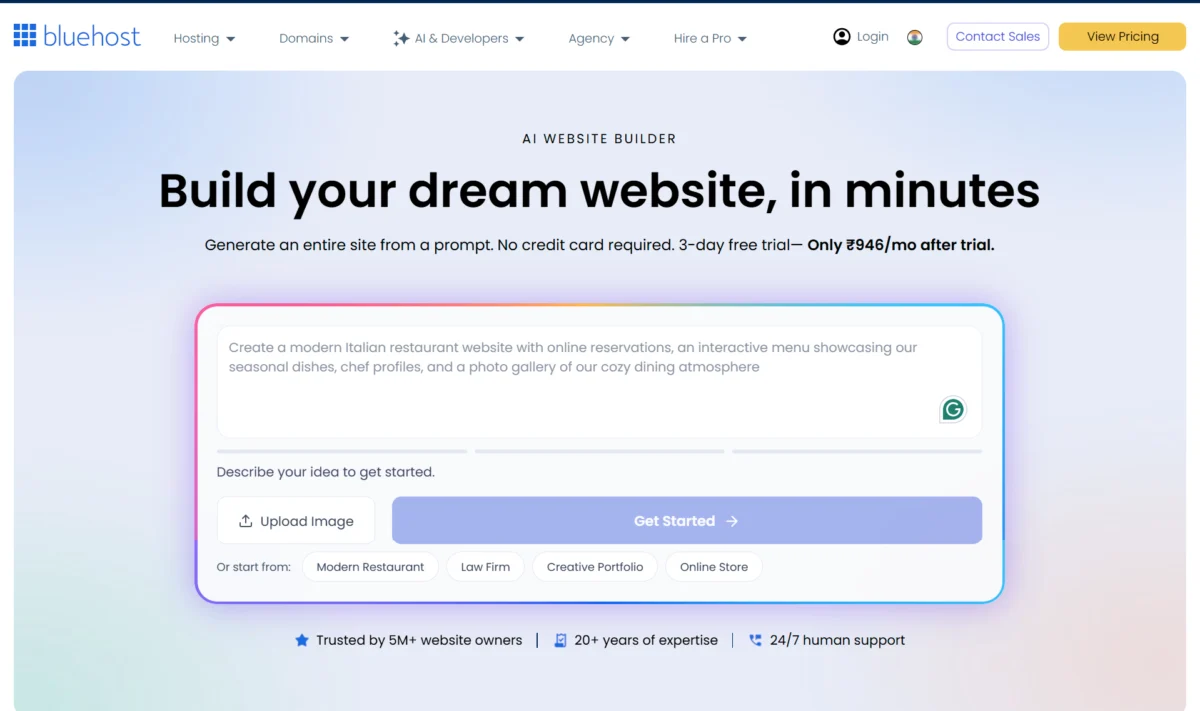
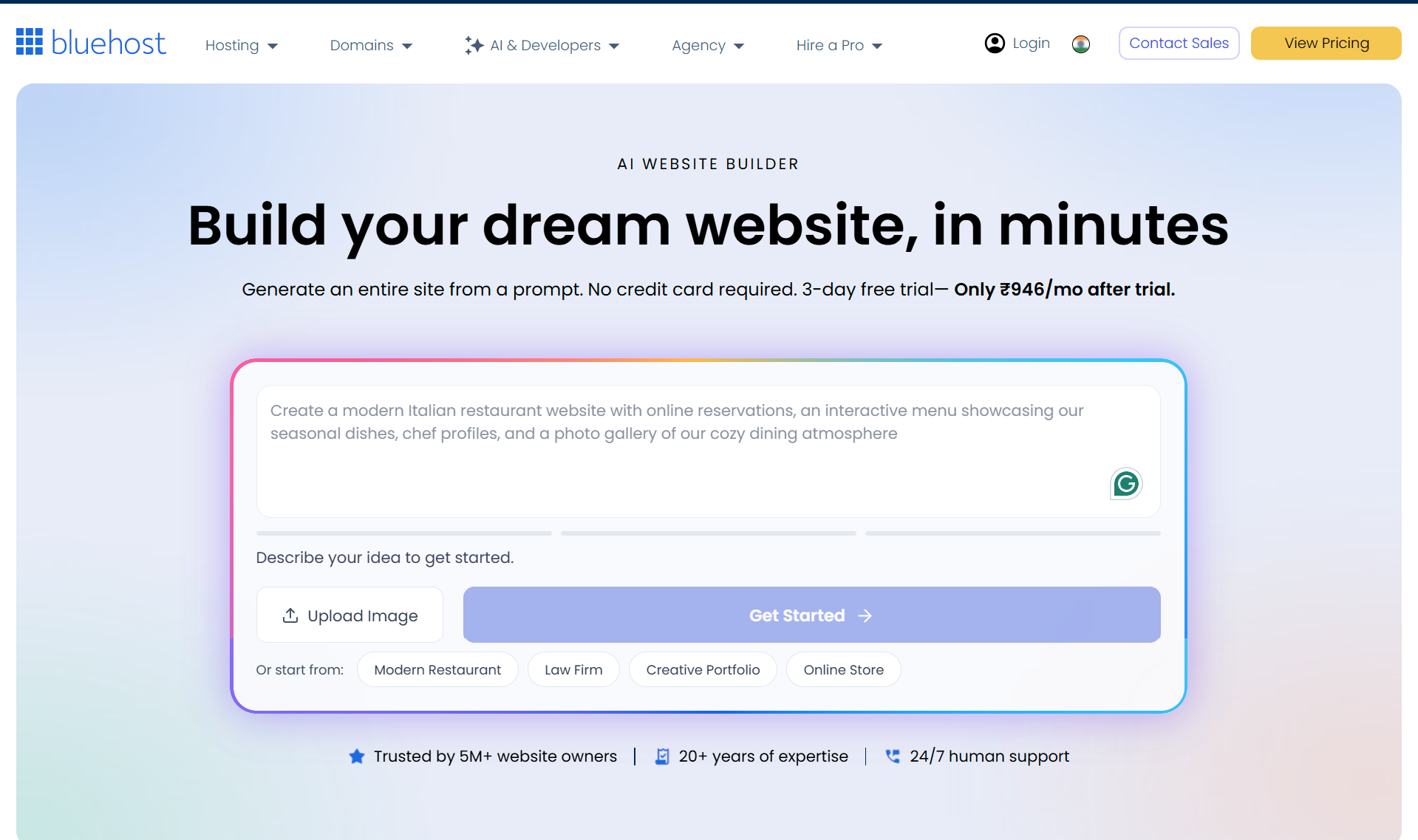
- Immediate First Drafts: As demonstrated by tools like the Bluehost AI Website Builder, a functional first draft can be produced in as little as three minutes after completing the onboarding questionnaire. This draft typically includes:
- A complete website structure with essential pages (Home, About, Services, Contact).
- Pre-designed page layouts tailored to the indicated business type.
- Automatic navigation menus.
- Draft content (text, headlines) relevant to the specified industry.
- Placeholder images or suggested visual elements.
- Basic styling (fonts, colors).
- Focus Shift: From Construction to Curation: The most significant impact of AI is the redirection of effort. Users no longer spend hours or days assembling the website’s foundation. Instead, their time is immediately dedicated to refining and personalizing an already existing structure. This means the focus shifts from "how to build" to "how to improve," allowing for a more strategic and qualitative approach to web development.
This acceleration doesn’t eliminate all manual steps. Account creation, email verification, and answering the AI’s prompts still take time. However, for most individuals starting from scratch, a basic, functional website can realistically be online within 30 to 90 minutes. For those with pre-prepared content, branding guidelines, and a clear vision, this timeframe can shrink to under 15 minutes. More polished websites requiring custom copy, additional pages, and initial SEO improvements might still take a few hours to a full day of focused refinement.
Beyond the Initial Launch: The Enduring Importance of Human Touch and SEO
While AI dramatically reduces the time to launch, it does not create a "set it and forget it" solution. The true success and growth of a website still depend heavily on human oversight, strategic input, and ongoing effort. This is where the majority of long-term value is generated.
-
Content Refinement and Personalization: AI-generated copy provides a strong starting point, but it often lacks the unique voice, specific details, and brand personality that resonate with an audience. Users must invest time in reviewing, editing, and personalizing this content to accurately reflect their products, services, unique value proposition, and brand ethos. This ensures authenticity and builds trust.
-
Visual Identity and Branding: AI may include placeholder or stock images. Replacing these with high-quality, original photography, product images, or branded visuals is crucial for establishing a distinct identity and fostering a professional image. Visuals play a significant role in user engagement and brand recall.
-
Strategic Expansion and Feature Integration: The initial AI-generated site might be a minimal viable product. Most businesses will want to expand it with additional pages (e.g., detailed service pages, FAQs, testimonials, pricing, a blog) or integrate specific functionalities (e.g., booking systems, CRM, advanced analytics). AI accelerates the initial launch, but the website’s growth and evolution over time are organic processes guided by business needs.
-
Search Engine Optimization (SEO): A Continuous Endeavor: Launching a website is merely the first step; making it discoverable is the next. Optimizing for search engines involves a continuous process of:
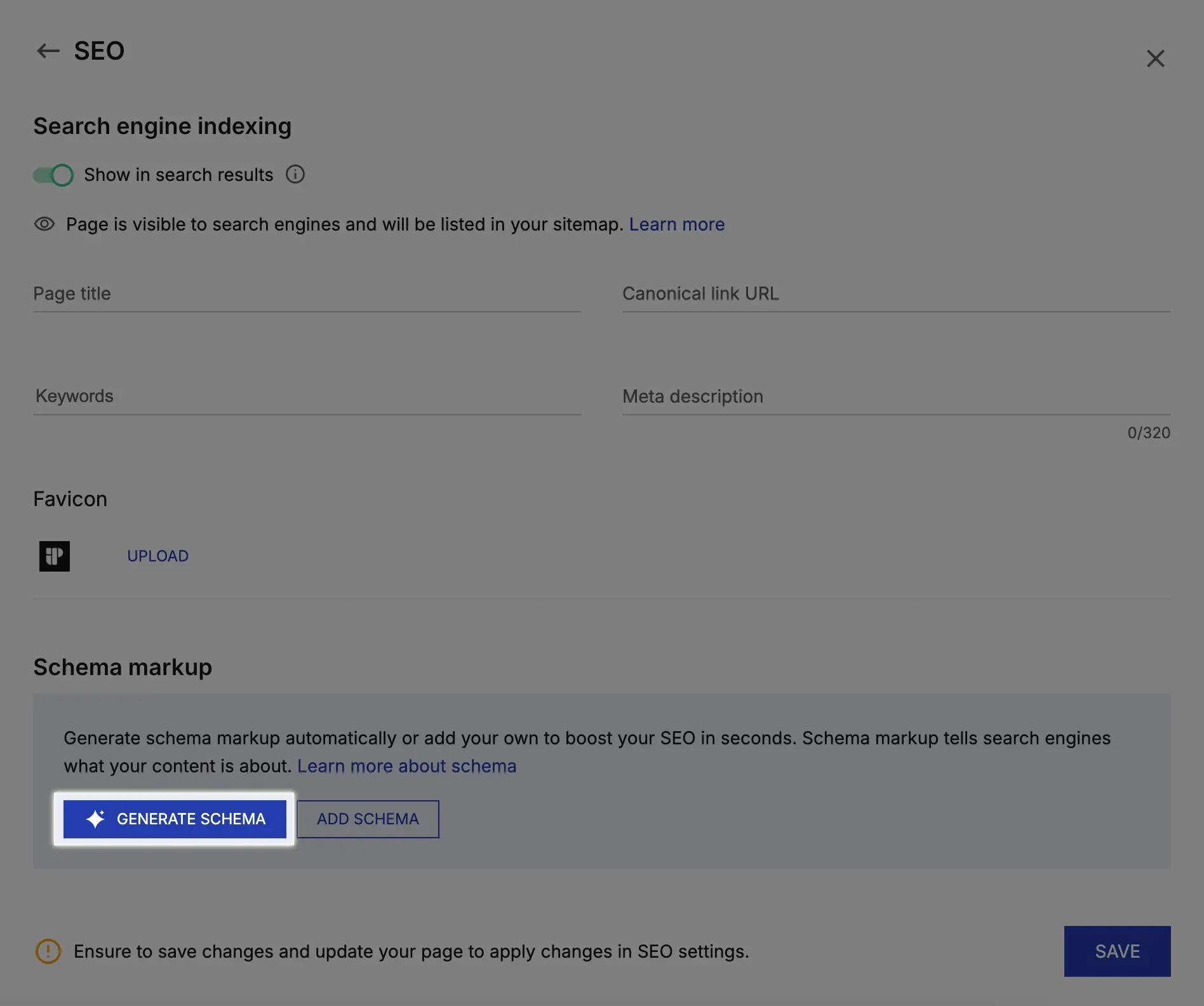
- On-page SEO: Refining page titles, meta descriptions, headings, and content with relevant keywords.
- Technical SEO: Ensuring search engines can easily crawl and index the site, maintaining a healthy XML sitemap, optimizing page loading speeds, and fixing broken links.
- Content Strategy: Regularly publishing helpful, high-quality content (like blog posts) around topics your audience is searching for, establishing internal linking strategies, and updating existing content to maintain relevance.
- Off-page SEO: Building authority through backlinks and online mentions.
SEO is not a one-time task but an ongoing investment that directly impacts organic traffic and visibility. Tools like Yoast SEO, especially premium versions with smart content analysis and structured data blocks (e.g., for FAQs), significantly aid in this process by converting content into search engine-friendly formats and providing actionable insights.

Key Data and Industry Insights
The rise of AI in web development is supported by robust market trends. Reports from leading analytics firms indicate that the global market for website builders is projected to continue its strong growth trajectory, with AI capabilities being a primary driver. The ease of use offered by these platforms is particularly appealing to the estimated 30 million small businesses in the U.S. alone, many of whom lack dedicated web development resources. Studies often highlight that websites with faster loading times and mobile responsiveness, features often optimized by AI builders from the outset, experience higher engagement rates and lower bounce rates.
Experts in web development and digital marketing generally agree that AI’s greatest contribution is the democratization of web creation. "AI takes away the intimidation factor," states one prominent web development consultant. "It allows individuals and small businesses to quickly establish a baseline online presence, shifting their focus from the mechanics of building to the strategy of engaging." However, there is also consensus that while AI can generate a professional-looking template, the depth of brand identity, strategic content, and nuanced user experience still requires human creativity and critical thinking. The "AI-generated starting point" is a powerful accelerator, but not the "finish line."
Implications for Businesses and Developers
The shift towards AI-powered website builders carries significant implications across the digital ecosystem:
- Empowering Small Businesses and Startups: AI lowers the barrier to entry for establishing an online presence, enabling small businesses and startups to compete more effectively with larger entities without prohibitive costs or extensive technical knowledge. This fosters innovation and expands market reach for countless ventures.
- Reshaping the Role of Web Professionals: Rather than making web designers and developers obsolete, AI is likely to redefine their roles. Professionals can now spend less time on repetitive, foundational tasks and more time on high-value activities such as advanced customization, complex feature integration, bespoke branding, sophisticated SEO strategies, and ongoing performance optimization. The demand for experts who can refine and strategize rather than just build from scratch will likely increase.
- Challenges and Considerations: While beneficial, AI tools are not without limitations. AI-generated content can sometimes be generic, lacking originality or a truly distinctive brand voice. Businesses must be diligent in personalizing this content to avoid sounding bland or indistinguishable from competitors. Furthermore, while AI can lay a strong technical foundation, nuanced SEO, advanced analytics integration, and comprehensive online reputation management still require human expertise and continuous monitoring. The potential for "AI-generated noise" on the internet also highlights the increasing importance of truly valuable, human-curated content.
Conclusion
Creating a website no longer demands the weeks-long, technically daunting project it once was. AI website builders have revolutionized the initial setup, transforming the most time-consuming aspects – laying out pages, structuring navigation, and drafting initial content – into a process that can be completed in minutes. This grants individuals and businesses an unprecedented head start.
However, it is crucial to understand that AI provides a robust foundation, not a perfect, finished product. A truly successful website is a dynamic asset that requires thoughtful content, a strong brand narrative, consistent updates, and diligent search engine optimization. The true power of AI lies in freeing up valuable human time and resources, allowing creators to focus on refining the message, enhancing the user experience, and strategically growing their online presence rather than grappling with foundational construction. The sooner a website is launched and actively managed, the sooner it can begin to cultivate its digital footprint and contribute to its overarching goals. As AI-powered search experiences continue to evolve, integrating tools like Yoast SEO AI+ for brand insights becomes increasingly important, ensuring a coherent and optimized presence across all emerging digital platforms.