In the dynamic landscape of digital marketing, the newsletter signup form stands as a critical, often underappreciated, gateway between a casual website visitor and a loyal subscriber. Far from a mere technical requirement, this seemingly simple digital interface is a pivotal component of a robust email marketing strategy, serving as the initial point of data collection and the first impression of a brand’s commitment to delivering value. While many small businesses deploy a basic form and consider the task complete, this oversight often leads to significant missed opportunities. Research consistently shows that poorly optimized forms—those asking too much, communicating too little, or positioned ineffectively—can deter potential subscribers, undermining list growth and, by extension, future revenue streams. Addressing these common pitfalls is not just about minor tweaks; it’s about fundamentally rethinking the subscriber journey from the very first click.
The Foundational Role of Email Marketing in Modern Business
Email marketing continues to deliver one of the highest returns on investment (ROI) among all digital marketing channels, often cited as generating $36 for every $1 spent. This enduring efficacy stems from its direct, personal nature, allowing businesses to cultivate direct relationships with their audience, bypass algorithmic gatekeepers of social media platforms, and drive targeted conversions. A healthy email list is, therefore, a proprietary asset, a direct line to engaged prospects and customers. The newsletter signup form is the primary mechanism for building this invaluable asset, making its optimization a strategic imperative rather than a mere technical checklist item. Without an effectively designed and placed form, even the most compelling email content may never reach its intended audience.
The evolution of digital communication has cemented email’s position as a reliable and permission-based channel. Unlike social media, where platform changes can drastically reduce organic reach, an email list provides direct access to an audience that has explicitly consented to receive communications. This permission-based model fosters trust, a critical component for long-term customer relationships and brand loyalty. According to a 2023 study by the Data & Marketing Association (DMA), email remains the preferred channel for commercial communications by consumers, underscoring its continued relevance and power.

Streamlining the Subscriber Journey: The Art of Minimalist Form Fields
The cardinal rule for newsletter signup forms is simplicity. Every additional field beyond the absolute minimum introduces friction, and friction is the sworn enemy of conversion. Industry data frequently highlights an inverse relationship between the number of form fields and conversion rates; studies by companies like HubSpot and Unbounce have shown that reducing the number of fields can increase conversions by as much as 120%. For most small business newsletters, the singular piece of information required to deliver value is an email address. This should be the baseline.
- The Case for Just an Email Address: When a visitor is merely seeking information or updates, their willingness to share extensive personal data is low. Requesting only an email address minimizes perceived effort and privacy concerns, leading to higher completion rates. The promise is simple: provide your email, receive valuable content. Email marketing strategists often advise that the less a prospect has to do, the more likely they are to do it.
- Strategic Personalization: When to Add a First Name Field: The inclusion of a first name field can be justified if, and only if, there is a clear strategy to leverage this data for personalization within the newsletter content. Addressing subscribers by "Hey [First Name]" rather than "Hey there" has been shown to potentially increase open rates by 10-14% and click-through rates by up to 5%, provided the personalization is genuinely integrated into the email’s tone and purpose. However, if the name is never used, it becomes an unnecessary barrier. A thoughtful approach dictates that data collection should align directly with its intended use, avoiding superfluous requests that could deter sign-ups.
- Fields to Rigorously Exclude: Certain fields – such as phone number, company name, job title, or physical address – are almost universally inappropriate for a standard newsletter signup form. These data points are typically reserved for lead capture forms associated with high-value assets (e.g., whitepapers, demo requests) or direct sales inquiries. Their presence on a newsletter form signals a demand for significant commitment before any value has been delivered, creating an immediate sense of distrust or excessive intrusion. Furthermore, in an era of heightened data privacy regulations like GDPR and CCPA, collecting data without a clear, stated purpose and usage plan can expose businesses to compliance risks and erode user trust. The guiding principle should always be: if the data is not essential for delivering the promised newsletter value, do not collect it. This commitment to user privacy can also be a strong selling point for a newsletter, signaling respect for the subscriber’s information.
Optimizing Visibility: Strategic Placement for Maximum Impact
A perfectly crafted form is useless if it remains unseen. The placement of a newsletter signup form profoundly influences its visibility and, consequently, its conversion potential. Effective placement strategies are not one-size-fits-all but rather depend on the website’s primary purpose and content strategy.
- Above the Fold on the Homepage: For businesses where the newsletter is the primary product—think media companies like Morning Brew or The Hustle—a prominent signup form positioned "above the fold" (visible without scrolling) on the homepage is paramount. Visitors arrive with the explicit intent to subscribe, making this prime real estate. For other businesses, a homepage form still holds value, but its placement should be carefully considered to complement, rather than overshadow, primary calls to action related to products or services. Digital marketing experts often recommend A/B testing different homepage layouts to find the optimal balance between promoting core offerings and capturing email subscribers.
- Sidebar Forms for Continuous Engagement: On content-rich websites, a sidebar signup form offers persistent visibility as users scroll through articles and blog posts. This strategy capitalizes on the reader’s engagement with related content, providing a convenient opportunity to subscribe to a newsletter that promises similar value. While highly effective on desktop, it’s crucial to remember that sidebar elements often collapse below the main content on mobile devices. Therefore, pairing a sidebar form with another mobile-friendly placement is essential for comprehensive coverage. Mobile optimization is critical, as over half of all web traffic now originates from mobile devices.
- Dedicated Signup Pages: The Uninterrupted Pitch: A standalone page exclusively dedicated to the newsletter provides ample space to articulate the unique value proposition without competing distractions. This format allows for a more elaborate "sales pitch" for the newsletter itself, featuring testimonials, content previews, and a clear explanation of benefits. Dedicated pages are ideal for linking from social media bios, podcast show notes, guest post bylines, and other external promotional channels. As business strategist Alexandra Franzen, who famously built her audience primarily through email, emphasizes, a newsletter should be "so good that every reader goes and tells ten friends about it." A dedicated page provides the canvas to convey this level of commitment and excitement, often leading to higher quality, more engaged subscribers.
- Header or Top Navigation Bar for Site-Wide Visibility: A compact form or a prominent link to a signup page in the header or top navigation bar ensures that the subscription option is visible across every page of the website. This is particularly effective for sites with high page-per-session rates, where visitors browse multiple pieces of content. The key here is compactness: an email field and a clear button are often sufficient to maintain an uncluttered aesthetic. This "always-on" approach provides consistent opportunities for conversion without being overly intrusive.
- Footer Forms: The "Last Call" Opportunity: The website footer serves as a common location for visitors seeking more information after consuming the main content. A newsletter signup form here acts as a valuable safety net, capturing users who might not have been ready to subscribe upon initial arrival but whose interest has grown through their engagement with the site. It’s a low-pressure, high-visibility spot for those who actively seek further connection. While typically lower converting than more prominent placements, footer forms consistently contribute to overall list growth.
- Exit-Intent Popups: The Final Invitation: Triggering when a visitor’s cursor indicates an intention to leave the site, an exit-intent popup offers a last-ditch effort to secure a subscription. The effectiveness of this method lies in its strategic timing and compelling offer. To avoid annoyance, best practices dictate showing it only once per session, ensuring an obvious close button, and offering a highly specific benefit (e.g., "Get our weekly email tips for small businesses" rather than a generic "Subscribe"). Data from various A/B tests often shows exit-intent popups can boost conversion rates by 2-7% when implemented thoughtfully, especially when paired with an exclusive offer or content upgrade.
Crafting Conversion-Driven Copy: What to Say and How Often
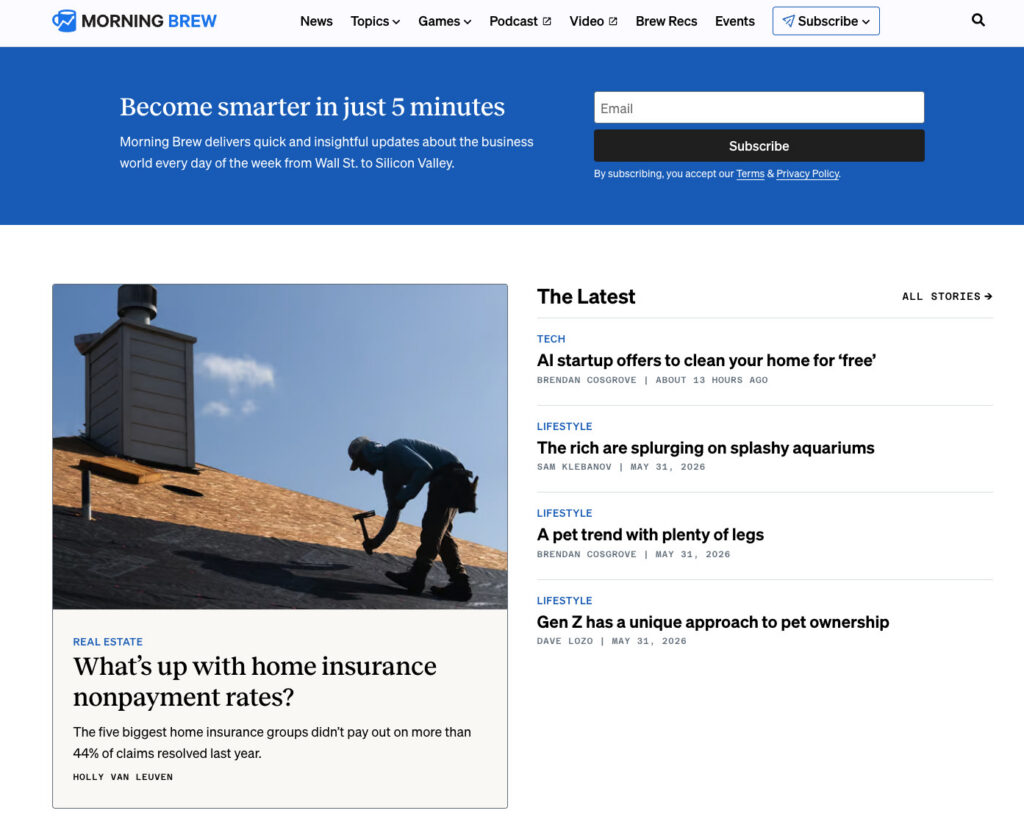
Beyond placement and field count, the language used on a signup form is paramount. Effective copy addresses the visitor’s core question: "What’s in it for me?" Three elements are crucial: the promised benefit, frequency expectations, and a specific call to action.
- Leading with the Benefit, Not the Action: The default "Subscribe to our newsletter" is a common misstep. It describes a mechanical action without providing a compelling reason. Instead, benefit-driven copy clearly articulates the value proposition. For instance, "Get one email per week with strategies to grow your small business" immediately answers: What will I receive? How often? Is it relevant to my needs? This clarity empowers visitors to make an informed decision swiftly. The difference between "Subscribe to our newsletter" and "Unlock weekly growth tactics for your business" is the difference between a command and a compelling invitation. A strong value proposition communicates instant understanding and relevance.
- Setting Clear Frequency Expectations: This is a frequently overlooked but critical element for managing subscriber trust and reducing early unsubscribes. Explicitly stating the newsletter’s sending frequency—e.g., "Sent every Tuesday," "Twice a month," "Weekly insights"—creates a clear contract between the sender and the recipient. When subscribers know what to expect, they are significantly less likely to feel overwhelmed or surprised by incoming emails, which is a leading cause of initial churn. This transparency builds trust from the very first interaction, laying the groundwork for a long-term relationship. A study by Litmus found that unexpected email frequency is a top reason for unsubscribes.
- Specific and Action-Oriented Call-to-Action Buttons: The button text is the final prompt before conversion. Generic terms like "Submit" or "Sign Up" lack persuasive power. The most effective button text echoes the benefit stated above the form. If the headline promises "Weekly email marketing strategies," the button could say "Get My Weekly Strategies" or "Send Me the Tips." This makes the button a confirmation of value, not just a trigger for an action.
- Incorporating Social Proof: Leveraging social proof, such as "Join 1,200 fellow entrepreneurs" or "Trusted by 5,000 readers," can significantly enhance the button’s appeal by demonstrating that others have already found value in subscribing. This taps into the psychological principle of conformity, assuring new visitors of the newsletter’s credibility.
- Avoiding Ambiguity: Phrases like "Learn more" or "Get started" are vague and can create uncertainty about the immediate outcome of clicking. The button’s purpose should be unmistakably clear: to subscribe to the newsletter. Clarity in the CTA reduces cognitive load and increases the likelihood of conversion.
The Evolution of Form Creation: Leveraging AI for Customization
For years, the standard approach to creating signup forms involved selecting a generic template and adapting it. However, this often resulted in forms that felt disconnected from a brand’s unique identity, requiring businesses to retrofit their message into a pre-defined structure. Templates inherently carry assumptions about layout, copy, and field requirements that may not align with a specific newsletter’s offerings or audience.
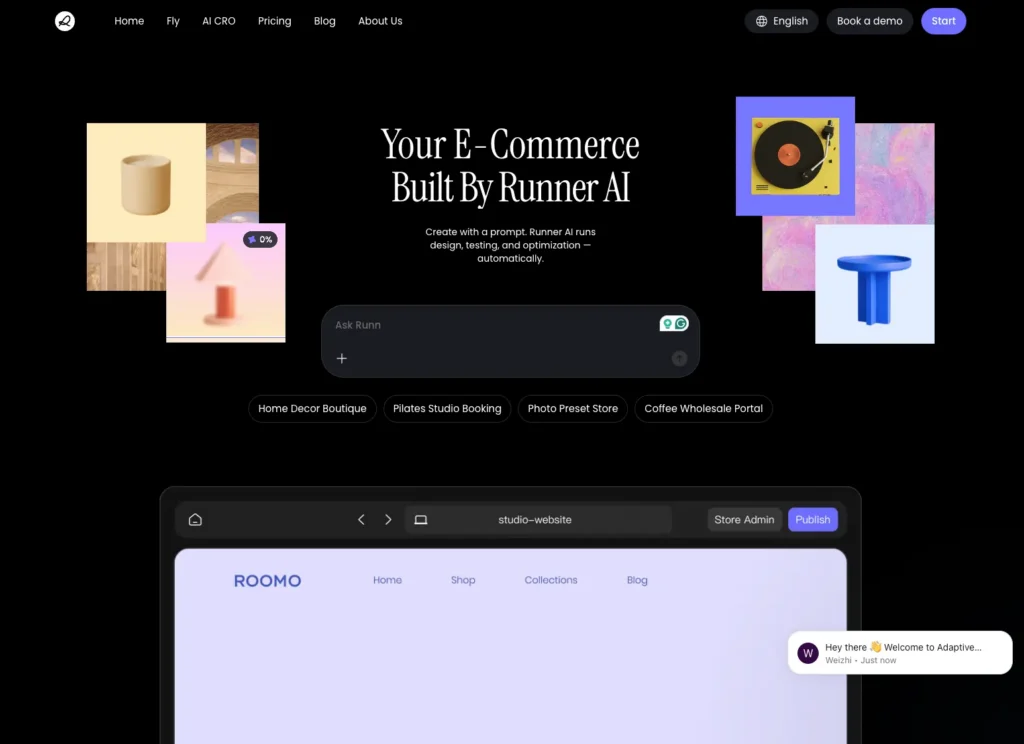
The emergence of AI-powered signup form builders, such as AWeber’s AI Signup Form Builder, represents a significant leap forward. Instead of starting from a blank template, these tools allow businesses to describe their newsletter’s purpose, target audience, and brand voice. The AI then analyzes this input, and potentially the business’s existing website content, to generate a fully customized form that matches the brand’s aesthetic and articulates its unique value proposition. This approach ensures that the form is not just functional but also a seamless extension of the brand’s online presence, optimized for conversion from the outset. These AI tools can also suggest optimal placements and copy variations, streamlining the entire form creation and deployment process, often reducing development time by up to 70% compared to manual customization.
Continuous Improvement: Measuring and Adapting for Peak Performance

Creating an optimized signup form is an ongoing process that requires diligent tracking and iterative refinement. Performance measurement is crucial for identifying what works and what needs adjustment.
- Conversion Rate by Placement: Monitoring the conversion rate for each specific form placement (e.g., homepage, sidebar, popup) provides invaluable insights into which locations are most effective. A form embedded within a high-traffic blog post converting at 3%, while a footer form converts at 0.5%, indicates where to focus optimization efforts and replicate success. Advanced tools, like AWeber’s AI Signup Form Builder, often integrate this tracking directly, providing real-time data to inform strategic decisions.
- Unsubscribe Rate in the First 30 Days: A high unsubscribe rate shortly after signup is a critical red flag. It often indicates a mismatch between the expectations set by the signup form and the actual content or frequency of the emails received. Analyzing this metric prompts a review of form copy, ensuring it accurately reflects the newsletter’s value, tone, and sending schedule. Addressing this discrepancy is vital for fostering long-term subscriber engagement and trust. An early unsubscribe can also signify a fundamental misalignment in audience targeting.
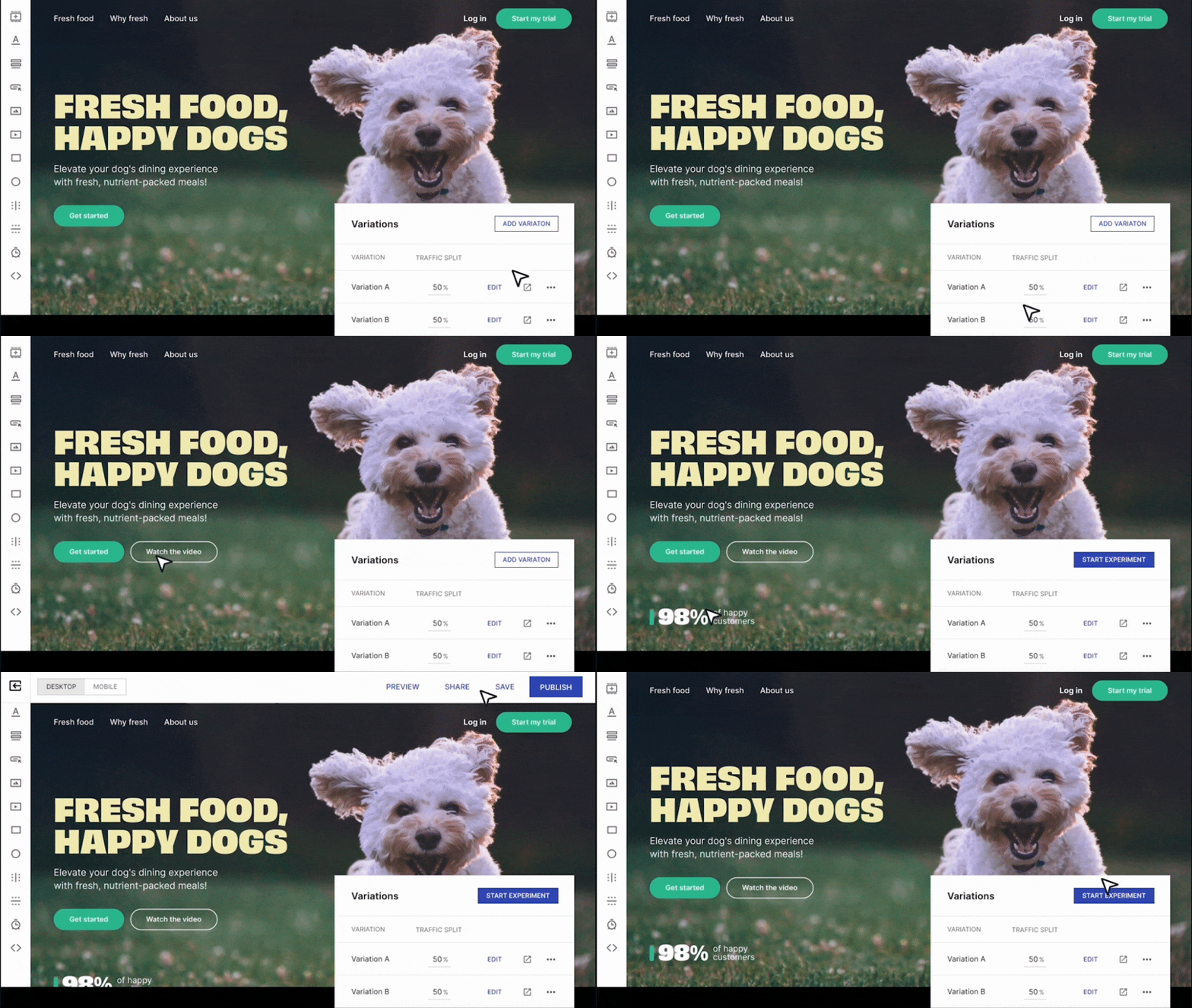
- A/B Testing and Iteration: Beyond these core metrics, continuous A/B testing of various elements—headlines, button text, number of fields, form colors, and even image choices—is essential for incremental improvements. Small adjustments, informed by data, can lead to significant gains in subscriber growth over time. Marketing analytics platforms often show that consistent A/B testing can improve conversion rates by an average of 10-15% over a year.
- Form Abandonment Rates: Tracking how many visitors start filling out a form but don’t complete it can reveal specific friction points, such as too many fields, unclear instructions, or technical glitches. Heatmaps and user session recordings can provide qualitative data to complement quantitative metrics.
Broader Implications for Business Growth and Customer Loyalty
Mastering the newsletter signup form is more than a technical optimization; it’s a strategic investment in a business’s long-term viability. An efficiently growing email list translates directly into:
- Enhanced Marketing Reach: A larger list means a broader audience for new product announcements, promotions, and valuable content, directly impacting sales and brand awareness. Email allows for highly segmented and personalized campaigns, leading to higher engagement and conversion rates compared to mass marketing.
- Stronger Customer Relationships: Email provides a direct, personal channel for nurturing leads and building loyalty, fostering a sense of community and trust that is difficult to achieve through other platforms. Consistent, valuable communication strengthens brand affinity and reduces churn.
- Increased ROI: With email marketing consistently outperforming other channels in terms of ROI, a well-optimized signup process directly contributes to a healthier bottom line. Every new, engaged subscriber represents potential future revenue.
- Data-Driven Insights: The data collected (even just an email address) and the performance metrics of the forms provide valuable insights into audience preferences and engagement patterns, informing broader marketing strategies and product development.
- Competitive Advantage: In a crowded digital marketplace, businesses that effectively convert visitors into subscribers gain a significant edge, building a dedicated audience that is receptive to their message and more likely to convert into paying customers. This direct channel becomes a strategic asset that competitors cannot easily replicate.
In conclusion, the newsletter signup form, when approached with strategic intent, becomes a powerful engine for digital engagement. By minimizing friction, optimizing placement, crafting compelling copy, and leveraging modern tools like AI builders, businesses can transform an often-overlooked element into a cornerstone of their growth strategy, converting fleeting interest into lasting customer relationships. The journey from visitor to loyal subscriber begins with a single, well-optimized click, setting the stage for sustained business success in the digital age.