Digital commerce has evolved into a highly competitive landscape where the cost of acquiring new customers continues to rise, making the efficiency of existing website traffic a primary concern for stakeholders. Industry analysts note a persistent misconception among e-commerce operators: the belief that a Conversion Rate Optimization (CRO) audit is a reactive measure reserved for periods of declining sales or high cart abandonment. However, modern digital strategy dictates that a CRO audit serves as a proactive "health check-up" essential for maintaining a competitive edge and uncovering latent revenue opportunities. By systematically examining product pages, checkout flows, and technical performance, businesses can transition from speculative changes to data-driven enhancements that align with user behavior and psychological triggers.
The Strategic Framework of a Conversion Rate Optimization Audit
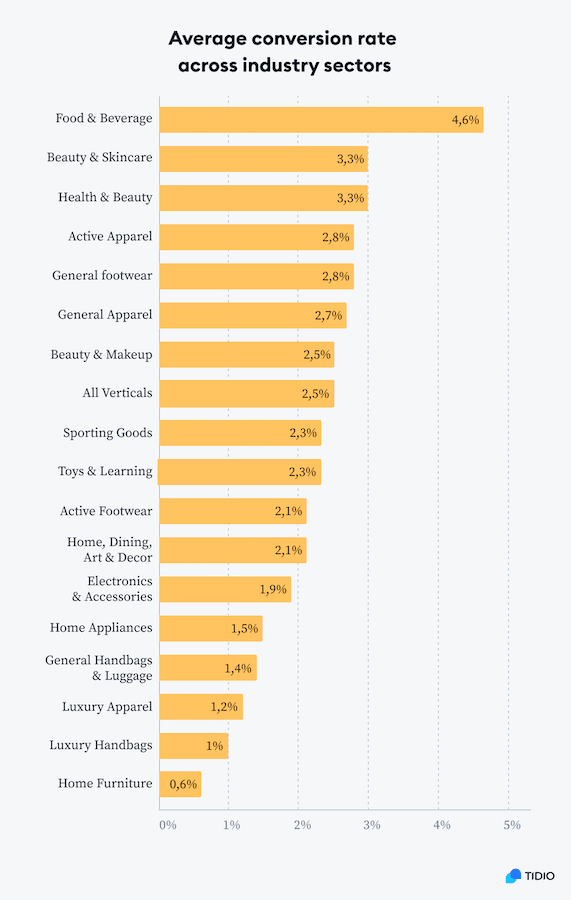
A CRO audit is defined as a comprehensive evaluation of an online store’s performance, focusing on the critical touchpoints that influence a visitor’s journey from discovery to purchase. In a market where the average e-commerce conversion rate fluctuates between 1% and 4% depending on the sector, even marginal improvements in the user experience can result in significant bottom-line growth. The audit process is generally divided into three distinct phases: quantitative data collection, qualitative insight gathering, and the prioritization of high-impact optimizations.
This methodology mirrors clinical diagnostics. Just as a physician utilizes both blood tests (quantitative) and patient interviews (qualitative) to form a diagnosis, a digital analyst uses analytics and user feedback to identify "conversion leaks." The ultimate goal is to ensure that the visitor’s path to purchase is devoid of friction, technical errors, or cognitive load.
Phase I: Establishing the Quantitative Foundation
The first step in any rigorous CRO audit involves the collection of hard data—the "what" of user behavior. Before implementing design or copy changes, analysts must understand exactly where users are dropping off and the financial implications of those exits.
Advanced Analytics and GA4 Integration
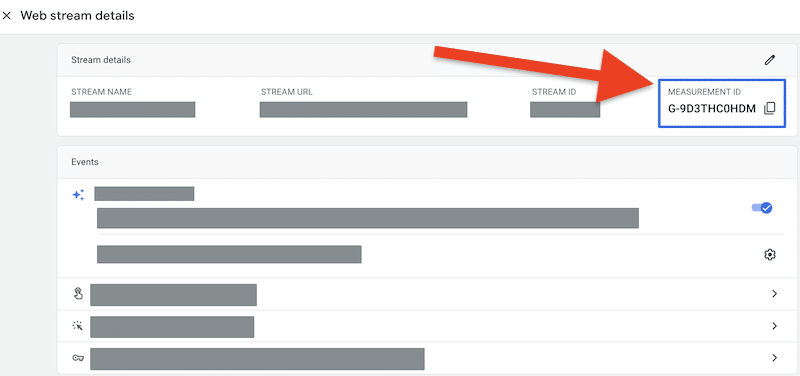
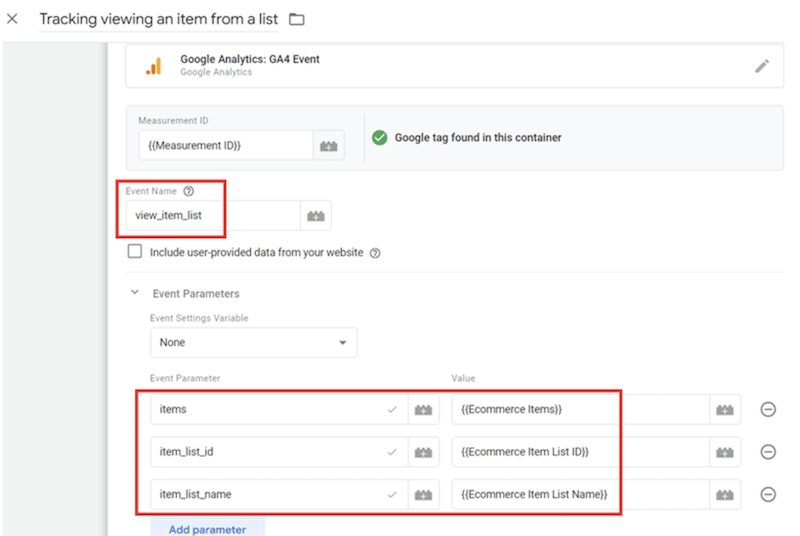
With the industry-wide transition to Google Analytics 4 (GA4), the focus has shifted toward event-based tracking. Standard page-view metrics are no longer sufficient for high-growth e-commerce brands. A robust audit requires the configuration of specific shopping-journey events, including:
- view_item: Tracking engagement at the product level.
- add_to_cart: Measuring the initial intent to purchase.
- begin_checkout: Identifying the transition from browsing to the transaction phase.
- purchase: Confirming the successful completion of the funnel.
Data from these events allows for the calculation of specific drop-off rates. For instance, if an audit reveals that 30% of users add items to their cart but only 6% begin the checkout process, the focus shifts immediately to the cart page’s functionality and pricing transparency.
Industry Benchmarking and Micro-Conversions
Quantitative analysis also requires context. Conversion rates vary dramatically across industry sectors; for example, the home furniture sector often sees averages as low as 0.6%, while the food and beverage industry can reach 4.6%. Analysts use these benchmarks to determine if a site is underperforming relative to its peers. Furthermore, the audit must track "micro-conversions," such as newsletter sign-ups or clicks on size guides, which serve as early indicators of user interest and long-term customer lifetime value.
Technical Performance and Core Web Vitals
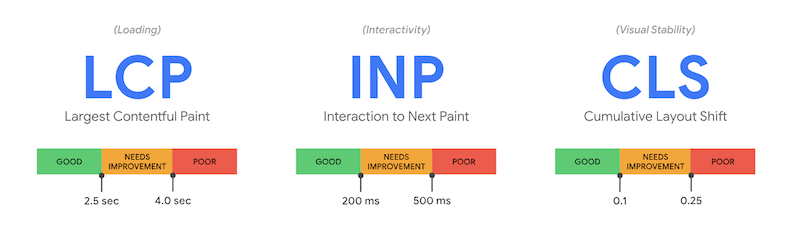
The technical health of a website is a foundational element of conversion. Google’s Core Web Vitals—Largest Contentful Paint (LCP), Interaction to Next Paint (INP), and Cumulative Layout Shift (CLS)—have become critical benchmarks. LCP measures loading speed, with a target of 2.5 seconds or less; INP assesses responsiveness; and CLS measures visual stability. Research indicates that a one-second delay in mobile load times can impact conversion rates by up to 20%, making technical optimization a high-priority item in the audit chronology.
Phase II: Extracting Qualitative Insights
While quantitative data identifies the location of a problem, qualitative insights explain the "why" behind user frustration. This phase focuses on the human element of the digital experience, utilizing tools that capture the emotional and cognitive responses of visitors.
Visualizing Behavior through Heatmaps and Session Replays
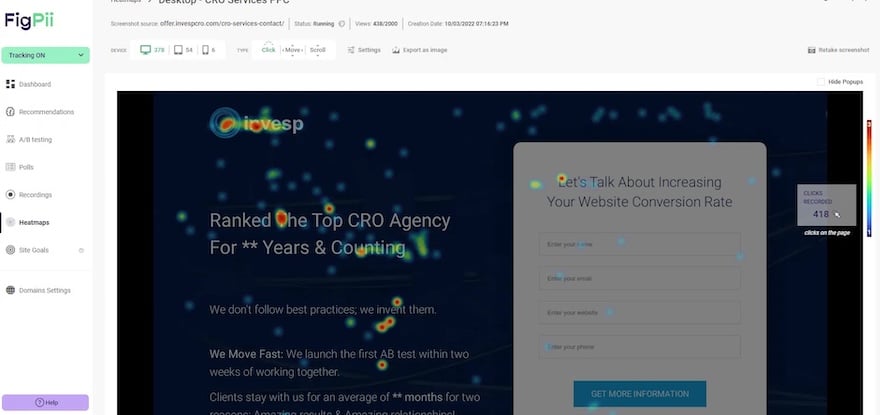
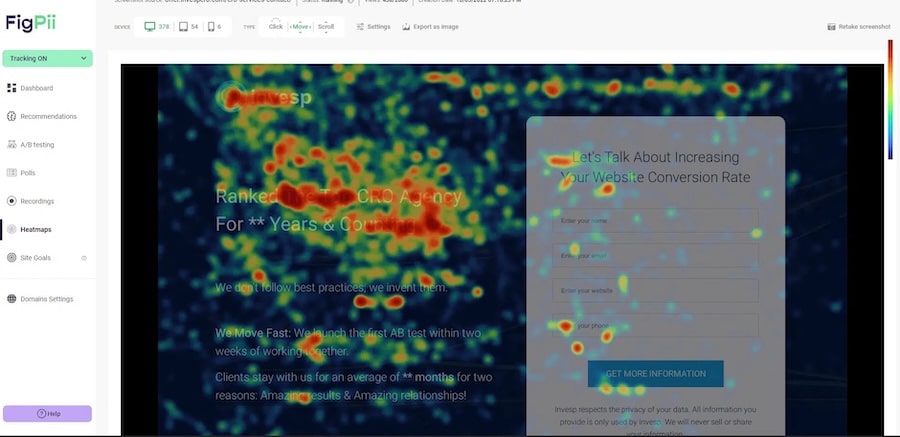
Heatmaps provide a color-coded visualization of user engagement. Click heatmaps reveal which elements—such as "Buy Now" buttons or promotional banners—are attracting the most attention, while scroll maps indicate how far down a page a user is willing to travel before losing interest. Movement heatmaps track cursor activity, often highlighting areas of confusion where users attempt to click on non-interactive elements.
Session replays act as the "narrative" of the audit. By watching recordings of actual user journeys, analysts can witness "rage-clicking" on broken links or the repetitive zooming required on non-responsive mobile designs. These observations often lead to "aha" moments that data tables alone cannot provide.

The Power of Direct Feedback: Surveys and User Testing
Direct communication with the target audience remains one of the most effective ways to uncover conversion barriers. Exit polls—short, one-question surveys triggered when a user intends to leave the site—can capture immediate objections, such as concerns over shipping costs or lack of payment options.
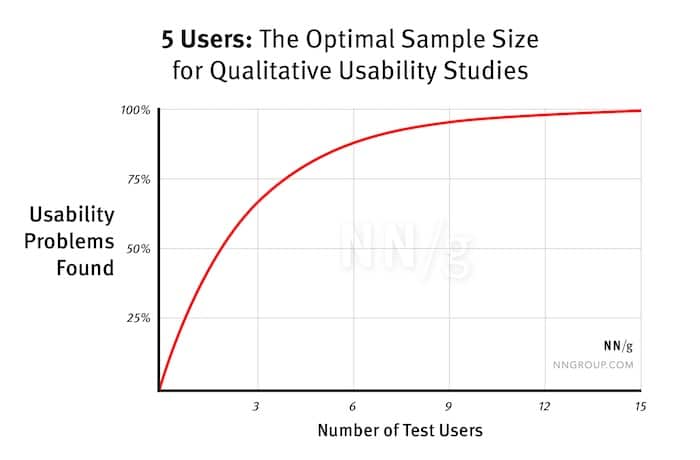
Deeper insights are gained through formal user testing. According to the Nielsen Norman Group, testing with as few as five users can uncover up to 85% of a website’s usability issues. During these sessions, participants are asked to complete specific tasks, such as "finding a gift under $50," while thinking aloud. This process exposes the gap between how a brand thinks its site works and how a customer actually experiences it.
Phase III: Optimization of High-Impact Touchpoints
Following the data collection phases, the audit moves into the implementation of strategic changes, focusing on the two most critical areas: the product page and the cart.
The Product Page: The Decision Hub
The product page is the ultimate conversion theater. An audit of this page focuses on four pillars:

- Visual Presentation: High-quality imagery from multiple angles and featured videos are essential. Research suggests that customers are significantly more likely to purchase when they can visualize the product in a real-world context.
- Benefit-Driven Copy: Effective descriptions move beyond a list of features to explain how the product solves a problem or enhances the user’s life. Following the "Apple" model, technical specs should be secondary to the emotional or practical benefits.
- Call-to-Action (CTA) Clarity: The "Add to Cart" button must be the most prominent element on the page, typically positioned above the fold with contrasting colors to ensure visibility across all device types.
- Social Proof Integration: Ratings, reviews, and user-generated content act as a digital "security blanket." Data shows that social proof can boost conversions by up to 17% by alleviating the inherent fears associated with online shopping.
The Cart Page: Minimizing Friction
The cart page must be characterized by clarity, simplicity, and speed. A successful audit of the cart involves removing all non-essential elements that might distract the user from the final goal. Key questions addressed during the audit include:
- Are shipping costs and delivery times clearly stated?
- Is the checkout process available as a "guest" to avoid forced account creation?
- Are there multiple, modern payment options (e.g., Apple Pay, PayPal, Klarna)?
- Does the page load in under three seconds? (Note: 40% of users abandon sites that exceed this threshold).
Analysis of Broader Implications and Long-Term ROI
The implications of regular CRO audits extend far beyond immediate sales spikes. In an era where data privacy regulations (such as GDPR and CCPA) are making traditional third-party tracking more difficult, the ability to optimize the "on-site" experience is becoming the primary lever for growth.
A fact-based analysis suggests that businesses adopting a culture of continuous optimization see a cumulative effect on their Return on Ad Spend (ROAS). When a website converts at a higher rate, every dollar spent on Facebook, Google, or TikTok ads becomes more efficient. Furthermore, the insights gained from CRO audits often inform broader business decisions, such as product development, inventory management, and customer service protocols.
Industry experts argue that the "set it and forget it" mentality toward website design is a recipe for obsolescence. As consumer expectations are continuously reshaped by industry giants like Amazon and Sephora, smaller retailers must use CRO audits to ensure their digital storefronts remain intuitive and trustworthy.

Conclusion
The Conversion Rate Optimization audit is not merely a troubleshooting exercise but a fundamental component of modern e-commerce governance. By integrating quantitative rigor with qualitative empathy, businesses can build a website that doesn’t just attract visitors, but actively facilitates their journey toward becoming loyal customers. In a landscape defined by rapid technological change and shifting consumer preferences, the regular CRO audit stands as the most reliable safeguard against revenue leakage and a primary engine for sustainable digital growth. For the forward-thinking e-commerce enterprise, the question is no longer whether to perform a conversion audit, but rather how frequently it must be conducted to keep pace with the market.