The word "target" is a cornerstone of effective marketing, a critical element that dictates the direction and resonance of any campaign. Marketers employ a multifaceted approach to targeting, considering behavioral patterns, psychographic profiles, demographic data, and geographic locations. While these frameworks provide valuable insights, understanding how to effectively communicate with different generational cohorts is equally paramount. This series embarks on a comprehensive exploration of digital marketing strategies tailored for distinct generations, commencing with Generation Z (born 1995-2010) and extending to Millennials (1980-1994), Generation X (1960-1979), and Baby Boomers (1940-1959). The objective is to equip businesses with the knowledge to ensure their digital presence and messaging effectively connect with these diverse groups.
This inaugural article focuses on the youngest and arguably most influential demographic entering the consumer and workforce landscape: Generation Z. Often characterized by a seemingly paradoxical blend of tech-savviness, dark humor, and a penchant for authenticity, Gen Z has become a frequent subject of discussion and, at times, misinterpretation by older generations. As this cohort matures and increasingly shapes market trends, a nuanced understanding of their digital behavior and consumption patterns is no longer optional but essential for marketers.
The Gen Z Identity: Forged in the Digital Age
Generation Z represents the first cohort to have been born into a world saturated with digital technology. From their earliest years, they have been immersed in smartphones, computers, and the pervasive influence of the internet. This digital nativity has shaped their worldview in profound ways. Furthermore, their formative years have been marked by significant global events: the aftermath of the 9/11 attacks, the economic instability of the Great Recession which impacted their parents, and the unprecedented disruption of the COVID-19 pandemic as they entered higher education and the workforce.
These experiences have cultivated a generation that is demonstrably pragmatic, open-minded, and realistic. They are digital natives, operating with a mobile-first mindset and exhibiting a keen awareness of ethical considerations in their purchasing decisions. Their attention spans are often cited as shorter, a characteristic that demands marketers eschew intrusive or inauthentic advertising in favor of more engaging and value-driven content. Intriguingly, Gen Z places a high premium on individuality and uniqueness, seeking brands that reflect and celebrate these traits.

This generation approaches marketing with a healthy dose of skepticism. Having grown up exposed to advertising across a multitude of platforms, they have developed a sophisticated ability to discern genuine engagement from superficial promotion. To capture their attention, brands must transcend conventional advertising tropes and offer something distinctive and compelling.
Understanding Gen Z Consumption Habits
Research consistently highlights key characteristics of Gen Z consumption. A notable study by McKinsey & Company identified several critical trends:
- Value-Driven Purchasing: Gen Z is not solely driven by price. They are deeply concerned with the ethical implications of their purchases, favoring brands that demonstrate social responsibility, sustainability, and transparency. This includes fair labor practices, environmental stewardship, and a commitment to diversity and inclusion. For instance, a 2022 report by YPulse indicated that 70% of Gen Z consumers are more likely to purchase from brands that align with their values.
- Authenticity and Transparency: This generation has a low tolerance for hyperbole and inauthentic messaging. They crave genuine interactions and expect brands to be upfront about their products, services, and business practices. User-generated content, influencer marketing that feels genuine, and behind-the-scenes glimpses into brand operations resonate strongly. A survey by Stackla revealed that 86% of consumers say authenticity is important when deciding which brands they support.
- Experiences Over Possessions: While not entirely eschewing material goods, Gen Z often prioritizes experiences. This translates to a greater interest in travel, events, dining, and personal development. Marketers can tap into this by offering products and services that facilitate memorable experiences or by aligning their brand with lifestyle aspirations.
- Digital Fluency and Discovery: Gen Z discovers products and brands primarily through digital channels. Social media platforms, video content, and peer recommendations are primary drivers of their purchasing journey. They are adept at conducting research online and are influenced by reviews and social proof.
Strategic Approaches to Marketing to Generation Z
Translating these insights into effective digital marketing strategies requires a targeted and adaptive approach. Understanding where Gen Z spends their time online and the types of messages that resonate with them is crucial.
Platforms to Reach Gen Z
Gen Z’s digital landscape is dynamic and multifaceted. While certain platforms dominate, their usage patterns are often distinct from older demographics.
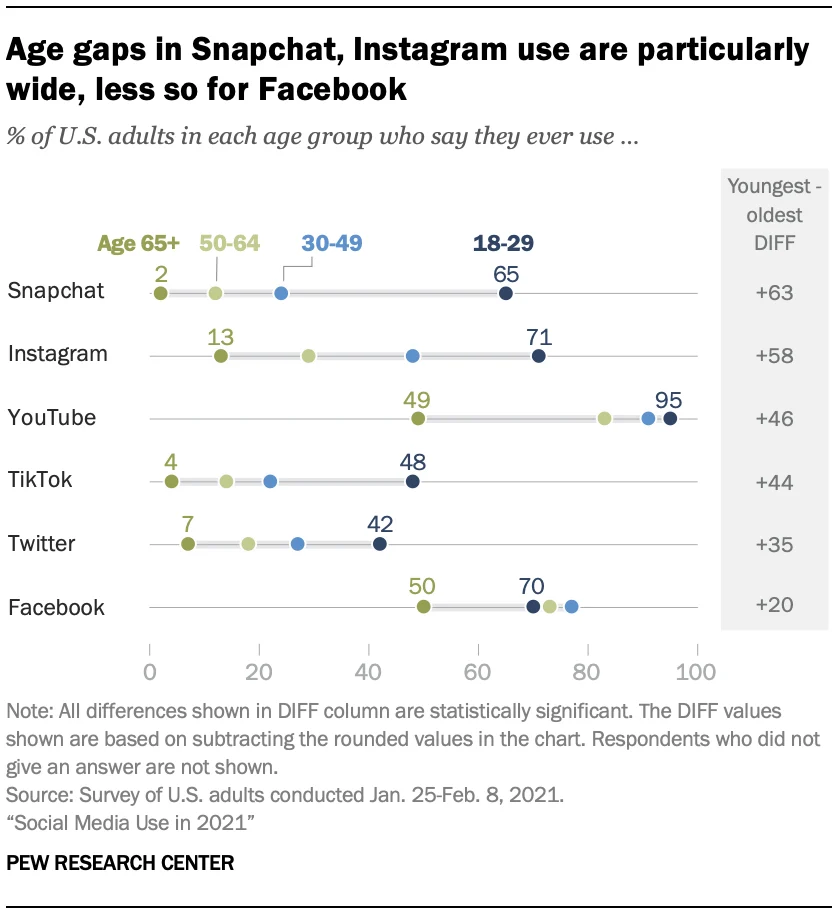
- TikTok: This short-form video platform has become a cultural phenomenon and a primary discovery engine for Gen Z. Its algorithm-driven feed allows for rapid content dissemination and virality. Brands can leverage TikTok through engaging video content, creative challenges, and collaborations with popular creators. The platform’s emphasis on trends and user-generated content aligns well with Gen Z’s desire for authenticity and participation.
- YouTube: While a longer-standing platform, YouTube remains a critical hub for Gen Z. They utilize it for entertainment, education, product research, and following influencers. Longer-form content, tutorials, reviews, and vlogs are highly popular. Brands can reach Gen Z on YouTube through pre-roll ads, sponsored content, and by creating their own engaging channel.
- Instagram: Despite the rise of newer platforms, Instagram continues to be a significant channel for Gen Z, particularly for visual content and brand discovery. Stories, Reels, and visually appealing feed posts are key. Gen Z uses Instagram for following trends, engaging with brands, and discovering new products. Influencer marketing remains a potent strategy on this platform.
- Snapchat: Known for its ephemeral content and emphasis on peer-to-peer communication, Snapchat is popular among younger members of Gen Z. Its augmented reality (AR) filters and lenses offer unique branding opportunities. Brands can engage Gen Z on Snapchat through creative filters, sponsored lenses, and short, engaging video ads.
- Gaming Platforms (e.g., Twitch, Discord): The gaming community is a significant part of Gen Z’s digital life. Platforms like Twitch, which offers live streaming of gameplay, and Discord, a communication platform popular among gamers, present opportunities for brands to engage with this audience through sponsorships, in-game advertising, and community building. According to Newzoo, esports viewership among Gen Z is projected to continue its upward trajectory.
- Emerging Platforms: Marketers must remain agile and aware of emerging platforms that may gain traction within Gen Z communities. The rapid evolution of the digital landscape means that staying ahead of the curve is essential.
Messaging That Speaks to Gen Z
Crafting messages that resonate with Gen Z requires a departure from traditional marketing jargon and a commitment to authenticity and value.

- Authenticity and Relatability: Gen Z can quickly detect insincerity. Messages should be genuine, honest, and avoid overly polished or corporate language. User-generated content, testimonials, and influencer collaborations that feel organic are highly effective. For example, brands that openly share their brand values and demonstrate how they are living up to them will find greater success.
- Social Impact and Values Alignment: Gen Z is passionate about social causes. Messaging that highlights a brand’s commitment to sustainability, diversity, equity, and inclusion will resonate deeply. They want to support brands that are making a positive difference in the world. Data from Nielsen indicates that a significant percentage of Gen Z consumers are willing to pay more for products from sustainable brands.
- Humor and Entertainment: While often characterized by a darker sense of humor, Gen Z also appreciates lightheartedness and entertainment. Creative, engaging, and even humorous content can cut through the noise and capture their attention. However, humor should be used judiciously and be contextually appropriate.
- Conciseness and Visual Appeal: Given their shorter attention spans and mobile-first consumption, messages should be brief, to the point, and visually compelling. Infographics, short videos, and visually striking imagery are far more effective than lengthy text-heavy content.
- Empowerment and Individuality: Gen Z values self-expression and individuality. Messaging that empowers them to be themselves, explore their identities, and celebrate their uniqueness will foster a stronger connection. Brands that enable personalization and customization often find success with this demographic.
- Call to Action (Subtle and Value-Oriented): Instead of direct sales pitches, Gen Z responds better to calls to action that offer value. This could be an invitation to join a community, learn more about a cause, or participate in a meaningful experience.
Broader Implications and the Future of Marketing
The insights gleaned from understanding Generation Z have far-reaching implications for the broader marketing landscape. Their preferences for authenticity, ethical consumption, and digital-first engagement are not confined to this demographic alone. As other generations increasingly adopt these digital habits and values, marketers will need to adapt their strategies across the board.
The rise of influencer marketing, the importance of social proof, and the demand for transparency are trends that have been amplified by Gen Z but are now influencing consumer behavior across all age groups. Brands that fail to embrace these shifts risk becoming irrelevant.
Furthermore, the data privacy concerns that are paramount to Gen Z are prompting a reevaluation of data collection and usage practices by all consumers and regulators. Marketers must prioritize ethical data handling and build trust through transparent practices.
The digital marketing strategies that resonate with Generation Z are indicative of a larger paradigm shift towards more human-centric, value-driven, and digitally integrated brand-consumer relationships. The ability to adapt, innovate, and genuinely connect with audiences will be the defining characteristic of successful marketing in the years to come.
Ultimately, mastering the art of marketing to Generation Z is not merely about understanding a specific demographic; it is about embracing a future where authenticity, purpose, and digital fluency are the currencies of consumer engagement. For businesses seeking to navigate this evolving landscape and forge lasting connections with this influential generation, a commitment to continuous learning and adaptation is paramount.