The widely used Yoast SEO Premium plugin for WordPress has released version 27.6.1, addressing a critical security vulnerability found within its Redirect Manager feature. This update is crucial for a specific subset of users, though Yoast has clarified that the vast majority of its customer base is not impacted by the flaw. The vulnerability, which could potentially lead to remote code execution (RCE) in severe cases, underscores the ongoing importance of diligent plugin management and timely updates within the WordPress ecosystem.
The Critical Security Patch: Addressing .htaccess Injection
At the heart of the 27.6.1 release is a patch designed to prevent an authenticated user from injecting unexpected configuration into a site’s .htaccess file. This injection could occur by including special characters within a redirect URL managed by the plugin. The severity of potential outcomes varied significantly depending on the specific code injected, ranging from causing a site crash – effectively rendering the website inaccessible – to the more critical threat of remote code execution. Remote code execution is arguably the most dangerous type of vulnerability, as it allows an attacker to run arbitrary commands on the server, potentially leading to complete system compromise, data breaches, and the installation of malicious software.
Yoast has confirmed that their internal review of a sample of sites using the affected configuration has revealed no evidence of exploitation. This is positive news, suggesting that the vulnerability may not have been actively leveraged by malicious actors prior to its discovery and remediation. However, the absence of evidence of exploitation does not diminish the inherent risk posed by such a flaw, making the update an urgent priority for those potentially affected.
Understanding the Vulnerability’s Scope: Who is Affected?
While the vulnerability is significant, Yoast has provided clear criteria for determining which users are at risk, emphasizing that the majority are not. A site is only potentially at risk if all three of the following conditions are met:
- The site is running Yoast SEO Premium, Yoast WooCommerce SEO, or Yoast SEO AI+. This immediately narrows the scope to premium users, as the free version of the plugin does not include the Redirect Manager functionality.
- The site has the Redirect Manager enabled. The Redirect Manager is a premium feature, but it can be toggled on or off. Sites where this feature is disabled are not at risk from this specific vulnerability.
- The Redirect Manager is configured to use
.htaccessmode. This is the most crucial condition. The Redirect Manager offers different methods for handling redirects. If it is set to use the.htaccessfile for managing redirects, then the site is exposed. Other redirect methods do not interact with the.htaccessfile in a way that triggers this vulnerability.
Users can quickly verify their redirect settings by navigating to [www.yoursite.com]/wp-admin/admin.php?page=wpseo_redirects#/redirect-method in their WordPress admin panel. If the interface does not show .htaccess mode enabled, the site is not at risk from this particular vulnerability. This specific check provides a direct and simple way for administrators to assess their exposure.
The Critical Role of .htaccess in Web Server Configuration
To fully appreciate the gravity of the .htaccess injection vulnerability, it’s essential to understand the function and power of the .htaccess file. The .htaccess file (hypertext access) is a directory-level configuration file supported by Apache web servers, which powers a significant portion of the internet’s websites, including many WordPress installations. These files provide a way to make configuration changes on a per-directory basis, overriding global server settings.
The commands within an .htaccess file can control a vast array of server behaviors, including:

- Redirects: Directing users from one URL to another (the feature exploited in this vulnerability).
- Rewrites: Modifying URLs for cleaner presentation or SEO purposes.
- Access Control: Restricting access to certain files or directories based on IP address or authentication.
- Custom Error Pages: Defining custom pages for errors like 404 (Not Found) or 500 (Internal Server Error).
- MIME Types: Specifying how the server should handle different file types.
- PHP Configuration: Adjusting specific PHP settings for a directory.
Because .htaccess files can directly influence how the web server processes requests and serves content, an attacker capable of injecting arbitrary code into this file gains significant control over the website’s environment. This level of access is what paves the way for severe consequences, including remote code execution.
Remote Code Execution (RCE) Explained: The Ultimate Threat
Remote Code Execution (RCE) represents one of the most critical categories of security vulnerabilities. It grants an attacker the ability to execute arbitrary commands on the target server. Unlike other vulnerabilities that might only expose data or deface a website, RCE allows an attacker to take full control of the compromised system.
In the context of this Yoast SEO vulnerability, an attacker leveraging RCE through .htaccess injection could:
- Install Backdoors: Create hidden entry points to regain access even after the initial vulnerability is patched.
- Steal Sensitive Data: Access databases, user credentials, and other confidential information stored on the server.
- Deface or Take Down the Website: Completely alter the website’s content or shut it down.
- Use the Server for Malicious Activities: Turn the compromised server into part of a botnet, host phishing pages, or launch further attacks against other systems.
- Escalate Privileges: If the web server process runs with elevated privileges, the attacker could potentially gain root access to the entire server, impacting all other websites hosted on it.
The potential for RCE elevates this vulnerability from a minor inconvenience to a critical threat, even if it requires an authenticated user and specific server configurations to be exploitable.
Yoast’s Swift Response and Comprehensive Remediation
Yoast’s security team acted promptly upon discovering the vulnerability, developing and deploying a multi-layered patch in version 27.6.1. The patch includes three distinct layers of protection, demonstrating a robust approach to mitigating the risk:
- Input Sanitization: The primary defense involves rigorously sanitizing user input within the Redirect Manager. This process filters out or escapes any special characters that could be interpreted as code or configuration directives when written to the
.htaccessfile, preventing the initial injection vector. - Output Escaping: Beyond input sanitization, the patch also implements output escaping. This ensures that even if malicious characters somehow bypass input filters, they are treated as literal text rather than executable commands when the
.htaccessfile is generated or modified. - Strict Validation: The update introduces stricter validation rules for redirect entries. This means the plugin will now actively check if the proposed redirect configurations adhere to safe and expected formats, rejecting any entries that appear malformed or potentially malicious.
This layered approach significantly hardens the Redirect Manager against similar future injection attempts, providing a more secure environment for users.
A Call to Action for Users: Update Immediately
Yoast’s clear recommendation for all users of Yoast SEO Premium, Yoast WooCommerce SEO, or Yoast SEO AI+ is to update to version 27.6.1 as soon as possible. The update process is designed to be quick and straightforward, typically taking less than two minutes via the WordPress plugins screen.
Even for users who do not meet all three conditions for being directly affected by this specific vulnerability, keeping plugins updated to their latest versions is a fundamental security best practice. Updates often include not only security fixes but also performance enhancements, bug fixes, and new features. Yoast explicitly states that 27.6.1 is the recommended version for everyone, regardless of their current risk assessment for this particular flaw.
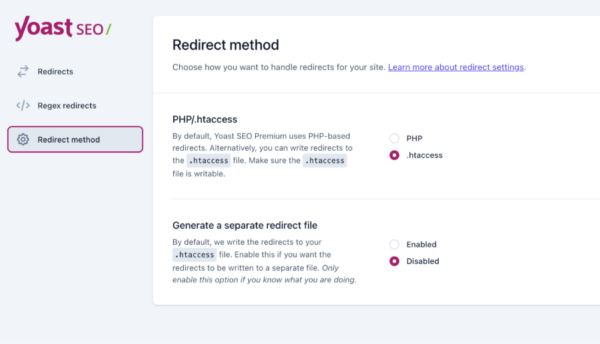
For those unsure about their exposure, Yoast advises checking the redirect settings directly. If the .htaccess mode is not enabled, the site is not at risk. However, updating remains the most prudent course of action to ensure overall site security and benefit from the latest improvements.
Broader Context: The WordPress Security Landscape
The WordPress ecosystem, while incredibly powerful and flexible, also presents unique security challenges. With WordPress powering over 43% of all websites globally, it is a prime target for attackers. The vast majority of security incidents on WordPress sites are not due to core WordPress vulnerabilities but rather vulnerabilities in themes and plugins.
- Plugin Proliferation: The strength of WordPress lies in its extensive plugin library, with over 60,000 plugins available. However, this vastness also means a larger attack surface. Each plugin introduces potential new vulnerabilities if not developed and maintained with stringent security practices.
- Development Practices: While many developers adhere to high security standards, inconsistencies can exist. Regular security audits, static code analysis, and adherence to secure coding guidelines are crucial for plugin developers.
- User Responsibility: Ultimately, end-users and site administrators bear a significant responsibility. Proactive security measures, such as choosing reputable plugins, keeping all software updated, using strong passwords, implementing firewalls, and regular backups, are paramount.
- Authenticated User Vulnerabilities: This particular Yoast vulnerability required an "authenticated user." While this is a higher barrier than an unauthenticated attack, it still poses a significant risk. An attacker could gain authenticated access through stolen credentials, social engineering, or other vulnerabilities that grant user accounts. This highlights the importance of strong user authentication and robust user management practices.
Yoast’s Market Position and Responsibility
Yoast SEO is one of the most popular and influential plugins in the WordPress community, boasting millions of active installations. Its widespread adoption means that any vulnerability, no matter how specific, carries a significant potential impact across a vast number of websites. As a market leader, Yoast bears a substantial responsibility to maintain the highest security standards. Their prompt response and transparent communication regarding this vulnerability demonstrate a commitment to that responsibility. The publication of a full security advisory, as promised, further illustrates this dedication to transparency and helping the broader community understand and mitigate risks.
Expert Commentary and Best Practices
WordPress security experts consistently emphasize several key practices to mitigate risks from plugin vulnerabilities:
- Regular Updates: This is the most frequently cited advice. Delaying updates leaves sites exposed to known vulnerabilities.
- Use Reputable Plugins/Themes: Stick to plugins and themes from trusted developers with good security track records and active support.
- Minimize Plugin Usage: Install only necessary plugins to reduce the attack surface.
- Regular Backups: Implement a robust backup strategy to quickly restore a site in case of compromise.
- Security Scanners: Utilize WordPress security plugins and external scanners to identify vulnerabilities proactively.
- Web Application Firewalls (WAFs): A WAF can provide an additional layer of defense by filtering malicious traffic before it reaches the WordPress installation.
- Principle of Least Privilege: Ensure that user accounts only have the minimum necessary permissions.
Looking Ahead: Continued Vigilance
The release of Yoast SEO Premium 27.6.1 serves as a timely reminder of the dynamic nature of web security. Even the most reputable software can contain vulnerabilities, and continuous vigilance is required from both developers and users. Yoast’s quick action in identifying and patching this issue, coupled with their transparent communication, sets a positive example for the industry. However, the onus remains on site administrators to implement these updates promptly and maintain a proactive security posture to safeguard their digital assets in an ever-evolving threat landscape.