The landscape of digital commerce is undergoing a fundamental transformation as artificial intelligence (AI) shifts from a peripheral experimental tool to the central engine of Conversion Rate Optimization (CRO). In an era where consumer attention spans are shorter than ever, the ability of a website to anticipate user needs, personalize content in real-time, and eliminate friction points has become the primary differentiator between market leaders and their struggling competitors. AI-driven CRO, a discipline that merges machine learning with behavioral psychology, is now enabling businesses to automate the identification of conversion barriers, allowing for a level of precision and speed that was previously unattainable through manual analysis.
Traditional conversion optimization has long relied on a sequential process of heuristic reviews, manual data auditing, and A/B testing. While effective, this methodology is often limited by human bandwidth and the time required to achieve statistical significance. AI changes this equation by processing vast datasets instantaneously, identifying subtle patterns in user behavior—such as micro-hesitations in cursor movement or specific sequences of page views—that signal a high probability of abandonment or a readiness to purchase. By automating these insights, AI does not replace the human strategist but rather equips them with a "digital detective" capable of monitoring every interaction across millions of user sessions simultaneously.
The Technological Shift: From Manual Testing to Predictive Intelligence
The chronology of CRO has moved through several distinct phases over the last two decades. In the early 2000s, optimization was largely synonymous with simple "hit counters" and basic web logs. The 2010s saw the rise of sophisticated A/B testing platforms and heatmapping tools, which allowed marketers to see where users clicked and compare two versions of a landing page. However, these methods remained reactive; they told marketers what happened in the past but offered limited foresight into future behavior.
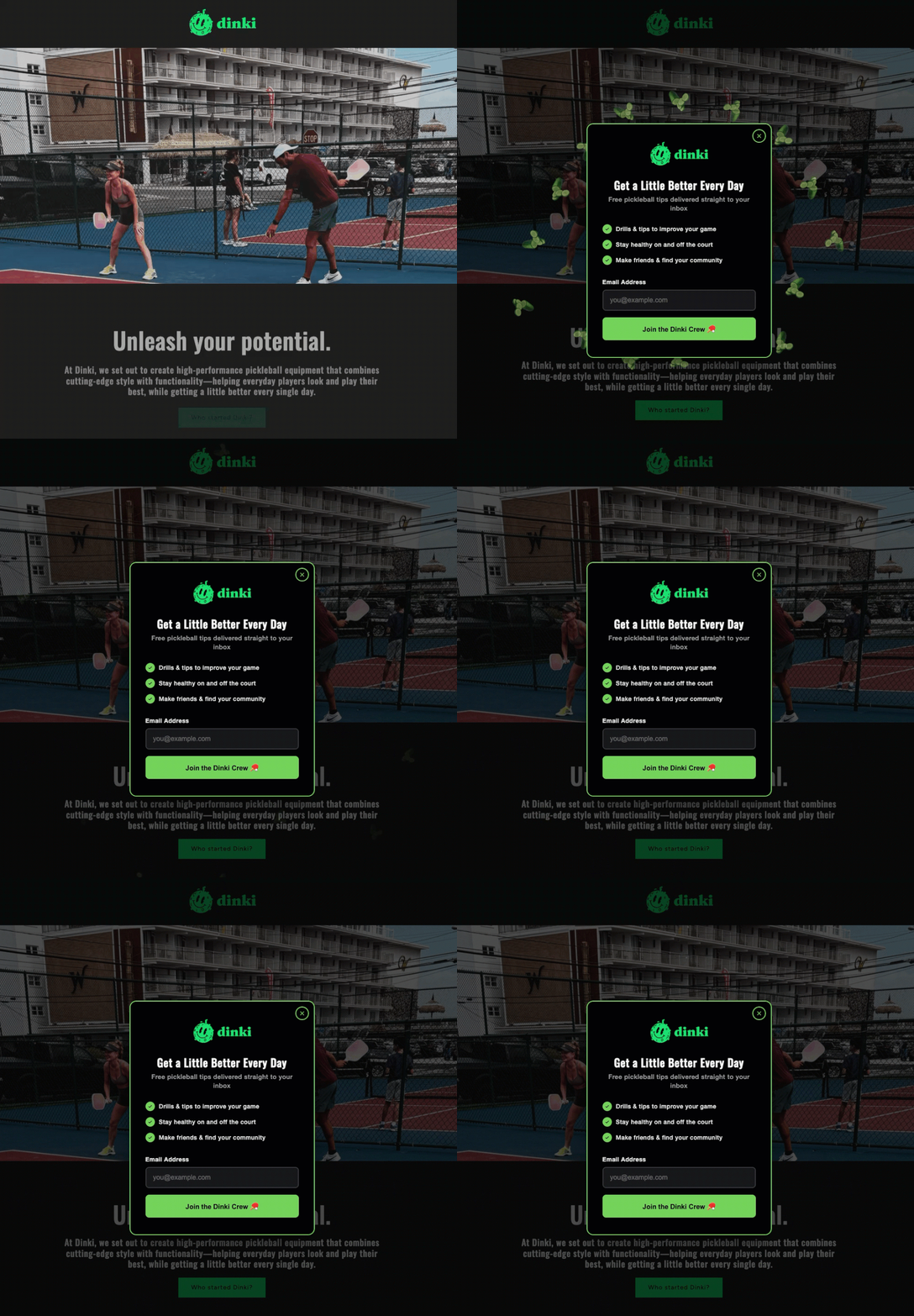
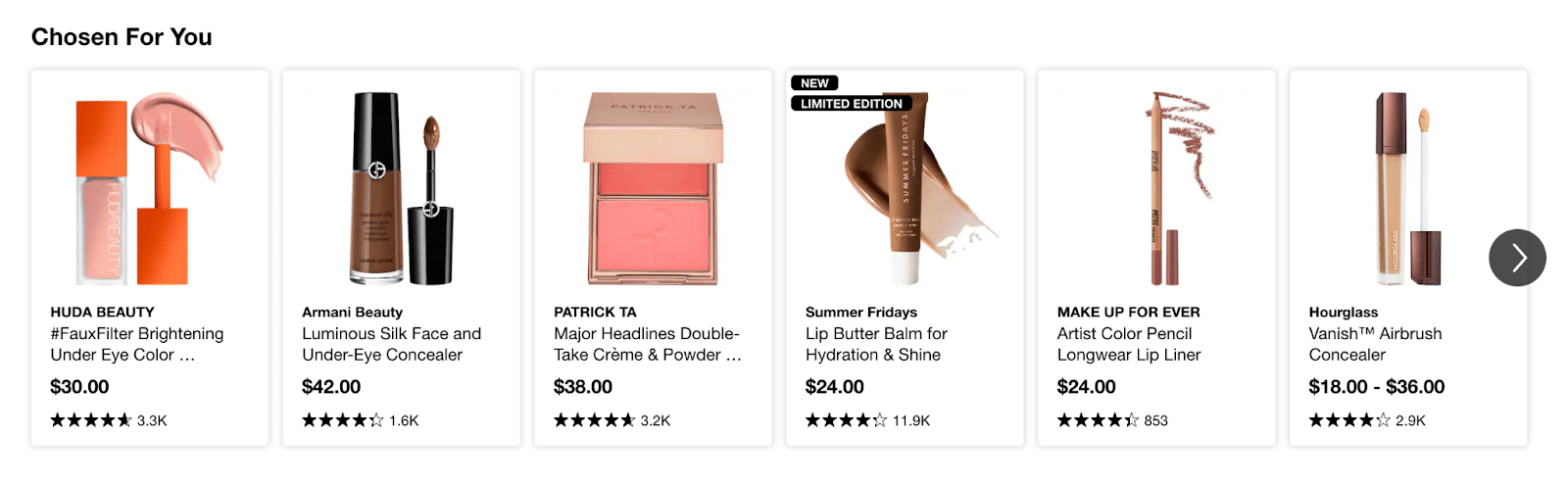
The current era, defined by AI-powered CRO, represents a leap toward proactive and predictive optimization. Modern systems utilize neural networks to forecast user intent before a click even occurs. For instance, predictive analytics tools can now assign a "propensity score" to individual visitors, indicating their likelihood of completing a purchase or churning. If a high-value visitor shows signs of exiting—such as moving their mouse toward the browser’s close button—AI can trigger a personalized intervention, such as a targeted discount or a dynamic content shift, to retain the user.
This shift is backed by significant industry data. Recent market analysis suggests that companies integrating AI into their marketing stacks see an average uplift in conversion rates of 15% to 30%. Furthermore, reports from global consultancies like McKinsey indicate that personalization, when executed through automated AI systems, can reduce customer acquisition costs by as much as 50% while increasing revenue by 5% to 15%.
Core Pillars of AI Integration in Modern CRO
To understand the impact of AI on conversion rates, it is essential to examine the specific tools and methodologies currently being deployed by high-growth enterprises. These technologies work in tandem to create a seamless, individualized customer journey.
1. Hyper-Personalization Engines
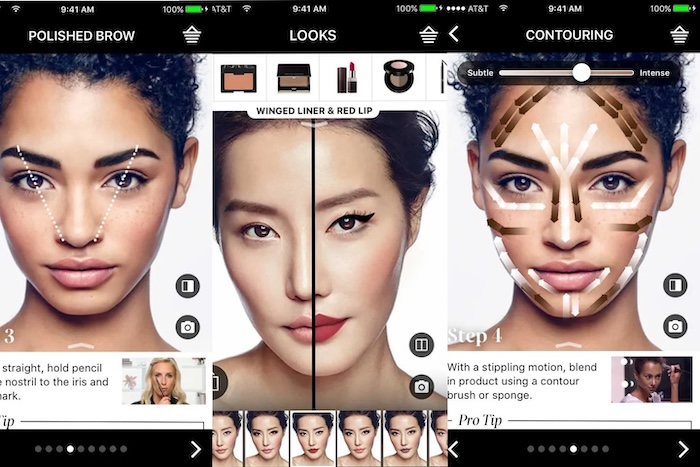
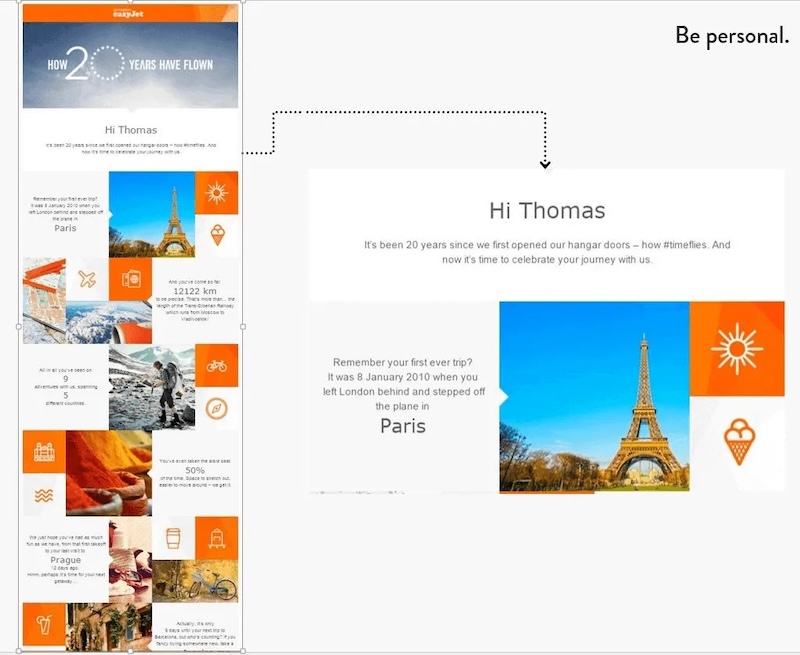
Personalization has evolved far beyond simply inserting a customer’s first name into an email. AI-powered personalization engines, such as those used by retailers like Sephora, analyze a user’s browsing history, past purchases, and even biological data like skin type to curate a unique digital storefront. Sephora’s "Virtual Artist" tool uses augmented reality and AI to allow customers to virtually test makeup products. This reduces the "certainty gap"—the hesitation a user feels when they aren’t sure if a product will suit them—thereby directly increasing the likelihood of a conversion.
2. Real-Time Multi-Variant Testing
While traditional A/B testing compares Version A against Version B, AI-driven testing can handle dozens of variations simultaneously. Machine learning algorithms, often referred to as "Multi-Armed Bandit" testing, dynamically allocate traffic to the best-performing versions of a page in real-time. This minimizes the "regret" of sending traffic to a lower-performing variation during the testing phase, ensuring that revenue is maximized even while the experiment is ongoing.
3. Intelligent Chatbots and Natural Language Processing (NLP)
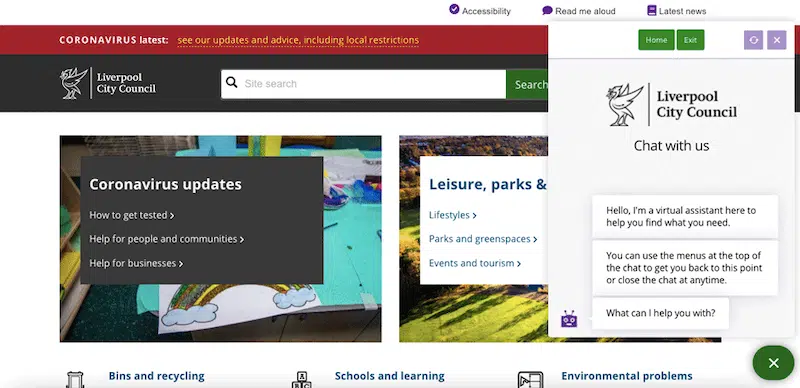
The role of customer support in CRO cannot be overstated. AI-driven chatbots have moved past rigid, script-based interactions to sophisticated NLP-driven conversations. Platforms like Intercom and Drift use AI to understand user intent, answering complex queries and guiding users through the sales funnel 24/7. Even public sector organizations, such as the Liverpool City Council, have implemented AI virtual assistants to resolve queries regarding taxes and benefits, demonstrating that the efficiency of AI interaction is universally applicable across industries.
4. Advanced Behavioral Heatmaps
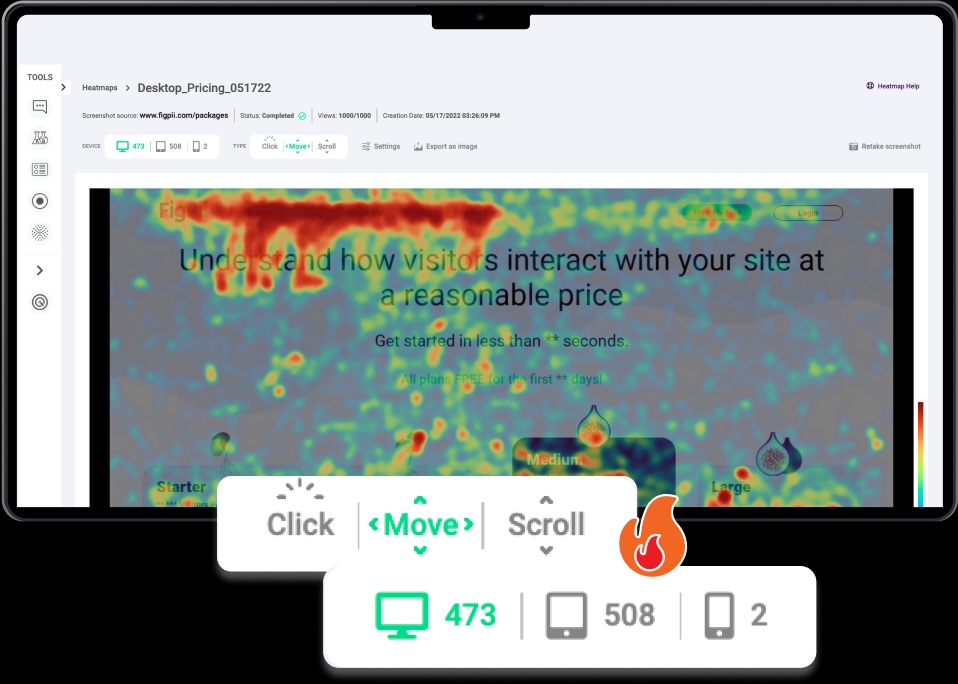
Visual analytics have been revolutionized by AI. Traditional heatmaps show where users have clicked, but AI-enhanced heatmaps can predict where users will look based on visual hierarchy and saliency algorithms. Tools like FigPii use these insights to suggest specific design changes—such as moving a Call-to-Action (CTA) button three inches to the left—to align with the natural ocular flow of the average visitor.
Case Studies in AI-Driven Success
The practical application of these technologies is best illustrated through the success of early adopters. Stitch Fix, an online personal styling service, has built its entire business model around an "Outcome-Centered Model" (OCM) powered by generative AI. By analyzing thousands of data points from user profiles and feedback, the AI predicts which clothing items a customer is most likely to keep. This predictive accuracy reduces return rates and significantly boosts the trial-to-paid conversion metric.
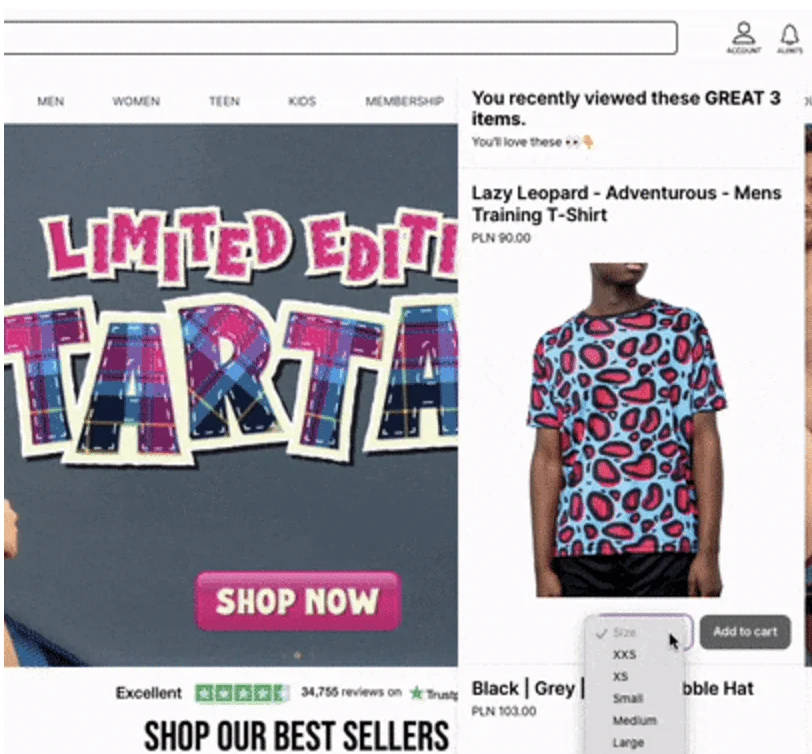
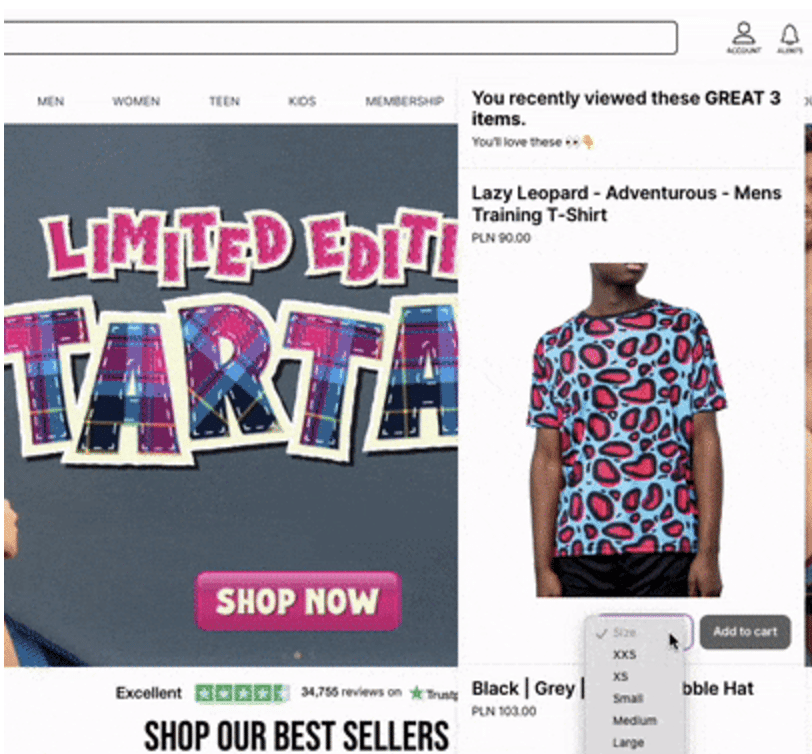
Similarly, the UK-based apparel brand OddBalls utilizes AI "Wishlist" notifications. When a visitor views multiple products without purchasing, the AI triggers an on-site notification featuring those exact items, acting as a personalized nudge. This strategy leverages the psychological principle of "recency bias," keeping the products top-of-mind and simplifying the path back to the checkout page.
Spotify offers another masterclass in AI-driven retention and conversion. Its dynamic playlists, such as "Discover Weekly," use collaborative filtering and natural language processing to predict what a user will want to hear next. By keeping users engaged with content that feels tailor-made, Spotify increases the "stickiness" of its platform, which is a critical precursor to converting free users into premium subscribers.
Building an Optimization Culture: The Human-AI Hybrid
Despite the power of these tools, industry experts emphasize that AI is not a "set-and-forget" solution. The most successful organizations are those that foster a data-driven optimization culture where human creativity and machine efficiency coexist. In this framework, AI serves as the "detective," identifying patterns and anomalies, while the human marketer serves as the "strategist," interpreting those patterns within the context of brand values and long-term business goals.
Industry reactions to this shift have been largely positive, though cautious regarding data privacy. Chief Marketing Officers (CMOs) at major tech firms have noted that the challenge is no longer "getting the data," but rather "extracting the signal from the noise." AI is the primary tool for this extraction. However, as the use of AI grows, so does the responsibility to handle consumer data ethically. Transparent data practices are becoming a secondary conversion factor; users are more likely to convert on sites they trust with their personal information.
Broader Impact and Future Implications
The implications of AI-driven CRO extend far beyond increased sales. This technology is fundamentally changing the way websites are designed and maintained. We are moving toward an era of "liquid" web design, where a website does not have a single static form but instead morphs its layout, pricing, and messaging for every individual visitor.
For small to medium-sized enterprises (SMEs), the democratization of AI tools means that the level of optimization once reserved for giants like Amazon is now accessible to anyone. Cloud-based AI platforms allow smaller businesses to run sophisticated experiments and personalization campaigns with minimal upfront investment in data science talent.
As AI technology continues to evolve, particularly with the integration of Generative AI, the possibilities for optimization will expand into the realm of real-time creative generation. We are approaching a future where AI will not only decide where to put a button but will also write the copy, design the imagery, and adjust the color palette of an entire landing page in milliseconds to suit the specific psychological profile of a single user.
In conclusion, the future of Conversion Rate Optimization is inextricably linked to the advancement of artificial intelligence. By moving beyond manual, slow-moving testing cycles and embracing real-time, predictive, and personalized experiences, businesses can create a digital environment that feels less like a transaction and more like a curated service. The transition to AI-driven CRO is no longer an optional upgrade for digital businesses; it is the new standard for survival and growth in a hyper-competitive global marketplace.