In an increasingly saturated global marketplace where consumers are bombarded by an estimated 4,000 to 10,000 advertisements daily, the ability of a brand to articulate its worth in a matter of seconds has become a critical determinant of commercial survival. A value proposition serves as a concise, strategic declaration that informs a target customer exactly why they should select a specific product or service over all available alternatives. It is not merely a marketing slogan; rather, it is a foundational business statement that identifies the specific value delivered, the intended audience, and the unique competitive advantages that distinguish the offering from the broader market landscape.
The development of a robust value proposition involves a rigorous multi-stage process: defining the target demographic, mapping customer objectives, translating technical features into tangible benefits, and identifying unique differentiation angles. According to industry analysis, companies that successfully align their internal operations with a clear, customer-centric value proposition report significantly higher conversion rates and lower customer acquisition costs. This report examines the structural elements of the value proposition, its historical evolution within market strategy, and the methodologies required to implement it effectively across digital and physical platforms.
The Evolution of Value Communication: A Strategic Chronology
The concept of the value proposition has undergone a significant transformation over the last century, reflecting broader shifts in economic theory and consumer behavior. In the early 20th century, during the height of the industrial era, marketing was largely feature-centric. Success was defined by "Unique Selling Propositions" (USPs) that focused on technical specifications—such as the speed of a motor or the durability of a fabric.
![Value Proposition: What It Is and How to Write One [+ Examples]](https://ceblog.s3.amazonaws.com/wp-content/uploads/2026/07/15113335/The-Value-Proposition-Canvas.png)
By the 1960s and 70s, the focus shifted toward brand image and emotional resonance, as seen in the rise of the "Mad Men" era of advertising. However, it was not until the 1980s that the term "value proposition" gained formal academic and professional traction. Originally popularized by consultants at McKinsey & Co., the term was designed to bridge the gap between corporate strategy and the customer’s lived experience.
In the 21st-century digital economy, the chronology has shifted toward the "Jobs-to-be-Done" (JTBD) framework. Modern value propositions are no longer just about what a product is, but what the product allows the customer to become. The rise of Software-as-a-Service (SaaS) and the gig economy has forced a transition from static product descriptions to dynamic "Unique Value Propositions" (UVPs) that address specific pain points, such as time-saving, risk reduction, and social status.
Structural Framework: The Building Blocks of Value
To understand a value proposition, one must distinguish it from related but distinct brand elements. A mission statement is aspirational and internal, focusing on the "why" of the company’s existence. A tagline is a mnemonic device—a short, catchy phrase like Nike’s "Just Do It"—designed for brand recall. In contrast, the value proposition is a functional tool that answers four fundamental questions:
- Who is the target customer? (Specific segment identification)
- What is the problem or "job" to be done? (The pain point)
- What is the specific solution? (The product or service)
- Why is this better than the alternative? (The differentiator)
A widely utilized tool in this space is the Value Proposition Canvas, developed by Dr. Alexander Osterwalder. This framework bifurcates the process into two sides: the Customer Profile and the Value Map. The Customer Profile documents "Jobs" (tasks the customer is trying to complete), "Pains" (negative outcomes or obstacles), and "Gains" (desired benefits). The Value Map lists "Products and Services," "Pain Relievers," and "Gain Creators." A "fit" is achieved when the products and services offered directly address the most significant pains and gains identified in the customer profile.
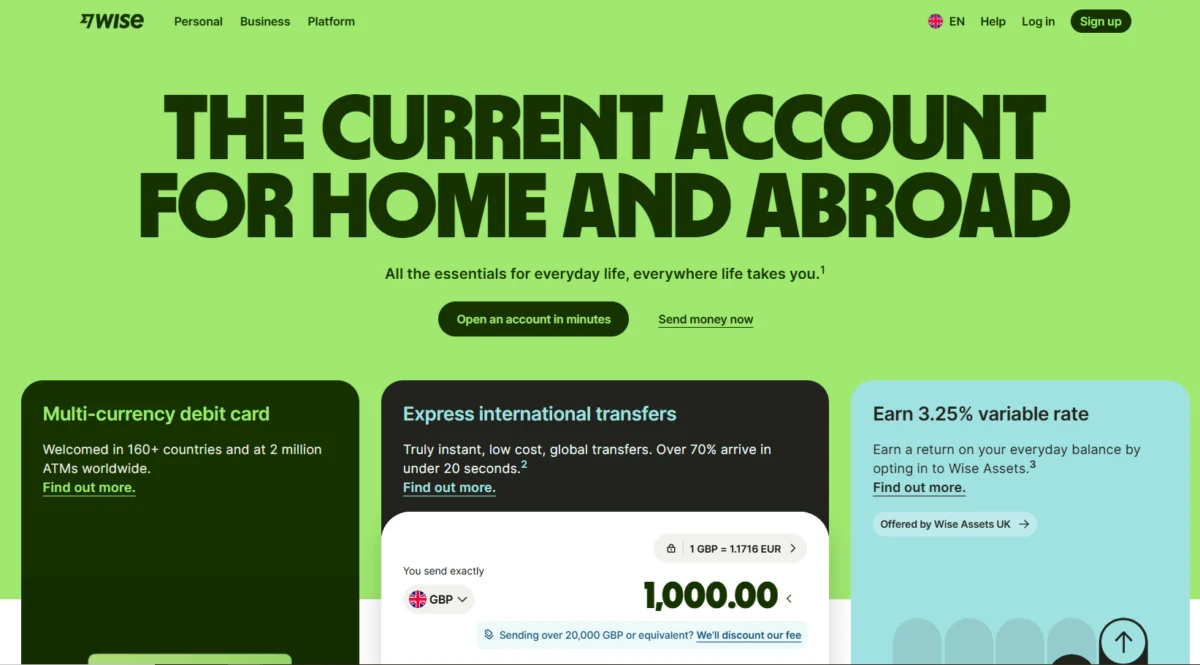
![Value Proposition: What It Is and How to Write One [+ Examples]](https://ceblog.s3.amazonaws.com/wp-content/uploads/2026/07/15113247/Value-Proposition-Wise.png)
The Six-Step Methodology for Crafting Value Propositions
Developing a high-impact value proposition requires an objective, data-driven approach rather than creative guesswork. Corporate strategists typically follow a six-step protocol to ensure market resonance.
1. Granular Audience and Competitor Definition
A value proposition fails when it attempts to speak to everyone. Identifying the "Ideal Customer Profile" (ICP) involves naming their specific role, company size, and situational context. For instance, instead of targeting "small businesses," a firm might target "freelance graphic designers struggling with manual tax preparation." Simultaneously, a competitive audit must be conducted to identify the "status quo"—the tools or manual processes currently used by the target audience.
2. Ethnographic Research into Jobs, Pains, and Gains
Effective value propositions utilize the "voice of the customer." This involves analyzing customer reviews, conducting interviews, and monitoring social media sentiment to record the exact language used by the audience. Analysts look for recurring themes regarding what customers fear (pains) and what they hope to achieve (gains).
3. The "So What?" Feature-to-Benefit Mapping
One of the most common mistakes in marketing is listing features without explaining their significance. The "So What?" test forces a company to justify every technical specification. If an accounting software feature is "automated bank feeds," the first "So What?" leads to "no manual data entry." The second "So What?" leads to "saving four hours a week." The final "So What?" reveals the true value: "more time to focus on revenue-generating client work."
![Value Proposition: What It Is and How to Write One [+ Examples]](https://ceblog.s3.amazonaws.com/wp-content/uploads/2026/07/15113317/Value-Proposition-Shoes.png)
4. Identification of the Differentiation Lever
Once benefits are established, the company must find its "unfair advantage." Differentiation can be found in several categories:
- Performance: Faster, stronger, or more accurate results.
- Price: Lower cost or a more transparent billing model.
- Convenience: Easier to use or faster to implement.
- Access: Providing a service to a market that was previously excluded.
- Ethics/Privacy: Aligning with customer values, such as data security or environmental sustainability.
5. Iterative Drafting Using Proven Formulas
Strategic teams often use templates to draft multiple versions. A common formula is: We help [Target Audience] achieve [Desired Outcome] by [Primary Benefit], unlike [Competitor/Status Quo] who [Competitor Weakness]. The goal is to distill complex operations into one to three clear sentences.
6. Rigorous Validation and Testing
A value proposition is a hypothesis until it is tested. Modern firms use A/B testing on landing pages, heatmaps to track user engagement, and "five-second tests" where participants view a page and must describe what the company does from memory.
Industry Case Studies: Value Propositions in Practice
Examining market leaders reveals how distinct value propositions can dominate specific niches through clarity and positioning.
![Value Proposition: What It Is and How to Write One [+ Examples]](https://ceblog.s3.amazonaws.com/wp-content/uploads/2026/07/15113441/Value-Proposition-QuickFile.png)
Gusto: Simplifying Complex Compliance
Gusto’s headline, "Payroll, HR, Benefits. Simplified," targets small to medium-sized business owners who are overwhelmed by administrative complexity. The value is not just "payroll software," but the removal of the mental burden associated with tax compliance and employee management. By using the word "Simplified," Gusto positions itself against legacy providers perceived as clunky and bureaucratic.
DuckDuckGo: Privacy as a Primary Differentiator
In a market dominated by Google, DuckDuckGo’s value proposition—"Switch to DuckDuckGo. It’s private and free!"—addresses a growing modern pain point: data surveillance. While Google offers superior search volume, DuckDuckGo differentiates through "Gain Creators" (privacy) and "Pain Relievers" (blocking trackers). Their strategy demonstrates that a value proposition does not need to be better in every category; it only needs to be better in the category the customer cares about most.
Zapier: The Universal Connector
Zapier uses the statement, "Your Tools. Your Rules. Any AI." This targets the modern knowledge worker who uses dozens of disparate software applications. The value proposition promises autonomy and efficiency through automation, positioning Zapier as the "connective tissue" of the digital workspace.
Broader Impact and Organizational Implications
The influence of a value proposition extends far beyond the marketing department. It acts as a North Star for product development, ensuring that engineers build features that customers actually value. Furthermore, it is essential for the "Employee Value Proposition" (EVP). Research indicates that employees who understand and believe in their company’s value proposition are 20% more likely to stay with the firm and report higher levels of engagement.
![Value Proposition: What It Is and How to Write One [+ Examples]](https://ceblog.s3.amazonaws.com/wp-content/uploads/2026/07/15113512/Value-Proposition-Gusto.png)
From a financial perspective, a clear value proposition reduces "churn"—the rate at which customers stop doing business with an entity. When a customer clearly understands the ongoing value they receive, they are less likely to switch to a competitor based on price alone.
Conclusion: The Imperative of Clarity
In the contemporary business environment, ambiguity is the enemy of growth. As AI-driven search and automated comparison tools become more prevalent, the companies that thrive will be those that can communicate their essence with surgical precision. A value proposition is not a static document but a living strategic asset that must be revisited as market conditions shift and customer expectations evolve. By answering the fundamental questions of who they serve and why they matter, businesses can move beyond mere transactions and build lasting market relevance.
For organizations seeking to audit their current standing, the path forward involves rigorous testing. Tools such as session recordings and heatmaps provide the empirical data necessary to confirm whether a brand’s promise is being heard—or if it is simply being lost in the noise of the digital age.