In a significant strategic pivot marking its 25th anniversary, Google Image Search has undergone a comprehensive redesign, transforming its previously minimalist homepage from a simple search box into a dynamic, immersive gallery experience. This major update, announced by Google, aims to enhance visual discovery and user engagement, moving beyond a purely utilitarian search function to an interactive browsing platform tailored to individual interests. The new interface, which began rolling out in the U.S. for desktop users signed into their Google Accounts, signals a broader shift in how Google envisions visual exploration across the web.
A Quarter-Century of Visual Search: From Text to Image
The journey of Google Image Search began a quarter-century ago, born from a peculiar cultural phenomenon. In February 2000, Jennifer Lopez appeared at the Grammy Awards in a now-iconic green Versace dress, sparking an unprecedented surge in search queries for "Jennifer Lopez green dress." At the time, Google’s core search engine was primarily text-based, struggling to effectively deliver visual results for such a specific, image-driven query. This incident highlighted a critical gap in web search capabilities and, according to Google’s own historical accounts, directly inspired the creation of Google Image Search, which officially launched in July 2001.
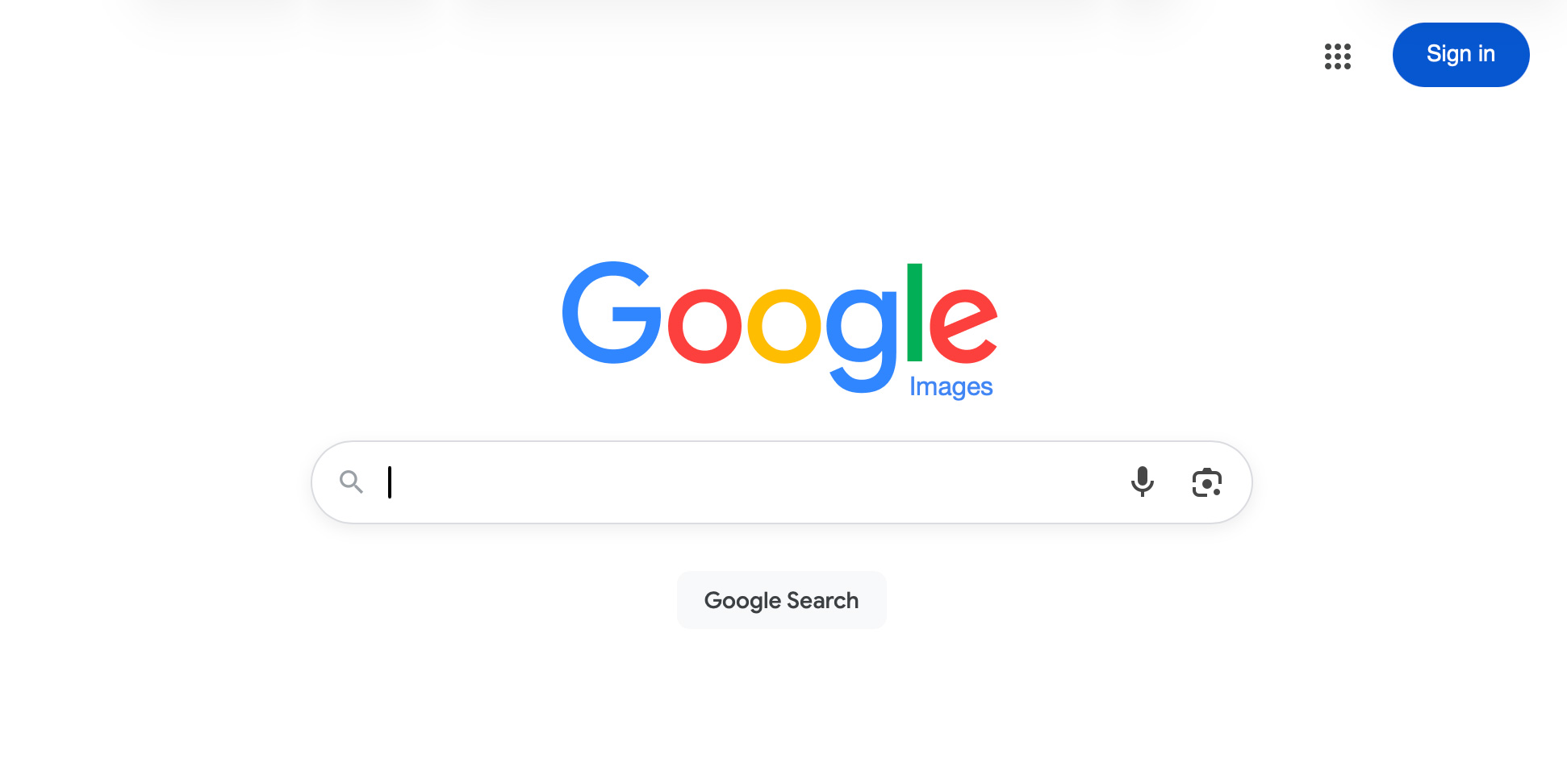
Initially, Google Image Search was a revolutionary tool, providing access to billions of images indexed from across the internet. Its original design, much like the main Google Search page, prioritized simplicity and speed, featuring little more than a search bar against a white background. This design philosophy remained largely consistent for decades, emphasizing direct query input and immediate results. Over the years, features like SafeSearch, reverse image search, and various filtering options were introduced, continually refining its functionality without fundamentally altering its core interface or purpose. The service became an indispensable tool for designers, researchers, casual browsers, and anyone looking to visually explore the vast expanse of the internet.
The Redesign: Embracing Discovery and Personalization
The latest overhaul represents the most radical departure from this long-standing design ethos. The previous Google Image Search homepage presented a stark, almost Spartan interface: a prominent search bar centered on the screen, inviting users to type in their visual queries directly. It was a functional gateway, efficient for those who knew exactly what they were looking for.
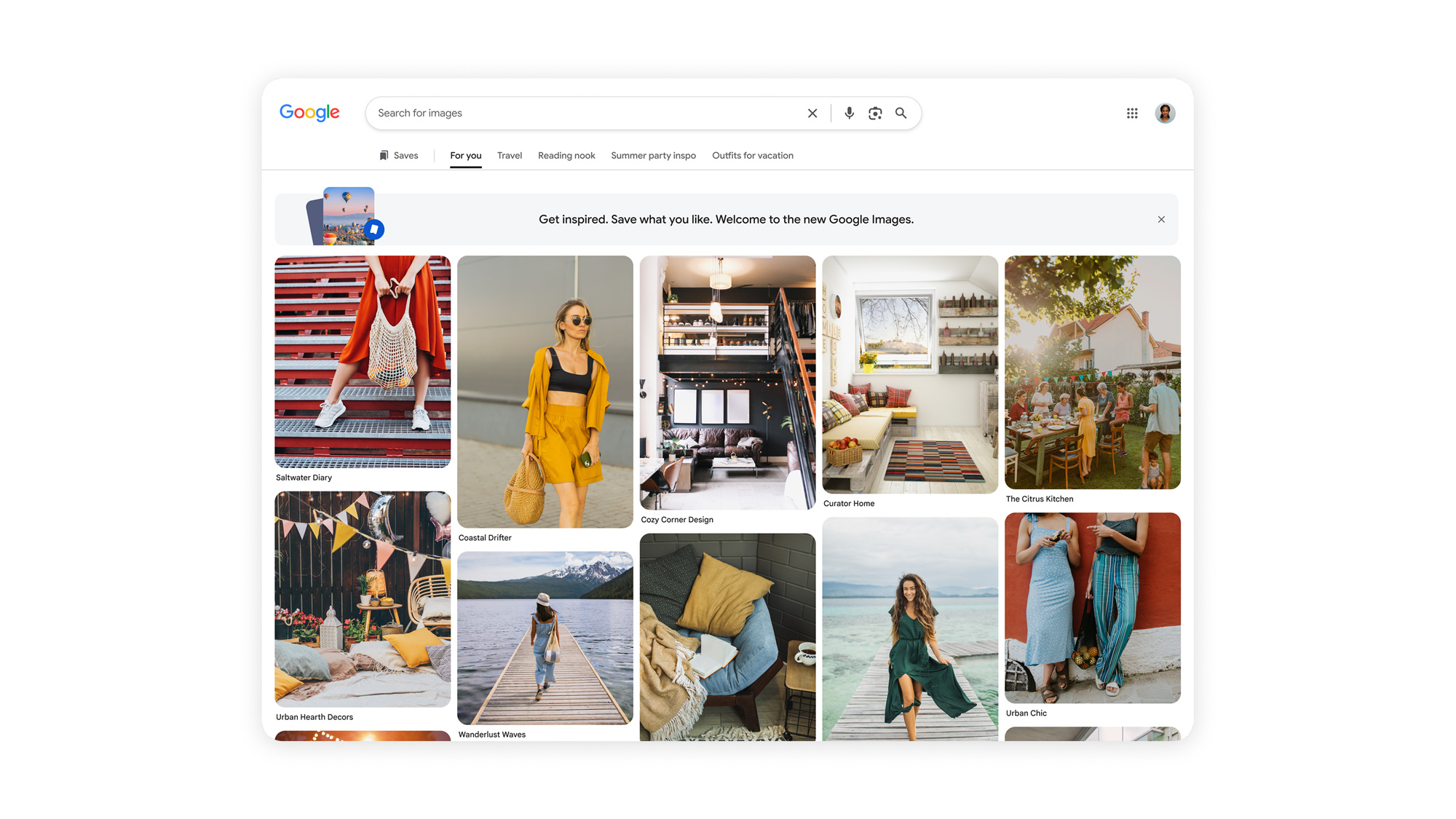
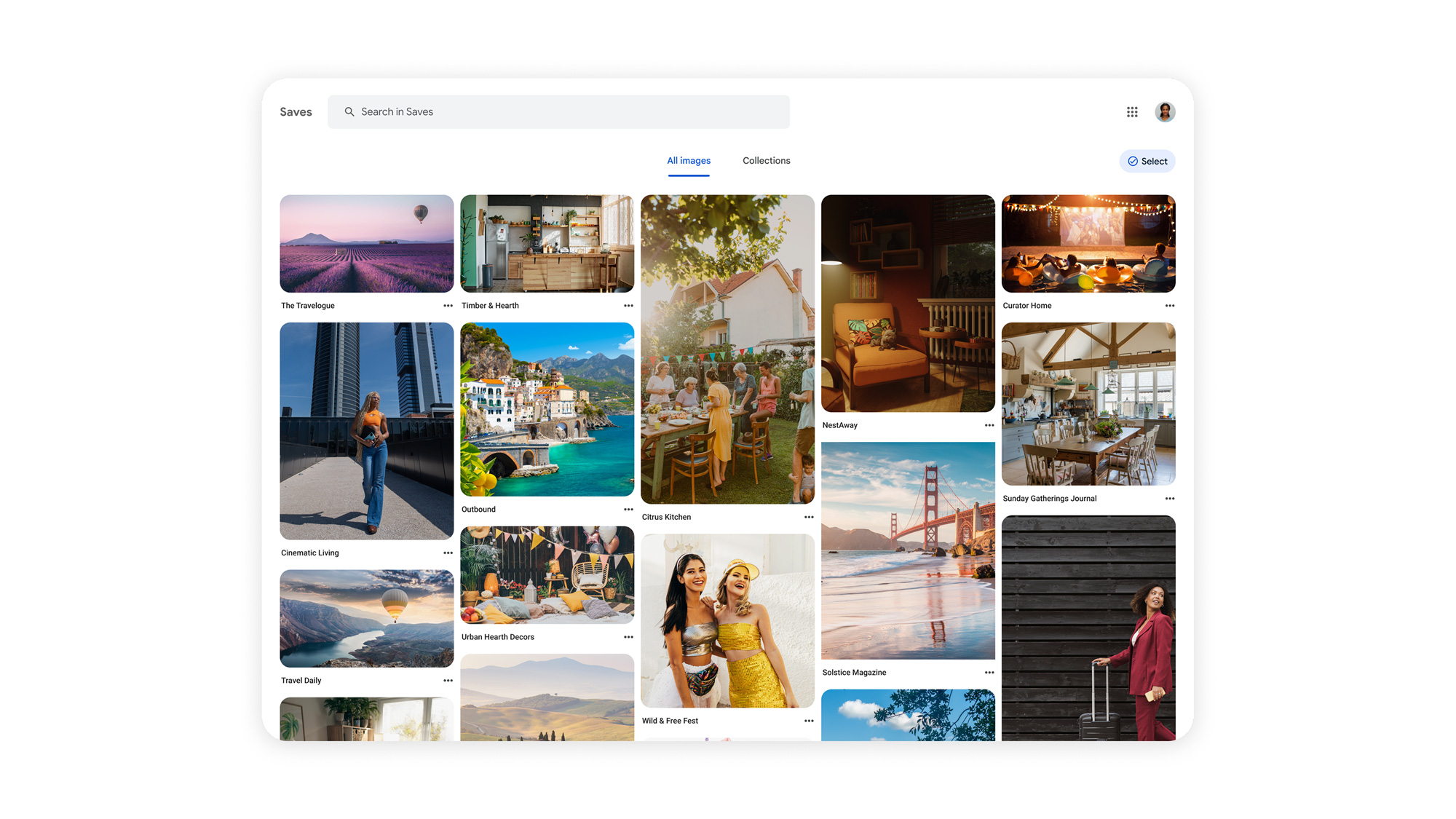
The new design, however, ushers in an era of visual discovery. Upon visiting images.google.com, users are now greeted by a "dynamic, immersive gallery of images from across the web." This gallery is not static; Google states it is "updated in real time and intelligently tailored to your unique interests." The search bar, while still present and fully functional, has been relocated to the top of the page, signifying a shift in primary user interaction from immediate searching to initial browsing.
This transformation moves Google Image Search into a space previously dominated by platforms like Pinterest and Instagram, which prioritize visual curation and personalized feeds. By presenting an endless scroll of visually appealing content, Google aims to encourage exploratory behavior, allowing users to stumble upon ideas and inspirations they might not have explicitly searched for.
Technological Foundations: AI and User-Centric Design
The intelligence behind this new gallery lies in Google’s advanced artificial intelligence and machine learning algorithms. The phrase "intelligently tailored to your unique interests" is key, indicating a sophisticated personalization engine at play. This engine likely leverages a multitude of data points, including:
- Search History: Past image searches and interactions across Google services.
- Browsing Behavior: Websites visited, content consumed, and topics engaged with.
- Explicit Feedback: Images saved to collections, likes, or other direct indications of preference.
- Implicit Signals: Time spent viewing certain images, scroll patterns, and recurring themes in user activity.
- Demographic and Contextual Information: General user characteristics and current trends.
By analyzing these signals, Google’s AI can predict what images a user might find engaging, even without a direct query. The "real-time updates" further enhance this dynamic experience, ensuring that the gallery reflects current trends, news, and freshly indexed content from across the web. This continuous refresh keeps the experience vibrant and relevant, preventing content stagnation and encouraging repeat visits.
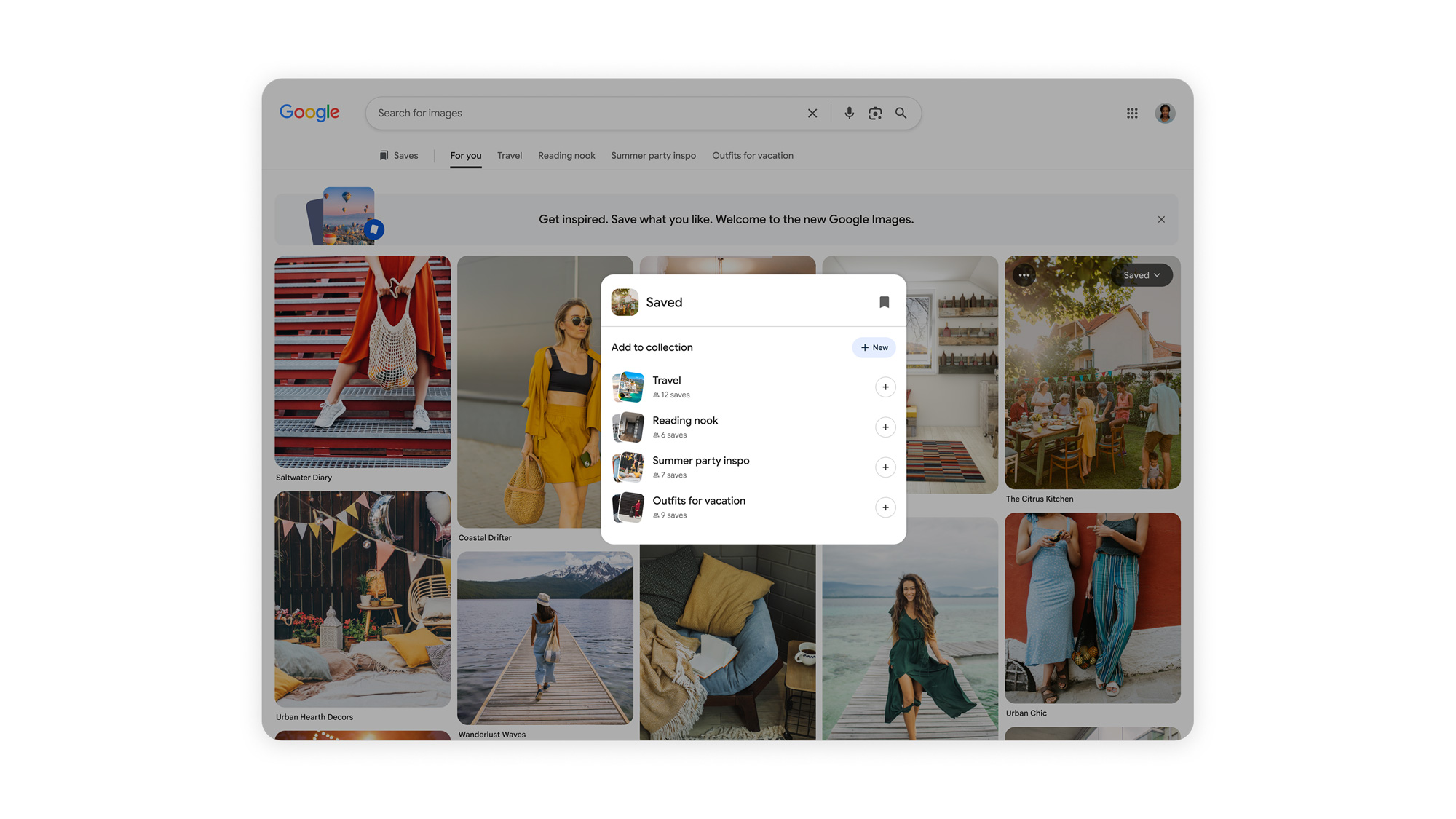
A crucial feature highlighted by Google is the integration of "collections." As users browse the gallery and discover images that resonate with them, they can save these ideas to personalized collections. These collections then appear as interactive tabs above the main gallery, providing a seamless way to revisit saved content and further explore related themes. This functionality not only enhances organization for users but also provides Google with valuable data on user preferences, further refining the personalization algorithms. For instance, if a user frequently saves images related to "minimalist home decor," the gallery might subsequently prioritize more content within that niche, fostering a more engaging and relevant discovery journey.
Rollout and Accessibility
The initial rollout of the revamped Google Image Search homepage is specific: it is available on desktop devices in the U.S. and in English. Critically, users must be signed into their Google Account to access the personalized gallery experience. This requirement underscores Google’s reliance on user data for personalization and its strategy to tie user experiences across its ecosystem. By requiring a sign-in, Google can create a persistent, personalized profile, ensuring that preferences and saved collections are consistent across sessions and potentially across devices, once the feature expands.
The phased rollout allows Google to monitor performance, gather user feedback, and make necessary adjustments before a broader international or multi-language launch. This iterative approach is common for major Google product updates, ensuring stability and optimizing the user experience based on real-world interaction data. While initially desktop-focused, it is highly probable that similar gallery-style interfaces will eventually be integrated into mobile versions of Google Images, given the increasing dominance of mobile browsing and visual content consumption on smartphones.
Statements, Reactions, and Broader Implications
Google’s official statement emphasizes the shift towards discovery: "we’re introducing a brand new browseable home for Google Images, featuring a dynamic, immersive gallery of images from across the web – updated in real time and intelligently tailored to your unique interests." This clearly articulates the company’s intention to move beyond a simple search utility into a more engaging, inspiration-driven platform. Rajan Patel, Vice President of Engineering at Google, known for his involvement in various Google Search initiatives, also publicly acknowledged the update, signaling its importance within the company.
The redesign carries significant implications for various stakeholders:
For Users:
- Enhanced Discovery: Users gain a more enjoyable and serendipitous way to find images and ideas. Instead of needing a precise query, they can simply browse and be inspired.
- Personalized Experience: The tailoring to unique interests promises a more relevant and less overwhelming visual feed.
- Organization: The "collections" feature offers a practical way to save and revisit visual inspirations, streamlining workflows for creative professionals, hobbyists, and everyday users alike.
- Potential for Information Overload: While personalized, a constant stream of images might overwhelm some users who preferred the directness of the old search box.
For Content Creators and SEO Professionals:
- Increased Emphasis on Visual Quality: With images now front and center, high-quality, aesthetically pleasing visuals will likely gain even more importance in attracting attention and driving clicks.
- Relevance and Context: Images that are highly relevant to trending topics or user interests will have a greater chance of appearing in personalized galleries.
- Structured Data and Image SEO: Proper use of image alt text, captions, descriptive file names, and structured data (e.g., Schema.org markup for images) will be more crucial than ever for Google’s algorithms to correctly understand and categorize images for personalization.
- Engagement Metrics: The new design could potentially incorporate user engagement signals (e.g., time spent viewing an image, saves to collections) into its ranking algorithms, favoring images that genuinely resonate with users.
- New Traffic Opportunities: For content creators whose work is visually rich, this gallery format could open new avenues for discovery and traffic generation, moving beyond traditional keyword-based searches.
For Google and the Digital Landscape:
- Competitive Edge: This move positions Google Image Search more directly against visual discovery platforms like Pinterest, Instagram, and even TikTok (with its visual-first content). By offering a similar "browse and discover" experience, Google aims to retain users within its ecosystem.
- Data Collection and Personalization: The sign-in requirement and emphasis on "unique interests" allow Google to gather richer data on user preferences, which can then be leveraged across its other services (e.g., Google Ads, YouTube, Shopping).
- Future Monetization: While not explicitly announced, a dynamic gallery environment could eventually open new avenues for visual advertising, sponsored content, or integrated shopping features, similar to how other visual platforms monetize. Imagine seeing product images directly tied to e-commerce, seamlessly integrated into a personalized gallery.
- Evolution of Search: This redesign reflects a broader industry trend where search is evolving beyond simple query-response to more proactive, discovery-oriented, and personalized experiences, often powered by AI. It underscores the increasing importance of visual content in how users interact with the internet.
The Future of Visual Exploration
The 25th anniversary redesign of Google Image Search is more than just a cosmetic update; it’s a strategic evolution reflecting the changing nature of how people interact with information and inspiration online. By transforming its homepage into an intelligent, personalized gallery, Google is acknowledging the profound shift towards visual-first content consumption and discovery. The blend of a powerful search engine with an immersive browsing experience, fueled by advanced AI and user personalization, positions Google Image Search not just as a tool for finding images, but as a dynamic platform for visual exploration and creative inspiration. As the rollout continues and the feature potentially expands globally and to mobile, it will be fascinating to observe its long-term impact on user behavior, content creation, and the broader competitive landscape of visual discovery platforms. This marks a new chapter for Google Image Search, promising a more engaging and intuitively visual journey for its next quarter-century.