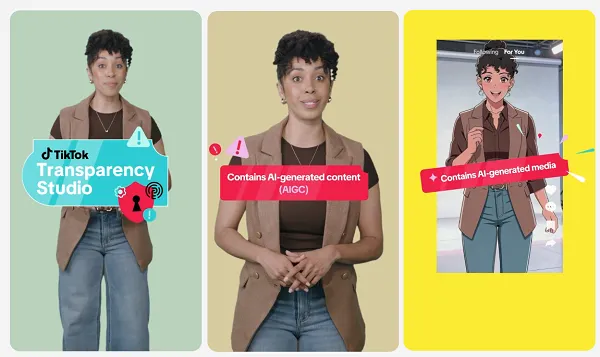
TikTok, the globally dominant short-form video platform, has announced a significant, multi-pronged initiative designed to address the escalating proliferation of artificial intelligence-generated content (AIGC) within its application. This comprehensive strategy encompasses an expanded educational program aimed at empowering users to identify AI content, bolstered detection systems to enhance transparency and combat misinformation, and strengthened partnerships for content labeling. The move underscores a growing industry-wide challenge as social media platforms grapple with the dual nature of generative AI: a powerful tool for creativity and engagement, yet also a conduit for spam, misinformation, and a potential degradation of user experience.
Pioneering AI Literacy: Empowering the User Base
At the core of TikTok’s proactive stance is a commitment to user education, recognizing that digital literacy is paramount in an evolving media landscape. The platform has officially launched a new AI literacy guide, meticulously crafted to assist its vast global community in discerning AI-generated content within the app. This guide is a collaborative effort, developed with insights from esteemed industry partners such as the National Association for Media Literacy Education (NAMLE) and leading AI expert Henry Ajder. As TikTok articulated, "We know from experts that education is critical to giving people control over their experiences with AI. That’s why we’ve worked with industry partners NAMLE & Henry Ajder to create a new guide that helps our community use AI tools responsibly."
The educational guide is not merely text-based; it integrates video overviews and concise explainers, designed for maximum accessibility and comprehension by TikTok’s diverse user base, which spans across age groups and geographical regions. These resources aim to demystify AIGC, equipping users with practical skills to critically evaluate content they encounter. Complementing this initial launch, TikTok is poised to introduce an in-app hub in the coming weeks. This hub will serve as a dynamic, interactive learning environment, offering practical skills training specifically tailored for identifying AIGC when users actively search for AI-related terms. This strategic placement ensures that educational resources are available at critical points of user engagement, fostering immediate application of learned skills.
Further solidifying its commitment to broader AI literacy, TikTok has announced expanded funding initiatives for organizations dedicated to this cause. Notable beneficiaries include NoFiltr and the Raspberry Pi Foundation, both of which are renowned for their efforts in digital education and technological empowerment. These partnerships are envisioned to propagate AI literacy through engaging TikTok content itself, leveraging the platform’s unique format to reach millions. This multi-faceted educational approach reflects a deep understanding that technological solutions alone are insufficient; informed users are the ultimate firewall against the potential harms of unchecked AI content. Experts in digital ethics and media literacy have largely lauded this emphasis on education, asserting that empowering users is a sustainable long-term strategy for fostering a more discerning online community.
Bolstering Defenses: Advanced AI Detection and Moderation
Beyond user education, TikTok is significantly enhancing its internal capabilities to detect and mitigate the proliferation of AI-generated spam and misinformation. The company has long maintained a robust stance against spam, employing sophisticated technological systems to identify and remove malicious content at scale. Illustrating the magnitude of this ongoing battle, TikTok reported the removal of over 86 million fake accounts in the first quarter of the current year alone. However, recognizing the dynamic and rapidly evolving nature of AIGC, the platform acknowledges the need for continuous adaptation. "But as this kind of content evolves, so must the ways in which we protect the integrity of our platform," TikTok stated.
In response, the company is preparing to test substantial improvements to its AI detection systems specifically targeting accounts dedicated to posting AI-generated spam. This enhanced scrutiny will be particularly focused on topics that carry a heightened risk to public trust and well-being. These critical categories include political discourse and current events, financial advice, and medical content. The rationale behind this focused approach is clear: AI-generated content in these sensitive domains possesses a greater potential for real-world harm, ranging from electoral interference and financial fraud to the dissemination of dangerous health misinformation. By dedicating specialized resources to these areas, TikTok aims to pre-emptively neutralize high-impact threats.
The challenges in detecting AI-generated content are considerable. Sophisticated generative models can produce highly convincing text, images, and videos that are difficult to distinguish from human-created content, even for trained eyes. This arms race between AI generation and AI detection necessitates constant innovation and investment. TikTok’s commitment to improving its detection algorithms reflects an understanding that manual moderation, while crucial, cannot keep pace with the sheer volume of content generated by AI tools available to billions of users. The successful deployment of these enhanced systems will be critical in maintaining the authenticity and reliability of information exchanged on the platform, especially during sensitive periods like elections or public health crises.
Enhancing Transparency: Expanding Labeling and Content Credentials
Transparency forms the third pillar of TikTok’s expanded strategy against problematic AIGC. The platform has announced a significant expansion of its labeling partnerships, a crucial step designed to flag an even greater volume of AI-generated content within the app. This commitment to clear identification is a direct response to user feedback and industry best practices advocating for greater clarity regarding content provenance.
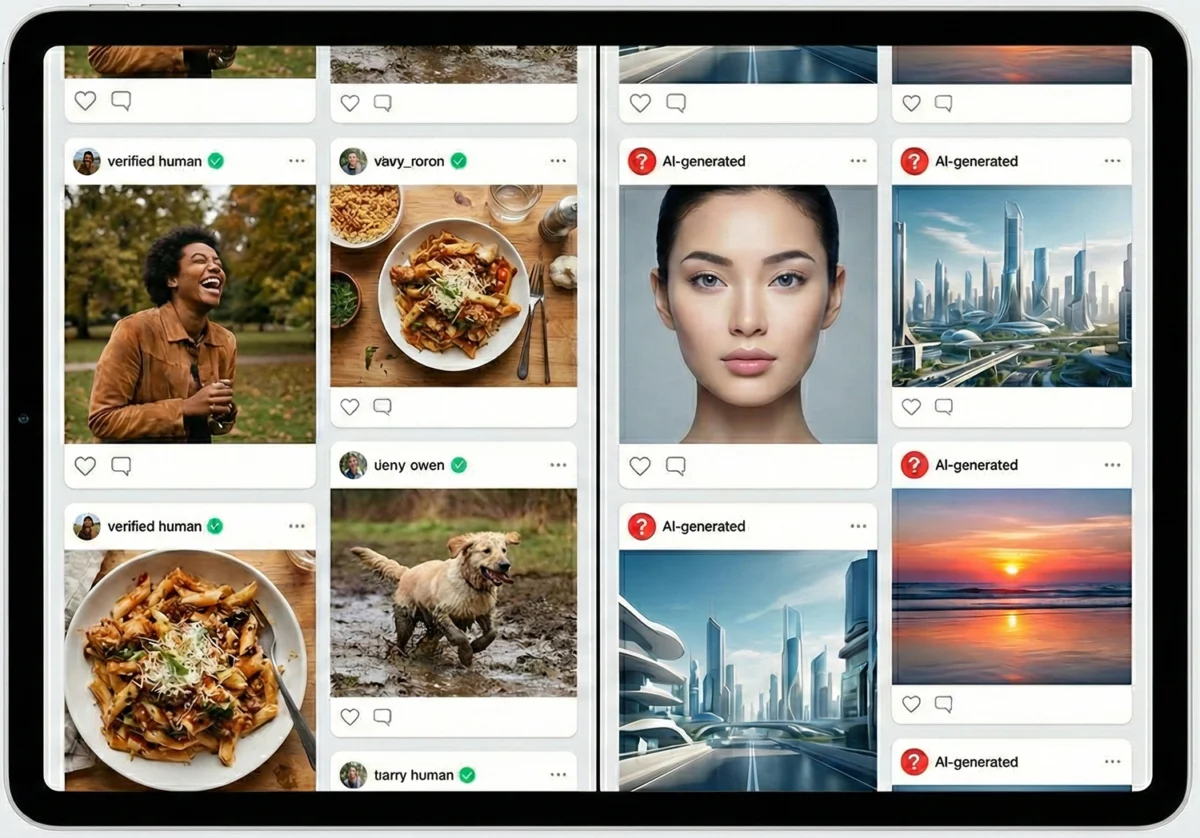
TikTok currently employs a multi-faceted approach to content labeling, which includes the implementation of Content Credentials, creator labeling tools, and its proprietary invisible watermarking technology. Content Credentials, an open technical standard that embeds metadata into digital content to indicate its origin and modifications, is a key component of this effort. By integrating this standard, TikTok contributes to a broader industry movement towards verifiable content authenticity. Creators themselves are also empowered with tools to voluntarily disclose when their content has been AI-generated or significantly altered by AI, fostering a culture of responsibility. Furthermore, TikTok’s invisible watermarking technology, which embeds subtle, undetectable markers into AI-generated media, offers an additional layer of automated detection and labeling.
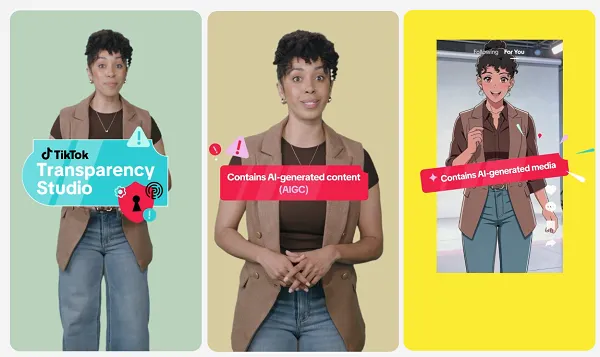
The effectiveness of these combined labeling efforts is already evident. TikTok reported, "To date, we’ve labeled over 3 billion videos as AIGC using a combination of Content Credentials, creator labeling tools and our invisible watermarking technology." This staggering figure underscores the immense scale of AI content already present on the platform and highlights the critical need for comprehensive labeling. The expansion of these partnerships signifies TikTok’s intent to broaden the reach and accuracy of its labeling systems, ensuring that users are increasingly informed about the nature of the content they consume. Such transparency is vital for preserving trust and enabling users to make informed judgments about the credibility of information. It also serves as a deterrent for those attempting to spread misinformation under the guise of authentic content.
The Genesis of the Challenge: Generative AI’s Dual Impact on Social Media
These recent updates from TikTok are not isolated incidents but rather a stark reflection of a profound dilemma confronting all major social media platforms in the age of generative AI. The rapid ascent of tools like ChatGPT, Midjourney, and Sora has unleashed unprecedented capabilities for content creation, making sophisticated AI accessible to billions. This technological revolution presents a double-edged sword for platforms like TikTok.
On one hand, social media applications are keen to integrate and promote creative AI options. These tools offer novel ways for users to generate engaging, viral content, potentially driving increased engagement, user retention, and innovation. The allure of being at the forefront of the latest technological trend is powerful, promising new avenues for user creativity and platform differentiation. Many creators have successfully leveraged AI to produce innovative videos, images, and audio that have garnered significant attention and engagement, demonstrating the positive potential of the technology.
However, the rapid democratization of AI tools has also precipitated an unprecedented deluge of what is colloquially termed "AI slop." This refers to low-quality, repetitive, often nonsensical, or uninspired AI-generated content that floods feeds at scale. Users are increasingly expressing fatigue with this torrent of formulaic and unoriginal material, which often lacks the nuance, creativity, or authenticity of human-generated content. The sheer volume is a critical factor; with virtually no limit on how much content can be posted, and with platforms often offering financial incentives for top-performing posts, there has been a virtual tsunami of AI slop infecting every digital app. This unchecked proliferation threatens to dilute the overall value proposition of social media applications entirely, potentially leading to a significant reduction in overall usage and user satisfaction. The challenge is compounded by the fact that many users are now, in essence, serving as involuntary test audiences for an endless array of AI experiments, many of which fail to resonate or simply clog up the digital ecosystem.
Navigating the Content Deluge: Implications for User Experience and Platform Integrity
The implications of this AI content surge extend far beyond mere annoyance; they threaten the fundamental integrity and appeal of social media. The erosion of content quality can lead to a degraded user experience, where genuinely creative or informative human-generated content is buried beneath an avalanche of AI-produced mediocrity. This not only frustrates users but also disincentivizes human creators, who may find their work struggling to gain visibility amidst the noise. The potential for AI to generate convincing deepfakes, sophisticated phishing attempts, and highly targeted misinformation campaigns further complicates the landscape, posing serious threats to public discourse and individual safety.
This dynamic has placed social media platforms in a seemingly contradictory position. They find themselves needing to simultaneously promote AI as a transformative creative tool while also implementing aggressive counteractive measures to mitigate its negative impacts. This leads to a "confusing approach," as the original analysis notes, where AI is presented as both a boon and a bane. In reality, AI’s value is entirely relative to its use case. While it has undoubtedly facilitated engaging and viral content, its negative applications, particularly those involving deception, spam, or low-effort content generation, currently appear to outweigh the widespread positive uses in the public consciousness.
For content creators, the rise of AIGC presents a complex challenge. While some embrace AI tools to enhance their workflow or generate new ideas, others fear being outcompeted by automated systems or having their unique creative voices diluted. The economic models of platforms, which often reward high volume and virality, inadvertently incentivize the mass production of AI content, potentially marginalizing human artistry and originality. Preserving a vibrant creator ecosystem, therefore, requires platforms to strike a delicate balance.
An Industry-Wide Imperative: The Future of Digital Trust
TikTok’s comprehensive strategy is emblematic of an industry-wide imperative to address the profound challenges posed by generative AI. Other major social media platforms, including Meta (Facebook, Instagram) and X (formerly Twitter), are also grappling with similar issues, investing in AI detection, content labeling, and user education. This collective effort underscores the recognition that maintaining digital trust and ensuring a healthy information environment is crucial for the long-term viability of these platforms. The timeline of AI’s integration into daily life has been exceptionally rapid, far outpacing the development of ethical guidelines, regulatory frameworks, and platform safeguards.
The ongoing battle against AI-generated spam and misinformation is not merely a technical one; it is a battle for the authenticity and reliability of our digital spaces. As AI tools become even more sophisticated, the line between human and machine-generated content will blur further, making robust detection and transparency mechanisms more critical than ever. The success of TikTok’s initiatives, and those of its industry peers, will ultimately determine the quality of the online experience for billions of users worldwide. It represents a crucial moment for social media, demanding a thoughtful, proactive, and continuously evolving approach to integrate technological innovation responsibly while safeguarding the integrity and trustworthiness of global digital communication. The balancing act between fostering creativity and preventing misuse will define the future landscape of online interaction for years to come.