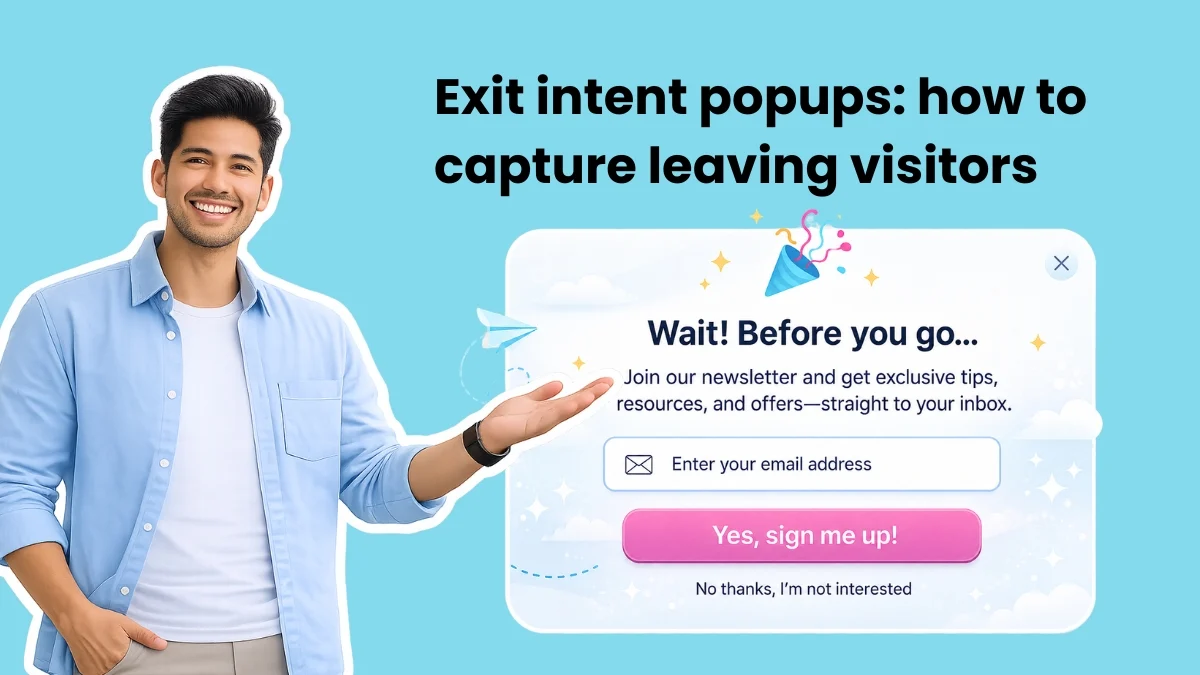
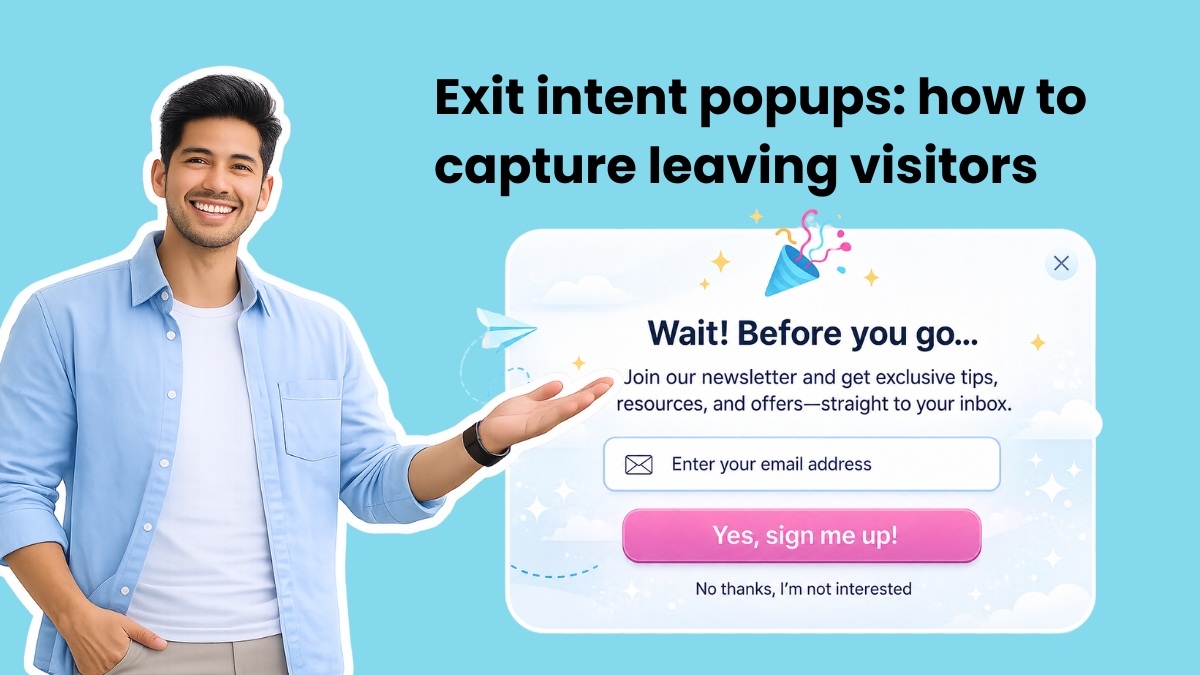
An exit-intent popup represents a sophisticated digital marketing tool, manifesting as a signup form that dynamically appears when a website visitor signals an intention to leave a web page, typically by moving their cursor toward the browser’s close button or address bar. This mechanism provides a crucial, last-ditch opportunity for businesses to convert an otherwise lost prospect into a lead or customer, capitalizing on the visitor’s final moments on a site. Its effectiveness stems from its precise timing, distinguishing it from more intrusive conventional popups that interrupt content consumption. By engaging visitors at the exact juncture they have finished browsing and decided to exit, an exit-intent popup can reframe their departure into a pivotal decision point, offering a relevant value proposition without disrupting their initial engagement with the site’s content.
The Evolution and Mechanism of Exit-Intent Technology
The concept of web popups has a long and often contentious history in digital marketing. Early popups were frequently criticized for their disruptive nature, often appearing without user provocation and obscuring content, leading to a degraded user experience. However, the advent of exit-intent technology marked a significant evolution, transforming the popup from an annoyance into a strategic conversion tool. This innovation was driven by the persistent challenge of high website bounce rates, which represent a substantial loss of potential engagement and revenue for businesses. Marketers sought a method to re-engage visitors who were about to leave, aiming to capture their interest one last time before they navigated away permanently.
The underlying technology for desktop platforms typically involves a small JavaScript script embedded on the website. This script continuously tracks the visitor’s mouse movements within the browser window. When the cursor’s speed and trajectory indicate a rapid movement towards the top edge of the browser—where the close button, tab bar, or address bar is usually located—the script interprets this as an "exit intent." Upon detecting this signal, the script triggers the display of the popup form, presenting an offer before the visitor can fully close the page.
Mobile devices, lacking a traditional cursor, employ alternative sophisticated detection methods. Instead of mouse tracking, exit triggers on mobile platforms respond to specific user behaviors indicative of departure. These signals can include pressing the device’s back button, switching between browser tabs, or rapidly scrolling back to the very top of a page. Advanced algorithms analyze these behavioral patterns, such as the velocity and direction of scrolls, to infer a user’s intent to leave, thereby activating the popup in a non-intrusive manner that aligns with mobile user experience guidelines. This dual approach ensures that the powerful conversion capabilities of exit-intent technology are applicable across the diverse landscape of modern web browsing environments.
Data-Driven Effectiveness and Strategic Impact
Numerous studies and industry benchmarks underscore the significant impact of exit-intent popups on conversion rates. While general website conversion rates typically hover around 1-3%, well-optimized exit-intent popups have been reported to achieve conversion rates ranging from 2% to as high as 7% or even 10% in specific contexts. This remarkable performance stems from several psychological and strategic advantages. Firstly, the timing is optimal; visitors have already consumed the content and made a preliminary judgment, making them receptive to a relevant, last-minute offer. Secondly, the offer often leverages principles of reciprocity (e.g., free resource), scarcity (e.g., limited-time discount), or problem-solving (e.g., a relevant tool or assessment), providing a compelling reason to reconsider leaving.
For businesses, the return on investment (ROI) from implementing exit-intent technology can be substantial. By converting even a small percentage of departing visitors, companies can significantly increase their email subscriber lists, drive more sales, reduce cart abandonment rates, and gather valuable leads for their sales funnels. This translates directly into enhanced marketing reach, stronger customer relationships, and ultimately, improved revenue streams. The cost-effectiveness of these tools, particularly when integrated into existing marketing platforms, further solidifies their value proposition as a high-impact strategy for digital growth.
Evolution of Creation Tools and the Rise of AI Integration
The process of creating and deploying exit-intent popups has evolved considerably, moving from manual coding to sophisticated drag-and-drop builders, and now, to AI-powered solutions. Initially, developers would custom-code JavaScript to detect exit intent and display forms, a complex and time-consuming process. The subsequent generation of tools, including standalone popup platforms and plugins for content management systems like WordPress and Shopify, democratized this technology. These platforms typically follow a two-step process:
- Form Design: Users design the visual aspects of the popup using a visual editor. This involves selecting layouts, adding headlines, incorporating form fields (like email address), customizing colors to match brand aesthetics, and connecting the form to an email marketing platform.
- Trigger Configuration: Separately, users navigate to targeting or display settings to specify "exit intent" as the trigger mechanism. They also configure parameters such as which specific pages the popup should appear on, its display frequency (e.g., once per visit, once per week), and whether it should be shown on mobile devices.
While this two-step approach provides flexibility, it often requires marketers to make design decisions before fully conceptualizing the trigger logic, potentially leading to disjointed user experiences.
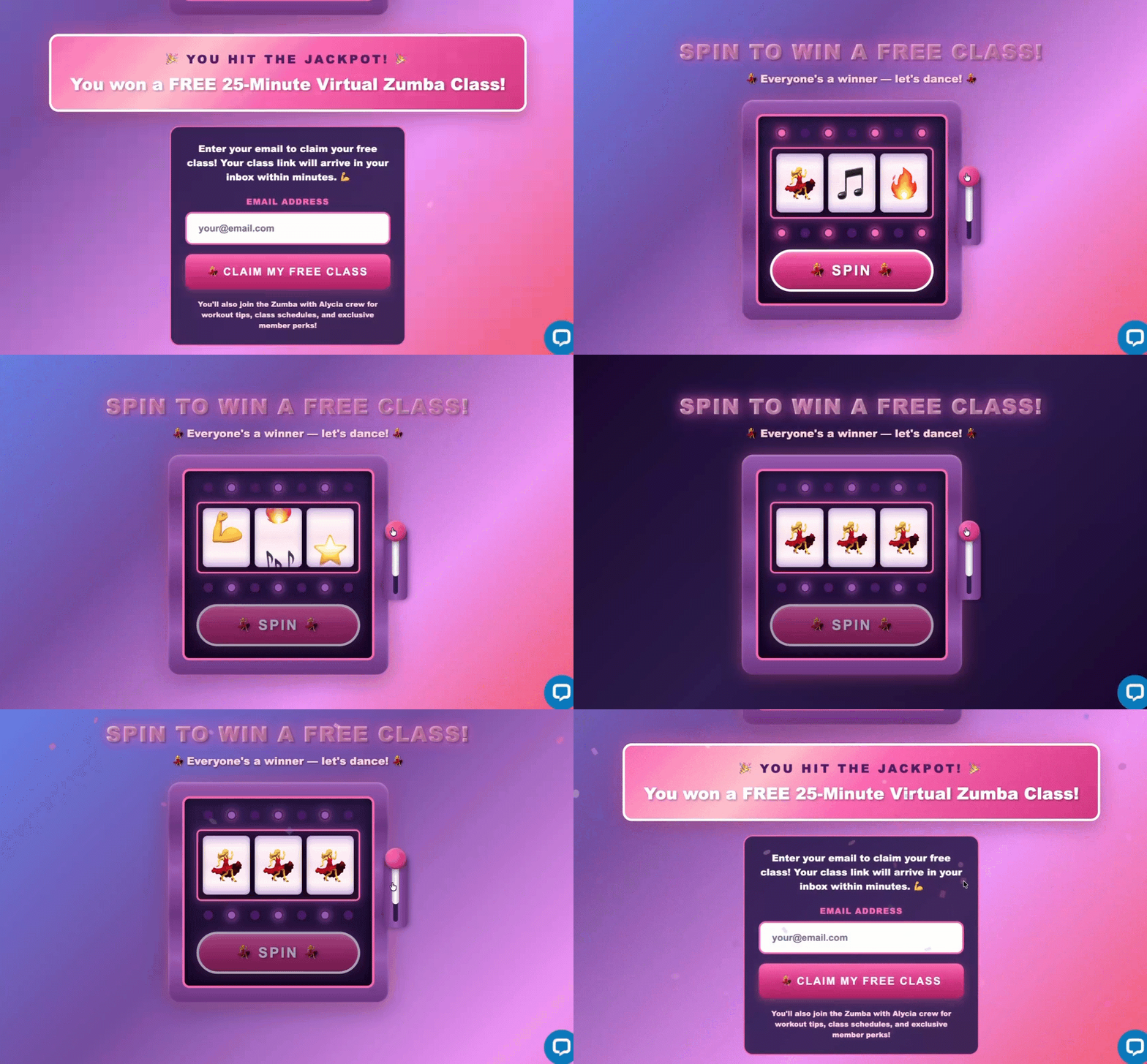
The latest frontier in exit-intent popup creation is the integration of artificial intelligence. Platforms like AWeber’s AI Signup Form Builder exemplify this shift, streamlining the entire process. Marketers can now generate a fully designed and configured exit-intent popup from a single, natural language text prompt. For instance, a prompt such as "create a popup offering my free email marketing checklist, triggered on exit intent" can instantly generate a form complete with appropriate copy, brand-aligned colors, and the exit trigger pre-configured.
This AI-driven approach offers several compelling advantages. It dramatically accelerates the creation process, making sophisticated popups accessible even to users without extensive design or technical expertise. It ensures a cohesive design and trigger logic from the outset, as the AI considers both elements simultaneously. Furthermore, once the AI-generated form is ready, installation typically requires a single JavaScript snippet on the website. Any subsequent modifications made within the AI builder automatically update across the site, eliminating the need for repetitive code adjustments and simplifying ongoing management. This integration of AI not only enhances efficiency but also opens doors for more dynamic and personalized popup experiences in the future.
Strategic Application: High-Performing Exit-Intent Patterns
The effectiveness of an exit-intent popup is heavily contingent on the relevance and perceived value of its offer. Different content types and visitor intents call for tailored strategies. Here are six high-performing patterns, detailing their structure, angle, and optimal application:
-
The Content Upgrade:
- Best for: Blog posts, comprehensive resource pages, or articles addressing specific pain points.
- Style Idea: Visually, this popup often features a small preview thumbnail of the downloadable resource (e.g., a PDF guide, checklist, template) on the left side, immediately conveying its tangible nature. The right side contains a compelling headline that reiterates the value proposition (e.g., "Download the Ultimate SEO Checklist") and a single email field.
- Angle: This pattern leverages the visitor’s recent consumption of content. If they found the article valuable, they are likely to desire a deeper dive or a practical tool related to the topic. It’s an extension of the content they’ve just engaged with, offering more value in exchange for their email.
-
The Discount Offer:
- Best for: E-commerce stores, service businesses with introductory pricing, or product pages.
- Style Idea: Characterized by a bold background color drawn from the brand’s palette, the focal point is a large, prominently displayed percentage or monetary discount (e.g., "15% OFF," "SAVE $25"). The copy is minimal, focusing solely on the offer and urgency. It features a single email field with a high-contrast call-to-action button, making it impossible to miss.
- Angle: This appeals directly to price sensitivity and the desire for a deal. It’s particularly effective for visitors who have shown interest in products or services but may be hesitant due to cost. It provides a final nudge to convert, often with a sense of urgency.
-
The Quiz or Assessment:
- Best for: Consultants, coaches, SaaS companies with multiple plans, or businesses offering personalized recommendations.
- Style Idea: To make it approachable and engaging, the design often includes progress dots at the top to indicate the user’s position within the quiz. Only one question is visible at a time, minimizing overwhelm. Soft gradients or illustrated backgrounds can create a friendly, less corporate feel.
- Angle: This taps into the human desire for self-discovery and personalized solutions. By offering a quick assessment that promises tailored insights or recommendations, businesses can capture leads interested in specific, customized guidance related to their offerings.
-
The Newsletter/Community Sign-up (Audience Growth):
- Best for: News-oriented sites, community-driven businesses, thought leadership blogs, or content publishers.
- Style Idea: A minimal design where a large, bold number is the hero element (e.g., "Join 50,000 Subscribers," "Over 10,000 Members Strong"). This social proof is supported by one or two short lines of copy explaining the benefits of joining (e.g., "Get weekly tips," "Stay updated"). A single email field is sufficient.
- Angle: This leverages the power of community and trust. If visitors have found value in the site’s content, they may be inclined to join a larger group for ongoing insights, updates, or exclusive content, reinforced by the visible proof of a thriving community.
-
The Free Tool:
- Best for: SaaS companies, financial services, marketing tools, or businesses offering utility applications.
- Style Idea: Often features a dark background to make a screenshot or animated GIF of the tool in action stand out. The headline focuses on the immediate, tangible output or benefit of using the tool (e.g., "Calculate Your Email ROI in 30 Seconds," "Generate Your First Landing Page Free").
- Angle: This appeals to practicality and immediate problem-solving. By offering a free, useful tool that provides instant value, businesses can attract users who are actively seeking solutions and are likely to become qualified leads for their premium offerings.
-
The "Before You Go" Reminder:
- Best for: Cart abandonment situations, pricing pages, booking platforms, or complex product configurators.
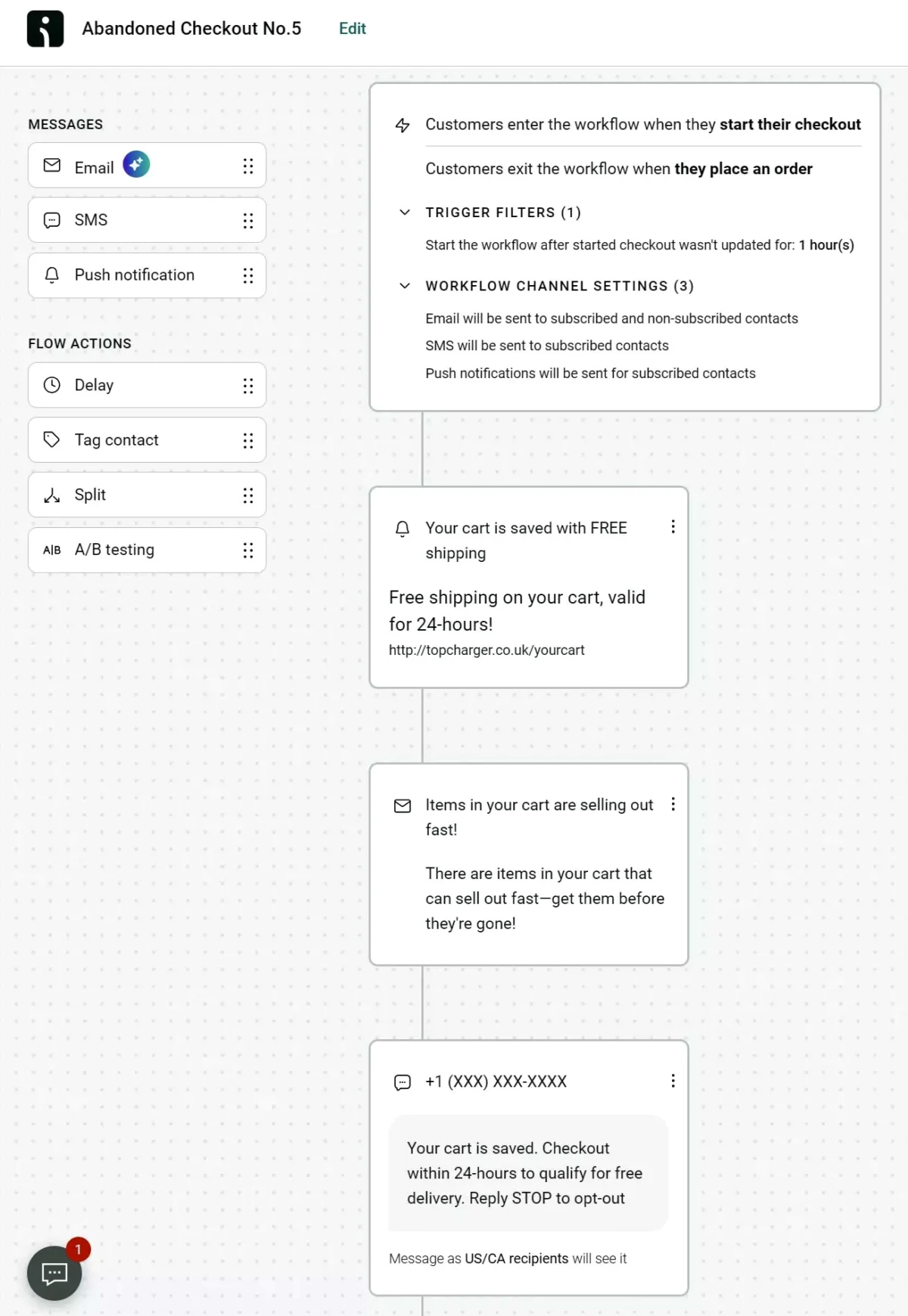
- Style Idea: A compact card format that doesn’t overwhelm the screen. It might include a product image or a screenshot of the page the user is leaving on the left. Short, concise reminder copy (e.g., "Did you forget something?", "Your items are still waiting") is on the right. A prominent call-to-action (CTA) button in a contrasting color encourages return, often without needing an email field if the goal is purely return-to-cart.
- Angle: This is a direct intervention for visitors on the cusp of making a purchase or completing a critical action. It serves as a gentle prompt, addressing potential last-minute hesitations or forgotten items, aiming to recover otherwise lost conversions.
Each of these patterns demonstrates the versatility of exit-intent popups when strategically deployed, proving that a well-crafted offer at the right moment can significantly impact conversion rates.
Optimizing for Success: Essential Best Practices
While the strategic patterns provide a framework, the granular execution of exit-intent popups requires adherence to several best practices to maximize their effectiveness and ensure a positive user experience.
-
Ask for One Field Only: The primary goal of an exit-intent popup is to reduce friction at a critical moment. Every additional field (name, phone number, company, etc.) introduces more effort for the visitor and increases the likelihood they will close the popup without completing it. For initial lead capture, requesting only an email address is paramount. More detailed information can be collected later through progressive profiling within a welcome email sequence or subsequent interactions, once trust has been established.
-
Tailor Offers to Page-Specific Intent: A generic, sitewide popup often leaves significant conversion opportunities untapped. The intent of a visitor leaving a pricing page differs vastly from one exiting a blog post. A visitor on a pricing page is likely evaluating a purchase and might respond well to a free trial offer, a limited-time discount, or a direct link to a sales consultation. Conversely, a blog reader is likely seeking information and would be more receptive to a content upgrade (e.g., an ebook, checklist) related to the article they just read. By segmenting popups based on the page content or visitor behavior, marketers can deliver highly relevant offers that resonate with the user’s immediate context.
-
Control the Frequency: Over-exposure to popups can lead to user frustration and brand fatigue. If a visitor closes a popup on Monday and encounters the exact same popup again on Tuesday, it signals a lack of responsiveness from the website. A common best practice is to set the display frequency to "once per week" for most sites, preventing annoyance while still providing opportunities for conversion. For high-traffic websites with low repeat visitors, "once per session" might be acceptable. Utilize cookies to remember visitor interactions and suppress popups for a set period after a close or conversion.
-
Make Closing Easy and Obvious: A positive user experience hinges on clear exit routes. A visible "X" button and an unambiguous "No thanks" or "Continue to site" link build trust by giving visitors control. Obscuring the close button, making it tiny, or employing "shame-based" decline copy (e.g., "No, I don’t want to grow my business") creates resentment and can damage brand perception. Popups should feel like a helpful suggestion, not a coercive trap.
-
Design for Mobile Responsiveness: Mobile-first indexing and Google’s penalties for intrusive interstitials on mobile devices make responsive design imperative. Full-screen takeovers that block content are generally discouraged on phones. Instead, opt for less intrusive formats such as bottom banners, half-screen overlays, or modals that allow some background content to remain visible. Ensure that close buttons are sufficiently large and tappable to prevent accidental sign-ups, adhering to mobile usability standards.
-
Prioritize A/B Testing the Offer, Not Just the Design: While aesthetic design plays a role, the core offer drives conversion rates more profoundly. Marketers should focus their A/B testing efforts on comparing different value propositions. For instance, test "10% off your first order" against "free shipping on all orders." Compare a downloadable PDF checklist with access to a short video course. Evaluate the performance of "Join 10,000 subscribers" versus "Get weekly expert tips." The results of these tests often yield surprising insights, revealing which offers genuinely resonate with the target audience and deliver the highest conversion lift. Continuous testing and iteration are key to unlocking the full potential of exit-intent popups.
Integration with Existing Ecosystems and Choosing the Right Solution
The successful deployment of exit-intent popups often depends on their seamless integration with a business’s existing digital marketing ecosystem, particularly for platforms like WordPress.
For WordPress users, several dedicated popup plugins such as OptinMonster, Sumo, and Thrive Leads offer built-in exit-intent detection as a primary trigger. The typical workflow involves installing the plugin, designing the popup within its interface, and then configuring the trigger to "exit intent." This approach provides robust features for targeting, A/B testing, and analytics specifically for popups.
However, a simpler, more integrated path exists for users of email marketing platforms that offer their own form builders. For example, AWeber’s AI Signup Form Builder generates forms that are universally compatible with any WordPress site. Instead of a separate plugin, users install a single Universal JavaScript snippet from AWeber into their site’s header (a plugin like WPCode can facilitate this). With this setup, the exit-intent trigger, display frequency, and page targeting are all centrally controlled from within the AWeber platform. This consolidation eliminates the need for an additional popup plugin, streamlining the tech stack. The primary advantage of this integrated approach is that the form, subscriber data, associated tags, and automation sequences all reside within a single platform. This prevents data silos, eliminates the complexities of syncing data between disparate tools, and simplifies the management of new subscribers from the moment they sign up.
When choosing an exit-intent popup solution, businesses face a fundamental decision: opt for a standalone popup tool or leverage features within an existing email marketing platform.
- Standalone popup tools like OptinMonster, Sumo, and Wisepops specialize in advanced targeting rules, sophisticated A/B testing capabilities, and detailed analytics specific to popups. They are an excellent choice for businesses whose primary need is granular control over popup performance and who are willing to manage an additional dedicated tool in their marketing stack.
- Integrated solutions within email marketing platforms, such as AWeber’s AI Signup Form Builder, offer a compelling alternative. If a business already uses an email marketing platform, checking its built-in form creation capabilities is often the most logical first step. Running popups directly within the email platform ensures that new subscribers are immediately connected to existing email lists, tags, and automated sequences. This seamless integration simplifies lead nurturing, personalization, and the overall management of customer journeys without the need for additional integrations or data synchronization between tools.
Factors to consider during selection include budget, the complexity of existing tech infrastructure, the desired level of A/B testing and segmentation, ease of use for the marketing team, and scalability requirements. The goal is to select a solution that not only effectively captures leads but also integrates smoothly into the broader marketing strategy, fostering a cohesive and efficient operational workflow.
Broader Impact and Future Implications
Exit-intent popups have solidified their position as a high-impact strategy in digital marketing, addressing the persistent challenge of website abandonment. Their success lies in their ability to provide a final, relevant value proposition at a critical decision point, turning potential losses into valuable conversions. However, their deployment also carries broader implications for user experience and ethical considerations. Marketers must balance conversion goals with the imperative to maintain a positive user journey, avoiding overly aggressive or deceptive tactics that could erode trust.
The future of exit-intent technology is likely to be characterized by increasing sophistication. The integration of artificial intelligence is already paving the way for more personalized and dynamic popups, where offers are tailored not just to the page content but also to the individual visitor’s historical behavior, demographics, and real-time intent signals. Predictive exit intent, leveraging machine learning to anticipate a user’s departure even before explicit signals are given, represents a promising frontier. This could enable even more timely and relevant interventions, further optimizing conversion opportunities.
As privacy regulations continue to evolve, the methods of tracking user intent and collecting data for popups will also adapt, emphasizing transparency and user consent. Despite these evolving challenges, the fundamental principle of offering value at the moment of exit remains powerful. For businesses navigating the competitive digital landscape, mastering the art and science of exit-intent popups will continue to be a crucial element in building robust email lists, driving sales, and fostering lasting customer relationships.