The digital marketing landscape has reached a point of saturation where the margin for error in user experience is increasingly narrow, making scientific experimentation the primary differentiator between successful conversion and lost revenue. For years, the industry standard for optimization has been the A/B test, a straightforward comparison of two versions of a single variable. However, as web architectures and consumer behaviors become more complex, a more sophisticated methodology—Multivariate Testing (MVT)—has emerged as the essential tool for high-traffic platforms seeking to understand the nuanced interplay between multiple page elements.

While A/B testing remains effective for isolated changes, it fails to account for the "interaction effect," where the performance of one element, such as a headline, is fundamentally altered by the presence of another, such as a specific hero image or call-to-action (CTA) color. Multivariate testing addresses this gap by allowing marketers to test dozens of combinations simultaneously, identifying not just the best individual elements, but the most effective holistic combination.
The Technical Framework of Multivariate Testing
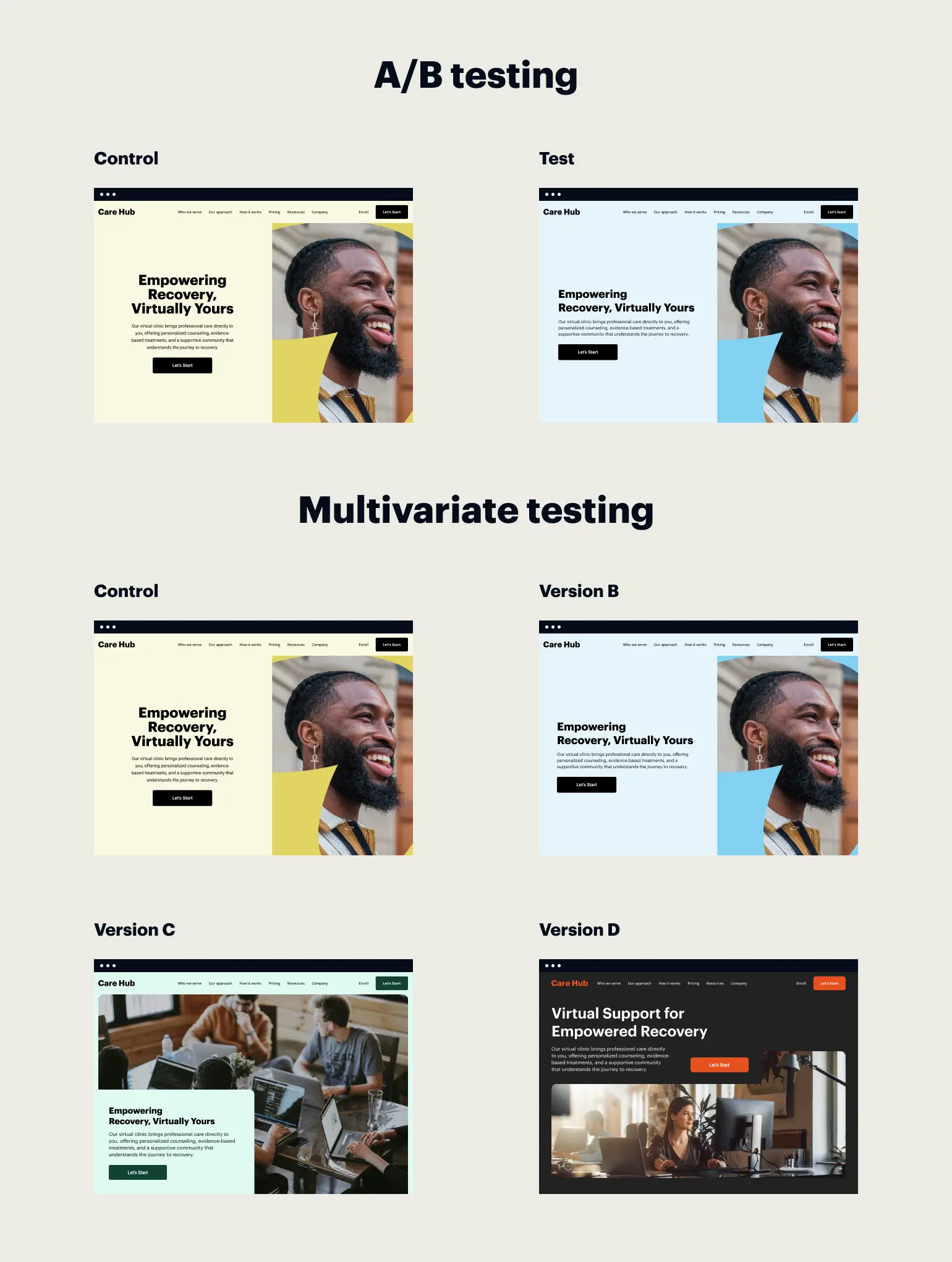
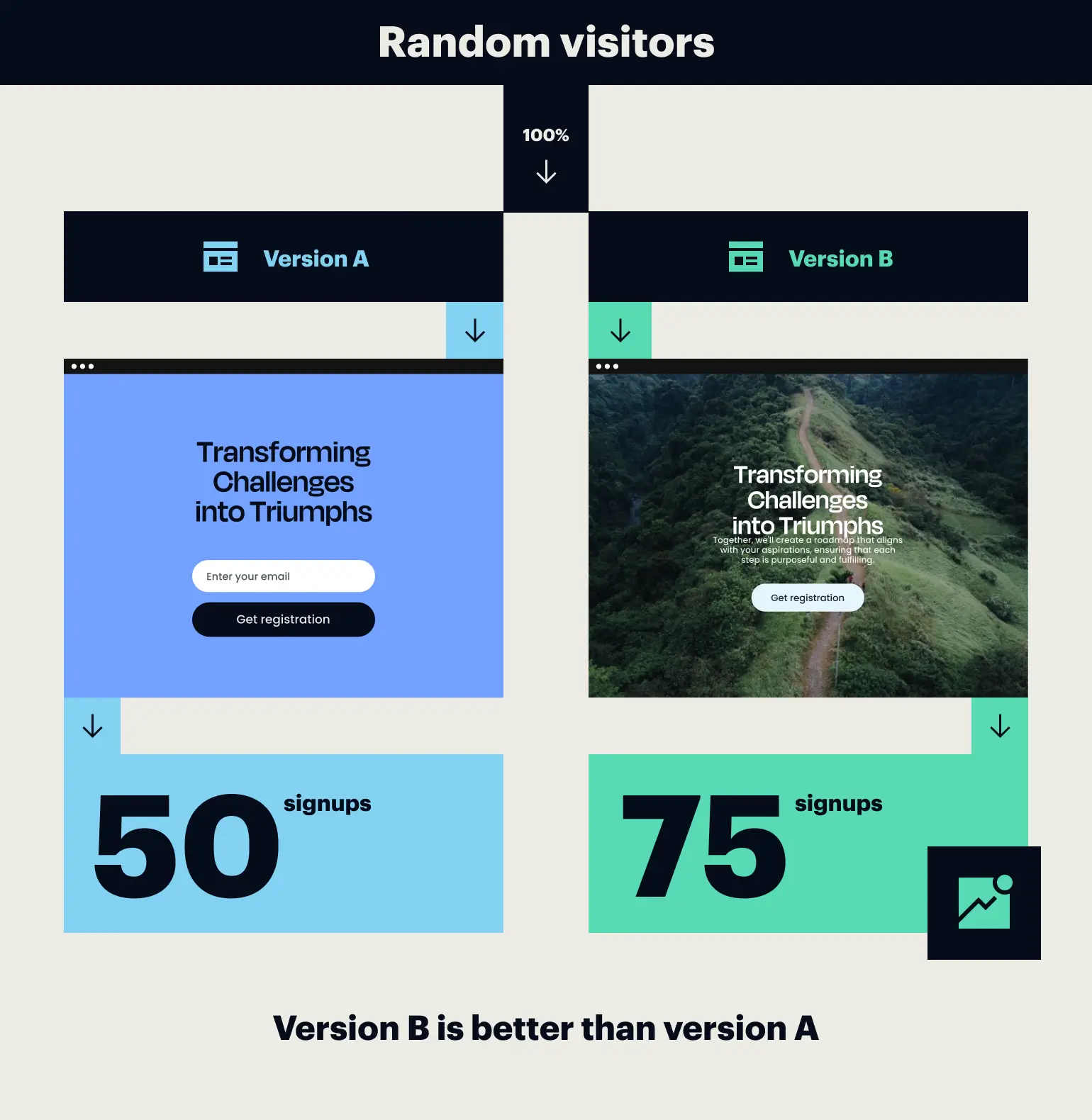
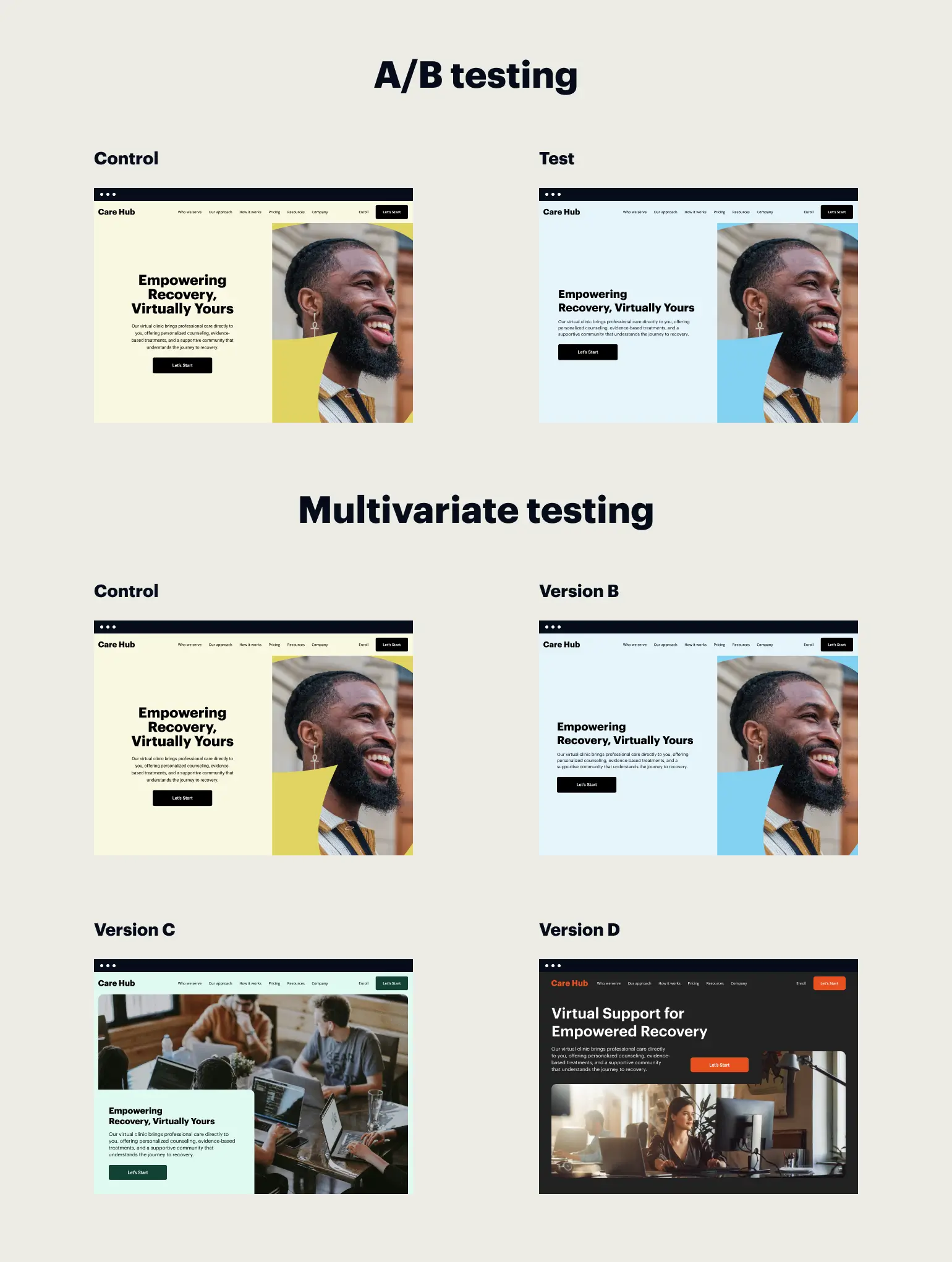
Multivariate testing is defined as a technique where multiple variables are modified and tested in various combinations to determine which specific arrangement yields the highest conversion rate. Unlike A/B testing, which typically splits traffic 50/50 between a control and a single variation, MVT splits traffic across many different versions of a page. Each version represents a unique combination of elements, which may include headlines, imagery, button placements, form lengths, and navigation structures.
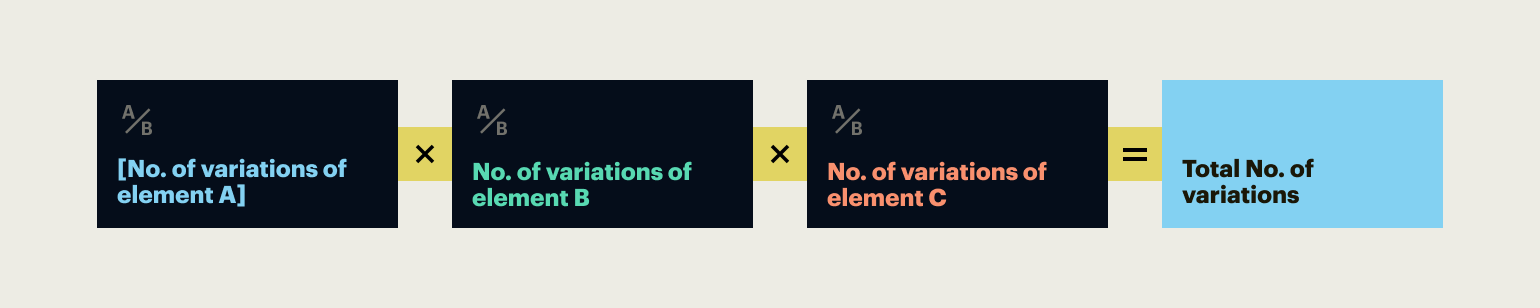
The mathematical foundation of an MVT experiment is rooted in factorial design. To determine the number of variations required for a test, marketers use a simple multiplication formula: (Number of Variations for Element A) × (Number of Variations for Element B) × (Number of Variations for Element C). For example, if a marketer wishes to test three different headlines and two different background images, the total number of combinations is six. If they add two different CTA button colors to that mix, the combinations jump to twelve.
Because each combination requires a statistically significant amount of traffic to produce reliable results, the primary constraint of MVT is the sample size. Industry analysts suggest that for an MVT to reach a 95% confidence level, a website must often possess traffic volumes in the tens of thousands per variation, making this method most suitable for established brands with high-velocity user bases.
A Comparative Analysis: A/B Testing vs. Multivariate Testing
The choice between A/B testing and MVT is rarely about which method is superior in a vacuum, but rather which is appropriate for the specific stage of a campaign’s lifecycle. A/B testing, often referred to as split testing, is a macro-optimization tool. It is best used for "radical" changes—testing two entirely different landing page designs or two completely different value propositions. It is faster to execute and requires significantly less traffic to reach a "winning" conclusion.
In contrast, MVT is a micro-optimization tool. It is employed once a general page layout has been proven effective, and the goal shifts to fine-tuning the elements within that layout. While A/B testing might tell a marketer that "Layout A" is better than "Layout B," MVT tells the marketer that "Headline 2" works best only when paired with "Blue Button" and "Image 3."

The operational trade-offs are significant. A/B tests offer lower complexity, faster testing speeds, and higher precision regarding the impact of a single change. MVT offers high complexity, slower testing speeds due to the traffic requirements, but provides a comprehensive insight into user behavior and interaction effects that A/B testing cannot replicate.
Case Studies in Optimization: From Hardware to Software
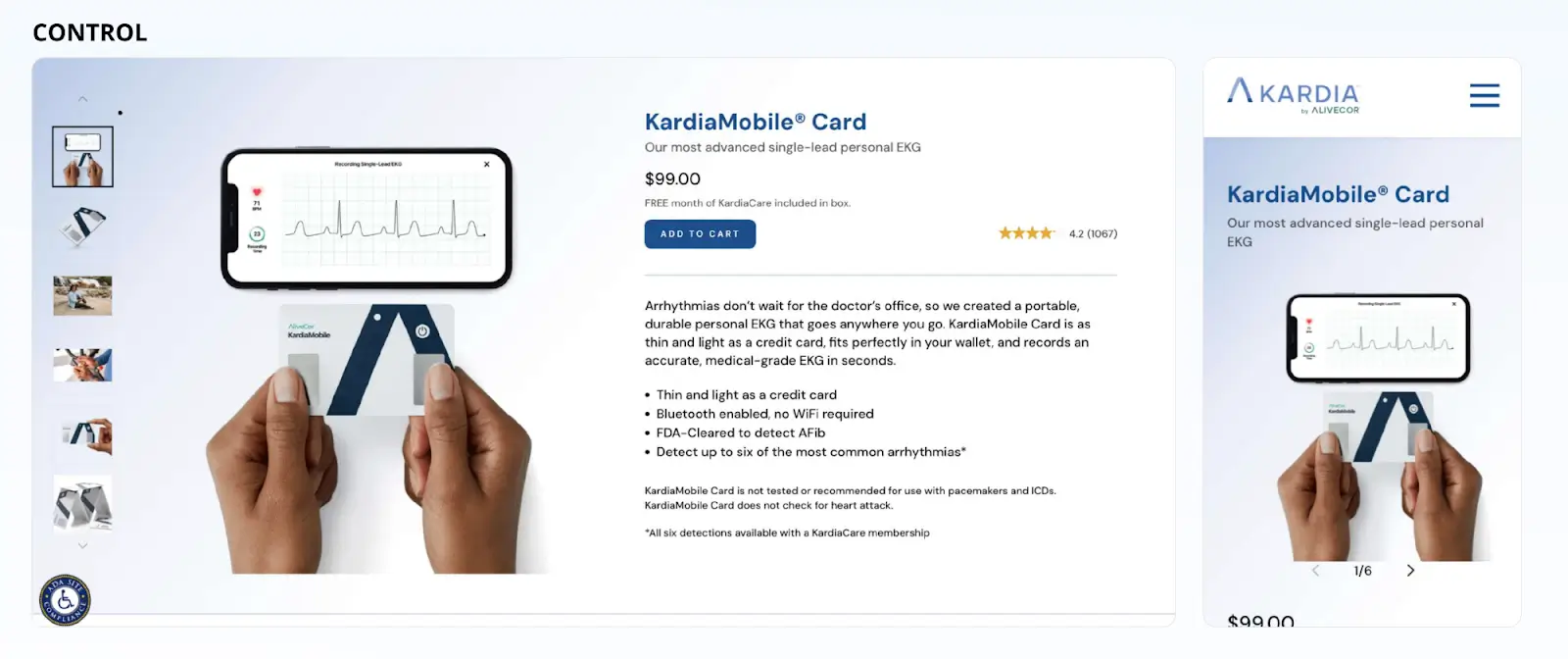
The practical application of these methodologies is best illustrated through recent industry successes. AliveCor, a medical device company, recently utilized testing to launch its KardiaMobile Card. The company faced a strategic challenge: introducing a new product without cannibalizing the sales of its existing portfolio.
Operating on the hypothesis that users interact more frequently with highlighted elements, AliveCor initiated a test involving a "New" badge on product detail pages. By testing variations of badge sizes and placements across desktop and mobile interfaces, the company observed a 25.17% increase in conversion rates and a 29.58% increase in revenue per user. This success highlighted the importance of subtle visual cues in guiding consumer behavior.
Similarly, the customer support platform Groove utilized a "copy-first" approach to revamp its landing pages. Recognizing that features often distract from the core value proposition, Groove tested multiple narratives and headlines, focusing on benefits rather than technical specifications. This overhaul resulted in a conversion rate jump from 2.3% to 4.3%. While these examples often start as A/B tests to find the right direction, they frequently evolve into multivariate experiments to refine the specific wording and placement of the winning narrative.

Methodologies of Implementation: Full Factorial vs. Fractional Factorial
There are three primary ways to conduct MVT experiments, each with varying levels of statistical rigor:
- Full Factorial Testing: This is the most common and accurate method. It involves testing every possible combination of variables. If you have eight combinations, the traffic is split eight ways. This ensures that every interaction is accounted for, though it requires the most traffic.
- Fractional Factorial Testing: In this method, only a subset of the combinations is tested. Statistical models are then used to "fill in the gaps" and predict how the other combinations would have performed. This is useful for websites with lower traffic, though it carries a higher margin of error.
- Taguchi Method: Originally developed for manufacturing, this method is rarely used in modern digital marketing. It involves a highly structured approach to reducing the number of combinations while still attempting to maintain statistical integrity.
Chronology of the Testing Revolution
The shift toward these data-driven methodologies has been decades in the making. In the early 2000s, web optimization was largely anecdotal, driven by the "HIPPO" (Highest Paid Person’s Opinion). The mid-2000s saw the rise of basic Google Website Optimizer tools, which democratized A/B testing for smaller businesses.

By the 2010s, the "Growth Hacking" movement popularized the idea of rapid experimentation, leading to the development of sophisticated SaaS platforms like Instapage, Optimizely, and VWO. Today, in the 2020s, the industry is entering an era of "Continuous Optimization," where AI and machine learning are beginning to automate the MVT process, dynamically shifting traffic toward winning combinations in real-time.
Broader Impact and Industry Implications
The implications of mastering multivariate testing extend beyond simple conversion metrics; they impact the fundamental ROI of digital advertising. As the cost-per-click (CPC) on platforms like Google and Meta continues to rise, businesses can no longer afford to send expensive traffic to unoptimized pages.
Data scientists and Chief Marketing Officers (CMOs) increasingly view experimentation as a risk-mitigation strategy. By validating hypotheses through MVT before a full-scale rollout, companies avoid the "sunk cost" of launching designs that may alienate their audience. Furthermore, MVT provides valuable qualitative data. Understanding that a specific demographic prefers a "long-form" page with "soft-tone" imagery can inform the brand’s entire creative strategy, not just a single landing page.
However, the "risk of interference" remains a concern for many analysts. If a marketer runs multiple MVT tests across different stages of a sales funnel simultaneously, the results of one test may skew the results of another. This requires a centralized "Testing Center of Excellence" within organizations to ensure that experiments are isolated and that data remains "clean."

Conclusion: The Path Forward for Marketers
For modern digital marketers, the question is no longer whether to test, but how deeply to test. While A/B testing provides the foundation for growth, Multivariate Testing provides the refinement necessary for market leadership. Platforms like Instapage have significantly lowered the barrier to entry, providing intuitive interfaces that allow even non-technical marketers to set up experiments, define hypotheses, and track variations.
As we look toward the future, the integration of MVT with predictive analytics will likely become the next frontier. Organizations that can successfully navigate the complexities of multivariate testing—balancing the need for high traffic with the desire for deep insights—will be the ones that dominate the increasingly competitive digital economy. By moving from a culture of "guessing" to a culture of "testing," brands can ensure that every pixel on their website is working toward the ultimate goal of user satisfaction and business growth.