The global recruitment landscape is currently undergoing a significant transformation as companies move away from traditional, broad-spectrum career sites toward highly specialized recruitment landing pages. For many human resources departments and talent acquisition teams, the financial stakes of this shift are considerable. With digital advertising costs rising, particularly on platforms like LinkedIn and Indeed where a single click can cost upwards of $5, the efficiency of the "post-click" experience has become a primary driver of hiring ROI. When a candidate clicks an ad only to be met with a generic, difficult-to-navigate corporate site, the result is frequently a "bounce"—a lost lead and a wasted marketing budget. Industry data suggests that traditional career portals often suffer from abandonment rates as high as 80%, largely due to navigation friction and a lack of mobile optimization.
The Evolution of the Digital Recruitment Funnel
The journey of the modern job seeker has evolved from a linear process to a complex digital experience. In the early 2010s, the "post and pray" method—listing a job on a major board and waiting for resumes—was the industry standard. However, as the gig economy expanded and competition for specialized tech talent intensified, companies realized that recruitment is essentially a sales and marketing function.
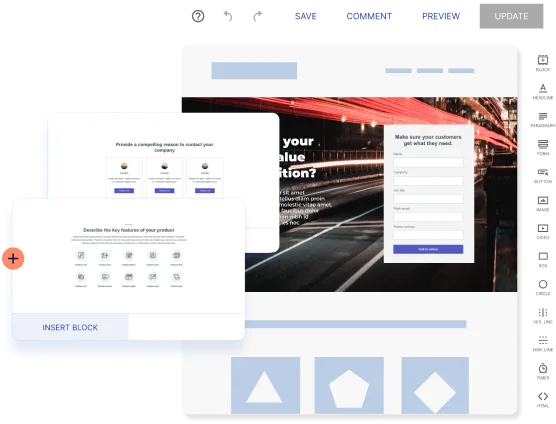
A recruitment landing page is a standalone web page created specifically for a marketing or advertising campaign. It is where a visitor "lands" after they click on a recruitment ad. Unlike a standard career site, which may list hundreds of varied roles from accounting to engineering, a recruitment landing page is built with a singular conversion goal: getting the candidate to submit an application or join a talent community. By removing the global navigation menus, sidebars, and "related links" found on standard corporate sites, companies can focus the candidate’s attention entirely on the value proposition of a specific role.
Strategic Best Practices for High-Conversion Hiring
To mitigate the high cost per applicant, talent acquisition specialists have identified several core principles that differentiate high-performing recruitment pages from their underperforming counterparts. These practices are rooted in conversion rate optimization (CRO) and user experience (UX) design.
1. Message Match and Headline Consistency
The principle of "message match" dictates that the content of the landing page must mirror the promise made in the advertisement. If a social media ad highlights a "Remote Software Engineer position with a $150,000 salary," the landing page headline must immediately confirm those details. Any discrepancy—such as a page that requires the user to search for the job again—creates cognitive dissonance and leads to immediate abandonment.
2. The "Above the Fold" Rule
In the context of web design, "above the fold" refers to the content visible without scrolling. For recruitment, this space is premium real estate. Data indicates that recruiters have approximately six to eight seconds to capture a candidate’s interest. High-converting pages place the job title, three to four primary benefits (such as flexible hours, health insurance, or sign-on bonuses), and a prominent "Apply Now" button within this initial view.
3. Minimizing Application Friction
The length of the application form is perhaps the most significant variable in candidate drop-off rates. Each additional field in a form can reduce the conversion rate by 5% to 10%. Leading firms are now moving toward "short-form" initial applications, asking only for a name, email, and resume upload. Some even utilize two-step forms, where the contact information is captured first, ensuring the company has a lead even if the candidate does not complete the more detailed second half of the application.
4. Credibility and Social Proof
Candidates are increasingly wary of "ghost jobs" and companies with poor workplace cultures. To combat this, recruitment landing pages now integrate social proof directly into the layout. This includes employee testimonials with photos, Glassdoor ratings, and industry awards. Including a "trust signal," such as a logo indicating the company was voted a "Best Place to Work," can increase application rates by as much as 20%.
Case Studies: Industry Leaders in Gig and Platform Recruitment
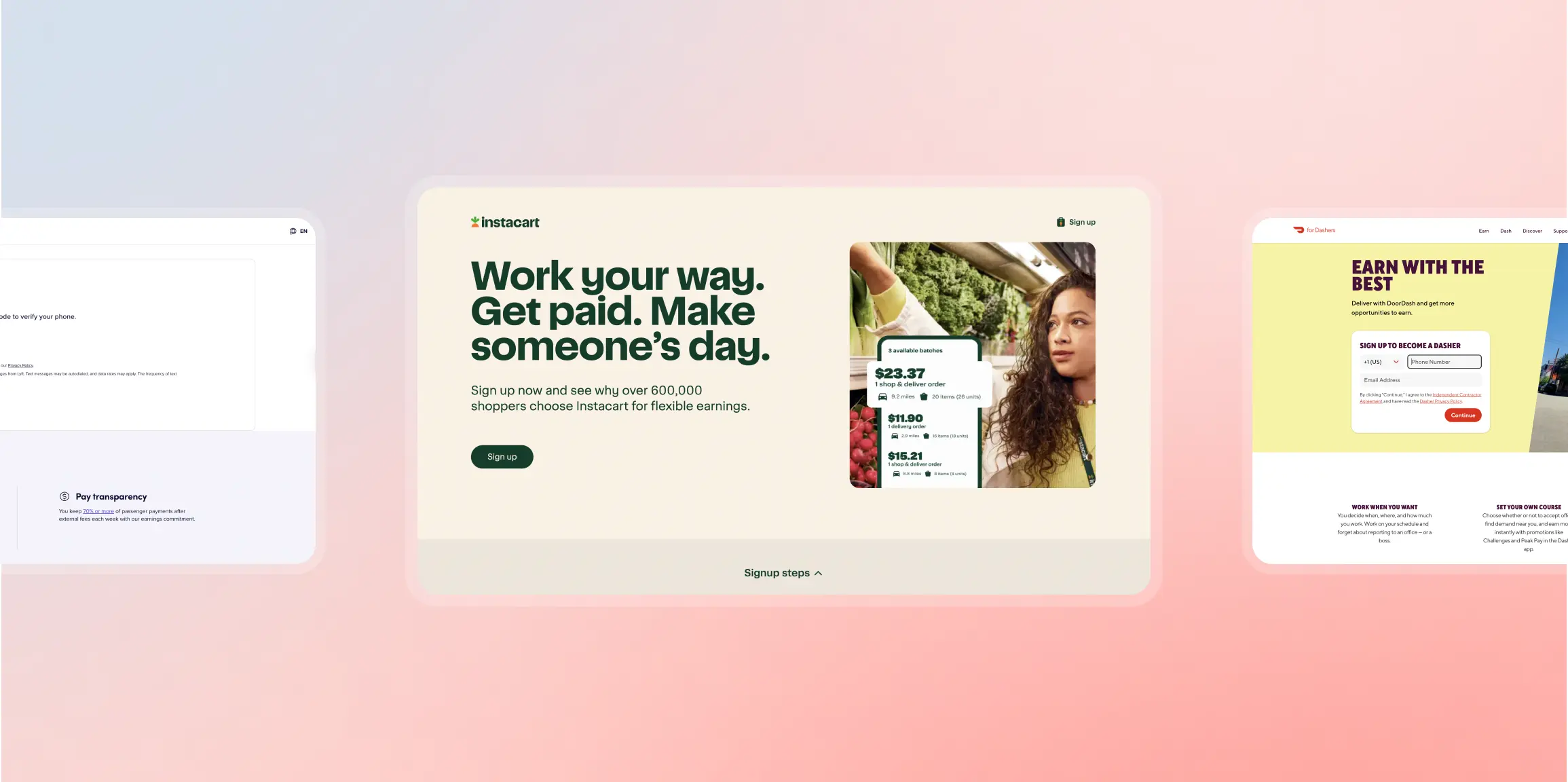
The effectiveness of these strategies is most visible in the gig economy, where companies like Uber, Lyft, and DoorDash must recruit thousands of independent contractors daily. These organizations treat recruitment as a high-volume performance marketing operation.
Uber and the Direct Entry Model
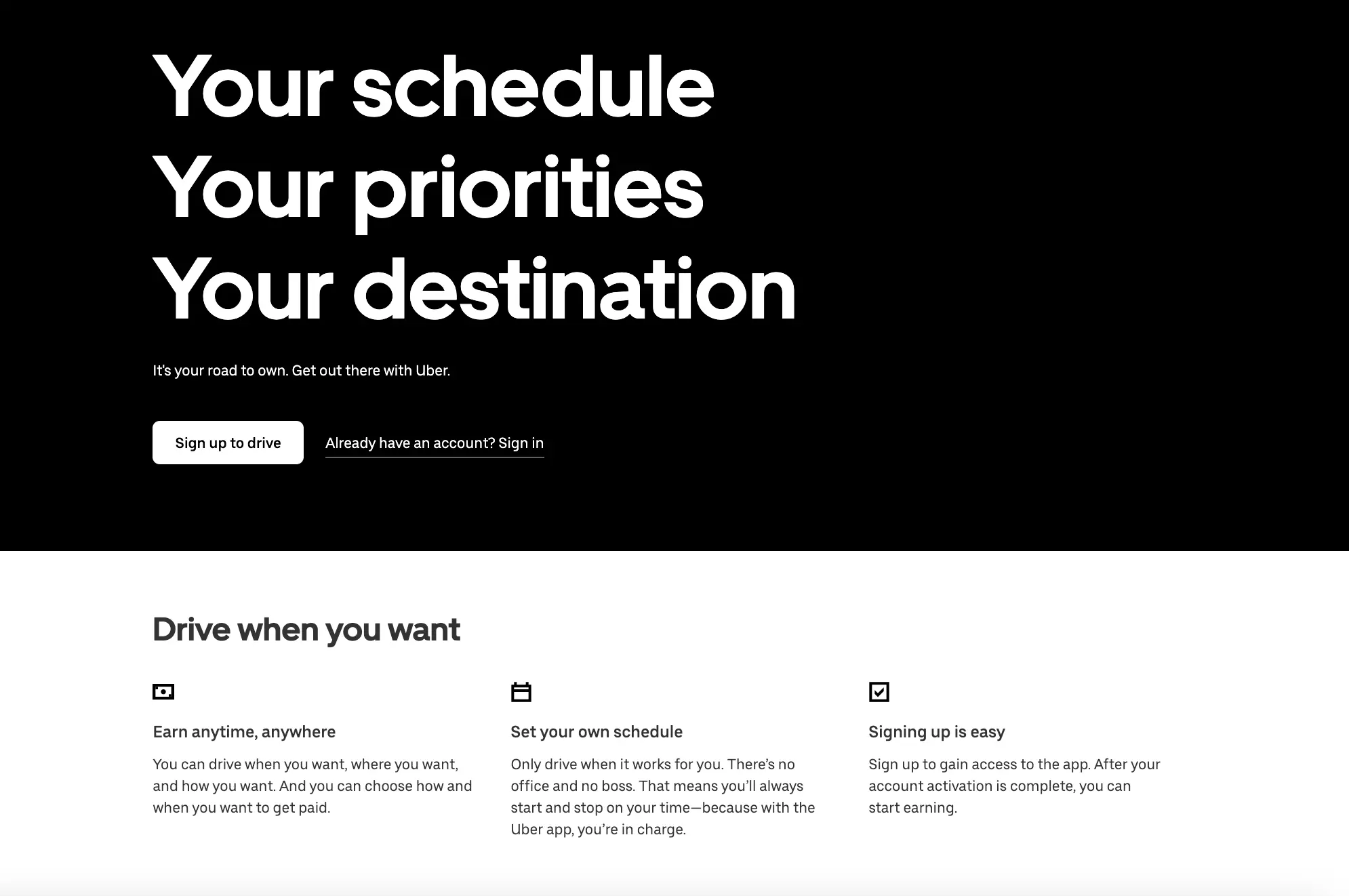
Uber’s driver recruitment pages are frequently cited as the gold standard for simplicity. Their pages often feature a split-screen design or a singular, focused form. By asking for basic vehicle information and location upfront, they qualify the lead immediately. The page removes all external links, including the standard "About Us" or "Investor Relations" links found on the main Uber.com site, ensuring the user stays focused on the signup process.
Lyft’s Focus on Earnings Transparency
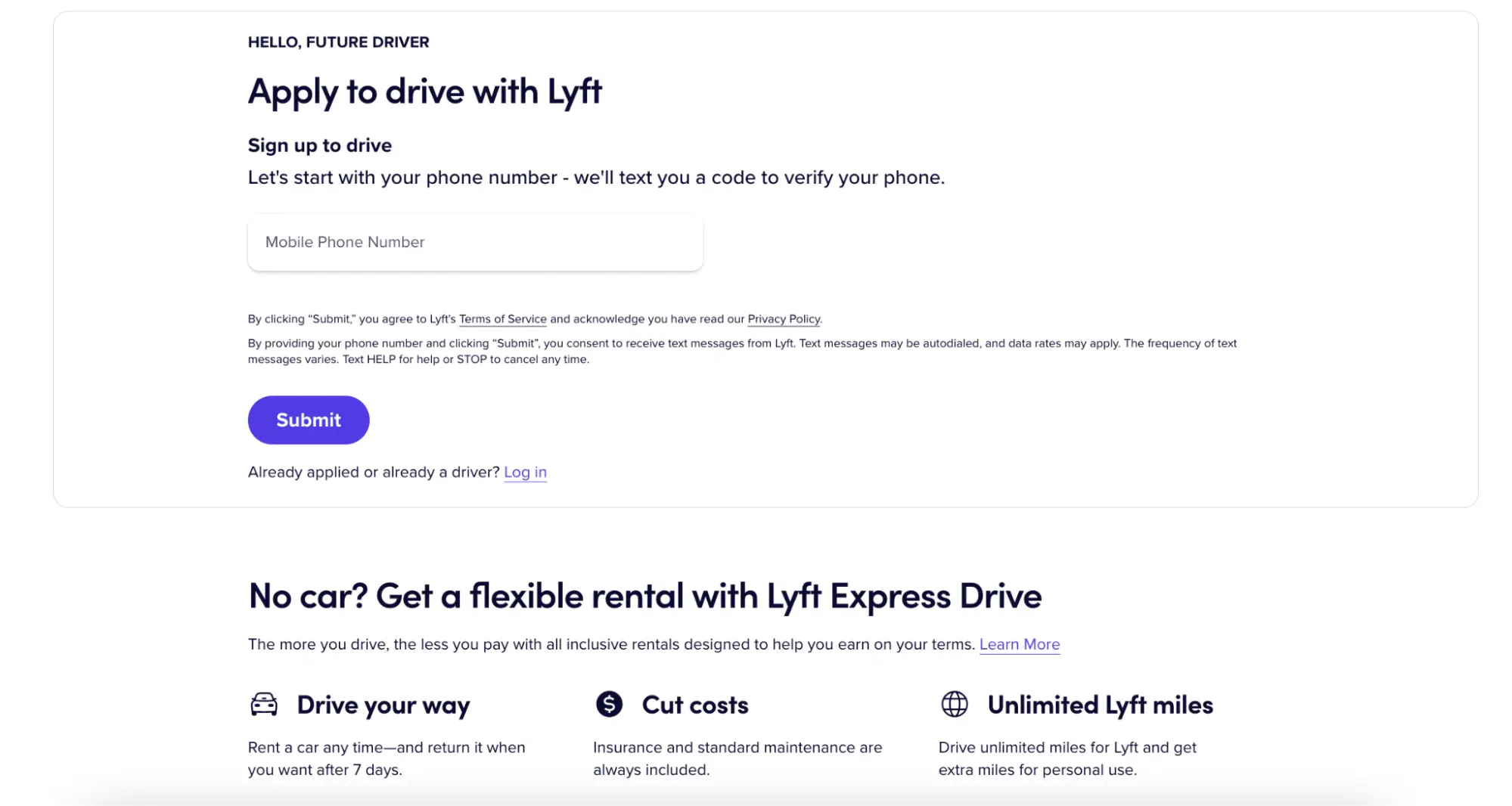
Lyft distinguishes its recruitment landing pages by emphasizing the financial incentive. Their pages often include an "Earnings Calculator" or a prominent display of potential weekly earnings. This addresses the candidate’s primary question—"How much will I make?"—immediately, reducing the need for the user to navigate elsewhere for information.
DoorDash and the "Dasher" Value Proposition
DoorDash focuses heavily on the flexibility of its "Dasher" roles. Their landing pages utilize high-quality imagery of people working in diverse settings, reinforcing the lifestyle benefits of the gig. Critically, their mobile optimization is seamless, recognizing that the vast majority of their target demographic is browsing on a smartphone.
The Technical Infrastructure: Speed and Mobile Optimization
As of 2024, over 70% of job searches and applications are initiated on mobile devices. This shift has made page load speed a critical metric for recruitment success. According to Google’s research, a one-second delay in mobile load times can impact conversion rates by up to 20%.
To maintain high performance, modern recruitment pages utilize Content Delivery Networks (CDNs), compressed image formats (like WebP), and minimized JavaScript. Furthermore, the integration of "one-click" application features—allowing candidates to pull data from LinkedIn or Indeed profiles—has become a standard requirement for reducing the manual effort of mobile applications.
A/B Testing and the Role of Artificial Intelligence
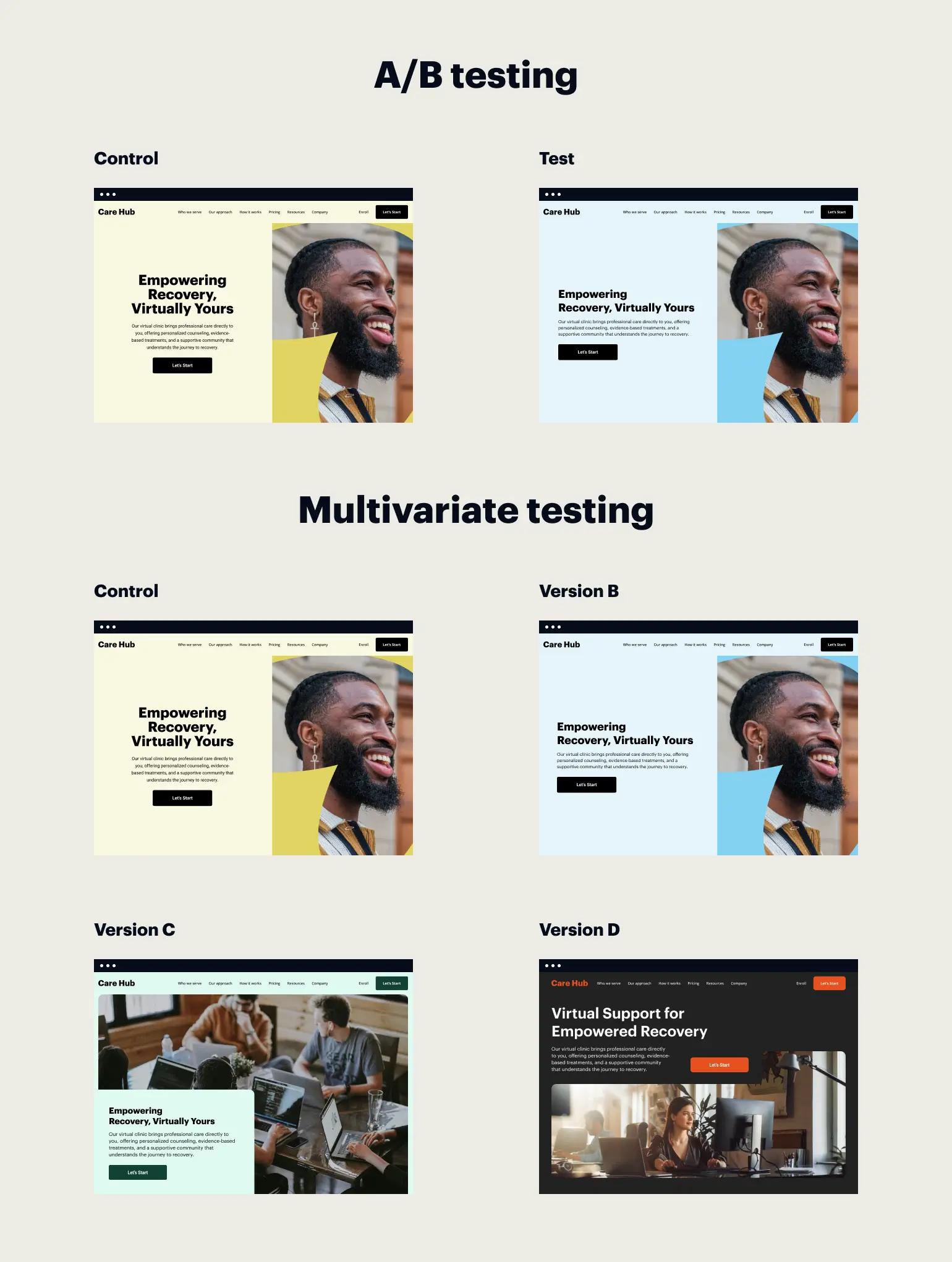
The final frontier of recruitment landing page optimization is the implementation of continuous A/B testing. This involves running two versions of a page simultaneously to see which performs better. Elements frequently tested include:

- CTA Button Color: Does "Join the Team" perform better in blue or green?
- Hero Imagery: Do candidates respond better to photos of the office or photos of people working remotely?
- Headlines: Does a salary-focused headline outperform a mission-focused headline?
Artificial Intelligence is now playing a larger role in this process. AI-driven platforms can automatically route traffic to the "winning" version of a page once statistical significance is reached. Some advanced systems can even personalize the landing page content in real-time based on the candidate’s geographic location or the specific keyword they searched for on Google.
Broader Economic Implications and the Future of Hiring
The shift toward dedicated recruitment landing pages represents a professionalization of the hiring process that mirrors the maturity of the e-commerce industry. For the broader economy, this means a more efficient matching of labor to demand. When friction is removed from the application process, the time-to-hire decreases, allowing companies to scale faster and reducing the duration of unemployment for job seekers.
However, this efficiency also places a burden on companies to maintain the quality of the candidate experience after the application is submitted. As automated recruitment marketing becomes more effective at filling the "top of the funnel," the focus of HR technology is likely to shift toward AI-driven screening and automated scheduling to handle the increased volume of applicants.
In conclusion, the recruitment landing page is no longer a luxury for large tech firms; it is a fundamental tool for any organization looking to compete in a digital-first labor market. By treating candidates as customers and the application as a conversion, companies can significantly reduce their cost per hire and build a more resilient talent pipeline in an increasingly competitive global economy. Organizations that fail to optimize this critical touchpoint risk not only wasting their advertising budgets but also losing top-tier talent to competitors who offer a more seamless, persuasive, and professional digital entry point.