In the increasingly competitive landscape of digital commerce, the ability to build trust and encourage action among prospective and existing customers is paramount. Email marketing, a cornerstone of digital strategy, finds a powerful ally in social proof, a psychological phenomenon that leverages the actions and opinions of others to influence individual decision-making. Far from being a mere marketing tactic, social proof is a fundamental driver of clicks, sign-ups, and sales, working effectively at every stage of the customer journey, from initial contact to post-purchase engagement. This article delves into the profound impact of social proof, its various forms, strategic implementation within email marketing, and the measurable benefits it confers upon businesses.
The Psychological Underpinnings of Social Proof
The effectiveness of social proof is rooted in established principles of human psychology, most notably articulated by Dr. Robert Cialdini in his seminal work, "Influence: The Psychology of Persuasion." Cialdini identifies social proof as one of six universal principles of persuasion, positing that individuals are more likely to adopt a belief or engage in an action if they see many other people doing so. This inclination is particularly pronounced in situations of uncertainty, where people look to the behavior of others for guidance on how to act.
A significant contributing factor is the Fear of Missing Out (FOMO), a pervasive anxiety that individuals experience when they perceive that others are having rewarding experiences from which they are excluded. When potential customers see evidence that others are benefiting from a product, service, or even an email newsletter, FOMO can act as a powerful motivator, driving them to participate lest they miss out on similar advantages. This collective validation serves as a cognitive shortcut, reducing the perceived risk associated with a decision. In an online environment where direct interaction and trust-building are often limited, evidence from strangers – be it reviews, testimonials, or subscriber counts – becomes the next best thing to personal recommendations from friends. It transforms abstract claims into tangible, relatable experiences, allowing the collective voice of satisfied customers to do the convincing work that a brand’s self-promotion often struggles to achieve.
A Taxonomy of Social Proof: Diverse Manifestations for Digital Impact
Social proof manifests in numerous forms, each offering a unique avenue for building credibility and influencing behavior. Understanding these different types allows marketers to select the most appropriate evidence for specific marketing objectives and audience segments.
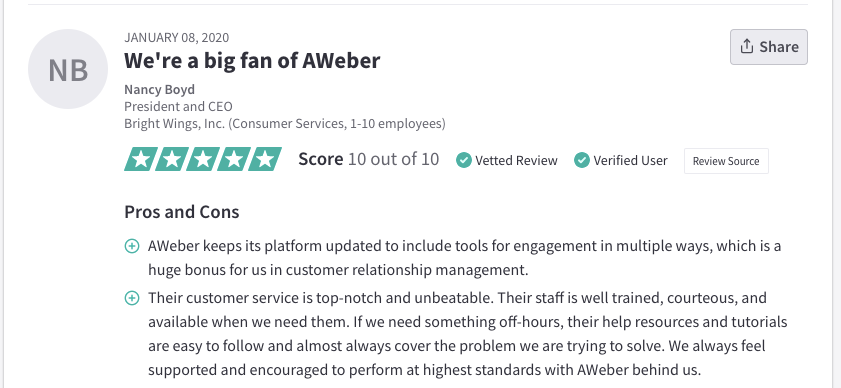
- Customer Reviews: These are direct feedback from users, often found on third-party platforms like Trustpilot, Google Reviews, Yelp, Amazon, or dedicated industry review sites. The sheer volume and overall sentiment of these reviews provide broad validation. For businesses in operation for more than a few months, a wealth of such reviews typically already exists, ready to be leveraged.
- Testimonials: Unlike general reviews, testimonials are curated quotes directly solicited from happy customers. Ideally, they include the customer’s name, photo, and title or business affiliation, lending them significant authenticity and relatability. They often highlight specific benefits or successes achieved through the product or service.
- Case Studies: These are in-depth narratives detailing a customer’s journey, typically presenting a "before-and-after" scenario. They elaborate on a problem the customer faced, how the product or service provided a solution, and the measurable results achieved. Case studies are particularly effective for high-value or complex offerings, providing comprehensive proof of efficacy.
- Customer Data and Metrics: Quantitative proof, such as "join 25,000 subscribers," "trusted by 300,000 creators," or a "4.8/5 stars from 2,000 reviews," provides clear, undeniable evidence of popularity and satisfaction. Large numbers signal widespread acceptance and success, while high star ratings reflect quality.
- Social Media Feedback: Screenshots of positive posts, comments, shares, and shout-outs from real users on platforms like X (formerly Twitter), Facebook, or Instagram offer dynamic and authentic social proof. This type of proof demonstrates real-time engagement and organic advocacy.
- Expert and Influencer Endorsements: Recommendations from recognized authorities, industry leaders, or social media influencers whom the target audience already trusts carry significant weight. Their stamp of approval can instantly elevate a brand’s credibility.
- Awards and Trust Badges: Industry awards, certifications (e.g., ISO, secure payment badges), and inclusion in "best of" lists from reputable publications or organizations signal quality, reliability, and industry recognition. These visual cues build immediate trust.
- User-Generated Content (UGC): Photos and videos customers share of themselves using a product in real-world scenarios are incredibly powerful. UGC is seen as highly authentic and can foster a sense of community around a brand.
For nascent businesses lacking extensive review histories, strategic implementation of simpler forms of social proof is crucial. Starting with customer data, such as "join 500 subscribers," or proactively soliciting a one-line testimonial from early, satisfied customers can quickly establish initial credibility. The emphasis is not on quantity, but on the presence of a credible voice that can alleviate initial skepticism.
Integrating Social Proof Across the Email Marketing Funnel: A Chronological Approach
The strategic placement of social proof throughout the customer’s interaction with a brand’s email marketing efforts can significantly enhance conversion rates and build lasting relationships.
-
Pre-Subscription: Enhancing Signup Forms and Landing Pages
The very first interaction a potential subscriber has with a brand’s email strategy is often a signup form on a blog, landing page, or website. At this critical juncture, visitors implicitly ask, "Is this worth my inbox?" Placing a compelling testimonial directly above or beside the signup form provides an immediate answer. The most effective testimonials here are those that specifically articulate the value derived from the email content itself, perhaps a quote from an engaged subscriber praising the insights or benefits of the newsletter. Crucially, always include a picture, name, and title (e.g., "Sarah M., founder of a 6-figure Etsy shop") to maximize credibility. Tools like AWeber’s AI Signup Form Builder can facilitate this by allowing marketers to integrate testimonials seamlessly into high-converting forms. -
Onboarding: Fortifying Trust in the Welcome Email
The welcome email, sent immediately after signup, boasts some of the highest open rates in email marketing. It represents the prime opportunity to solidify the new subscriber’s decision and encourage continued engagement. Including a review or testimonial (distinct from the one used on the signup form) as a prominent section within the welcome email serves to reinforce the brand’s value proposition. A third-party endorsement at this stage validates the subscriber’s choice, moving them from passive recipient to active participant and encouraging them to move the email out of the promotions tab. This initial boost of confidence is vital for long-term subscriber retention.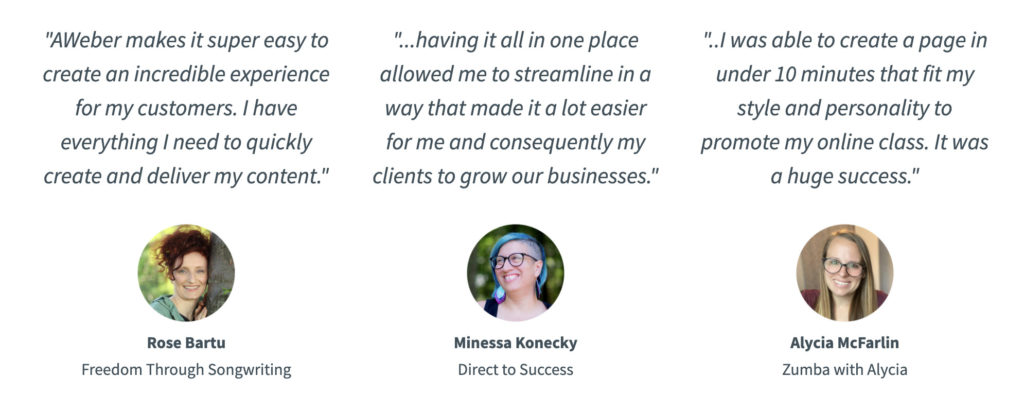
-
Conversion-Focused: Pairing Every Sales Pitch with Proof in Promotional Emails
Promotional emails are designed to drive specific actions, typically purchases or sign-ups for paid services. Their effectiveness is dramatically amplified when every sales pitch is accompanied by concrete evidence. For instance, an email promoting a course on financial stability should not only outline the curriculum and target audience but also feature a review from a former student who achieved a specific, tangible outcome (e.g., "I paid off my student loans eight months after finishing this course"). Such specific, results-oriented testimonials are far more persuasive than generic praise.
Furthermore, building an entire promotional email around a customer’s success story, akin to a mini case study, can be exceptionally powerful. By starting with the customer’s initial problem and detailing how the product or service provided the solution, marketers can craft compelling narratives that resonate deeply with prospects facing similar challenges. This approach not only provides robust proof but also offers a ready-made content strategy for marketers struggling with email content generation. -
Retention and Advocacy: Leveraging Trust Badges for Referrals
Referrals, essentially personal recommendations from friends, represent the original and arguably most potent form of social proof. Email marketing can actively cultivate referrals by incorporating a dedicated section encouraging subscribers to forward valuable messages to friends or colleagues. To enhance the likelihood of sharing, this call to action can be bolstered by including authority-building elements such as industry awards, certifications, or trust badges. Subscribers are more inclined to share content when doing so enhances their own credibility or provides a valuable resource to their network, and the presence of such badges reinforces the quality and trustworthiness of the content being shared. -
Re-engagement: Rescuing Abandoned Carts with Proof and Humor
Abandoned cart emails are crucial for recovering lost sales. When a customer adds an item to their cart but leaves before completing the purchase, an abandoned cart email serves as a reminder and a final nudge. Integrating a compelling piece of social proof can often overcome the lingering hesitation. A humorous social media post or a brief, positive testimonial about the product can effectively catch the prospect’s attention, lower the perceived pressure of the purchase, and remind them of the desirability of the item they nearly bought. Keeping these emails concise and impactful, with social proof as a key element, maximizes their recovery potential.
The Tangible Impact: Data-Driven Insights and Broader Implications
The integration of social proof is not merely a theoretical enhancement; it yields measurable improvements in key marketing metrics. Studies consistently show that consumers place significant trust in online reviews and recommendations, often more so than in brand-generated content. According to various market research firms, over 90% of consumers read online reviews before making a purchase, and nearly 80% trust online reviews as much as personal recommendations.
The direct impact on conversion rates is substantial. Businesses leveraging social proof in their email campaigns often report a 15-20% increase in conversion rates, alongside a noticeable reduction in customer acquisition costs. Beyond immediate sales, social proof contributes significantly to enhanced brand perception and long-term credibility. It helps cultivate a loyal customer base by fostering a sense of community and shared positive experience, which is particularly vital in an era characterized by heightened consumer skepticism and information overload.
Best Practices and Ethical Considerations
While the benefits of social proof are clear, its effective implementation requires adherence to best practices and a strong ethical foundation. Authenticity is paramount; fabricated reviews or testimonials can severely damage brand reputation if discovered. Marketers must always obtain explicit permission before using customer content, whether it’s a quote, photo, or video. Specificity and relevance are also key: the chosen social proof should directly address the concerns or highlight the benefits most relevant to the particular email’s objective. Visual appeal, through high-quality images and clean design, enhances the impact of social proof, while strategic placement ensures it is prominent without being intrusive. Finally, regularly refreshing social proof keeps content current and ensures its continued resonance with the audience.
Strategic Imperatives for Modern Marketers
In an age where information is abundant and consumer attention is a prized commodity, social proof represents a strategic imperative for modern marketers. It democratizes influence, shifting the power from purely corporate messaging to the collective voice of the customer base. For businesses of all sizes, it is a potent tool for building a resilient brand, fostering trust in a skeptical marketplace, and cultivating long-term customer relationships. By effectively showcasing the satisfaction and success of existing customers, brands can differentiate themselves, gain a competitive edge, and unlock significant growth opportunities.
In conclusion, the integration of social proof into email marketing is not an optional add-on but a fundamental strategy for achieving superior results. By understanding its psychological underpinnings, leveraging its diverse forms, and strategically deploying it throughout the customer journey, businesses can significantly enhance engagement, conversion rates, and overall brand equity. The power of leveraging existing customer satisfaction is immense, offering a straightforward yet highly effective path to increased clicks, sign-ups, and sales. Utilizing modern email marketing platforms like AWeber, which offer integrated tools such as AI Signup Form Builders and email templates with built-in testimonial blocks, makes implementing these strategies more accessible than ever, allowing businesses to put their happiest customers to work in building a stronger, more trusted brand.