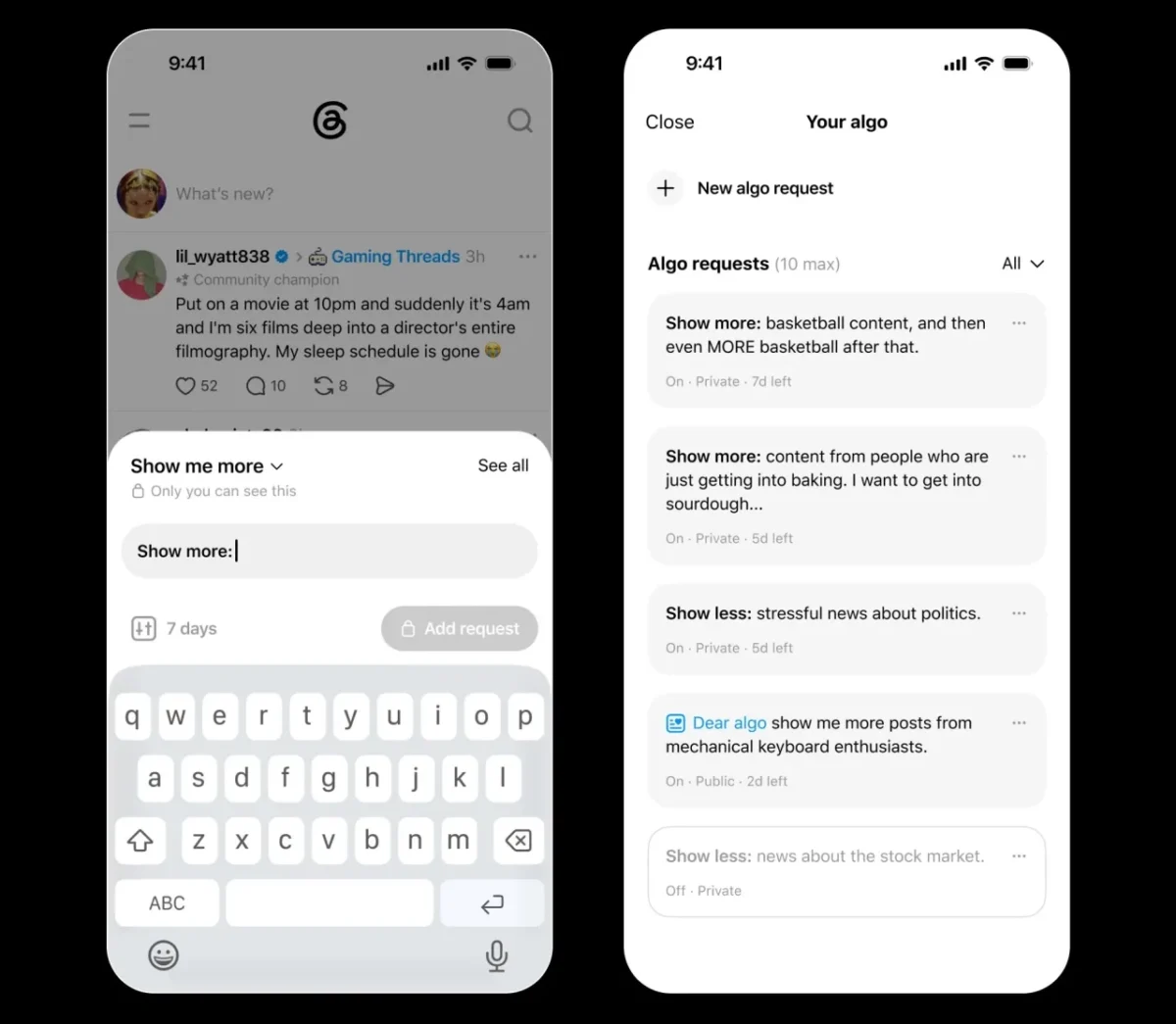
In a significant shift aimed at enhancing user experience and addressing growing demands for transparency, major social media platforms like Threads, Instagram, and TikTok are rolling out increasingly sophisticated tools that allow users to explicitly dictate the content they wish to see. These features, ranging from "topic sliders" and "interest toggles" to comprehensive "content preference menus," are being marketed under the empowering narrative that users are finally taking the reins of their digital consumption. However, a closer examination reveals that this framing, while politically expedient, oversimplifies a complex reality. The true engine of algorithmic personalization has always been user behavior, a far more nuanced and granular signal than any manually adjusted setting can capture.
For years, the silent language of user interaction has been the primary driver of personalized content delivery. Every moment a user lingers on a video, every rewatch of a viral clip, every extended pause over a particular post, these are all deeply informative signals that the algorithm registers and learns from. This passive, yet potent, form of engagement far surpasses the blunt instrument of explicit preference declarations. Consider the example of a user demonstrably obsessed with the animated series "Avatar: The Last Airbender." The platform’s algorithm doesn’t need a user to select "animation" from a menu to understand this affinity. It already knows, thanks to the user’s habit of watching fan edits at 1 a.m. on a Tuesday, or repeatedly engaging with fan art and discussion threads. This granular understanding of user habits, built over time through countless micro-interactions, provides a far richer tapestry of preference than a broad declaration of interest.
The distinction between explicit preferences and behavioral signals is crucial. While a declared interest in "musicals" might be a starting point, it lacks the specificity to predict a user’s reaction to a highly niche content mashup, such as characters from "Avatar: The Last Airbender" performing songs from the musical "Hamilton." It is the behavioral data – the actual viewing time, the replays, the shares, the comments – that reveals such deeply ingrained and specific tastes. These behavioral signals are the bedrock upon which sophisticated recommendation engines are built, creating a personalized digital environment that evolves organically with the user’s engagement.
The Political Calculus Behind Explicit Control Features
The widespread adoption of these explicit user control tools begs the question: why now, and why the emphasis on user agency? The most candid answer points towards a strategic response to a confluence of external pressures. In an era marked by heightened concerns over data privacy, a growing demand for algorithmic transparency, and intense scrutiny of content moderation policies, platforms are facing unprecedented pressure from regulators, consumer advocacy groups, and the public alike.
The introduction of visible "dials" for users to adjust their content preferences serves as a crucial political maneuver. It projects an image of accountability, demonstrating a willingness to cede some level of control to the user. For lawmakers and regulatory bodies, these features provide tangible evidence of platform efforts to address user concerns, offering something concrete to reference in discussions about algorithmic fairness and user empowerment. This strategic deployment of user-facing controls can help to deflect criticism and potentially stave off more stringent regulatory interventions.
Furthermore, for individuals who are new to a platform and possess no pre-existing behavioral data, these explicit preference settings offer a genuine and valuable utility. A fresh user, entering a digital ecosystem without a history of interactions, benefits significantly from the ability to immediately articulate their interests and dislikes. Stating, "I am interested in cooking and actively do not want to see content about football," provides the algorithm with an essential starting point. Without this initial guidance, the algorithm would be forced to rely solely on a gradual accumulation of behavioral data, a process that could be slow and less efficient for onboarding new users. Explicit preferences act as a crucial "cold start" mechanism, enabling platforms to deliver a more relevant initial experience.
However, for the vast majority of established users, those who have been actively engaging with these platforms for years, the impact of these new dials is likely to be minimal. Their feeds have already been meticulously shaped by a rich history of thousands of micro-signals, a detailed portrait of their viewing habits that the algorithm has been diligently constructing since their first interaction. The existing algorithmic architecture, honed through years of data analysis, is already highly attuned to their implicit preferences.
Implications for Advertisers: A Paradigm Shift in Engagement Strategy
The emergence of user-controlled algorithms carries significant implications for the advertising ecosystem, particularly for social media marketers. If the primary mechanism determining content delivery is rooted in granular behavioral signals rather than broad, declared interests, then the most effective advertising strategies must focus on eliciting genuine behavioral engagement. This means that the creative development process must prioritize content that captures and holds user attention, encouraging the very interactions that algorithms are designed to recognize.
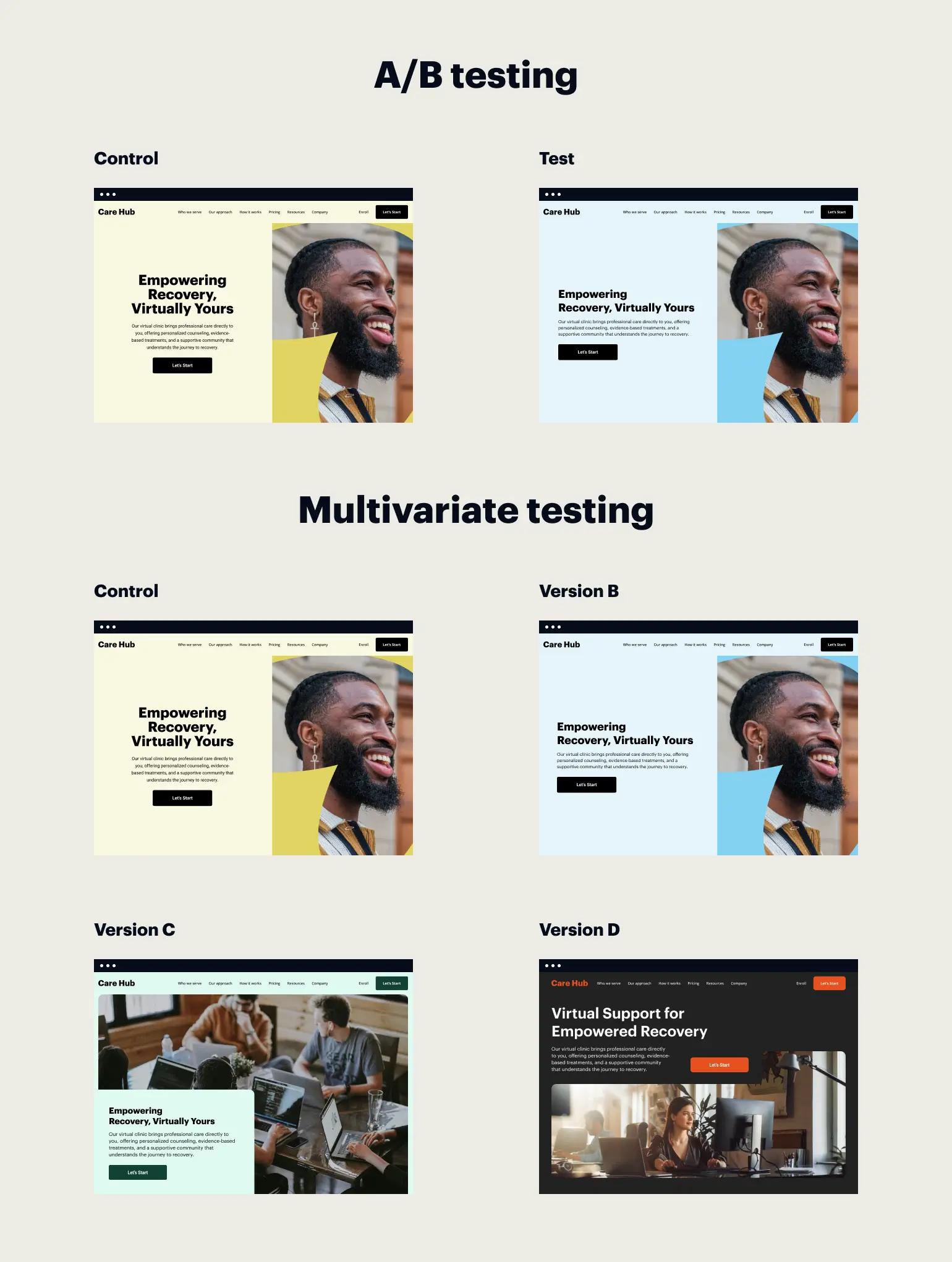
The fundamental task for social media advertisers has not changed with the introduction of these new preference tools. The objective remains to create a diverse array of creative assets across various formats and messaging strategies. This allows advertisers to observe which versions of their content resonate most effectively with different audience segments, as revealed by their viewing behaviors. A user who watches a product video multiple times provides a vastly different and more valuable signal than one who scrolls past it within the first two seconds. Both of these behavioral indicators offer a more profound insight into user interest than simply knowing that they have indicated a general "interest in fashion."
The implications for media planning are therefore straightforward and underscore a continued emphasis on data-driven optimization. Advertisers are encouraged to diversify their creative output, rigorously test different formats against each other, and rely on the platform’s actual delivery data to discern what is performing best. The most effective version of an advertisement is not necessarily the one that an advertiser might intuitively select at the outset. Instead, it is the version that is organically identified and amplified by user behavior over time. This requires a commitment to continuous testing, learning, and adaptation based on real-world engagement metrics.
Broader Impact and Future Trajectory
The introduction of user-controlled algorithmic preferences represents a complex interplay between technological advancement, user experience design, and strategic public relations. While these tools offer a tangible pathway for new users to navigate unfamiliar digital landscapes and serve as a politically astute response to regulatory pressures, their impact on seasoned users is likely to be marginal. The underlying principle remains that genuine user engagement, expressed through observable actions, is the most potent signal for algorithmic personalization.
For advertisers, this means that the core tenets of effective social media marketing remain unchanged. The emphasis must be on creating compelling, attention-grabbing content that encourages interaction. This involves a commitment to producing a wide range of creative variations, allowing the algorithm to identify and reward the most resonant messages and formats. Advertisers are urged to trust the granular insights derived from viewing data over the broader strokes of declared preferences. The playbook for success in this dynamic environment continues to be built on the foundation of earning user attention, fostering engagement, and allowing behavioral data to guide strategic decisions. The platforms may be offering new menus, but the underlying meal is still prepared by the users’ own actions.
The evolution of these algorithmic control features is likely to continue, with platforms seeking to balance user demands for control with their inherent need to maintain engagement and deliver personalized experiences. Future iterations may see more sophisticated ways for users to provide feedback, perhaps through more nuanced rating systems or even AI-powered dialogue to refine preferences. However, the fundamental challenge will remain: how to translate explicit declarations into the rich, dynamic understanding of user behavior that truly defines the modern digital content landscape. As these platforms mature, their ability to adapt and innovate in response to both user needs and regulatory scrutiny will be paramount, shaping the future of digital interaction for years to come. The ongoing dialogue between platforms and their users, now mediated by these new preference tools, is a testament to the ever-evolving nature of our digital lives and the constant negotiation between technology, commerce, and individual agency.