The trajectory of artificial intelligence development has, for the better part of a decade, followed a predictable path of monolithic scaling. Industry leaders have prioritized the expansion of parameter counts, the lengthening of context windows, and the fortification of individual reasoning capabilities. However, Tokyo-based startup Sakana AI is challenging this convention with the launch of Fugu, a managed model API that functions as a sophisticated multi-agent system masquerading as a single Large Language Model (LLM). By shifting the focus from individual model power to collective intelligence, Sakana AI is offering a new paradigm for how complex computational tasks are executed in the enterprise environment.
The Evolution of the Sakana AI Architecture
Sakana AI, founded by former Google researchers David Ha and Llion Jones—the latter being a co-author of the seminal "Attention Is All You Need" paper—has consistently championed nature-inspired approaches to machine learning. The company’s name, "Sakana," meaning fish in Japanese, reflects its core philosophy: collective intelligence. Much like a school of fish moves in unison to navigate complex environments, Sakana’s systems leverage multiple models to achieve results that a single model might struggle to produce.
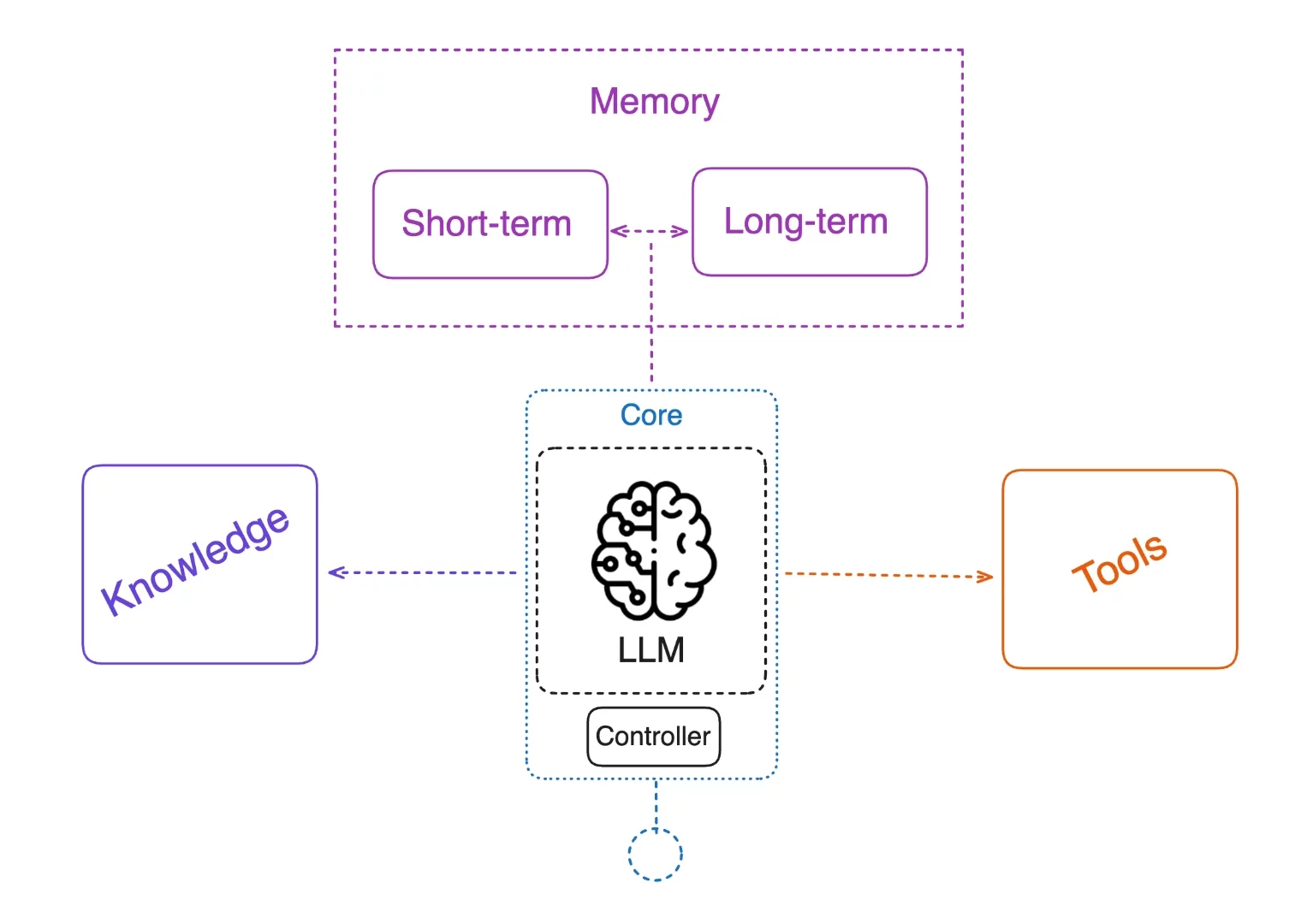
Fugu represents the commercial realization of this philosophy. While a developer interacts with it through a standard OpenAI-compatible API, the internal mechanics are significantly more complex. When a prompt is submitted to the "fugu" or "fugu-ultra" model IDs, the system does not simply generate a response. Instead, it triggers an internal orchestration layer that performs agent selection, role assignment, coordination, and verification. This approach effectively hides the "plumbing" of multi-agent workflows—which traditionally requires complex frameworks like LangGraph, AutoGen, or CrewAI—behind a familiar, streamlined interface.

A Comparative Analysis of Fugu and Fugu Ultra
Sakana AI has bifurcated its offering into two distinct tiers to address the varying needs of speed and precision.
Fugu: The Balanced Generalist
The standard Fugu model is engineered for everyday productivity. It is designed to balance performance with latency, making it suitable for interactive applications such as real-time coding support, internal chatbots, and document analysis. One of the defining technical features of the standard Fugu model is its routing flexibility. It can dynamically select the best model for a specific task and, crucially, allows users to opt-out specific agents from the model pool to satisfy strict privacy or compliance requirements.
Fugu Ultra: The High-Stakes Specialist
Fugu Ultra is the premium variant, optimized for maximum answer quality over response speed. It coordinates a deeper pool of expert agents and is specifically intended for multi-step problems where accuracy is paramount. According to Sakana AI, Fugu Ultra typically routes a single query through one to three expert agents depending on the complexity of the problem. This model is best suited for scientific research, cybersecurity analysis, and complex legal or financial reasoning.
| Feature | Fugu | Fugu Ultra |
|---|---|---|
| Primary Use Case | Interactive coding, chat, and review | Deep reasoning and high-stakes research |
| Design Priority | Latency and quality balance | Maximum accuracy and depth |
| Agent Pool | Flexible (Opt-out supported) | Fixed full expert pool |
| Latency | Low to Moderate | High |
| Pricing Model | Tiered based on top active agent | Fixed token pricing |
| Target User | Product teams and developers | Researchers and enterprise analysts |
Internal Mechanics: The Orchestration Layer
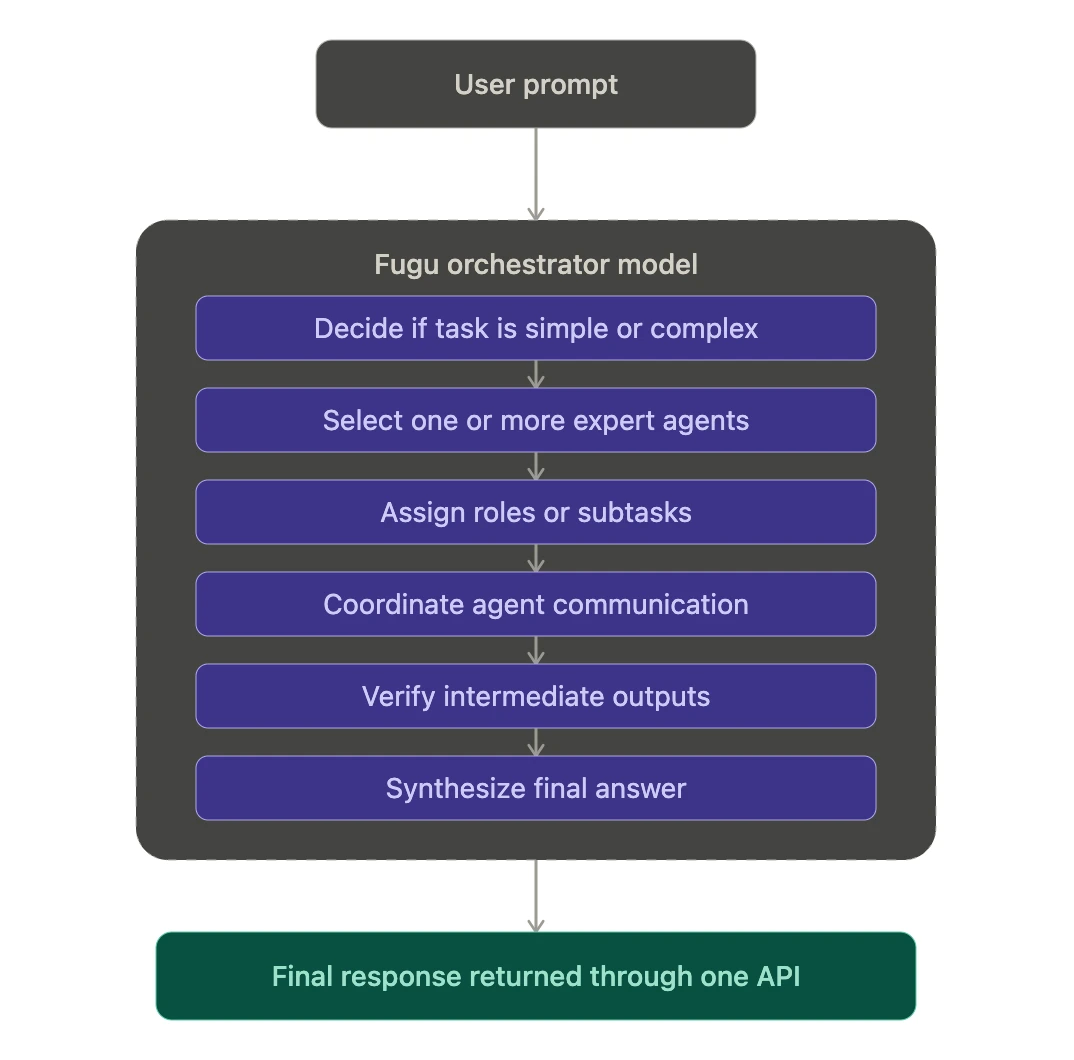
The internal architecture of Fugu functions as a managed orchestration layer. This "System 2" thinking approach allows the AI to pause, plan, and verify its own work before presenting a final answer to the user. The process follows a specific internal chronology:
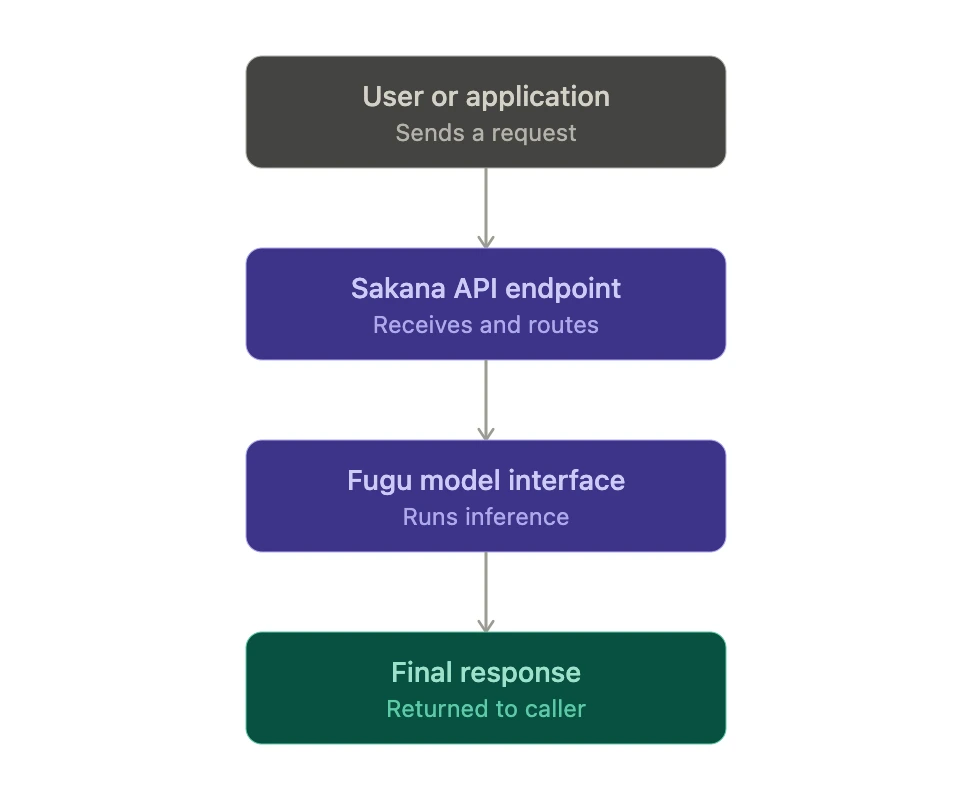
- The API Gateway: The system receives a request via an OpenAI-compatible endpoint, allowing for seamless integration with existing software stacks.
- The Orchestrator: This core intelligence layer analyzes the intent of the prompt. It determines if the task is simple enough for a direct response or if it requires specialized intervention.
- Agent Selection and Delegation: For complex queries, the orchestrator breaks the task into sub-tasks. It then calls upon specialized agents from its pool—some optimized for code, others for mathematical logic or long-context synthesis.
- Verification and Critique: In high-stakes modes, a second agent may be tasked with reviewing the output of the first. This "solver-critic" dynamic reduces hallucinations and ensures logical consistency.
- Synthesis: The orchestrator compiles the various agent outputs into a cohesive, singular response, which is then returned to the user.
Benchmarking and Performance Metrics
Sakana AI has released performance data comparing Fugu and Fugu Ultra against existing frontier models. The results indicate that the multi-agent approach provides a significant "reasoning premium" in specific categories.
In coding benchmarks (such as HumanEval) and scientific reasoning tests (GPQA), Fugu Ultra demonstrated a marked ability to outperform single-model baselines by iterating on code and verifying logic. However, the data also reveals a vital nuance: Fugu Ultra is not universally superior. In certain interactive tasks where speed is a component of the user experience, the standard Fugu model often achieves higher satisfaction scores due to its lower latency.
A critical takeaway from the benchmark data is that Fugu’s strength lies in tasks requiring "decomposition." When a problem can be broken down into discrete logical steps, the multi-agent orchestration provides a safety net that single monolithic models lack. Conversely, for simple factual retrieval, the overhead of orchestration may provide diminishing returns.
Economic Implications and Pricing Structure
One of the primary barriers to the adoption of multi-agent systems has been the "cost-stacking" problem. In a traditional DIY agentic workflow, if an orchestrator calls three different models to solve a problem, the developer is billed for three separate API calls. Sakana AI has addressed this through a unique billing logic.
For the pay-as-you-go Fugu model, fees are not stacked. Users are charged a single rate based on the highest-tier model involved in the transaction. This makes agentic workflows economically predictable for enterprise users. Fugu Ultra follows a more traditional fixed token pricing model, with input tokens priced at $5 per 1M and output tokens at $30 per 1M (with higher rates for context windows exceeding 272K).
For individual developers and small teams, Sakana offers subscription tiers:
- Standard ($20/month): For lightweight daily usage and experimentation.
- Pro ($100/month): Designed for regular professional coding and research.
- Max ($200/month): Tailored for heavy, long-running workloads and enterprise-grade analysis.
The Shift Toward Inference-Time Compute
The release of Fugu aligns with a broader industry shift toward "inference-time compute." While the previous era of AI focused on pre-training larger models, the current frontier involves giving models more time and "thought" resources during the generation process. By using multiple agents to verify and refine an answer, Sakana is effectively trading compute time for accuracy.
This trend has significant implications for the AI market. It suggests that the competitive advantage in AI may soon shift from those who own the largest training clusters to those who possess the most sophisticated orchestration algorithms. As models become more commoditized, the "glue" that connects them—the role Fugu aims to fill—becomes the most valuable part of the stack.
Implementation and Enterprise Fit
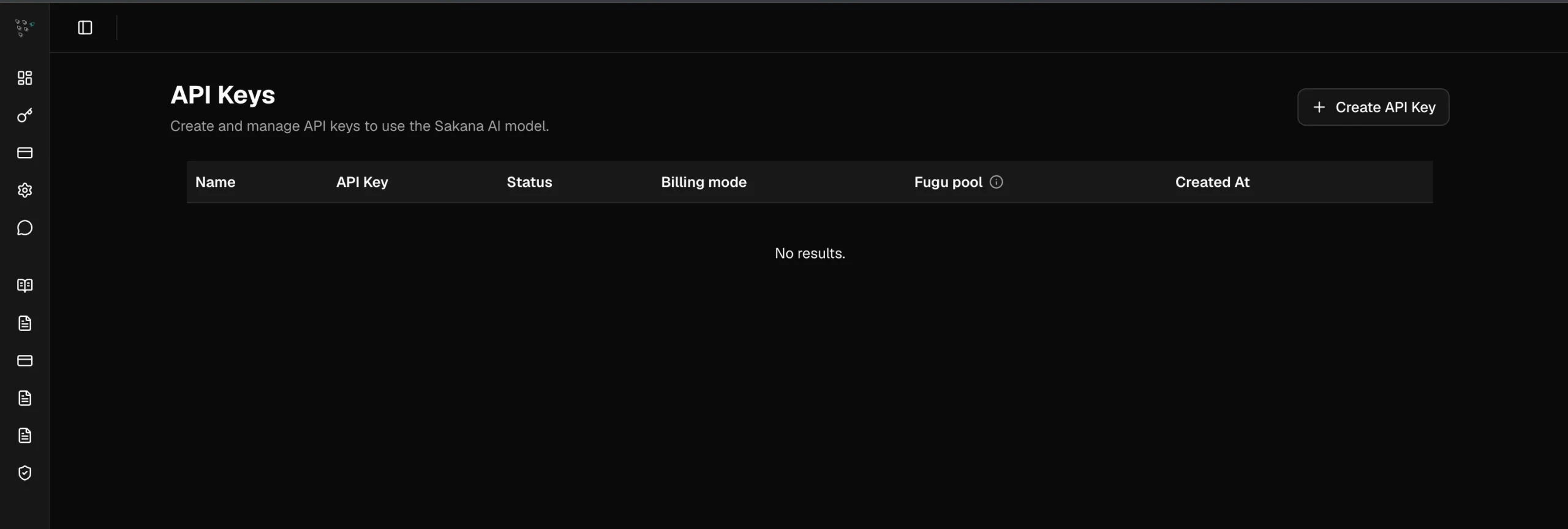
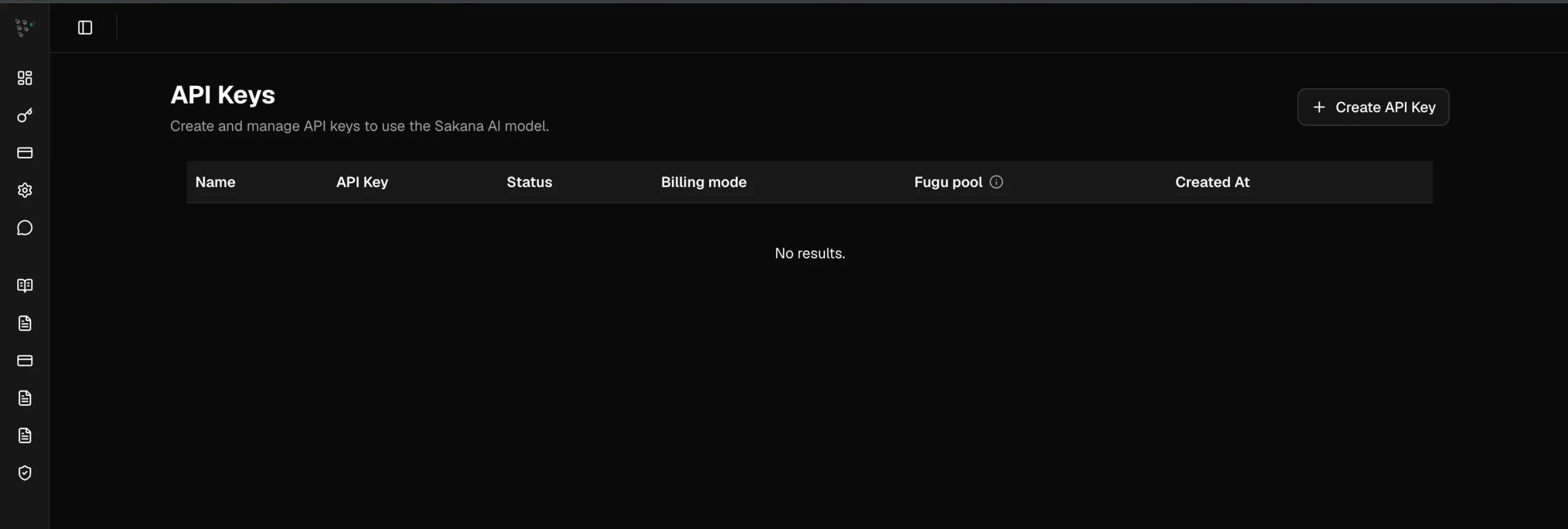
For technical leaders, Fugu offers a "middle path" between using a single raw LLM and building a custom agentic infrastructure. The ease of implementation is a significant factor; by maintaining OpenAI compatibility, Sakana allows teams to swap their model backend with a single line of code in their environment variables.
However, the transition to a managed multi-agent system is not without trade-offs. Organizations must consider the "black box" nature of Fugu’s orchestration. While it reduces complexity, it also limits the developer’s visibility into exactly which agents were used and how they interacted. For industries with extreme transparency requirements—such as certain sectors of healthcare or defense—this lack of routing visibility may require further auditing tools from Sakana.
Conclusion: The Future of Collective Intelligence
Sakana AI’s Fugu is more than just a new model; it is a signal that the era of the monolithic LLM may be reaching a plateau. By proving that a "school" of smaller, specialized agents can rival or exceed the performance of a single giant, Sakana has provided a blueprint for more efficient, reliable, and scalable AI systems.
As the AI industry moves toward "Agentic AI," the ability to package complex coordination into a simple API call will likely become a standard requirement for enterprise providers. Fugu stands as an early and potent example of this shift, offering a glimpse into a future where AI is not a single voice, but a coordinated chorus of experts. For developers and enterprises alike, the challenge will be determining which tasks require the speed of a single model and which deserve the rigorous, multi-perspective analysis that only a system like Fugu can provide.