The landscape of artificial intelligence is currently undergoing a transformative shift as the industry moves beyond text-only interfaces toward comprehensive multimodal systems. At the forefront of this revolution are Vision Language Models (VLMs), a class of AI designed to perceive, interpret, and reason across both visual and textual data. While traditional computer vision was limited to discrete tasks such as object detection or image classification, modern VLMs represent a convergence of linguistic intelligence and visual perception, allowing machines to “see” and “describe” the world with a level of nuance previously reserved for human cognition.
The Technological Paradigm Shift: From CLIP to Multimodal Assistants
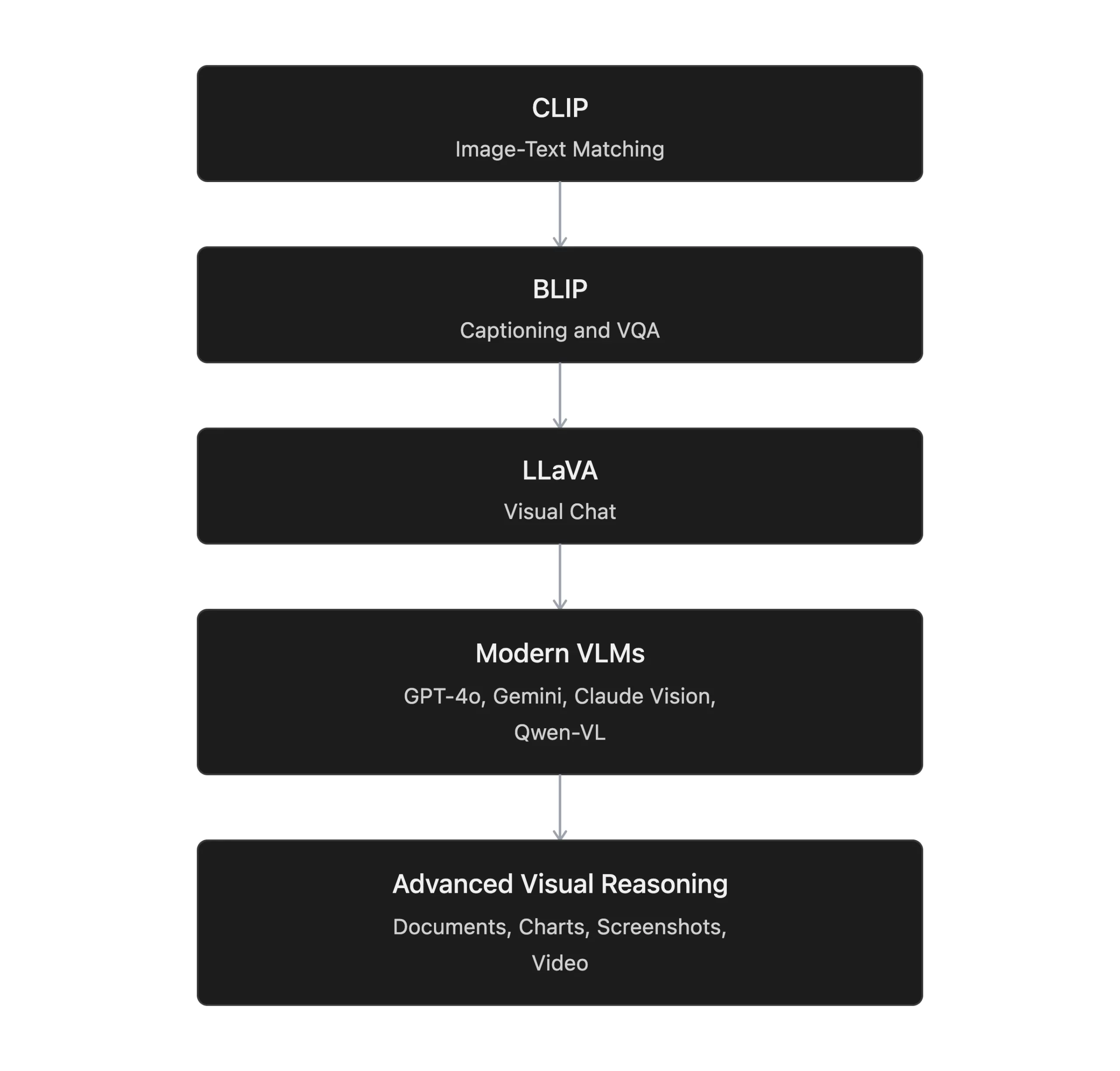
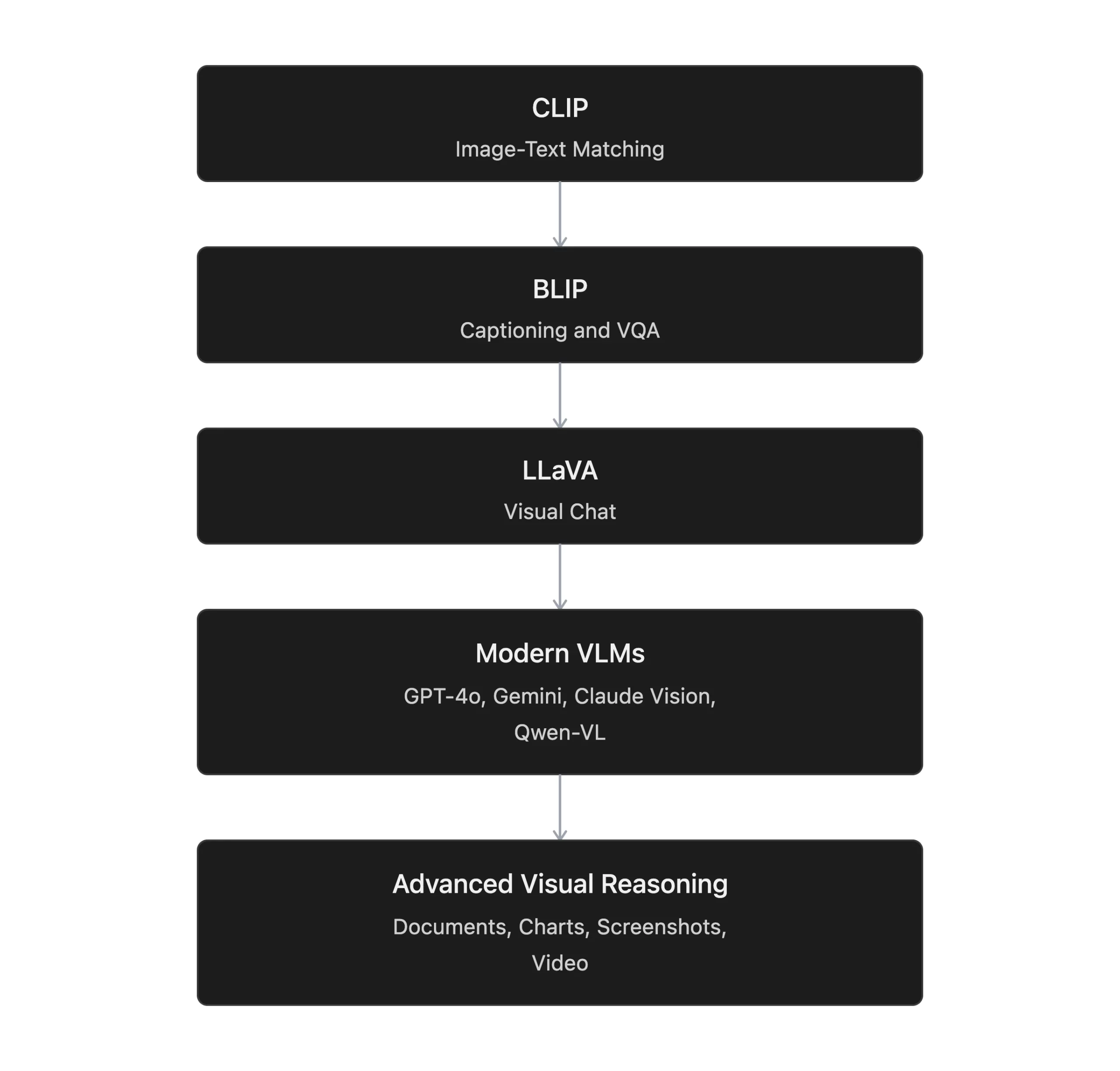
The journey toward modern VLMs began with pioneering architectures like CLIP (Contrastive Language-Image Pre-training) and BLIP (Bootstrapping Language-Image Pre-training). Introduced by OpenAI in early 2021, CLIP revolutionized the field by demonstrating that images and text could be mapped into a shared embedding space. This allowed models to perform “zero-shot” classification, identifying objects they had never explicitly been trained to recognize by simply understanding the linguistic description of the category.
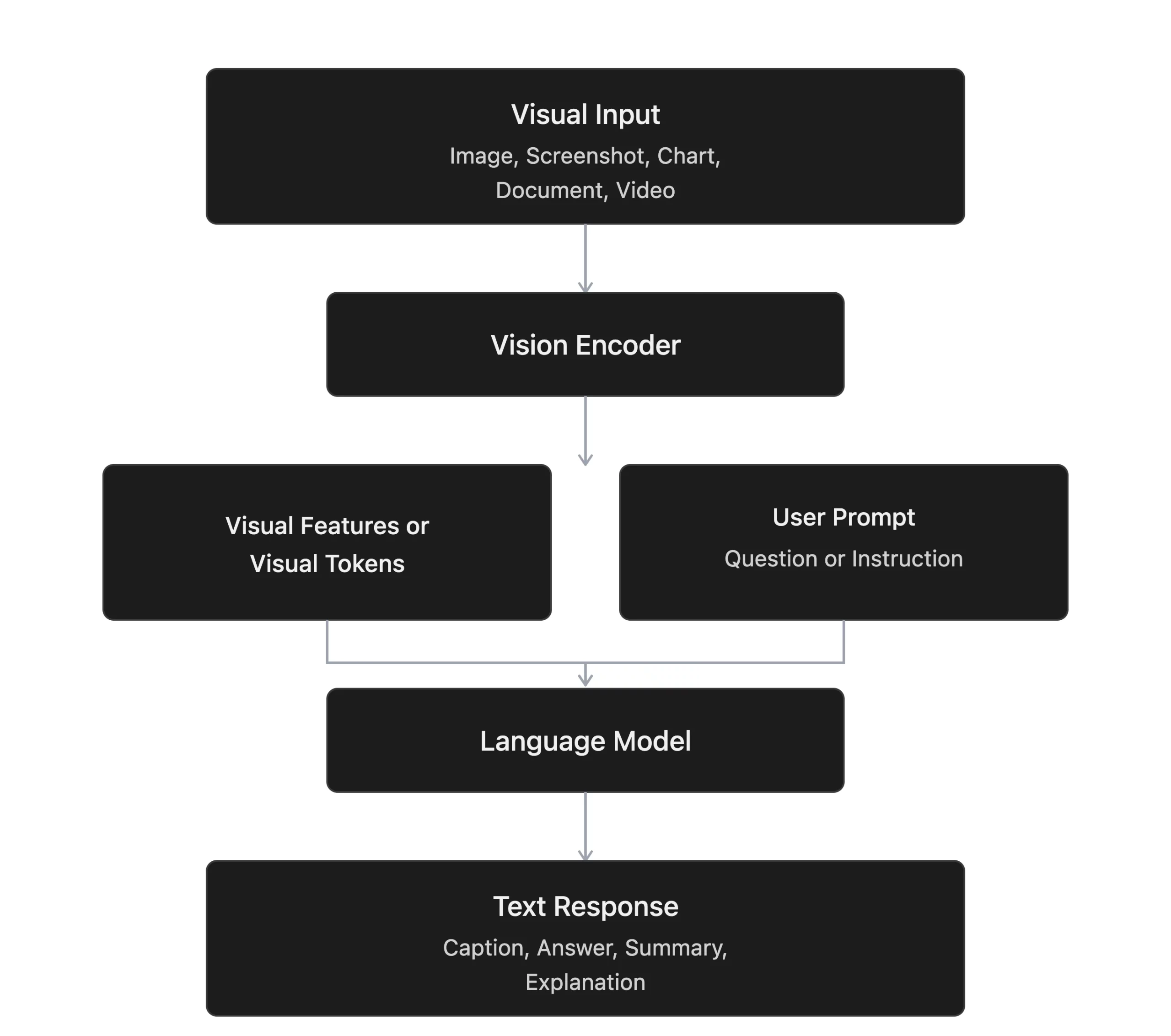
However, these early models were largely discriminative or descriptive; they could match an image to a caption but could not engage in complex reasoning about the contents of that image. The evolution from these foundational models to modern multimodal assistants involved the integration of Large Language Models (LLMs) as the “reasoning engine.” In this new architecture, a vision encoder—often based on the Vision Transformer (ViT) framework—processes an image into a series of visual tokens. These tokens are then fed into an LLM, which treats the visual information as a specialized language, enabling the model to follow complex instructions, analyze data visualizations, and participate in multi-turn conversations about visual stimuli.
A Comparative Analysis of Industry Leaders
As of 2024, the VLM market is dominated by four primary architectures, each offering distinct advantages tailored to different enterprise and consumer needs.
GPT-4o: The Frontier of Real-Time Interaction
OpenAI’s GPT-4o (the “o” standing for “omni”) represents a significant milestone in native multimodality. Unlike its predecessor, GPT-4V, which utilized separate encoders for different modalities, GPT-4o is trained end-to-end across text, audio, and vision. This unified architecture allows for significantly lower latency, making it the premier choice for real-time applications. In professional settings, GPT-4o is frequently utilized for interactive assistance, where it can observe a user’s screen in real-time to provide technical support or summarize live video feeds.
Google Gemini: Long-Context Reasoning and Integration
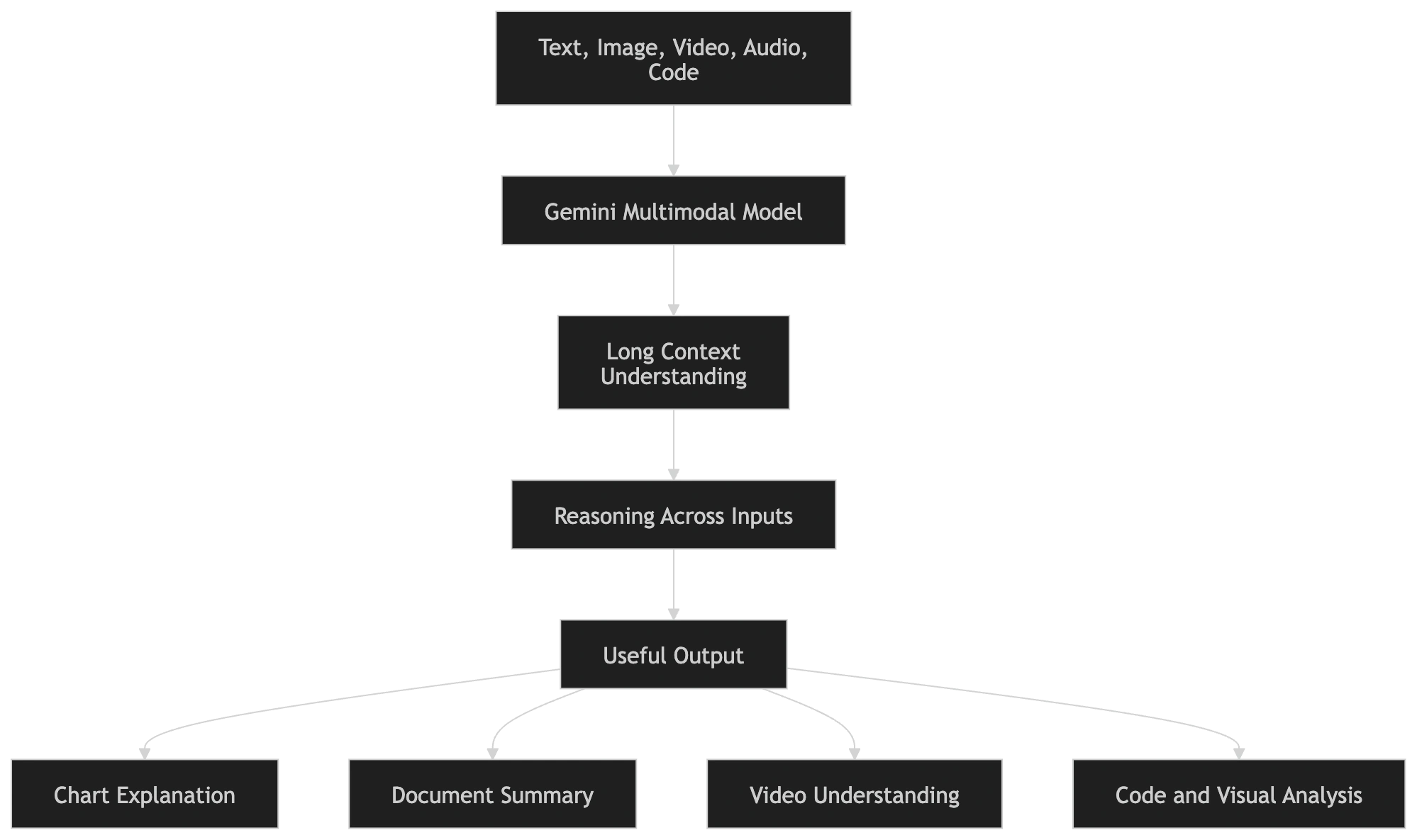
Google’s Gemini family, particularly the 1.5 Pro and Flash variants, distinguishes itself through its massive context window. Gemini is capable of processing not just single images, but entire hours of video and documents spanning thousands of pages. This makes it an invaluable tool for legal and academic research, where it can “read” through a stack of scanned historical manuscripts or analyze a 60-minute recorded seminar to extract specific data points. Google’s deep integration with its workspace ecosystem further positions Gemini as a leading tool for enterprise-level data synthesis.
Claude Vision: Precision and Document Analysis
Anthropic’s Claude 3 and 3.5 models have carved out a niche centered on high-fidelity document understanding and logical transparency. Claude Vision is noted for its exceptional performance in reading complex charts, architectural blueprints, and dense financial tables. In comparative testing, Claude often excels in tasks requiring the extraction of structured data from unstructured visual formats, such as converting a photo of a handwritten ledger into a clean JSON format or an Excel spreadsheet.
Qwen-VL: The Power of Specialized Understanding
Developed by Alibaba Cloud, the Qwen-VL series (including the recent Qwen2.5-VL) has gained traction for its specialized capabilities in Optical Character Recognition (OCR) and object grounding. Qwen-VL is particularly adept at “localization”—the ability to not only describe an object but to provide the exact coordinates of that object within an image. This precision is critical for automated industrial inspections and the development of multimodal agents that must interact with specific UI elements on a computer screen.
Technical Benchmarks and Performance Metrics
The efficacy of these models is no longer measured solely by simple accuracy scores. The industry has adopted complex benchmarks such as MMMU (Massive Multi-discipline Multimodal Understanding) and MathVista to evaluate how well these systems can perform university-level tasks that require both visual perception and mathematical reasoning.
Data from recent evaluations indicate that top-tier VLMs are now approaching human-parity in certain visual reasoning tasks. For instance, in the “ChartQA” benchmark, which requires models to answer questions based on complex data visualizations, models like GPT-4o and Claude 3.5 Sonnet have demonstrated the ability to outperform the average human respondent in speed and data extraction accuracy. This capability is driven by the scaling of “visual tokens”—the smaller segments an image is broken into—allowing the models to zoom in on minute details that might be overlooked by the human eye.
Impact Across Key Sectors
The practical implications of VLM deployment are vast, touching nearly every sector of the global economy:
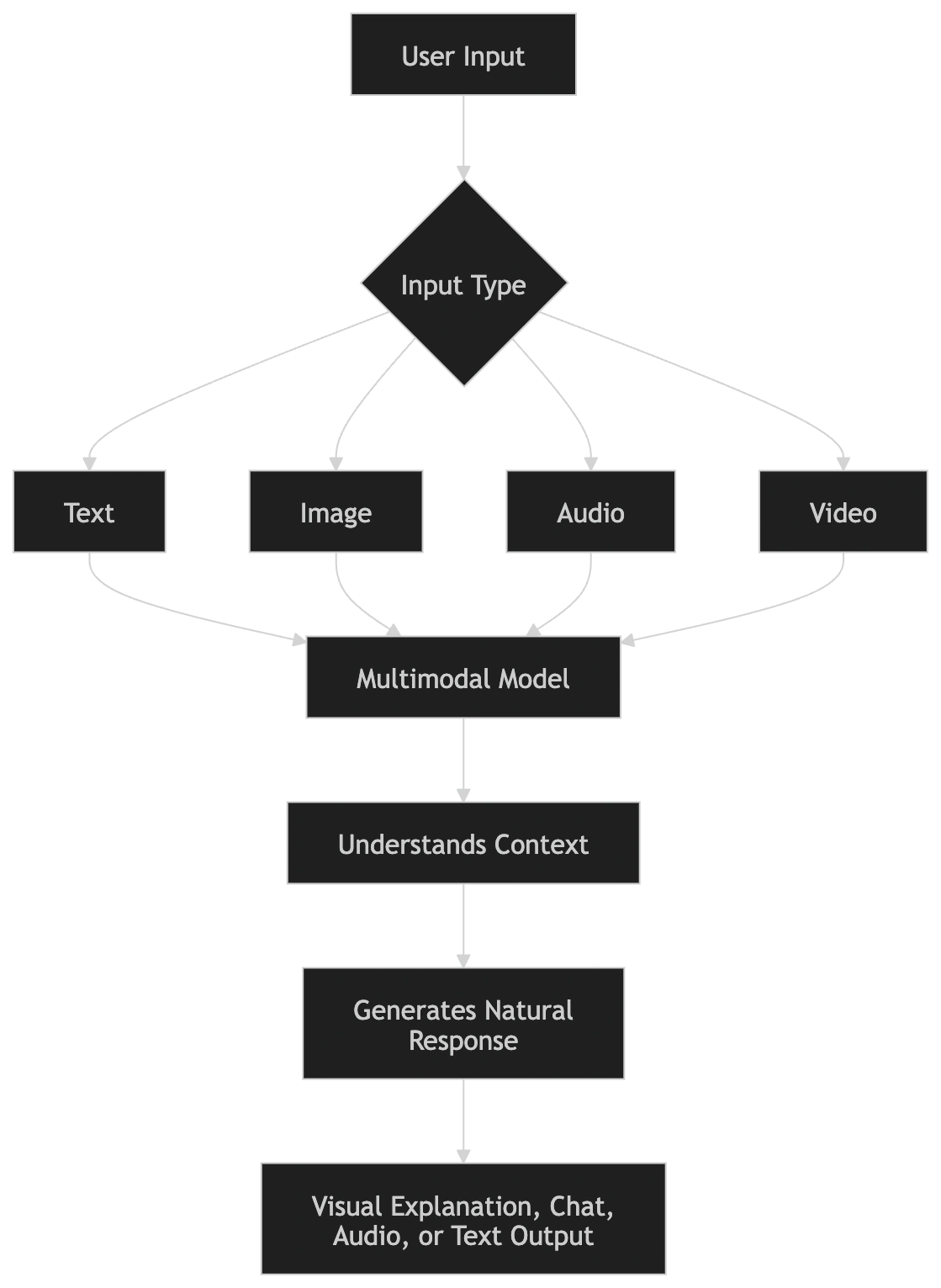
- Healthcare: VLMs are being integrated into diagnostic workflows to assist radiologists. By analyzing X-rays, MRIs, and CT scans alongside a patient’s medical history, these models can flag anomalies for human review, potentially reducing the rate of diagnostic errors.
- Education: In the classroom, VLMs serve as advanced tutors. A student can upload a photo of a complex physics problem or a chemical reaction, and the model can provide a step-by-step explanation of the visual components, fostering a more interactive learning environment.
- Accessibility: Perhaps the most profound impact is in the field of assistive technology. For the visually impaired, VLMs can provide real-time narration of their surroundings, read labels on medication bottles, or describe the emotional context of a social gathering, significantly enhancing independence.
- E-commerce and Automation: Retailers are using VLMs to automate product tagging and improve visual search. Meanwhile, in manufacturing, these models power “visual inspection” systems on assembly lines, identifying defects in products at speeds impossible for human workers to maintain.
Current Limitations and Ethical Considerations
Despite their rapid advancement, VLMs are not without significant challenges. One of the primary concerns remains “hallucination”—a phenomenon where a model confidently asserts the presence of a visual element that does not exist. In high-stakes environments like legal discovery or medical diagnosis, these errors can have severe consequences.
Furthermore, the “black box” nature of these models poses a challenge for interpretability. It is often difficult for developers to determine exactly why a model reached a specific visual conclusion. This lack of transparency has led to calls from regulatory bodies, including the European Union through the AI Act, for greater “explainability” in multimodal systems.
Technical constraints also include the immense computational power required to process high-resolution images and video. The environmental and financial costs of running these models at scale remain a barrier for smaller enterprises, leading to a growing interest in “Small Vision Models” (SVMs) that offer specialized performance with a lower carbon footprint.
Future Outlook: Toward Autonomous Visual Agents
Industry analysts predict that the next phase of VLM evolution will involve the transition from “passive observers” to “active agents.” Future iterations of these models will not just analyze images but will use visual feedback to operate software, navigate physical environments via robotics, and perform complex multi-step tasks without human intervention.
As the line between textual and visual intelligence continues to blur, the integration of Vision Language Models into daily life appears inevitable. The ability of AI to interpret the visual world in context marks the end of the era of “blind” algorithms and the beginning of a new age of embodied intelligence. While the technology is still maturing, the foundational shift from simple image recognition to profound visual reasoning has already redefined the boundaries of what is possible in the field of artificial intelligence.