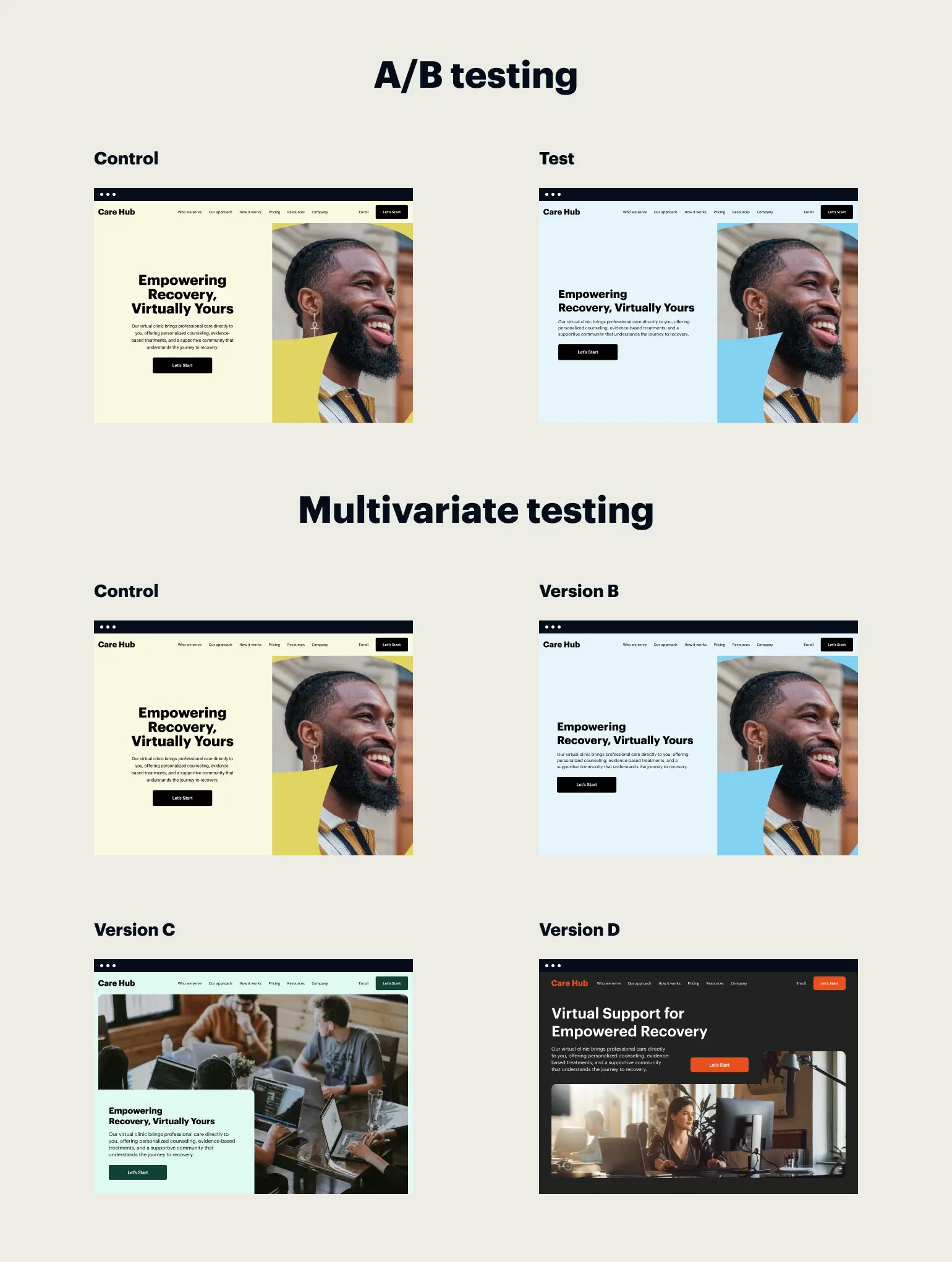
In the high-stakes environment of contemporary digital commerce, the margin for error in user experience (UX) and conversion rate optimization (CRO) has narrowed to nearly zero. Marketing professionals and web developers are increasingly moving away from intuition-led design toward rigorous, data-driven experimentation. Central to this shift are two primary methodologies: A/B testing and Multivariate Testing (MVT). While both serve the ultimate goal of improving performance metrics, they differ fundamentally in scope, technical requirements, and the depth of insight they provide regarding user behavior.

The Landscape of Digital Optimization
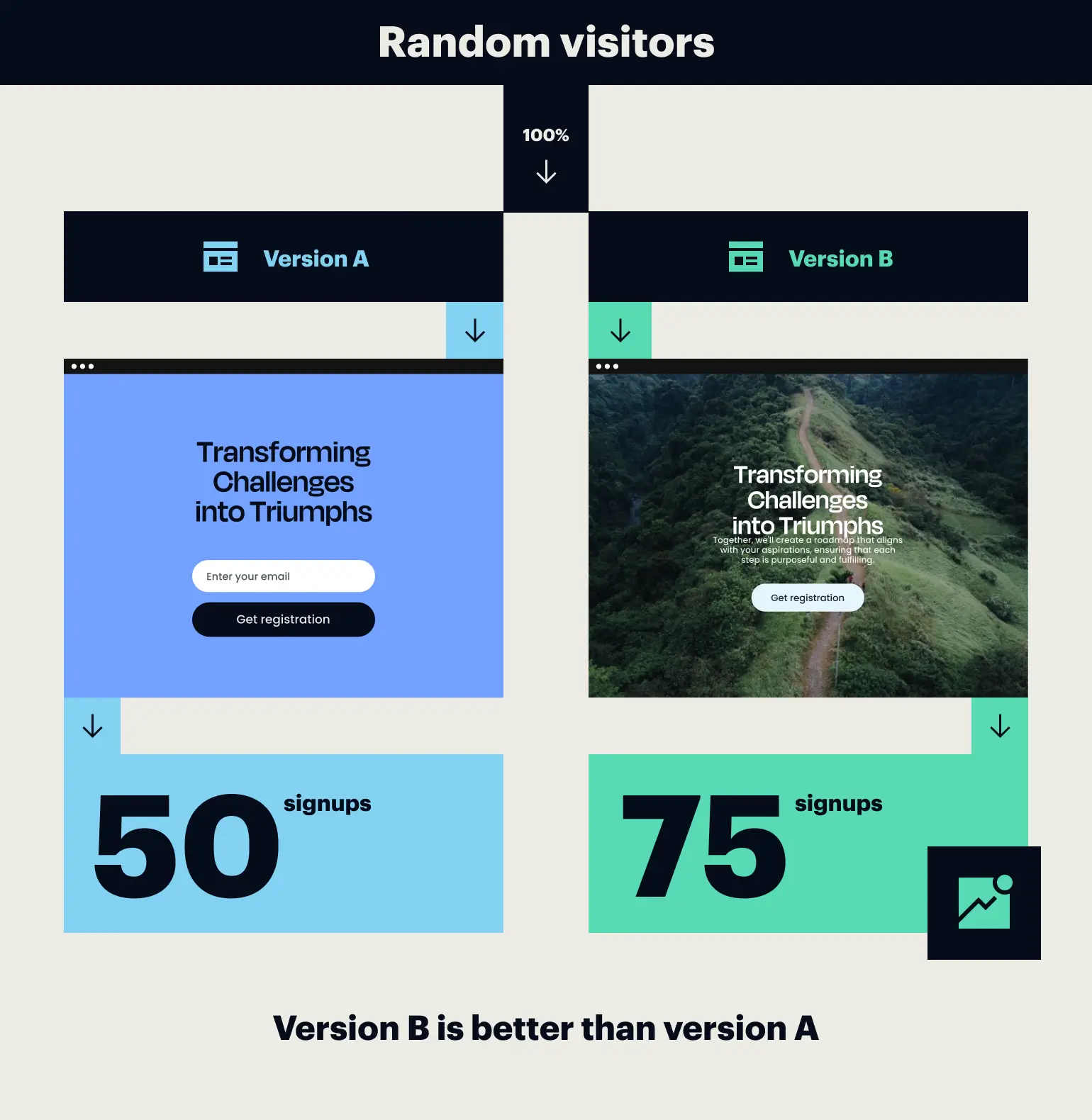
The necessity of testing stems from the unpredictable nature of consumer interaction. A single change in a headline or the placement of a Call-to-Action (CTA) button can result in significant fluctuations in revenue. Historically, digital marketing relied on “best practices,” but as the digital space became more crowded, the need for empirical evidence became paramount. This gave rise to split testing, or A/B testing, which allows marketers to compare two distinct versions of a page to see which performs better. However, as web pages grew more complex—incorporating dynamic content, multiple interactive elements, and varied visual hierarchies—the limitations of simple A/B testing became apparent. This paved the way for Multivariate Testing, an advanced optimization approach designed to evaluate how different page elements interact with one another.
Defining Multivariate Testing (MVT) and Its Strategic Goals
Multivariate testing is a technique that tests multiple variables simultaneously to understand how their combination influences user behavior. Unlike A/B testing, which typically modifies one element at a time, MVT involves modifying several variables—such as headlines, hero images, web forms, and CTA styles—and creating a matrix of all possible combinations.
The primary goal of MVT is to identify the “winning combination” of elements that maximizes a specific KPI, such as click-through rate (CTR) or total conversions. Beyond simply finding a winner, MVT provides a sophisticated understanding of “interaction effects.” For example, a specific headline might perform poorly on its own, but when paired with a specific image, it might outperform all other variations. Identifying these synergies is the unique value proposition of multivariate experiments.
The Technical Framework: The Multivariate Formula
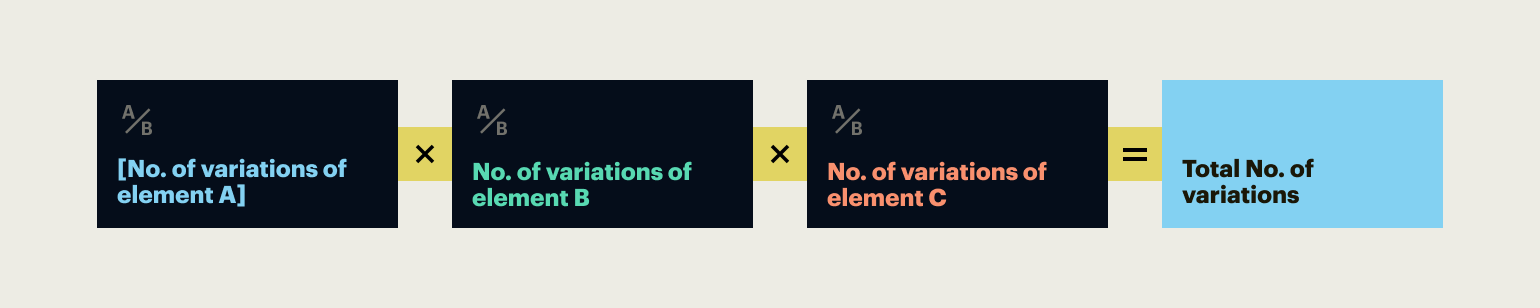
The complexity of a multivariate test is determined by the number of variables and the number of variations for each variable. The total number of combinations to be tested is calculated using a simple multiplicative formula:
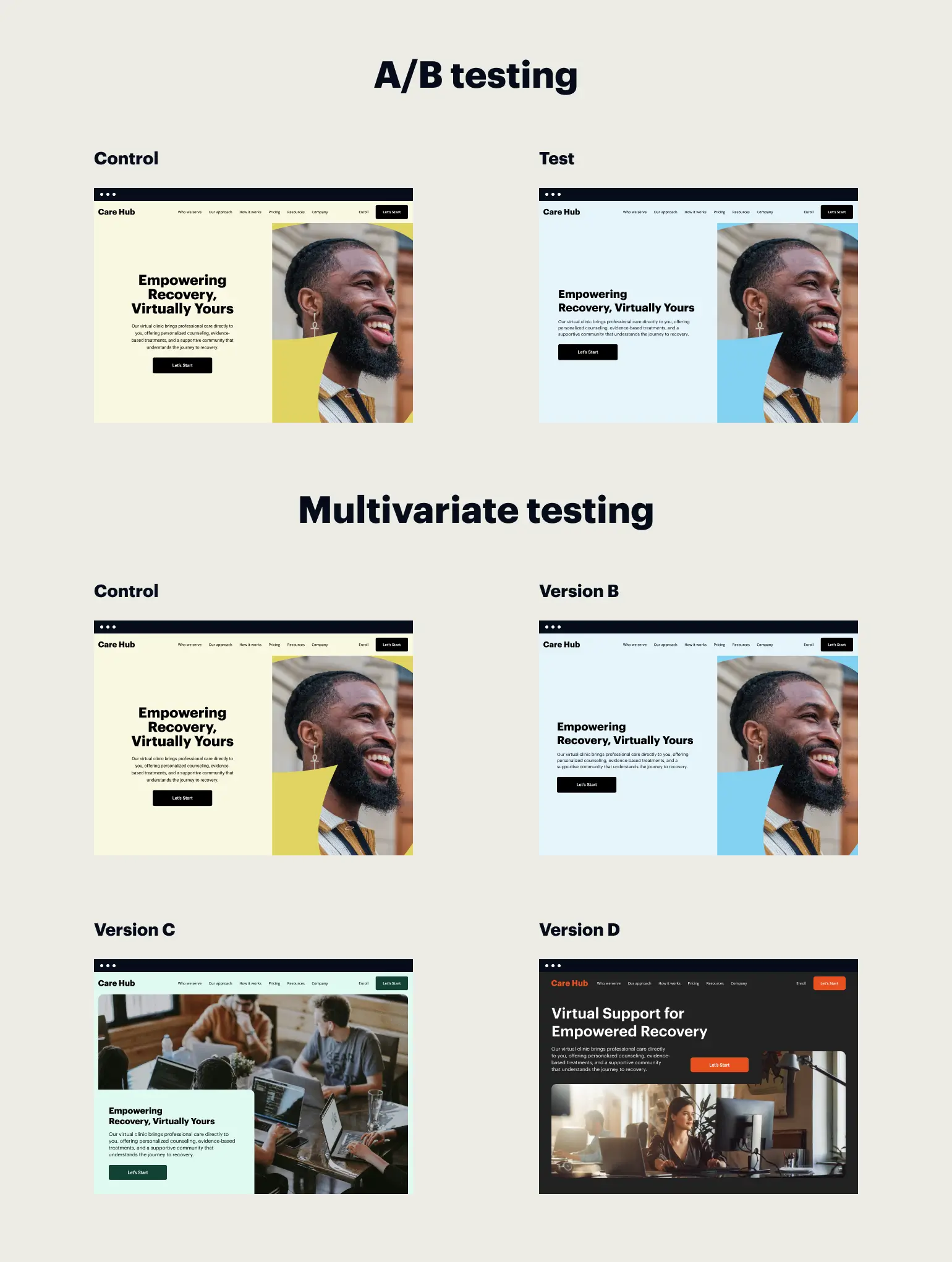
[Number of Variations of Element A] × [Number of Variations of Element B] × [Number of Variations of Element C] = Total Combinations.
For instance, if a marketer decides to test three different headlines and two different lead images, the experiment requires six distinct page versions. If they add a third variable, such as two different CTA button colors, the total number of combinations jumps to twelve (3 x 2 x 2). This exponential growth in combinations is often referred to as “combinatorial explosion,” which directly impacts the amount of traffic required to achieve statistical significance.

Methodologies in Multivariate Testing
Marketers typically employ one of three primary methods when conducting multivariate experiments:
- Full Factorial Testing: This is the most comprehensive and accurate method. It involves testing every possible combination of variables. While it provides the most granular data on element interactions, it requires massive amounts of traffic to ensure that each variation receives enough visitors to produce reliable results.
- Fractional Factorial Testing: In this approach, only a subset of all possible combinations is tested. This method uses mathematical models to predict the performance of the untested combinations based on the results of the tested ones. It is less resource-intensive than full factorial testing but carries a higher risk of missing subtle interaction effects.
- Taguchi Method: Originally developed for manufacturing, this method is rarely used in modern digital marketing but remains a theoretical option. It involves highly structured arrays to reduce the number of tests required, though it is often considered too rigid for the fluid nature of web traffic.
Comparative Analysis: MVT vs. A/B Testing
Choosing between A/B testing and MVT requires a careful assessment of resources, traffic, and objectives.
Experiment Complexity and Speed
A/B testing is characterized by its simplicity. It is faster to set up and provides quicker results because the traffic is only split between two or three versions. In contrast, MVT is highly complex, requiring sophisticated planning and a longer duration to gather sufficient data across numerous variations.
Interaction Effects and Insights
The most significant drawback of A/B testing is its inability to measure interactions. If an A/B test shows that Headline B is better than Headline A, it does not tell the marketer if Headline B would still be the winner if the page layout changed. MVT solves this by providing a comprehensive map of how elements work together, offering deeper insights into user psychology.

Resource and Traffic Requirements
MVT is resource-intensive. It requires more design assets, more development time, and, most crucially, a much larger sample size. For high-traffic websites (such as major e-commerce platforms), MVT is a powerful tool. For smaller businesses or startups with limited traffic, A/B testing remains the more practical and statistically sound choice.
Case Studies in Performance Optimization
AliveCor: Enhancing Product Visibility
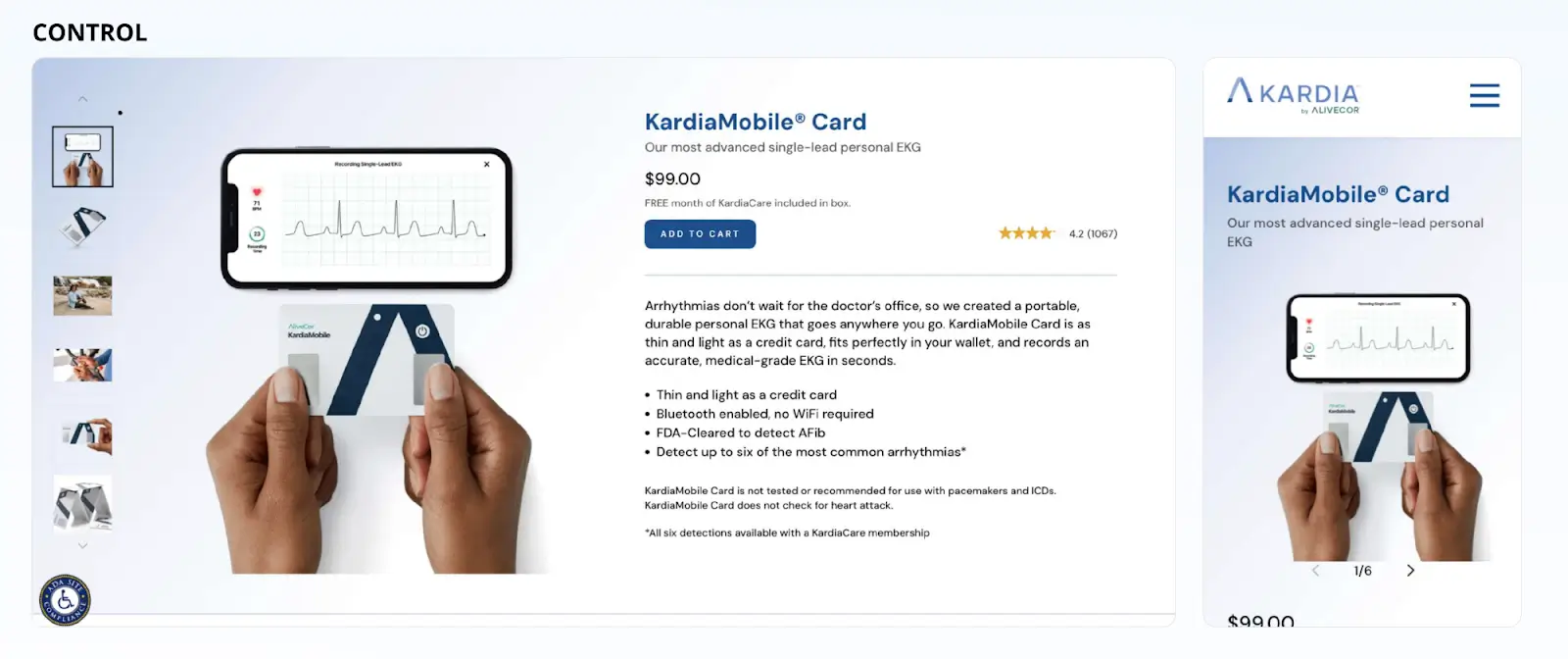
AliveCor, a medical device company, sought to introduce its KardiaMobile Card without cannibalizing the sales of its existing products. The team hypothesized that adding a “New” badge to the product listing and detail pages would increase engagement. By running tests across desktop and mobile, they compared the control version (no badge) against variations with different badge sizes and placements. The results were definitive: the addition of the “New” badge led to a 25.17% increase in conversion rates and a nearly 30% increase in revenue per user. This experiment demonstrated how even a small visual cue, when validated through testing, can have a massive financial impact.

Groove: The Power of Narrative-Driven Layouts
Groove, a customer support platform, faced a plateau in their landing page conversions, which sat at 2.3%. They decided to move away from a feature-heavy design toward a “copy-first” approach that focused on user benefits. Through extensive testing of headlines, narratives, and page lengths, they revamped their entire layout. The experiment resulted in a conversion rate jump to 4.3%, nearly doubling their efficiency. This case highlights that testing is not just for small elements but can be used to validate fundamental shifts in brand messaging and design philosophy.
Practical Implementation: The Workflow of Experimentation
To successfully implement these tests, organizations often turn to platforms like Instapage, which streamline the technical aspects of the process. The standard workflow for an experiment generally follows five steps:
- Hypothesis Formation: Define what you want to change and what result you expect (e.g., “Changing the CTA from ‘Submit’ to ‘Get My Guide’ will increase clicks by 10%”).
- Experiment Creation: Use a testing tool to name the experiment and select the target landing page.
- Variation Design: Create the different versions of the page, ensuring that only the intended variables are modified.
- Traffic Split: Determine how the audience will be divided. In A/B testing, this is usually a 50/50 split; in MVT, the traffic is distributed across all combinations.
- Data Analysis: Once the test reaches statistical significance, analyze the results to identify the winner and implement the changes permanently.
Broader Impact and Future Implications
The shift toward multivariate and A/B testing represents a broader movement toward “evidence-based marketing.” As Artificial Intelligence (AI) and Machine Learning (ML) continue to integrate with CRO tools, the future of testing likely lies in automated, real-time optimization. AI-driven platforms can now run “multi-armed bandit” tests, where traffic is automatically diverted toward winning variations in real-time, minimizing the “loss” associated with showing users underperforming pages during a test.
Furthermore, the rise of personalization means that the “winning” version of a page may no longer be a single version for everyone. Multivariate testing provides the foundational data needed to create personalized experiences, where different combinations of elements are shown to different user segments based on their demographics or past behavior.

In conclusion, while A/B testing remains the foundational tool for quick, iterative improvements, Multivariate Testing offers the depth required for complex, high-traffic environments. By understanding the interaction between headlines, images, and CTAs, marketers can move beyond superficial changes and craft highly optimized user journeys that drive sustained business growth. The choice of methodology ultimately depends on the scale of the website and the specific questions the marketing team needs to answer, but the mandate remains the same: test everything, assume nothing.