The digital marketing landscape is undergoing a profound transformation, driven by the rapid evolution of artificial intelligence and its integration into search mechanisms. No longer are users solely presented with a list of “blue links” to click through; instead, generative AI models are increasingly providing direct, synthesized answers within what are now termed “answer engines.” This fundamental shift necessitates a new approach to digital visibility, giving rise to Answer Engine Optimization (AEO) as a critical discipline for brands aiming to maintain relevance and influence in the modern internet.
The Shifting Sands of Consumer Discovery: From Links to Answers
For decades, Search Engine Optimization (SEO) focused on ranking websites high in traditional search results. However, the advent of sophisticated AI models has dramatically altered consumer behavior. According to a compelling report by McKinsey, a significant 50% of consumers now routinely utilize these burgeoning answer engines, with an even higher proportion—over 70%—relying on them to pose questions and gather information. This data underscores a pivotal trend: a growing segment of the consumer journey, particularly the crucial discovery phase, is now unfolding within AI environments, often before users ever navigate to a brand’s official website. This pre-click influence represents a new frontier for brand engagement, demanding a proactive strategy to ensure visibility and accurate representation. The shift is not merely an incremental change; it is a fundamental re-architecture of how information is accessed and consumed, compelling brands to adapt or risk becoming invisible in these early, influential stages of decision-making.

The timeline of this shift has been remarkably swift. While conversational AI has been evolving for years, the public release of models like ChatGPT in late 2022 catalyzed a mainstream understanding and adoption of generative AI. This was quickly followed by major search providers integrating AI capabilities, such as Google’s experimental Search Generative Experience (SGE), Microsoft’s Copilot (integrating OpenAI’s models into Bing), and the rise of AI-native search engines like Perplexity AI. This rapid integration has created an urgent need for brands to understand and optimize for these new interaction points. Industry analysts widely predict that the percentage of consumers relying on AI for initial information gathering will continue to climb, potentially reaching 80-90% in the coming years, further solidifying AEO’s position as a core marketing discipline.
Understanding Answer Engine Optimization (AEO) in the AI Era
AEO is the strategic process of optimizing content and digital assets to ensure a brand is prominently, accurately, and favorably represented within AI-generated answers. Unlike traditional SEO, which primarily targets algorithms for ranking web pages, AEO focuses on influencing how AI models synthesize information and attribute sources. This involves a deeper understanding of natural language processing, entity recognition, and the contextual nuances that AI systems prioritize when generating responses. The goal is not just to be found, but to be cited as an authoritative source, to have key brand messages integrated into AI summaries, and to protect against misrepresentation. As Google continues to roll out its Search Generative Experience (SGE), and platforms like ChatGPT, Perplexity, Gemini, and Microsoft Copilot become primary information conduits, the stakes for AEO grow exponentially. Brands that master AEO can secure early-stage influence, build trust, and drive engagement in an increasingly AI-driven world. Without it, a brand risks being overlooked, misrepresented, or entirely absent from the digital conversations that matter most.
The imperative for AEO extends beyond mere visibility; it encompasses brand authority and trust. When an AI system cites a brand as a source, it confers a powerful endorsement, positioning that brand as an expert in its field. Conversely, a lack of presence or, worse, an inaccurate representation can erode trust and damage reputation. This new battleground for digital influence demands a proactive and sophisticated approach to content creation, technical optimization, and ongoing monitoring.
Navigating the AEO Landscape: Key Monitoring and Optimization Platforms
With AEO rapidly becoming a strategic imperative, marketers are seeking robust tools to monitor, measure, and enhance their brand’s performance within these new search paradigms. This has led to the emergence of specialized AI visibility platforms designed to provide actionable insights. Among the leading contenders in this evolving space are Profound and Bluefish AI, each offering distinct capabilities tailored to different organizational priorities. These platforms serve as crucial instruments for marketing teams, enabling them to understand their brand’s digital footprint in AI-driven search experiences. The choice between them often hinges on an organization’s primary AEO objectives: whether the focus is on aggressive growth and attribution or on meticulous brand safety and risk mitigation. This guide aims to dissect the offerings of Profound and Bluefish AI, detailing their features, highlighting their differences, and ultimately assisting marketers in determining which solution best aligns with their overarching AEO strategy.
Profound: Driving Proactive Growth and Attribution in AI Search
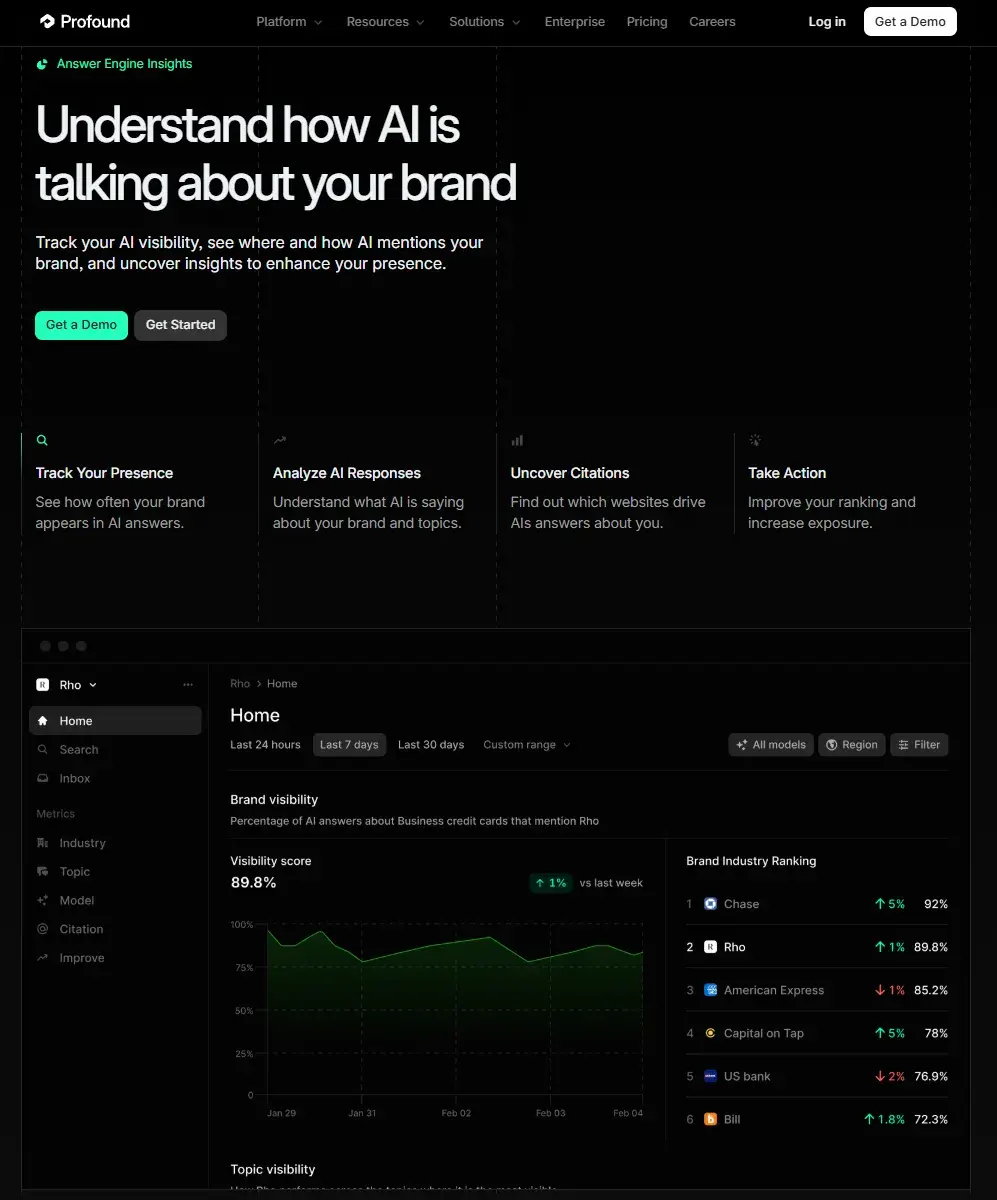
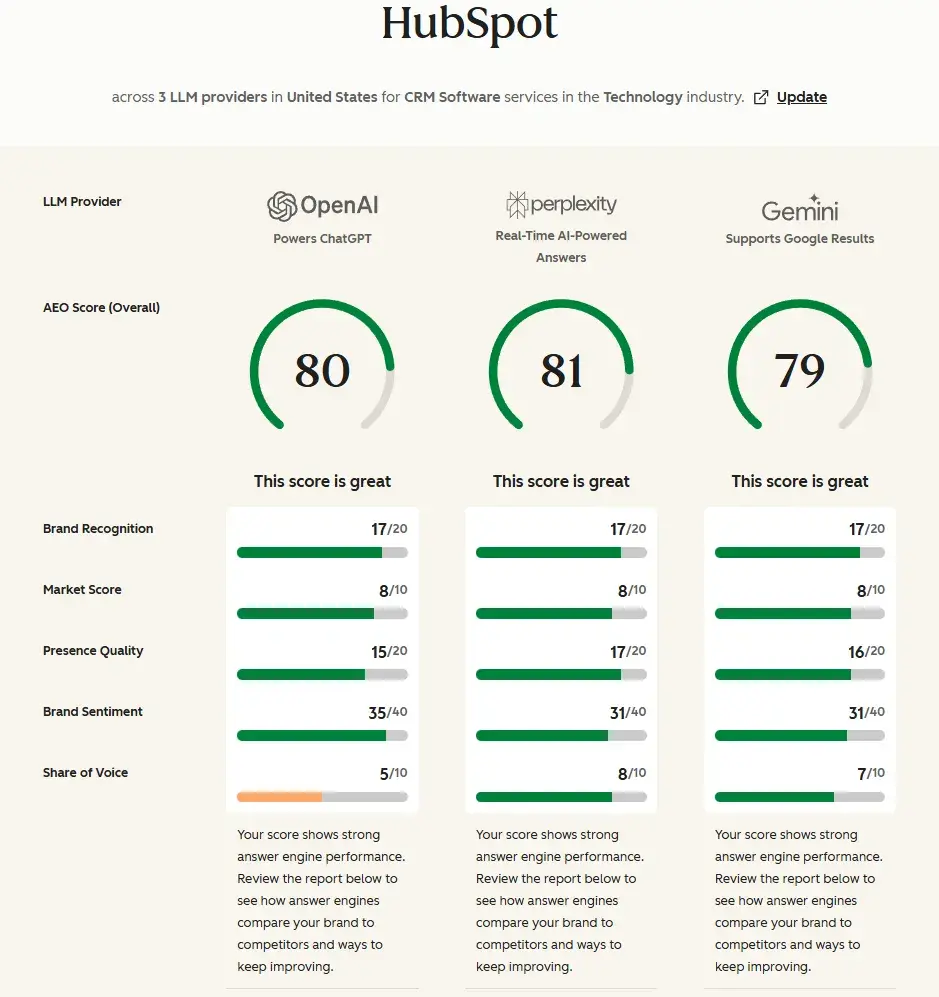
Profound positions itself as an enterprise-grade Answer Engine Optimization and AI search visibility platform, meticulously engineered to empower brands in understanding and actively improving their presence within AI-generated answers. At its operational core, Profound excels in comprehensive AI visibility tracking and sophisticated citation analysis. The platform diligently monitors how brands are referenced across a spectrum of major AI systems, meticulously tracking the originating citation sources, and surfacing granular, prompt-level insights. This allows marketing teams to pinpoint the exact contexts and reasons behind their brand’s appearance in AI responses, moving beyond mere mentions to understand the why and how.
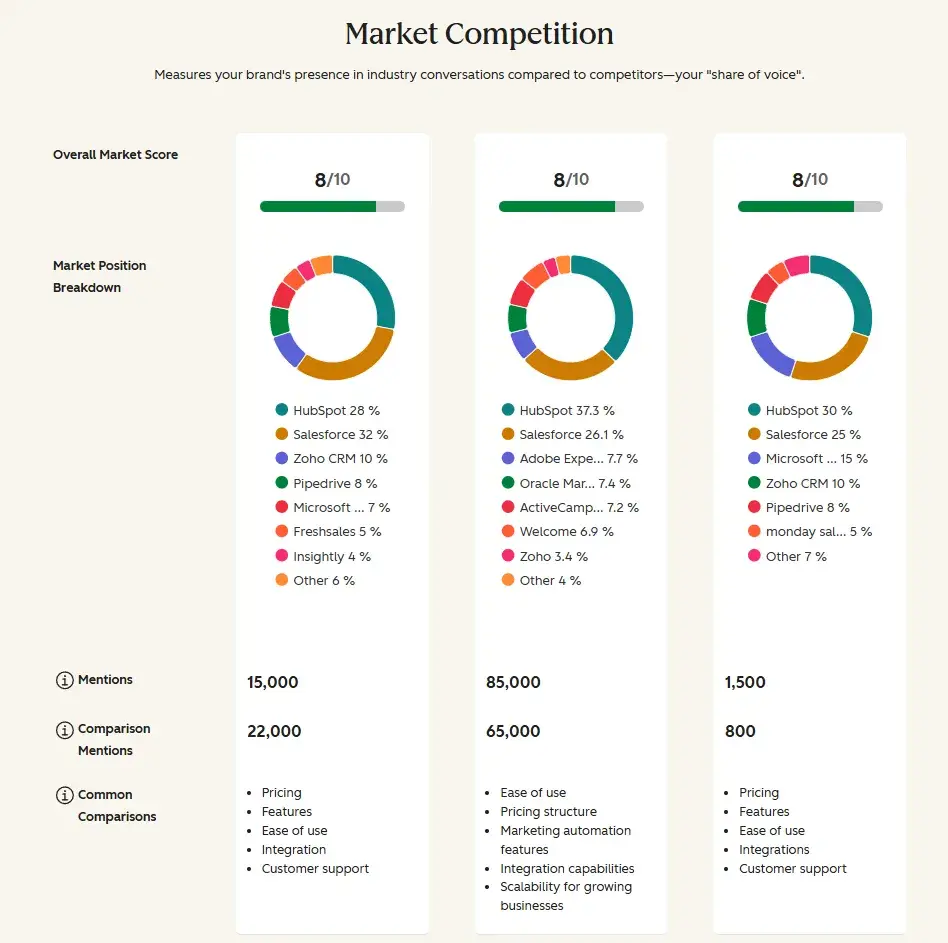
For marketing and SEO leadership, Profound’s value proposition is its unparalleled depth of data, enterprise-ready reporting capabilities, and seamless workflow integrations. It skillfully bridges the gap between abstract AI search visibility metrics and tangible, measurable business outcomes. This instrumental connection empowers teams to transition from passive monitoring to proactive, data-driven optimization strategies. For instance, Profound can reveal which specific content pieces are being cited for particular queries, allowing marketers to double down on successful content or identify gaps. It also provides competitive intelligence, showing how rival brands are being cited, which can inform content strategy and authority-building efforts. As AI answers increasingly supplant traditional “blue link” search results, platforms like Profound provide the foundational infrastructure necessary for brands to not only measure their presence but also to attribute, refine, and significantly enhance their standing within AI-driven search experiences, thereby treating AEO as a vital growth channel.
Bluefish AI: Safeguarding Brand Integrity and Mitigating Risk
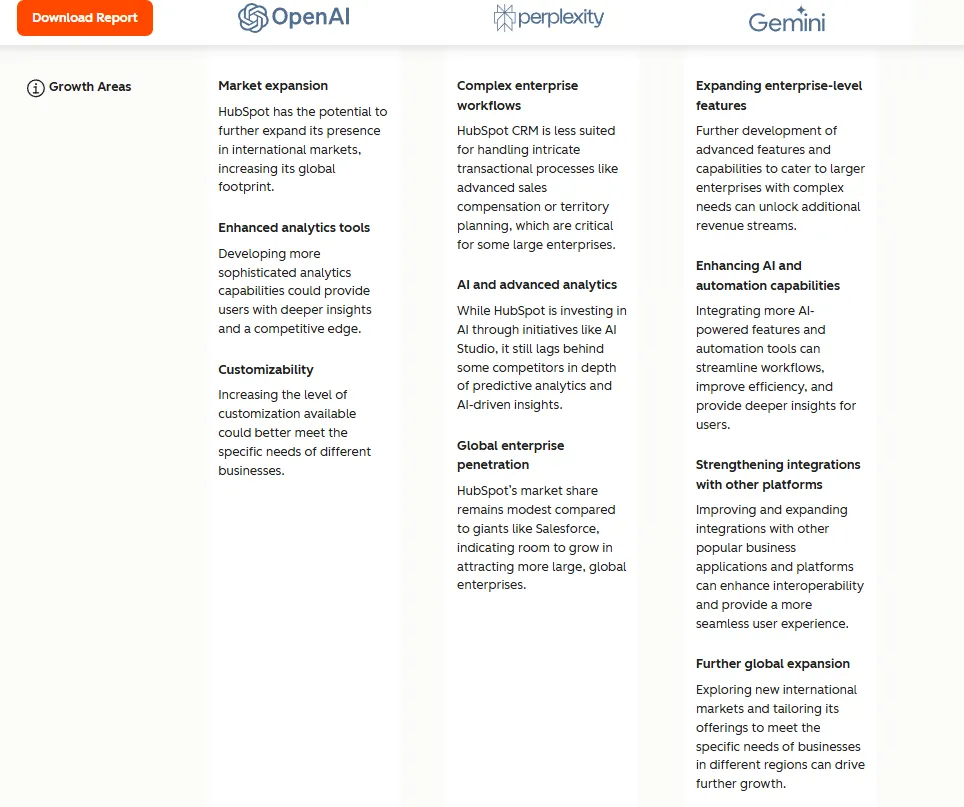
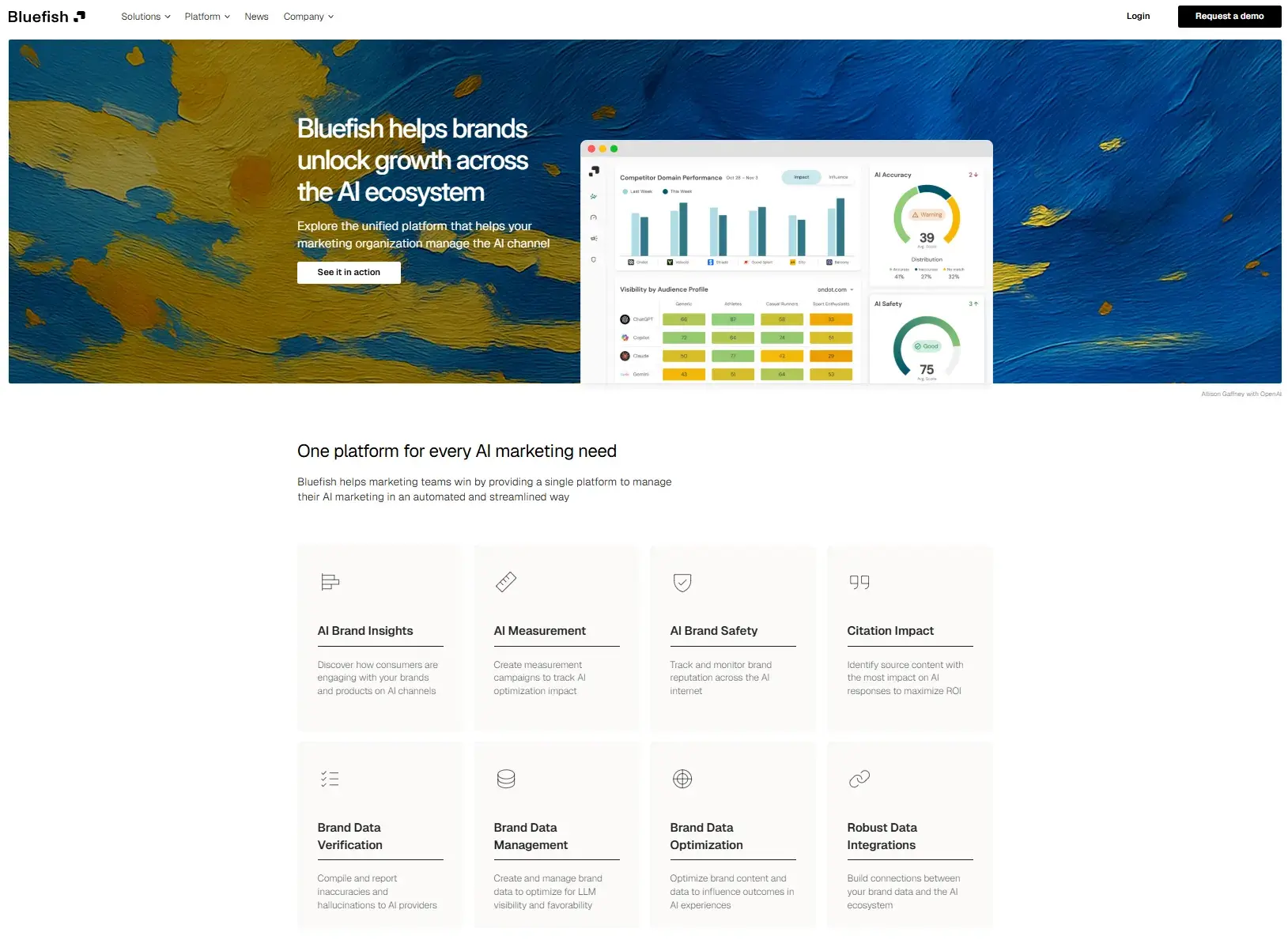
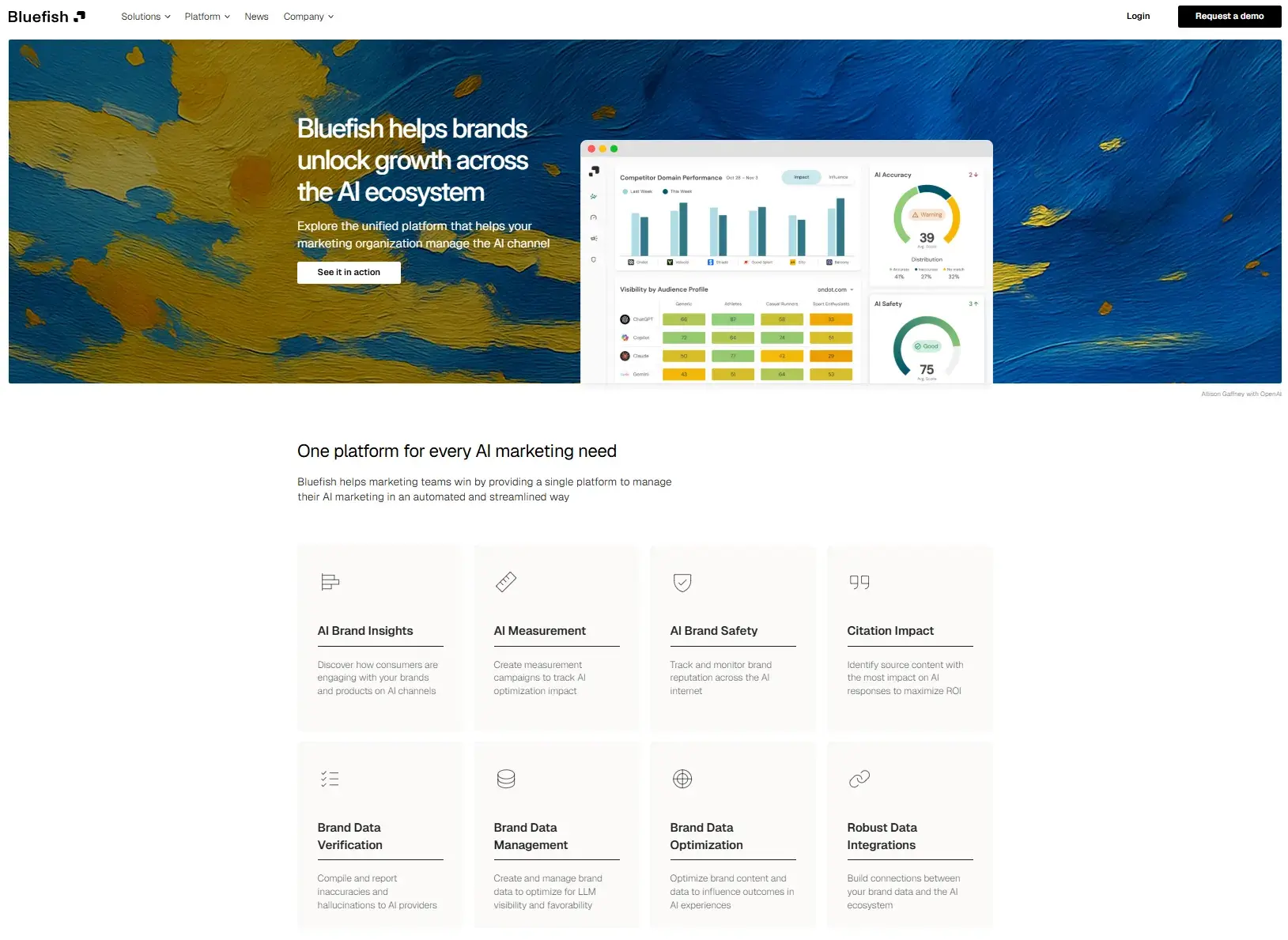
In contrast, Bluefish AI emerges as a specialized AI visibility and brand safety platform, specifically constructed to assist organizations in monitoring how their brand is referenced within AI-powered search and generative answers, all while placing a paramount emphasis on risk management and accuracy. Bluefish AI transcends basic visibility metrics, dedicating significant resources to the critical task of protecting brand integrity in the AI landscape. It proactively alerts teams when their brand is misrepresented, incorrectly associated with sensitive or harmful content within Search Generative Experiences (SGE), or appears in AI responses that could potentially expose the brand to significant reputational risk.
For industries characterized by high sensitivity to risk—such as healthcare, finance, legal services, and large-scale enterprise brands—Bluefish AI offers a uniquely valuable suite of context-rich insights, robust governance workflows, and advanced signal filtering. For example, it might flag an instance where a healthcare brand’s product is incorrectly described as a cure for a disease, or where a financial institution’s advice is linked to a scam. These capabilities are designed to help marketers maintain stringent control over how AI systems cite and present their proprietary content. A spokesperson for a leading risk management consultancy, commenting on the evolving digital environment, recently stated, “In an age where AI can disseminate information at lightning speed, a single misattribution or inaccurate claim can cause irreparable damage. Tools like Bluefish AI are becoming indispensable for proactive brand defense.” As AI-generated answers become an increasingly integral component of the customer journey, tools like Bluefish AI provide a differentiated perspective on visibility, one that expertly couples optimization efforts with rigorous oversight, ensuring teams can not only track their brand’s presence but also actively manage and mitigate any associated risks, thereby preserving brand trust and reputation in the evolving digital ecosystem.
A Comparative Analysis: Profound vs. Bluefish AI for AEO
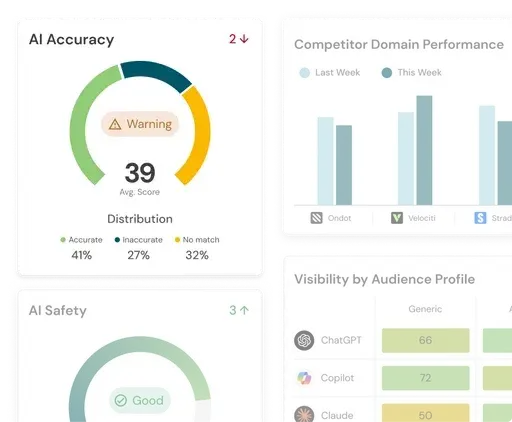
The decision between Profound and Bluefish AI for an organization’s AEO strategy hinges on a nuanced understanding of their core strengths and operational philosophies. While both platforms aim to enhance AI visibility, their primary focus areas, technological approaches, and target user benefits diverge significantly.
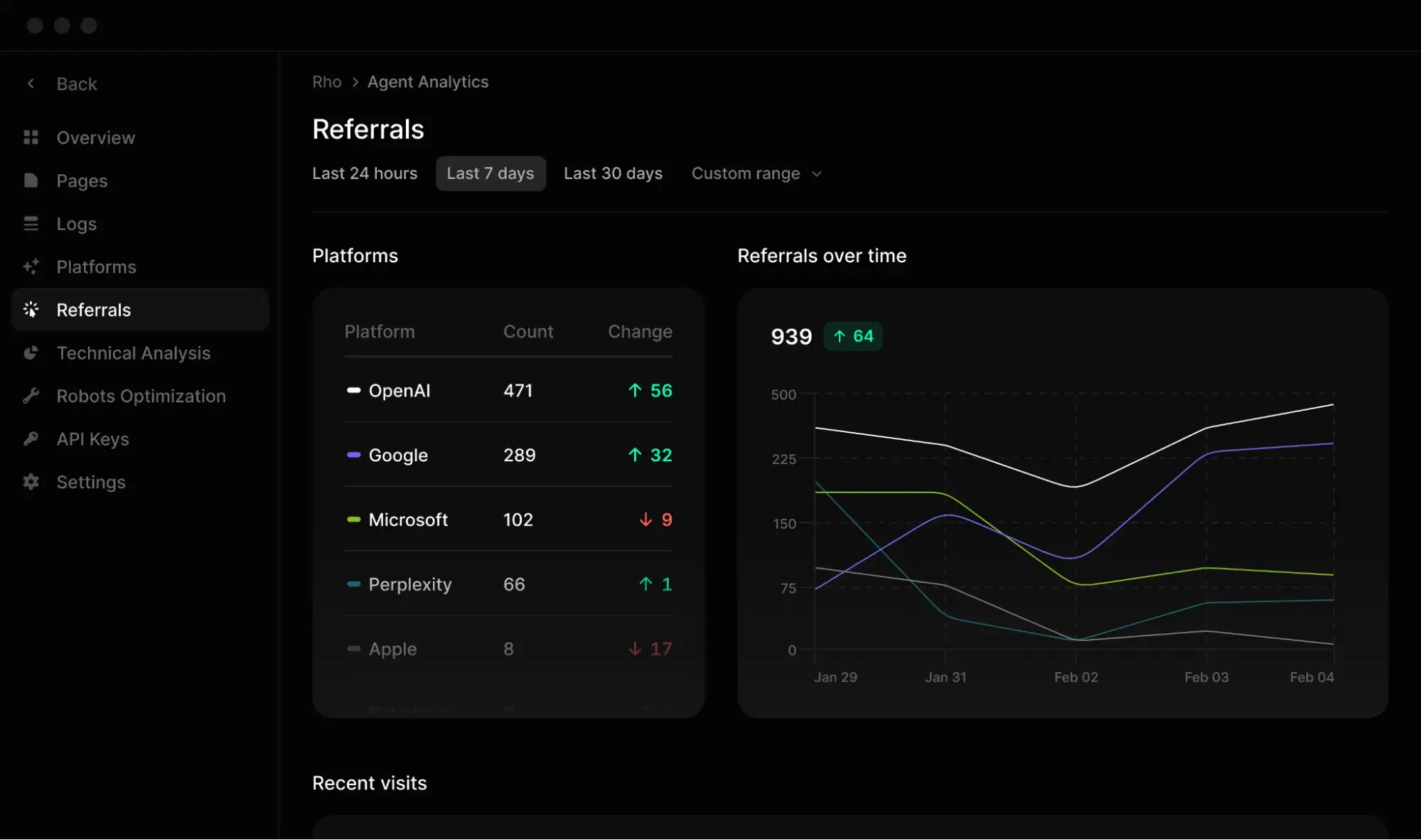
1. Supported AI Engines and Platform Coverage
Platform coverage is a critical factor for marketers investing in AEO, as consumers interact with various AI systems, from Google AI Overviews to ChatGPT, Perplexity, Gemini, and other emerging models. Incomplete data from a limited tracking scope can lead to flawed strategic decisions.
- How Bluefish AI Handles Platform Coverage: Bluefish AI adopts a focused approach, prioritizing the monitoring of brand representation across major generative AI platforms that exert significant influence on consumer research and, crucially, pose potential enterprise risk. Its coverage strategy emphasizes widely utilized AI engines where the risk of misinformation or brand misrepresentation is highest. Rather than striving for an exhaustive list of every experimental model, Bluefish centers its tracking around high-impact environments, providing alert-driven monitoring. This approach is particularly advantageous for organizations whose primary concern is safeguarding their brand’s presence within the most commercially relevant and impactful AI ecosystems, rather than tracking every nascent AI model.
- How Profound Handles Platform Coverage: Profound, conversely, embraces a broader, visibility-first methodology. It boasts extensive support for a wide array of AI models, including Google AI Overviews, ChatGPT (encompassing its search functionalities), Perplexity, Claude, Gemini, Microsoft Copilot, Grok, DeepSeek, and other emerging systems. Utilizing sophisticated front-end capture and prompt-level tracking, Profound empowers marketers to conduct comprehensive analysis of how responses manifest across multiple engines, compare citation order, and monitor competitive share of voice at an expansive scale. This makes Profound exceptionally well-suited for teams engaged in proactive, multi-engine AEO programs that require a holistic view of their brand’s presence.
- Who Wins?