The global ecommerce landscape is currently undergoing a transformative shift, moving away from traditional transactional models toward integrated, experiential, and data-driven growth marketing strategies. As digital storefronts become increasingly saturated, industry analysts note that standard marketing efforts—such as basic search engine optimization and standard social media advertising—are no longer sufficient to maintain market share. To achieve sustainable growth, enterprises are now required to adopt a “future-proof” methodology that prioritizes deep market analysis, cutting-edge technological infrastructure, and an unwavering focus on the long-term customer experience. This comprehensive approach is designed to improve customer lifetime value (CLV) while insulating businesses against the volatility of shifting consumer trends.
The Evolution of Digital Consumerism: A Chronological Context
The trajectory of ecommerce has evolved rapidly over the last two decades. In the early 2010s, the primary challenge for digital retailers was establishing trust and basic logistics. By the mid-2010s, the focus shifted toward mobile responsiveness as smartphone adoption skyrocketed. However, the most significant catalyst for change occurred during the 2020-2022 period, when global lockdowns accelerated ecommerce adoption by nearly a decade in a matter of months.
In the post-pandemic era, the market has entered a phase of stabilization where consumer expectations have reached an all-time high. Shoppers now demand more than just products; they seek ethical alignment, personalized interactions, and seamless transitions between digital and physical spaces. This chronology suggests that the next decade of growth will be defined by “hyper-personalization” and “conscious consumerism,” forcing brands to rethink their foundational marketing structures to remain relevant in a crowded marketplace.
Market Analysis and the Shift Toward Ethical Consumerism
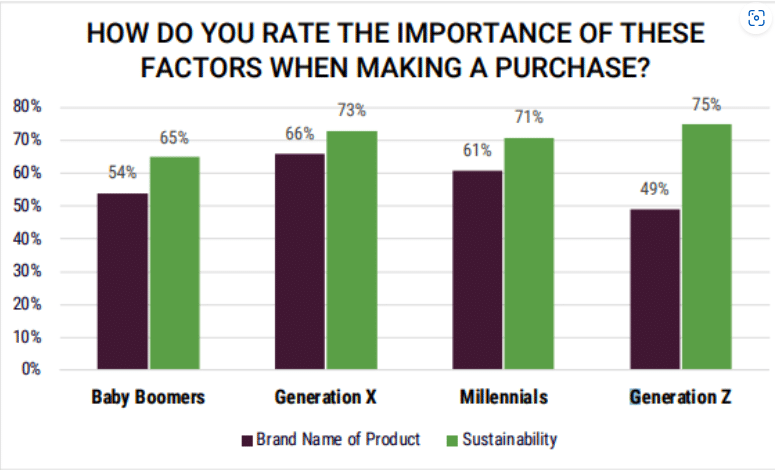
A robust growth marketing strategy begins with an exhaustive analysis of the target demographic. Recent data highlights a significant shift in purchasing behavior, particularly among younger cohorts. According to a study conducted by the World Economic Forum, approximately 75% of Generation Z consumers—those born between the mid-1990s and 2010—prioritize sustainability and ethical brand practices over name-brand recognition. This demographic is increasingly utilizing their purchasing power to support companies that demonstrate transparency in their supply chains and environmental responsibility.
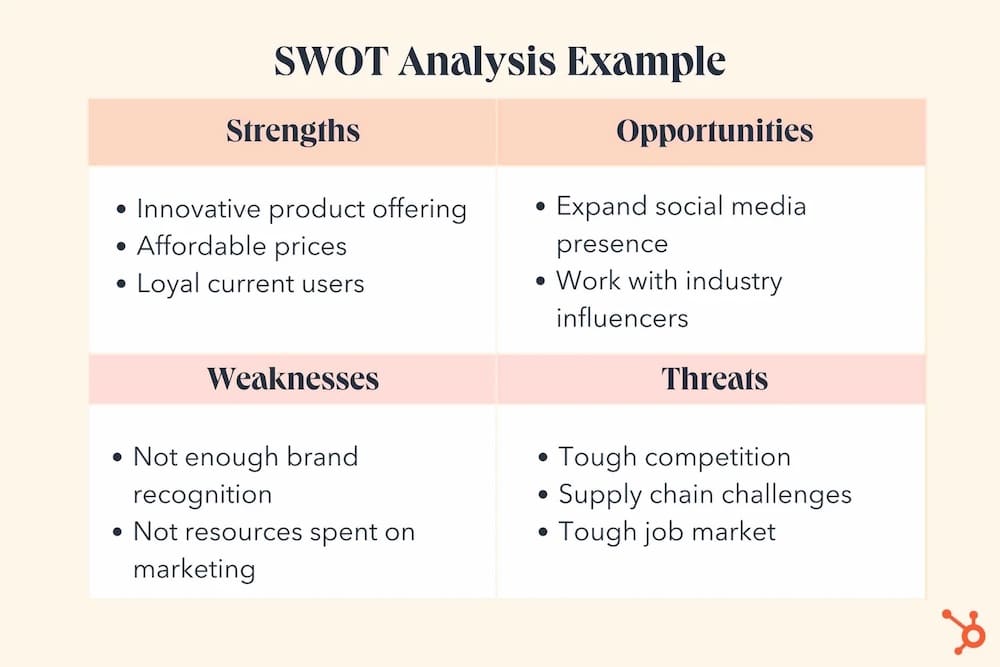
To capitalize on these insights, successful brands are moving beyond surface-level demographics (age, location, gender) to explore psychographics (values, interests, lifestyle). Market research firms such as Gartner and Forrester emphasize that understanding the “why” behind a purchase is now as critical as the “what.” By conducting thorough competitive analyses, including SWOT (Strengths, Weaknesses, Opportunities, Threats) assessments, businesses can identify market gaps. For example, Amazon’s historical dominance was fueled by identifying a gap in logistics speed, leading to the development of the Amazon Prime ecosystem. Modern brands must similarly identify unmet needs, such as superior return experiences or community-driven product development, to differentiate themselves.
Technological Infrastructure as a Growth Catalyst
Investing in scalable technology is the cornerstone of any future-proof strategy. As a business grows, its digital infrastructure must be able to handle increased traffic, complex data sets, and expanding inventory without compromising performance.
Scalable Ecommerce Platforms
Industry standards have consolidated around platforms like Shopify and Magento (Adobe Commerce). Shopify currently supports millions of merchants across 175 countries, providing a user-friendly but powerful interface that allows for rapid scaling. Conversely, Magento offers an open-source alternative for enterprises requiring deep customization and control over their technical stack. The choice of platform dictates a brand’s ability to integrate new features, such as augmented reality (AR) product previews or cryptocurrency payments, as they become mainstream.
Artificial Intelligence and Data Analytics
The integration of Artificial Intelligence (AI) and Machine Learning (ML) has moved from a luxury to a necessity. Stitch Fix, the online personal styling service, serves as a primary case study for this transition. By utilizing AI to analyze customer preferences, size profiles, and style feedback, the company has revolutionized the retail experience, moving from a “search and find” model to a “curate and deliver” model. This level of personalization is driven by data analytics platforms that allow marketers to predict future behavior rather than simply reacting to past actions. Tools like Google Analytics 4 (GA4) and behavioral analysis software like FigPii provide the granular data needed to refine the user journey in real-time.
The Mobile-First Imperative and Automation
The shift toward mobile commerce (m-commerce) is no longer a trend but a dominant reality. Data from Statista indicates that in the fourth quarter of 2023, smartphones accounted for approximately 78% of global retail site traffic. Furthermore, mobile devices were responsible for two-thirds of all online shopping orders. This data underscores the necessity of mobile optimization; a site that is not “thumb-friendly” or that suffers from slow load times on mobile networks is effectively invisible to a majority of the global market.
Parallel to mobile optimization is the implementation of automation to drive operational efficiency. Growth marketing requires a high volume of touchpoints that are impossible to manage manually at scale. Key areas for automation include:
- Customer Relationship Management (CRM): Automating lead scoring and customer segmentation.
- Email and SMS Marketing: Triggering personalized messages based on user behavior, such as cart abandonment or milestone celebrations.
- Inventory and Order Management: Reducing human error in the supply chain to ensure customer satisfaction.
- Chatbots and AI Support: Providing 24/7 assistance for common queries, thereby freeing human agents for complex problem-solving.
Omnichannel Integration: The Seamless Journey
The modern consumer journey is rarely linear. A shopper might discover a product on Instagram, research it on a desktop computer, and eventually make the purchase via a dedicated mobile app. An omnichannel marketing strategy ensures that the brand experience remains consistent across all these touchpoints.
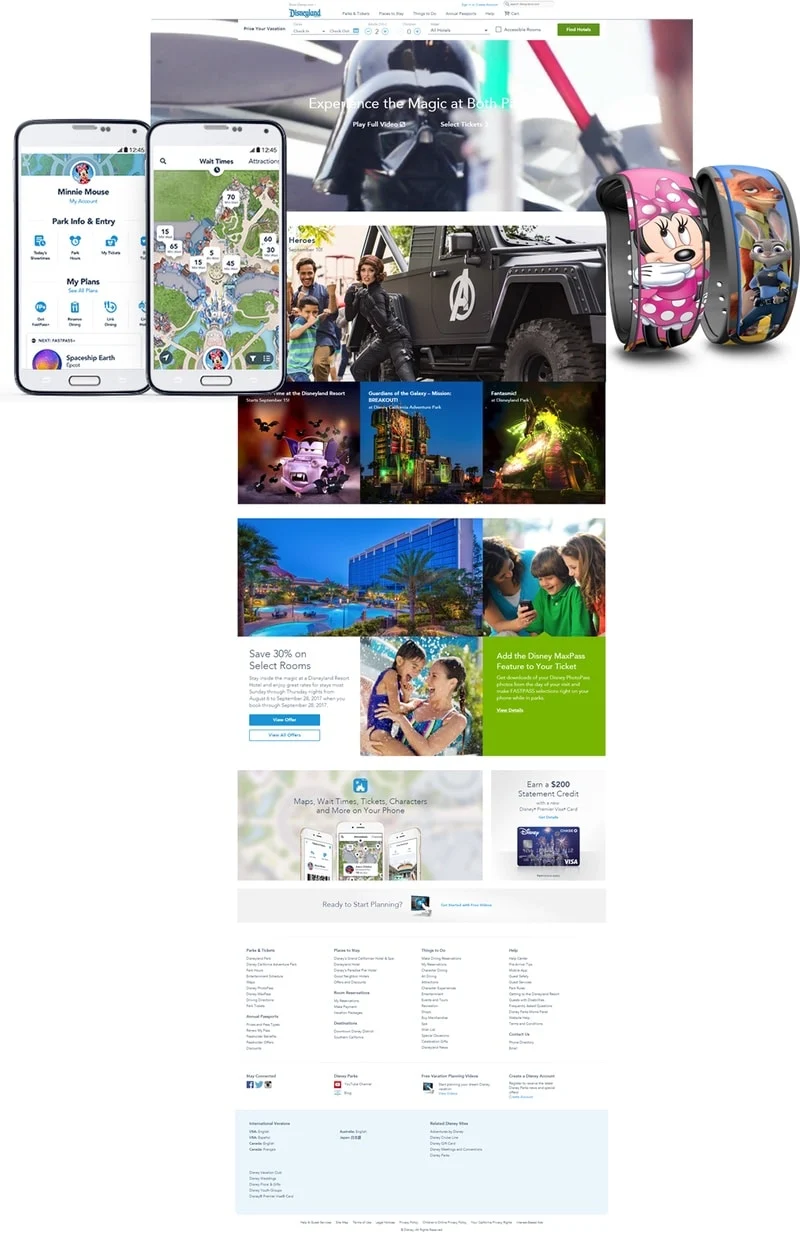
Research indicates that businesses with strong omnichannel engagement strategies retain an average of 89% of their customers, compared to a 33% retention rate for those with weak omnichannel integration. The Walt Disney Company is frequently cited as the gold standard in this regard. Their “My Disney Experience” app integrates ticket purchases, hotel bookings, restaurant reservations, and in-park GPS navigation, all synced to an RFID-enabled MagicBand. This ecosystem creates a frictionless experience that encourages deeper engagement and higher spending. For ecommerce brands, this means ensuring that social commerce, marketplaces (like Amazon or eBay), and direct-to-consumer (DTC) sites are synchronized in terms of messaging, inventory, and customer data.
Content Strategy and Brand Authority
In an era of information overload, high-quality, evergreen content serves as a long-term asset that generates leads and builds brand authority. Unlike “viral” content, which has a short shelf life, evergreen content—such as “how-to” guides, encyclopedic product knowledge, and deep-dive industry reports—remains relevant for years.
WikiHow is a prime example of the power of evergreen content. By providing comprehensive, step-by-step instructions on a vast array of topics, the platform maintains consistent traffic regardless of seasonal trends. For ecommerce brands, this translates to creating content that solves customer problems rather than just selling products. A company selling sustainable kitchenware, for instance, might produce evergreen guides on zero-waste cooking or the science of composting. This positions the brand as an industry thought leader, fostering trust that eventually leads to conversion.
Cultivating Loyalty and Performance Optimization
Acquiring a new customer is significantly more expensive than retaining an existing one. Statistics show that 73% of consumers cite a positive experience as a primary factor in their brand loyalty. To turn one-time buyers into brand advocates, growth marketers must focus on the “post-purchase” experience. This includes personalized loyalty programs, exclusive community access, and proactive customer service.

Finally, a future-proof strategy must be rooted in continuous performance analysis. This involves setting clear Key Performance Indicators (KPIs), such as:
- Conversion Rate (CR): The percentage of visitors who complete a desired action.
- Average Order Value (AOV): The average amount spent per transaction.
- Customer Acquisition Cost (CAC): The total cost of winning a new customer.
- Customer Lifetime Value (CLV): The total revenue a business can expect from a single customer account.
By utilizing A/B testing and heatmaps, marketers can visualize user friction points and make incremental improvements. This iterative process ensures that the growth strategy remains agile and responsive to the market’s ever-changing demands.
Broader Impact and Industry Implications
The transition toward these advanced growth marketing strategies has broader implications for the global economy. Small and medium-sized enterprises (SMEs) now have access to the same high-level tools—AI, global logistics, and sophisticated analytics—that were once reserved for multinational corporations. This democratization of technology is leveling the playing field, allowing niche brands to compete with industry giants by focusing on community and specific consumer values.
However, this shift also places a premium on data privacy and security. As brands collect more granular consumer insights to fuel their AI models, the risk of data breaches and the importance of ethical data usage become paramount. Moving forward, the most successful ecommerce entities will be those that balance high-tech personalization with a transparent, human-centric approach to business. By building a foundation on deep market insights, scalable infrastructure, and genuine customer loyalty, ecommerce businesses can navigate the complexities of the future marketplace with confidence and resilience.