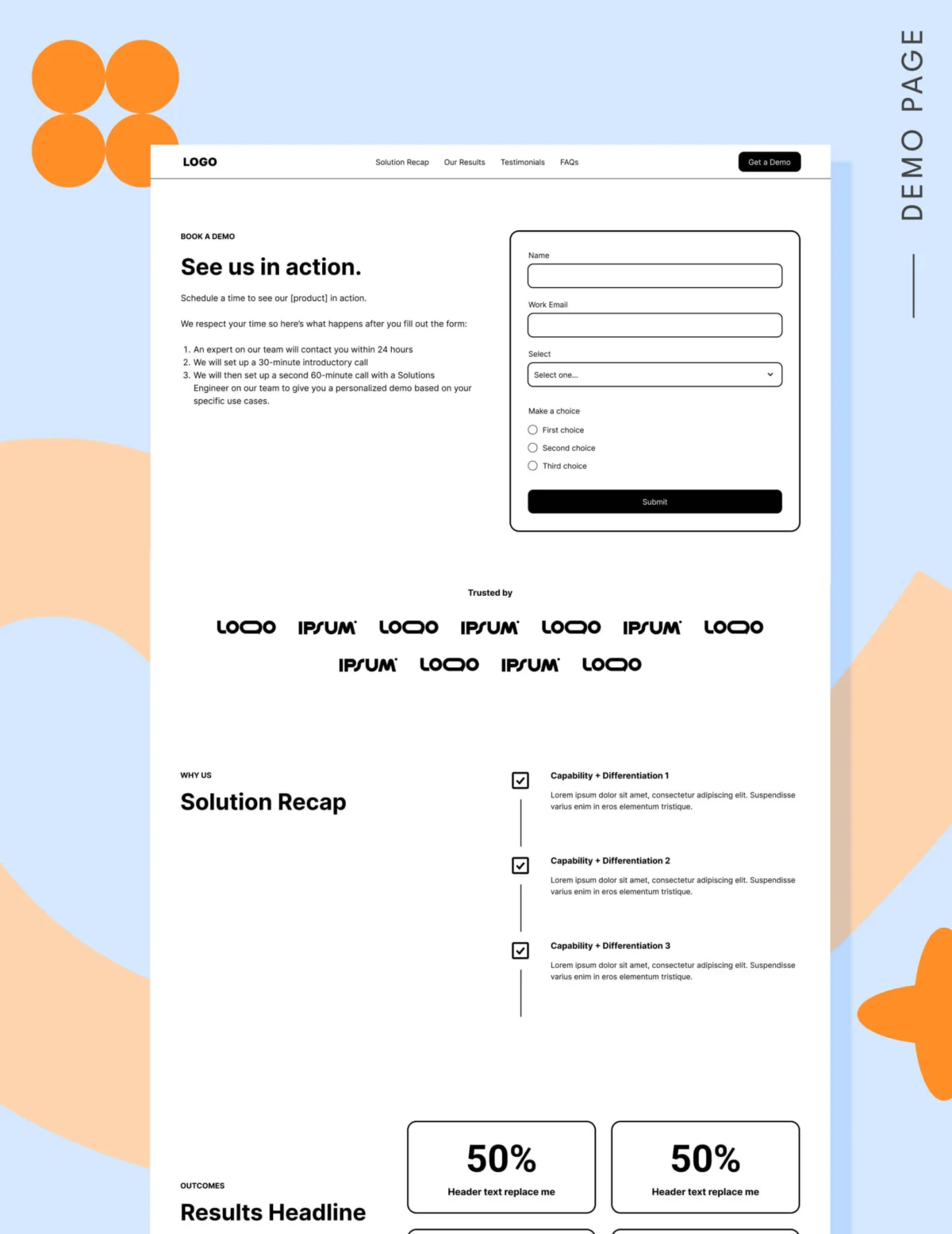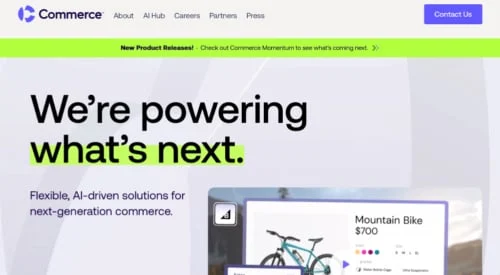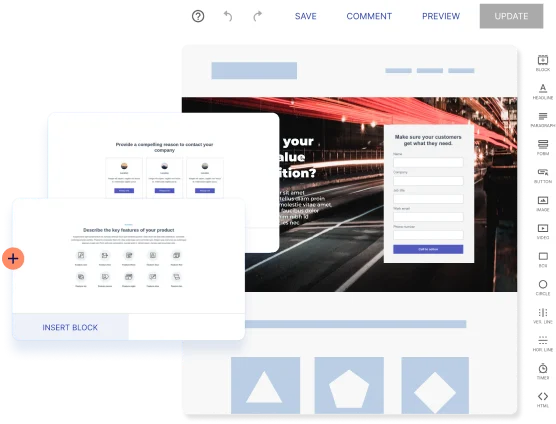
The global recruitment landscape is currently navigating a period of unprecedented digital competition, where the cost of attracting qualified talent has reached record highs, often exceeding $5 per click for specialized roles. For many organizations, this investment results in a phenomenon known as the “leaky funnel,” where potential candidates click on expensive advertisements only to abandon the process upon reaching a generic, non-optimized corporate career page. This inefficiency is rarely a reflection of the job offer itself or the creative quality of the advertisement; rather, it is a direct consequence of the post-click experience. When candidates are directed to a broad career portal featuring dozens of unrelated listings and complex navigation menus, the resulting cognitive load often leads to immediate site abandonment. To counter this, industry leaders are increasingly adopting dedicated recruitment landing pages—standalone web environments designed with the singular objective of converting visitors into applicants.
The Structural Anatomy of High-Performing Recruitment Landing Pages
A recruitment landing page functions as a specialized conversion tool that removes the traditional barriers found on standard corporate websites. By eliminating global navigation bars and external links, organizations can guide a candidate through a focused narrative that culminates in an application. The effectiveness of these pages is rooted in several core principles of digital marketing, now being applied with precision to the human resources sector.
Message Match and Headline Consistency
One of the primary drivers of high bounce rates in digital recruiting is a lack of “message match.” If an advertisement promises a “Remote Software Engineer” role with a specific salary range, the landing page headline must immediately validate that promise. Any discrepancy in the messaging causes a psychological break in the candidate’s journey, leading to a loss of trust. Professional recruiters now ensure that the transition from the ad to the landing page is seamless, mirroring the exact language, benefits, and tone used in the initial promotional material.
Above-the-Fold Optimization
In the current attention economy, candidates typically decide within three to five seconds whether an opportunity warrants their time. Consequently, the most critical information must be placed “above the fold”—the area of the screen visible without scrolling. High-conversion pages prioritize the job title, three to four primary benefits (such as compensation, flexibility, or health insurance), and a clear, prominent Call to Action (CTA) button. This layout ensures that even the most passive job seekers can grasp the value proposition instantly.
Minimizing Friction in the Application Process
Data suggests that every additional field in an application form can decrease the conversion rate by as much as 10%. To combat this, modern recruitment landing pages utilize short-form entries, often limited to three to five essential fields: name, email, phone number, and a resume upload option. For more complex roles, organizations are implementing two-step forms. This strategy captures basic contact information first, allowing the recruitment team to follow up even if the candidate does not complete the more detailed second phase of the application.
A Chronological Perspective: From Job Boards to Conversion-Centric Tech
The shift toward dedicated recruitment landing pages marks a significant milestone in the history of talent acquisition. In the late 1990s and early 2000s, recruitment moved from print media to centralized job boards like Monster and Indeed. While these platforms increased reach, they also commoditized job listings, making it difficult for brands to differentiate themselves.
By the mid-2010s, the rise of the gig economy—led by companies like Uber and Lyft—demanded a more aggressive and efficient approach to high-volume hiring. These companies could not rely on slow, traditional HR processes; they needed to onboard thousands of contractors weekly. This necessity birthed the modern recruitment landing page, a tool that treats a job seeker with the same urgency as a retail customer. Today, this methodology has moved beyond the gig economy and is being adopted by Fortune 500 companies and tech startups alike to fill permanent, high-skill positions.
Case Studies in Recruitment Excellence: Industry Leaders
An analysis of market leaders reveals how different sectors tailor their landing pages to meet specific demographic needs.
Transportation and Logistics: Uber and Lyft
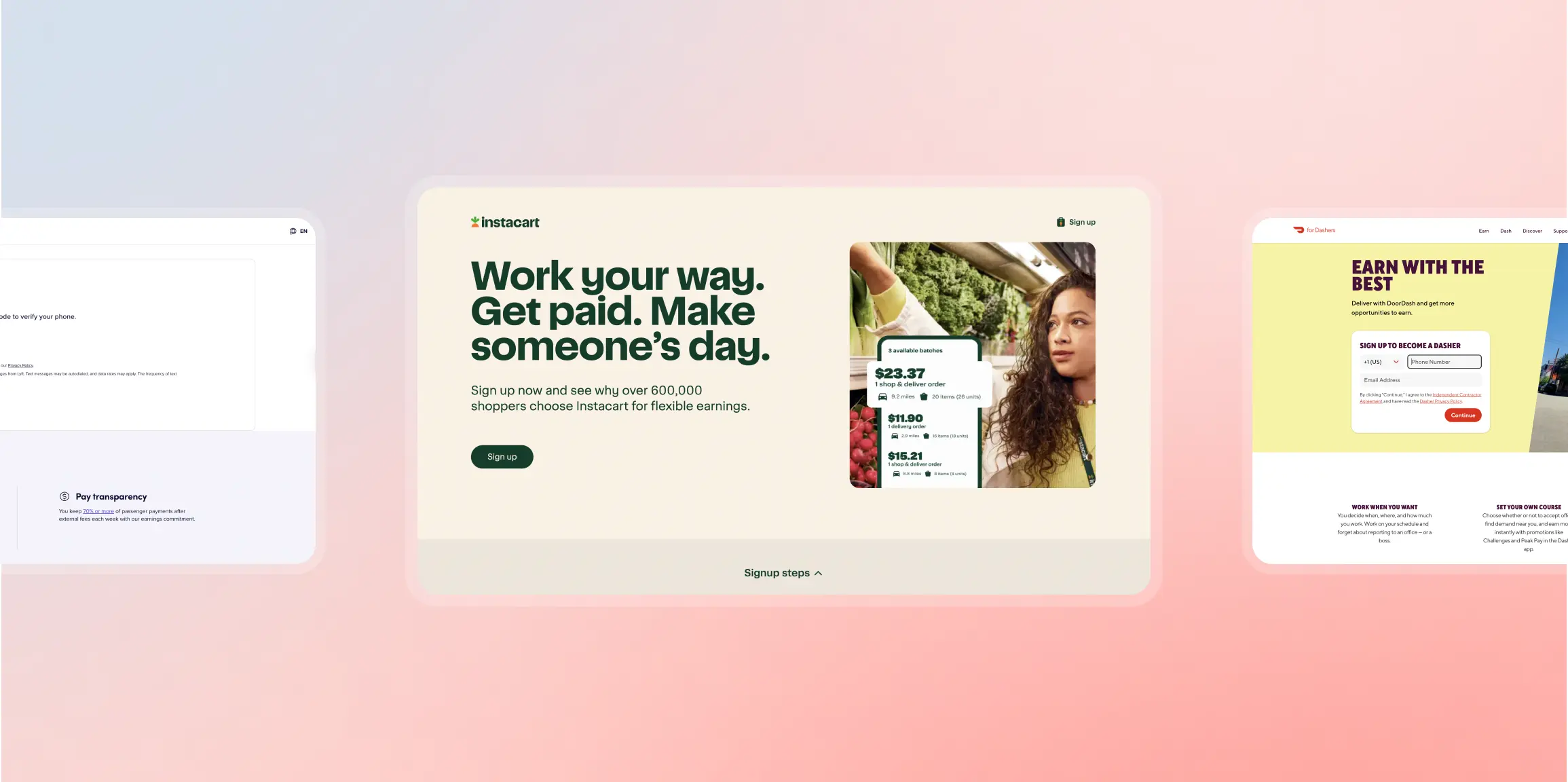
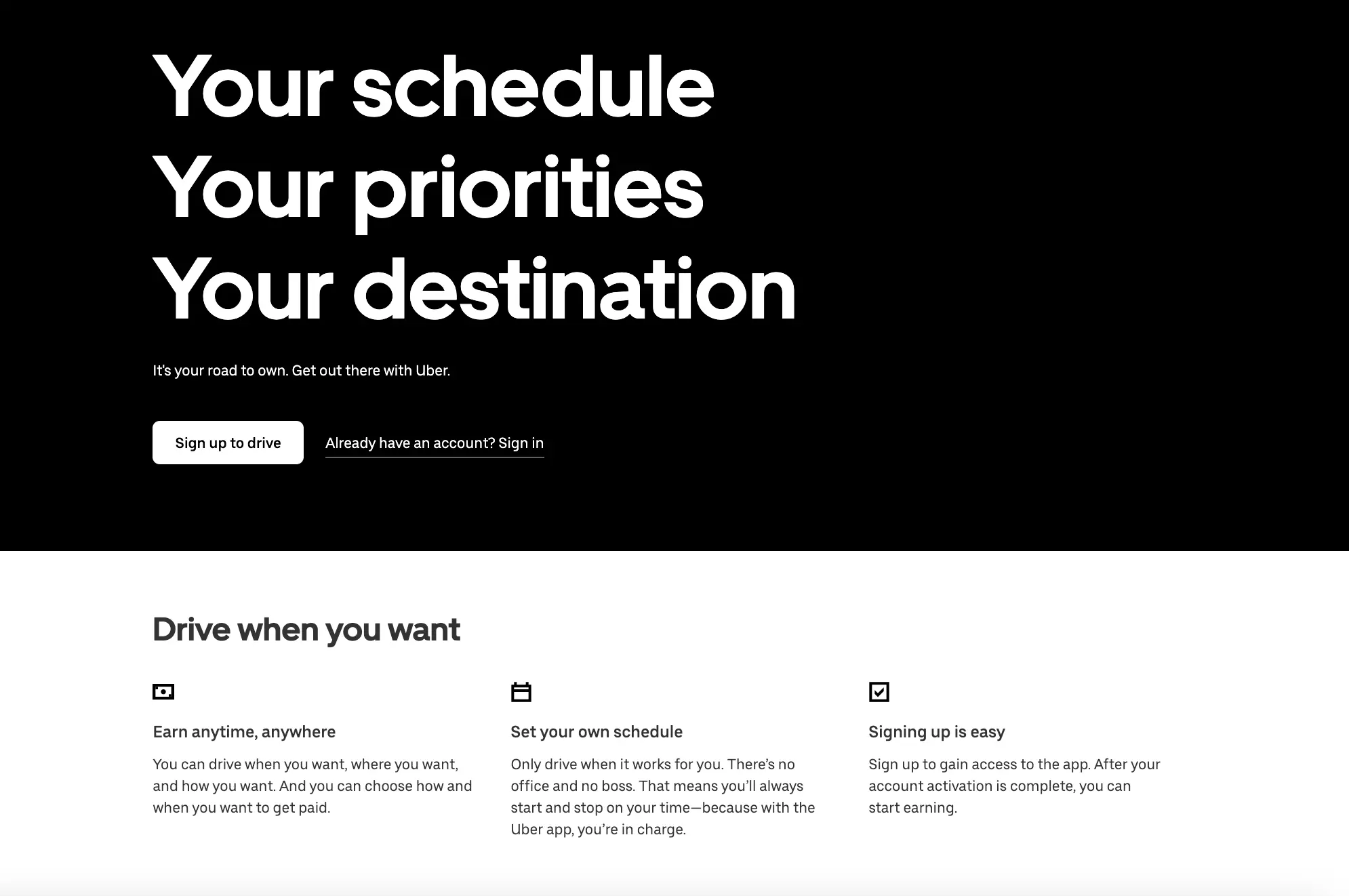
Uber’s recruitment strategy focuses heavily on the “opportunity of the moment.” Their landing pages often feature localized imagery and a highly simplified signup flow. A key strength of the Uber model is the immediate presentation of earning potential, which addresses the primary motivator for their target demographic.
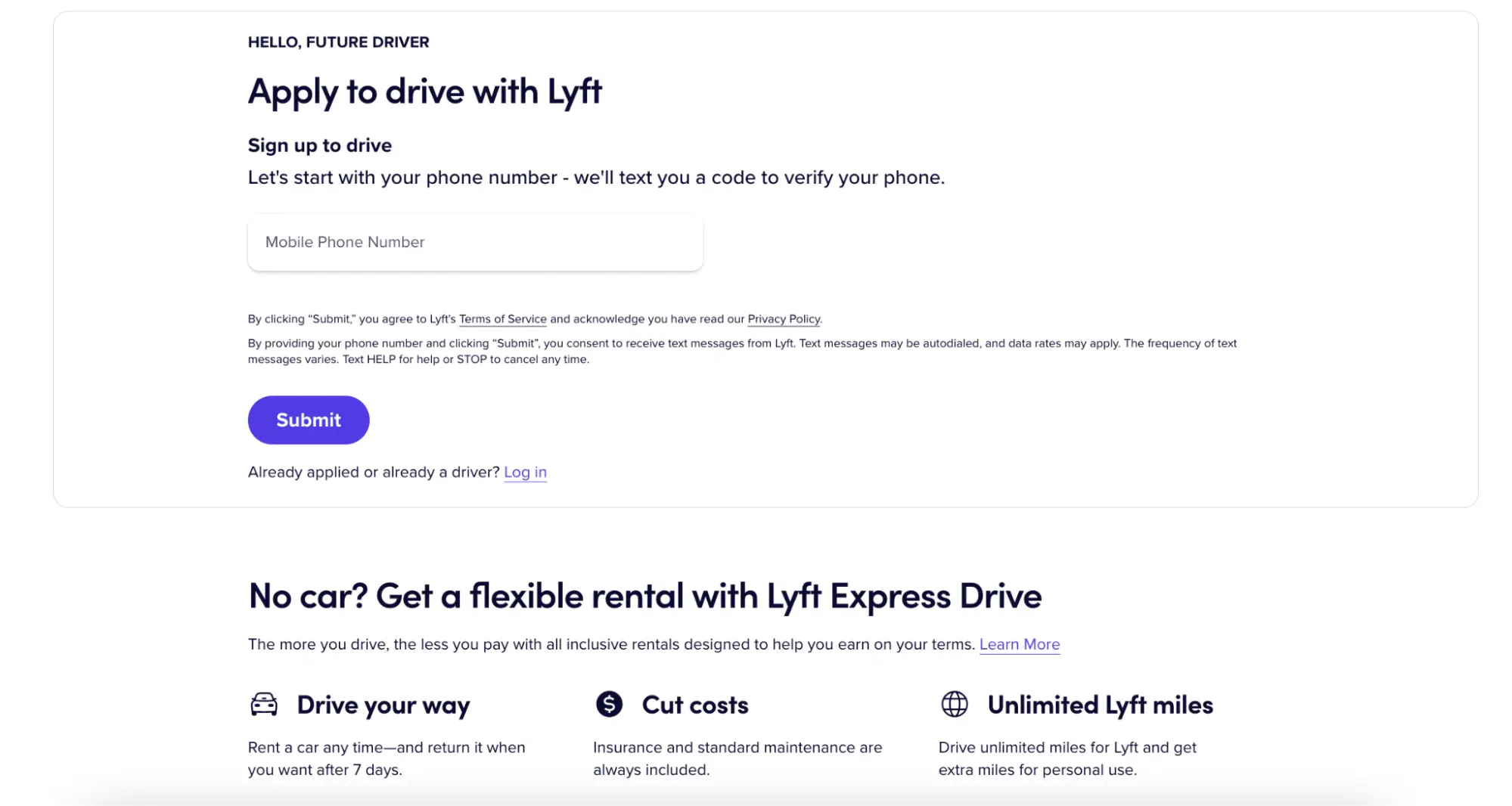
Similarly, Lyft emphasizes flexibility and community. Their pages often include “trust signals,” such as insurance coverage details and safety ratings, which mitigate the perceived risks of gig work. Both companies have mastered the art of the “minimalist footer,” ensuring that candidates remain within the signup ecosystem rather than wandering to other parts of the corporate site.
The Delivery Sector: DoorDash and Instacart
During the surge in delivery demand between 2020 and 2022, DoorDash and Instacart optimized their pages for extreme mobile speed. Recognizing that their target audience often applies while on the move, these companies utilized Content Delivery Networks (CDNs) and compressed media to ensure load times remained under three seconds. Their pages utilize “social proof”—testimonials from current “Dashers” or “Shoppers”—to build authentic credibility that traditional corporate mission statements often lack.
Specialized Platforms: Writers Work
For skill-based marketplaces like Writers Work, the landing page serves as both a recruitment tool and a qualification filter. By using “quiz-style” interfaces or “qualification checks,” they engage the user actively. This interactive element not only increases the time spent on the page but also improves the quality of the applicant pool by setting clear expectations regarding the required skill set.
The Role of Data and A/B Testing in Talent Acquisition
The transition from traditional hiring to landing page-based recruitment allows for a scientific approach to HR. Organizations are now utilizing A/B testing—a method of comparing two versions of a webpage to see which performs better—to refine their strategies.
Metrics of Success
Recruitment teams are moving away from “vanity metrics” like total page views and are instead focusing on:
- Conversion Rate: The percentage of visitors who complete an application (Calculated as: Completed Applications ÷ Total Page Views × 100).
- Cost Per Applicant (CPA): Total ad spend divided by the number of completed applications.
- Form Abandonment Rate: The point at which a candidate stops filling out the application.
The Impact of Artificial Intelligence
The integration of AI into platforms like Instapage has further revolutionized this process. AI-powered experimentation tools can now automatically distribute traffic to the best-performing version of a recruitment page. For example, if a version of a page featuring an “Employee Testimonial Video” results in a 15% higher conversion rate than a version with a static image, the AI will shift the majority of the ad traffic to the video-based page in real-time. This dynamic optimization significantly reduces the wasted budget associated with underperforming assets.

Broader Implications for the Future of Work
The adoption of sophisticated recruitment landing pages has profound implications for the broader labor market. For candidates, the experience becomes more transparent and less time-consuming, reducing the “black hole” effect often associated with online applications. For organizations, the ability to build a predictable talent pipeline becomes a competitive advantage.
However, this shift also necessitates a change in the internal structure of HR departments. The modern “Recruiter” must now possess a baseline understanding of digital marketing, data analytics, and user experience (UX) design. This convergence of Marketing and HR—often referred to as “Recruitment Marketing”—is becoming a standard requirement for organizations looking to scale in a tight labor market.
Expert Analysis: The Economic Reality of Candidate Experience
Industry analysts suggest that the “Candidate Experience” is no longer a soft HR metric but a hard economic one. A study of mobile recruitment trends indicates that 70% of job seekers now start their search on a mobile device. Organizations that fail to provide a mobile-optimized, fast-loading landing page are effectively ignoring two-thirds of the talent pool.
Furthermore, the removal of “exit links”—such as links to the “About Us” or “Investor Relations” sections—on recruitment pages is a tactical move that reflects a deeper understanding of consumer psychology. In a professional newsroom context, this is viewed as “tunneling,” where the user is guided through a specific narrative without the distraction of peripheral information. While some critics argue this limits the candidate’s ability to research the company, proponents point out that the goal of the landing page is to initiate the conversation; deep-dive research typically occurs later in the interview process.

Conclusion
The strategic use of recruitment landing pages represents a departure from the “post and pray” mentality of traditional hiring. By treating candidates as valued customers and utilizing the same high-performance tools as digital marketers, companies can significantly lower their acquisition costs and improve the quality of their workforce. As digital advertising costs continue to rise, the ability to convert clicks into candidates will remain the defining factor in an organization’s ability to compete for the world’s best talent. Through rigorous A/B testing, mobile optimization, and clear value propositions, the recruitment landing page has solidified its place as an essential component of the modern corporate infrastructure.