Yoast, a leading provider of search engine optimization (SEO) tools for WordPress, has announced the immediate release of Yoast SEO Premium version 27.6.1. This critical update addresses a significant security vulnerability discovered within the Redirect Manager feature of Yoast SEO Premium. While the company assures that the vast majority of its extensive user base remains unaffected, the update is strongly recommended for all users of Yoast SEO Premium, Yoast WooCommerce SEO, and Yoast SEO AI+ as a fundamental best practice in maintaining robust website security. The vulnerability, if exploited under specific conditions, could allow an authenticated user to inject malicious configuration into a site’s .htaccess file, potentially leading to severe consequences ranging from website crashes to, in the most critical scenarios, remote code execution (RCE). Yoast has confirmed that, following a thorough review of affected configurations, there is currently no evidence of exploitation or known cases of abuse in the wild.
Understanding the Vulnerability: A Deep Dive into the Threat
The core of the security flaw lies within the Redirect Manager feature of Yoast SEO Premium. Specifically, an authenticated user, meaning someone with legitimate access to the WordPress administration panel (e.g., an editor, author, or administrator), could craft a redirect rule containing special characters. These characters, when improperly sanitized or validated, could then be injected into the site’s .htaccess file. The .htaccess file is a powerful configuration file used by Apache web servers to control various aspects of a website’s operation, including redirects, access restrictions, and URL rewriting. Its direct manipulation by an attacker is extremely dangerous due to its server-level control.
The potential impact of such an injection is multifaceted and severe. At the lower end of the severity spectrum, malicious code injected into the .htaccess file could lead to a complete site crash, rendering the website inaccessible to visitors and potentially requiring significant technical intervention to restore. More critically, in the most serious cases, this vulnerability could facilitate remote code execution (RCE). RCE is a highly coveted capability for attackers, as it allows them to run arbitrary code on the target server. This could lead to a complete compromise of the website, including data theft, defacement, installation of malware, or using the compromised server as a launchpad for further attacks. The ability to achieve RCE means an attacker could gain full control over the affected WordPress installation and potentially the underlying server, posing a significant risk to data integrity, user privacy, and operational continuity.
Yoast’s proactive disclosure emphasizes that while the theoretical risk was high, their internal investigations have found no evidence of real-world exploitation. This suggests that either the vulnerability was difficult to exploit, or it was discovered and patched before malicious actors could widely leverage it. However, the potential for such an attack underscores the continuous need for vigilance and timely updates within the WordPress ecosystem, which powers over 43% of all websites globally, making it a frequent target for cybercriminals.
Identifying Affected Systems: Who Is at Risk?
Yoast has provided clear guidelines for users to determine if their sites were potentially at risk from this specific vulnerability. The risk is not universal across all Yoast SEO Premium installations but is confined to a very specific set of conditions. A site is only potentially at risk if all three of the following conditions are met simultaneously:
- Yoast SEO Premium (or associated products like Yoast WooCommerce SEO or Yoast SEO AI+) is installed and active. This is the foundational requirement, as the vulnerability resides within the premium plugin’s Redirect Manager.
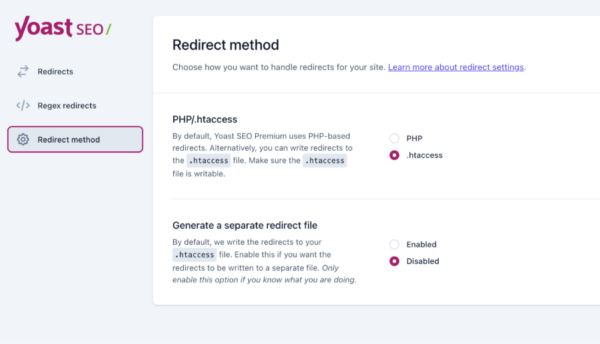
- The Redirect Manager feature is actively configured to use
.htaccessmode. Yoast SEO Premium offers different methods for managing redirects, including through PHP or.htaccess. The vulnerability specifically affects sites where the.htaccessmode is enabled, as this is where the direct injection into the server configuration file occurs. - Authenticated users, specifically those with permissions to manage redirects, are able to do so. This condition points to the “authenticated user” aspect of the vulnerability. If only highly trusted administrators have access to redirect management, the attack surface is significantly reduced. However, if less privileged authenticated users (e.g., editors, custom roles) have these capabilities, the risk increases.
For users unsure about their configuration, Yoast advises checking the redirect settings directly within their WordPress admin panel. By navigating to [www.yoursite.com]/wp-admin/admin.php?page=wpseo_redirects#/redirect-method, users can quickly ascertain if .htaccess mode is enabled. If this mode is not visible or not selected, the site is not at risk from this particular vulnerability. This targeted impact assessment is crucial for users to prioritize their update actions.

Yoast’s Swift Response: The Patch and Layered Protection
Upon discovery of the vulnerability, Yoast’s security team acted swiftly to develop and deploy a comprehensive fix. The resulting patch, incorporated into version 27.6.1, implements a robust, multi-layered approach to prevent similar issues in the future. The three layers of protection include:
- Improved Input Sanitization and Validation: The primary line of defense involves enhanced scrutiny of all user input within the Redirect Manager. This ensures that any special characters or potentially malicious strings are properly sanitized or escaped before being processed or written to the
.htaccessfile. This prevents the initial injection vector. - Hardened
.htaccessFile Writing Logic: Beyond input validation, the core logic responsible for writing to the.htaccessfile has been re-engineered to be more resilient against unexpected configurations. This likely involves stricter parsing rules and checks to ensure that only legitimate redirect directives are added, even if a compromised input somehow bypasses initial sanitization. - Strict Permission Checks: While the vulnerability was already limited to authenticated users, the patch may further reinforce permission checks to ensure that only users with the absolute necessary capabilities can modify redirect settings, especially when operating in
.htaccessmode. This limits the potential attack surface even within an authenticated environment.
This layered security approach demonstrates Yoast’s commitment to not just fixing the immediate vulnerability but also building more resilient code to prevent similar classes of bugs from emerging. The rapid deployment of the fix underscores the urgency with which reputable plugin developers address security concerns, a crucial element in maintaining trust within the open-source community.
Recommended Actions for Users: Update Immediately
Yoast strongly advises all users of Yoast SEO Premium, Yoast WooCommerce SEO, and Yoast SEO AI+ to update to version 27.6.1 as soon as possible. The update process is straightforward and can typically be completed by a site administrator in under two minutes directly from the WordPress plugins screen.
While the immediate urgency for updating is highest for sites that meet the three specific risk conditions (Premium plugin active, .htaccess redirect mode enabled, authenticated users managing redirects), Yoast emphasizes that keeping all plugins and themes up to date is a fundamental security best practice for all WordPress users. Updates often include not only security fixes but also performance improvements, bug resolutions, and new features. Therefore, even if a site is not directly impacted by this particular vulnerability, updating to 27.6.1 is still the recommended course of action for overall site health and security.
For those still uncertain about their exposure, the recommended verification step is to directly check the redirect method setting within the Yoast SEO Premium interface. Navigating to [www.yoursite.com]/wp-admin/admin.php?page=wpseo_redirects#/redirect-method will display the currently active redirect mode. If .htaccess mode is not enabled, the site is confirmed not to be at risk from this specific issue. However, the general recommendation to update remains.
Broader Context: WordPress Security and Plugin Vulnerabilities
This incident highlights the perennial challenges and critical importance of security within the WordPress ecosystem. As the world’s most popular content management system, WordPress is a prime target for attackers. While the core WordPress software itself is meticulously maintained by a dedicated security team, the vast array of themes and plugins – which contribute significantly to WordPress’s flexibility and power – often introduce potential vulnerabilities. A single plugin can have millions of active installations, meaning a flaw in one can expose a massive number of websites.
The .htaccess file, central to this vulnerability, is a common target for attackers because of its powerful server-level control. Misconfigurations or injections into this file can be devastating, making any vulnerability that touches it particularly concerning. Remote Code Execution (RCE) vulnerabilities are considered among the most critical as they bypass many layers of traditional security and grant an attacker almost complete control.
The timeline of such security incidents typically involves several stages:
- Discovery: A vulnerability is either found internally by the developer’s security team or reported by an external security researcher (often through a bug bounty program or responsible disclosure).
- Verification and Patch Development: The developer verifies the vulnerability and immediately begins working on a fix.
- Patch Release: The updated version of the software containing the fix is released.
- Public Disclosure: The developer announces the vulnerability and the fix, often providing details on its nature and how users can protect themselves. A full security advisory with technical details often follows after sufficient time has passed for users to update, minimizing the window for exploitation.
Yoast’s handling of this vulnerability aligns with responsible disclosure practices. They released the fix first and then communicated the issue, allowing users to update before full technical details are made public, which could potentially aid malicious actors.
Implications for the WordPress Ecosystem and User Responsibility
This event serves as a stark reminder of the shared responsibility model in WordPress security. While developers like Yoast are committed to delivering secure products and promptly addressing vulnerabilities, users also bear significant responsibility for maintaining their website’s security posture. This includes:
- Timely Updates: Regularly updating themes, plugins, and the WordPress core is the single most effective measure against known vulnerabilities.
- Minimal Plugin Usage: Installing only necessary plugins reduces the attack surface. Each additional plugin introduces another potential point of failure.
- Strong Authentication: Using strong, unique passwords and two-factor authentication for all WordPress user accounts, especially administrative ones, is crucial.
- Regular Backups: Comprehensive, up-to-date backups ensure that in the event of a compromise, the site can be restored quickly and with minimal data loss.
- Security Scanning: Employing security plugins or external scanning services can help detect malware or suspicious activity early.
- Understanding Permissions: Being mindful of user roles and permissions, ensuring that only trusted individuals have access to sensitive settings like redirect management.
From a broader industry perspective, incidents like this reinforce the value of ongoing security audits, both internal and external. Leading plugin developers often invest in security researchers to continuously test their code for weaknesses, which is a critical part of maintaining trust and ensuring the stability of the ecosystem.
Yoast, through its rapid response and transparent communication, has reaffirmed its dedication to the security of its users’ websites. While no software can ever be entirely immune to vulnerabilities, proactive measures, robust patching, and clear guidance for users are paramount in mitigating risks in the dynamic landscape of web security. Users are strongly encouraged to act on the update recommendation to safeguard their digital assets and ensure the continued integrity and performance of their WordPress installations. A full, detailed security advisory is anticipated to be published by Yoast in the near future, providing additional technical insights for developers and security professionals. In the interim, their support team remains available for any questions or concerns.