The contemporary digital landscape demands more than compelling copy and attractive visuals; it necessitates a profound connection built on trust and validation. In this environment, leveraging existing customer satisfaction to drive new engagement, sign-ups, and sales through email marketing has become a critical strategy. As highlighted by marketing insights, the integration of social proof is not merely an enhancement but a fundamental component in achieving robust email campaign performance. This approach, which strategically showcases that others have already embraced a product or service, operates on deep-seated psychological principles to convert prospects into loyal customers.
The Psychological Underpinnings of Trust and Influence
At its core, social proof is a psychological phenomenon, intimately linked to the principle of social validation, famously outlined by Dr. Robert Cialdini in his seminal work on persuasion. Humans are inherently social creatures, often looking to the actions and opinions of others to guide their own decisions, especially in situations of uncertainty. When confronted with a choice, such as subscribing to a newsletter, downloading an e-book, or purchasing a product, individuals tend to feel more confident proceeding if they perceive that others have already made a similar, positive choice. This inclination stems from an evolutionary trait: the assumption that if many people are doing something, it must be the correct or beneficial path.
This principle is further amplified by the “fear of missing out” (FOMO), a pervasive anxiety that one might miss out on rewarding experiences that others are having. When a prospective customer sees evidence that numerous individuals are deriving value from a particular offering – be it an email list or a product – FOMO can act as a powerful motivator. It suggests that there’s a desirable outcome or experience on offer, and by not participating, they risk being excluded from it. Therefore, social proof doesn’t just inform; it subtly compels, transforming skepticism into assurance and hesitation into action.
A Historical Perspective on Trust in Commerce
The concept of social proof is far from new; its application in commerce predates the digital age by centuries. In ancient marketplaces, word-of-mouth recommendations were the primary drivers of trade, with a merchant’s reputation spreading organically through satisfied customers. As societies evolved and communication methods advanced, so did the forms of social proof. The advent of mass media brought celebrity endorsements, where public figures lent their credibility to products, transferring their perceived trustworthiness to brands.
The internet revolution, particularly with the rise of e-commerce in the late 1990s and early 2000s, democratized social proof. Platforms like eBay and Amazon pioneered user-generated reviews and ratings, empowering ordinary consumers to share their experiences and influence purchasing decisions on an unprecedented scale. This shift moved the needle from expert endorsement to peer validation, creating a more authentic and relatable form of trust.
In the context of email marketing, which emerged as a significant communication channel in the early 2000s, the need for social proof became increasingly pronounced as inboxes grew saturated. Marketers faced the challenge of cutting through the noise and establishing immediate credibility. Integrating testimonials, subscriber counts, and awards into email campaigns evolved as a sophisticated strategy to build rapport, overcome skepticism, and drive engagement in an increasingly competitive digital environment. By the 2010s, social proof had become a non-negotiable element of any effective digital marketing strategy, including email.
Categorizing Social Proof: A Spectrum of Validation
The efficacy of social proof lies in its diverse applications. Marketers have access to a rich palette of formats to convey validation, each suited for different contexts and objectives:
-
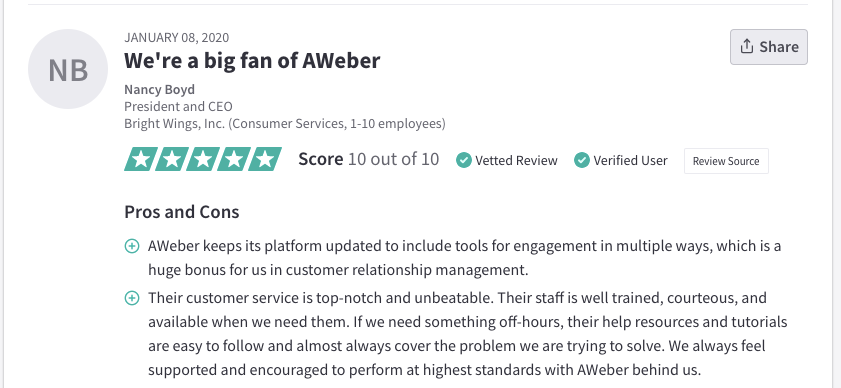
Customer Reviews: These are direct feedback from users, typically found on third-party platforms like Trustpilot, Google Reviews, Yelp, G2, or Amazon. Industry data consistently shows that over 90% of consumers read online reviews before making a purchase, underscoring their profound influence. Star ratings and detailed written feedback provide objective insights into product quality and service satisfaction.
-
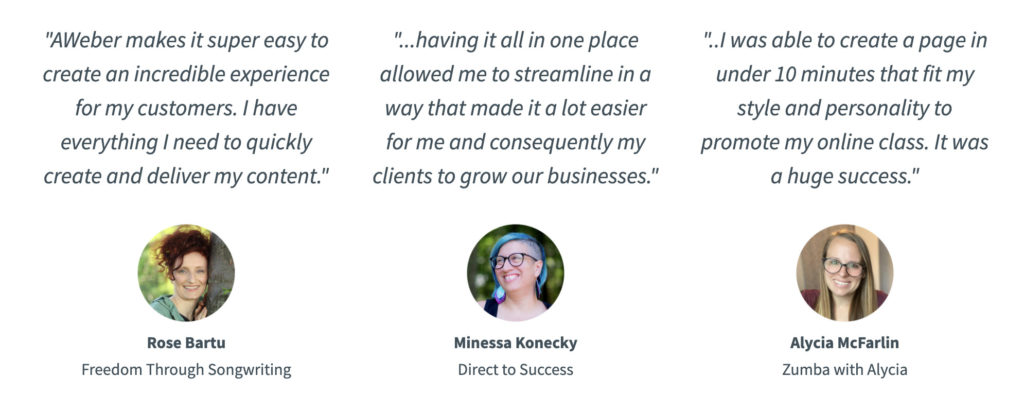
Testimonials: Distinct from spontaneous reviews, testimonials are curated quotes collected directly from satisfied customers. Ideally, they include a name, photo, and title, adding a layer of authenticity and relatability. The most effective testimonials are specific, highlighting particular benefits or problem-solving aspects of a product or service. For instance, a quote stating, “AWeber’s automation saved me 10 hours a week!” is far more impactful than a generic “Great product!”
-
Case Studies: These provide a comprehensive narrative of a customer’s journey, detailing their initial challenges, how a product or service addressed those challenges, and the measurable results achieved. Case studies are particularly potent in B2B marketing, offering in-depth evidence of ROI and impact. They transform abstract claims into concrete success stories, often featuring specific data points and client quotes.
-
Customer Data/Numbers: Quantitative social proof leverages statistics to demonstrate popularity and widespread adoption. Phrases like “Join 25,000 satisfied subscribers,” “Trusted by 300,000 creators,” or “4.8/5 stars from 2,000 reviews” provide immediate, undeniable evidence of scale and acceptance. This form of proof taps into the herd mentality, suggesting that if so many others have opted in, there must be significant value.
-
Social Media Feedback: Screenshots of positive posts, comments, shares, and shoutouts from real users on platforms like X (formerly Twitter), Facebook, or Instagram offer dynamic, real-time validation. This form of proof is highly relatable and often informal, reflecting genuine customer enthusiasm and organic engagement. Monitoring social media for mentions and leveraging these unsolicited endorsements can be incredibly powerful.
-
Expert and Influencer Endorsements: Recommendations from individuals or organizations recognized as authorities in a particular field carry significant weight. This includes endorsements from industry leaders, respected bloggers, or niche influencers whose opinions are highly valued by the target audience. The credibility of the endorser directly transfers to the product or service, enhancing trust and perception of quality.
-
Award and Trust Badges: Displaying industry awards, certifications (e.g., ISO, GDPR compliance), security badges (e.g., McAfee Secure, SSL certificates), or inclusion in “best of” lists provides third-party validation and reassures prospects about quality, security, and industry standing. These visual cues serve as immediate trust signals, particularly important for sensitive transactions.
-
User-Generated Content (UGC): Photos, videos, or other creative content produced by customers themselves, showcasing them using a product or interacting with a service, are among the most authentic forms of social proof. UGC fosters a sense of community, demonstrates real-world application, and can significantly boost engagement and conversion rates by presenting relatable scenarios.
For nascent businesses lacking extensive reviews, initiating with customer data (“Join 500 subscribers”) or soliciting concise, one-line testimonials from early adopters can provide an immediate boost. The emphasis is not on quantity but on credibility and relevance, demonstrating even a single credible voice can be highly persuasive.
Strategic Integration: Deploying Social Proof Across the Email Journey
The effectiveness of social proof is maximized when strategically placed at critical junctures within the customer journey, from initial contact to post-purchase engagement. Here are five key areas within email marketing where social proof can significantly amplify results:
-
Alongside Signup Forms: Before a prospect even receives their first email, the decision to subscribe hinges on perceived value. Placing a compelling testimonial directly above or beside a signup form on a blog, landing page, or website addresses the unspoken question: “Is this worth my inbox?” The most potent testimonials here specifically highlight the value derived from the email content itself. For instance, a quote from an engaged subscriber detailing how the newsletter helped them achieve a specific goal provides immense encouragement. Platforms like AWeber offer AI Signup Form Builders that can intelligently integrate such testimonials, streamlining the process of creating high-converting forms. Including a picture, name, and title (e.g., “Sarah M., Founder of a 6-figure Etsy Shop”) dramatically enhances credibility over anonymous endorsements.
-
Within Welcome Emails: The welcome email is often the first direct communication a new subscriber receives and represents a golden opportunity to solidify their decision and set the stage for future engagement. Integrating a review or testimonial (ideally distinct from the one used on the signup form) within the body of the welcome email serves to reinforce trust and reiterate the value proposition. This third-party endorsement acts as an objective validation, assuring the new subscriber that they’ve made a wise choice and encouraging them to keep opening subsequent emails, moving them out of the promotions tab, and engaging deeply with the content.
-
Paired with Every Sales Pitch: Promotional emails, designed to drive conversions, become far more effective when sales pitches are supported by irrefutable evidence. If marketing a course on financial stability, for example, the email should detail the course content and target audience, then immediately follow with a testimonial that cites a specific, measurable outcome. A testimonial like, “I paid off my student loans eight months after finishing this course,” is exponentially more powerful than a general positive remark. For a deeper impact, entire emails can be structured as mini-case studies, narrating a customer’s problem, how the product provided a solution, and the resulting success. This “show, don’t tell” approach allows customers’ stories to do the selling, making the promotional message resonate more genuinely.
-
Enhancing Referral Mechanisms with Trust Badges: Referrals, essentially word-of-mouth recommendations, are the purest form of social proof. Email campaigns can effectively cultivate referrals by including a clear call to action asking subscribers to forward valuable content to friends or colleagues. This request gains significant traction when backed by authority and credibility. Integrating industry awards, certifications, or “best of” badges alongside the referral prompt leverages external validation. Subscribers are more inclined to share content when doing so enhances their own credibility, positioning them as a source of valuable information. The symbolic value of a trust badge subtly suggests that the content is worthy of being shared within their professional or personal networks.
-
Rescuing Abandoned Carts with Proof and Empathy: Abandoned cart emails are crucial for recovering lost sales. When a customer adds an item to their cart but leaves before completing the purchase, an abandoned cart email serves as a reminder. Integrating social proof into these emails can provide the final nudge needed for conversion. Keeping these emails concise and impactful, a well-placed, perhaps humorous, social media shout-out or a concise testimonial about the product can effectively address lingering doubts. This approach injects a human element, reminding the prospect that real people love the product they almost bought, lowering pressure, and reigniting interest without being overtly pushy.
The Tangible Impact: Data and Metrics
The integration of social proof into email marketing is not merely anecdotal; its impact is quantifiable. Industry reports consistently indicate that displaying social proof can lead to significant increases in conversion rates, with some studies suggesting boosts of 15% to 20% or even higher for specific applications. For instance, customer reviews on product pages can elevate conversion rates by an average of 12%, a principle directly transferable to email content linking to those pages.
Furthermore, social proof fundamentally builds trust and credibility. Research reveals that approximately 90% of consumers trust online reviews as much as personal recommendations. By embedding this trust directly into email communications, marketers can expect improved open rates, higher click-through rates (CTRs), and ultimately, better sales performance. The perceived value of an email, signaled by testimonials or subscriber counts, can significantly influence a recipient’s decision to engage, thereby improving the overall return on investment (ROI) of email marketing efforts, which already stands as one of the most effective digital channels.
Challenges, Authenticity, and Ethical Considerations
While the benefits of social proof are undeniable, its deployment comes with inherent responsibilities and challenges. The paramount concern is authenticity. Fake reviews or manufactured testimonials can severely damage a brand’s reputation and erode customer trust, the very foundation social proof is designed to build. Ethical guidelines dictate that all endorsements must be genuine, reflecting actual experiences and opinions. Transparency in how social proof is collected and displayed is crucial for maintaining credibility.
For new businesses, the challenge lies in accumulating initial social proof. This often requires proactive strategies, such as requesting testimonials from early customers, offering incentives for reviews, or leveraging initial subscriber numbers, no matter how small, to demonstrate early adoption. The focus should always be on acquiring honest feedback and showcasing it transparently.
The Future Landscape of Email Marketing and Social Proof
Looking ahead, the synergy between email marketing and social proof is poised for further evolution. Advancements in artificial intelligence and machine learning will enable hyper-personalization of social proof, allowing marketers to dynamically display testimonials or reviews most relevant to an individual subscriber’s demographics, past behavior, or expressed interests. Video testimonials and interactive elements embedded directly within emails or linked from them will offer richer, more engaging forms of validation.
Furthermore, social proof will continue to integrate seamlessly with broader omnichannel marketing strategies, ensuring a consistent message of trust and validation across all customer touchpoints. As consumer skepticism grows in an increasingly digital world, the demand for transparency and authentic validation will only intensify, making robust, ethical social proof an even more critical component of successful digital communication.
Conclusion
In an era defined by digital noise and discerning consumers, the strategic deployment of social proof in email marketing has transitioned from a beneficial tactic to an indispensable component of success. By leveraging the inherent human inclination to seek validation from peers, businesses can transform skeptical prospects into engaged subscribers and loyal customers. From the initial signup to the critical abandoned cart recovery, social proof acts as a powerful bridge of trust, enhancing credibility, driving conversions, and fostering long-term relationships. Its enduring power lies in its ability to let the voice of satisfied customers do the most persuasive work, making it a non-negotiable and continuously evolving cornerstone of effective email communication.