The landscape of online information discovery has undergone a seismic shift, as Google I/O 2026 has decisively confirmed the ascendance of AI-powered search as the dominant user experience. With AI Mode now engaging over a billion monthly users and query volumes experiencing rapid acceleration, the traditional paradigm of navigating search results via blue links is rapidly becoming a relic of the past. This evolution, meticulously prepared for by industry leaders like TopRank Marketing, necessitates a fundamental reevaluation of how businesses, particularly in the B2B sector, approach digital presence and customer engagement.
The implications of this transformation, highlighted by Google’s own behavioral data, are profound. The average search query has tripled in length, reflecting a more conversational and nuanced approach to information seeking. Crucially, follow-up conversations within search sessions have surged by 40% month-over-month, indicating a deeper user engagement with AI-driven responses. Furthermore, one in six searches are now multimodal, incorporating images, voice, and other forms of input, underscoring the demand for diverse content formats. Buyers are no longer merely seeking discrete answers; they are utilizing AI search for exploration, decision-making, learning, planning, and creative endeavors. The content that effectively surfaces in these moments is characterized by its authority, expert-driven insights, and a structure that facilitates its citation by AI systems.
Google’s own guidance for AI search optimization explicitly debunks many of the superficial tactics that have circulated in the market, such as content chunking, the creation of LLMS.txt files, and the manufacturing of mentions. Instead, the company emphasizes the enduring value of unique, non-commodity content, underpinned by original research, genuine thought leadership, and robust credibility signals that AI systems are designed to recognize and reward. For B2B brands that continue to optimize solely for traditional click-through metrics, the window for adaptation is rapidly closing. Conversely, those already invested in building topical authority and cultivating trust across multiple channels are poised to gain a significant competitive advantage.
A Year of Transformation: From nascent AI to Ubiquitous Integration
The seismic shifts announced at Google I/O 2026 are not entirely unexpected. Last year, at Google I/O 2025, preliminary announcements hinted at a fundamental overhaul of the search experience. Industry observers, including TopRank Marketing, recognized this as a pivotal moment where the traditional SEO playbook, focused on chasing rankings, would be superseded by an AI-powered paradigm. At that time, AI Mode was a nascent feature, and its long-term impact on B2B marketing was still being assessed. However, the trajectory was clear: AI was poised to fundamentally alter how customers discover, consume, and interact with information.
A year later, the evolution has accelerated dramatically. The search interface has been entirely reimagined, moving beyond the familiar “ten blue links” to a dynamic, conversational, and agent-driven experience. Google’s Vice President of Search, Elizabeth Reid, articulated this evolution at I/O 2026, describing the announcements as “the next step in bringing together the best of a search engine with the best of AI.” This integrated approach signifies a move from simple information discovery to actively fueling decisions across the entire buyer journey.
Google I/O 2026: Key Announcements Reshaping Search
The Google I/O 2026 conference, held in Mountain View, California, unveiled a series of groundbreaking advancements in search technology. These announcements signal a definitive pivot towards an AI-centric search ecosystem.
-
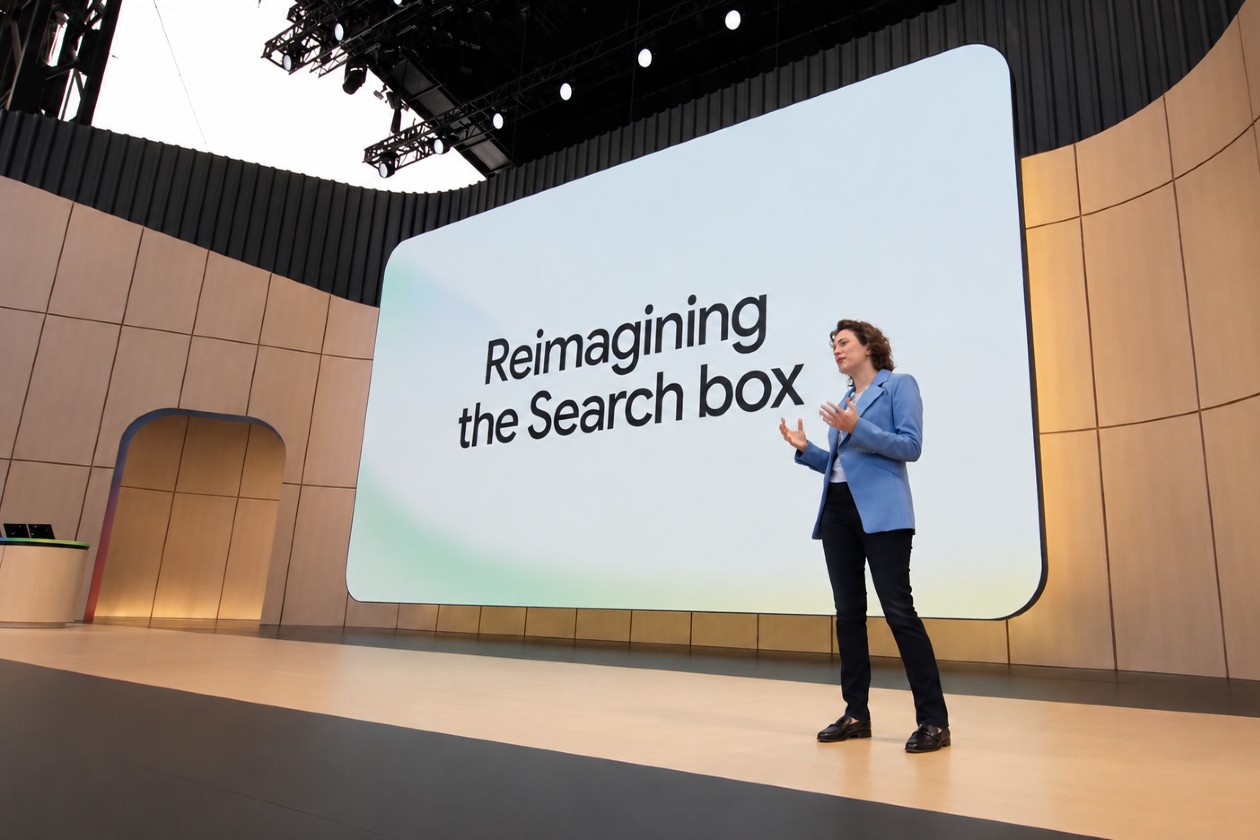
A Reimagined Search Interface: For the first time in a quarter-century, the core search box has been fundamentally rebuilt. This revamped interface dynamically expands to accommodate longer, more conversational queries, integrates multimodal inputs (text, images, files, video), and offers AI-powered query suggestions that extend far beyond simple autocomplete. This enhanced functionality promises a more intuitive and powerful research experience, empowering users to uncover solutions, identify resources, and make informed decisions with greater confidence.
-
AI Mode at Scale: The rapid adoption of AI Mode is a testament to its transformative impact. Just one year after its introduction, AI Mode has surpassed one billion monthly users, with query volumes more than doubling each quarter. AI Overviews alone now reach an astonishing 2.5 billion monthly users. This surge confirms that the majority of Google searches are now occurring within an AI-driven context, effectively rendering the traditional blue-link results page secondary.
-
Emergence of Search Agents: A significant innovation introduced is the capability for users to create, customize, and manage AI agents directly within the Google search interface. These agents operate autonomously, continuously scanning the web to monitor topics, synthesize changes, and deliver timely updates. Rather than presenting a list of links, these agents will provide synthesized answers accompanied by recommended actions. This development positions AI agents as a primary audience for content, augmenting human consumption.
-
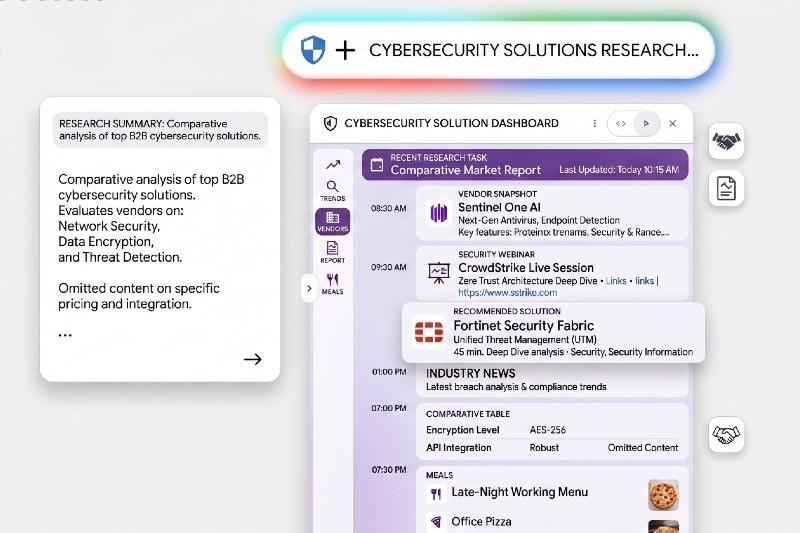
Generative UI Capabilities: Google is now enabling users to construct custom, interactive experiences on the fly, directly in response to their queries. This can range from visual explainers to stateful mini-applications that users can revisit. For instance, buyers can instruct Google to generate a comparative table of vendor features directly within the search experience. This “query fan-out” capability, first hinted at last year, has evolved into a sophisticated agentic system capable of autonomous information retrieval and synthesis on behalf of users. Google’s own AI optimization guide underscores the continued importance of query fan-out and retrieval-augmented generation (RAG) in its core ranking systems, emphasizing that foundational content authority remains a critical factor in determining what gets cited.
User Behavior in the Age of AI Search: Insights from Google’s Data
Google’s release of behavioral data on AI Mode usage in the U.S. provides invaluable insights into how users are interacting with this new search paradigm. This data is crucial for B2B marketers seeking to understand the content strategies required for visibility, trust, and selection in an AI-first world.
-
Extended Query Lengths: The average AI Mode search query is now triple the length of a traditional query. This indicates users are articulating their needs more naturally and comprehensively, moving away from keyword optimization towards full-sentence, contextual questions. This shift renders keyword-centric content strategies increasingly misaligned with actual buyer behavior.
-
Increased Follow-Up Conversations: The 40% month-over-month increase in follow-up conversations signifies that buyers are engaging in deeper exploration. They are not satisfied with a single answer and are actively pursuing related angles and continuing their information-gathering dialogue. Brands that only address a narrow aspect of a topic risk falling out of consideration as users delve deeper.
-
Rise of Multimodal Search: Over one in six AI Mode searches are now non-textual, with image input alone increasing by more than 40% month-over-month. This trend highlights the growing importance of visual and multimedia content in B2B content strategies. Image creation queries have more than tripled since the beginning of the year, indicating AI Mode’s role as an active productivity tool.
Five Behavioral Modes of AI Search
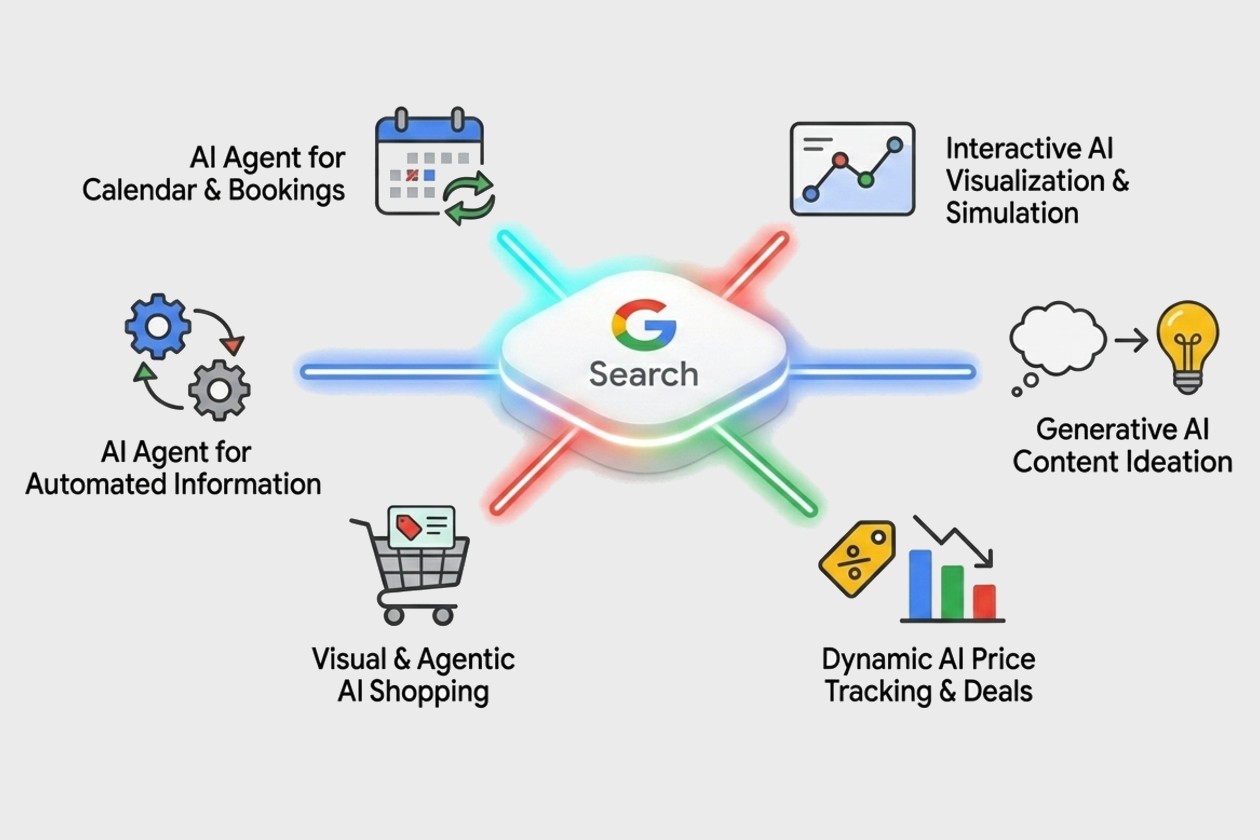
Google’s research categorizes AI Mode usage into five distinct behavioral modes, each offering strategic implications for B2B marketers:
-
Explore: Characterized by brainstorming and open-ended queries, this mode sees a 30% faster growth than overall AI Mode queries. Buyers are using AI to discover new ideas and explore broad concepts, mirroring the early stages of problem identification in B2B purchasing.
-
Decide: Queries beginning with “which” have grown 40% faster than average. This mode is critical for evaluation-stage queries where trust signals, comparative content, and third-party validation are paramount for AI-powered recommendations.
-
Learn: AI Mode is extensively used for professional development and deep-dive learning. B2B buyers often build competency in a category before evaluating vendors, making educational content from authoritative sources essential.
-
Do: Planning-related queries have grown 80% faster than overall AI Mode queries, with Google’s Canvas tool supporting complex, multi-step planning tasks. Structured, actionable content like guides and templates is highly valuable in this mode.
-
Create: With image creation queries tripling, AI Mode is increasingly used as a productivity tool. Modular, repurposable content that AI can integrate into creative workflows presents a novel visibility opportunity.
Adapting to the New Search Paradigm: The Best Answer Marketing Framework
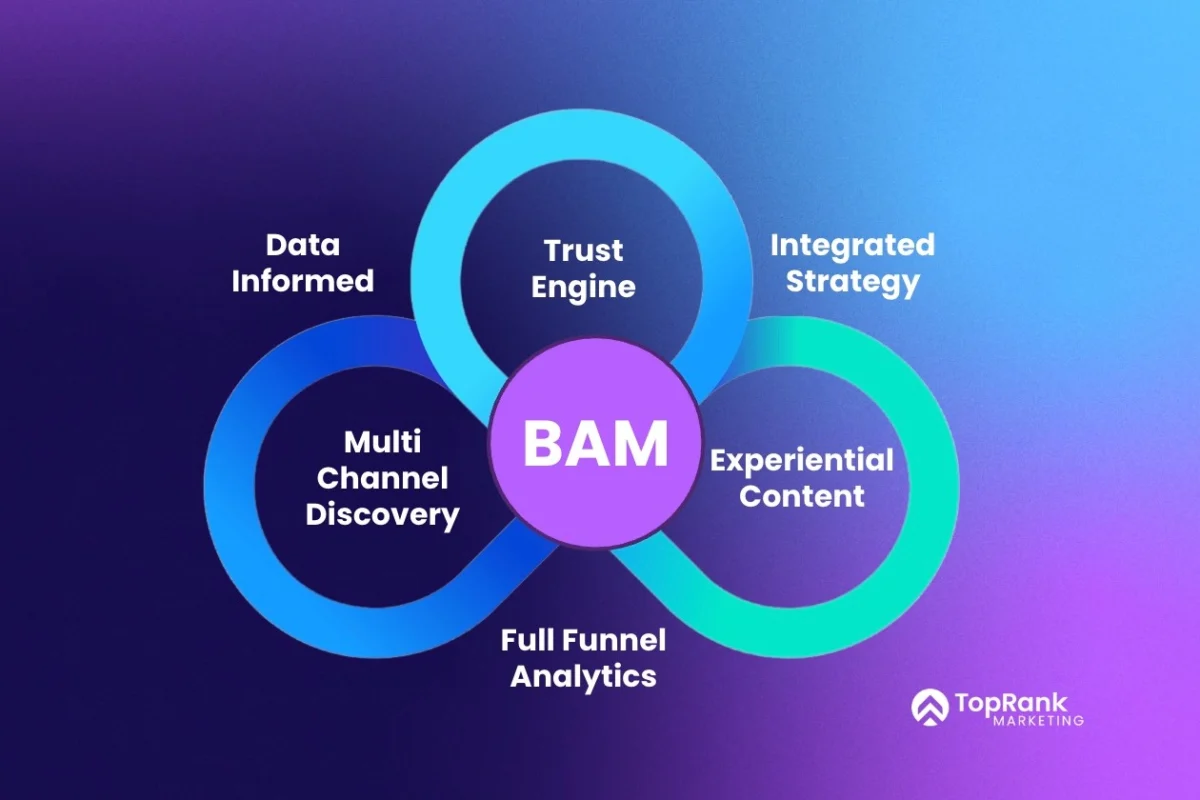
The Best Answer Marketing (BAM) framework, developed by TopRank Marketing, is specifically designed to address the evolving search landscape driven by AI. Its core premise is that as buyer behavior changes, so too must the technology and strategies used to connect with them.
-
Data-Informed Approach: BAM emphasizes answering the precise questions buyers are asking, moving beyond keyword optimization to address the longer, more natural language queries now prevalent in AI Mode. This involves leveraging customer surveys, CRM data, audience research, and original research to understand buyer intent and structure content accordingly.
-
Integrated Strategy: The substantial growth in follow-up conversations underscores the importance of topical depth and coherent narrative orchestration across various channels. BAM’s integrated strategy aligns brand, demand, and lead generation goals into a unified plan, ensuring consistent messaging across formats and platforms.
-
Trust System: In the “Decide” stage, credibility is paramount. BAM focuses on building trust through unique, expert-driven content that goes beyond generic information. This includes original research, thought leadership, expert authorship, and demonstrable E-E-A-T (Experience, Expertise, Authoritativeness, Trustworthiness) signals, which Google’s AI optimization guide explicitly rewards.
-
Experiential Content: The rise of multimodal search necessitates a shift towards richer content formats. BAM advocates for visual and multimedia content that is structured for AI parsing and repurposing, aligning with Google’s generative UI capabilities that can create interactive experiences from web content.
-
Multi-Channel Visibility: With AI agents increasingly performing searches on behalf of users and buyers engaging across various behavioral modes, visibility across a broad spectrum of channels is crucial. BAM’s multi-channel approach ensures discovery across formats and platforms that align with each buyer mode.
-
Unified Analytics: As direct click-throughs diminish as a primary performance metric, measurement must evolve to focus on AI citation rates, brand mention share, topic authority, and pipeline influence. BAM’s unified analytics pillar provides a comprehensive view of performance tied to full-funnel outcomes.
The Urgency of Adaptation
The new Google Search interface is rolling out immediately, with generative UI functionalities to follow in the summer of 2026. Information agents and mini-app building will become accessible to subscribers first, with broader free access later. This rapid deployment leaves little time for B2B brands to adjust their content strategies.
The behavioral data from Google is compelling: triple-length buyer questions are now the norm, follow-up conversations are increasingly common, and multimodal search is experiencing exponential growth. The five behavioral modes identified by Google are actively shaping how buyers interact with information. Brands that align their content strategies with these modes are positioning themselves to establish authority and build preference with both AI systems and human decision-makers.
As TopRank Marketing stated last year, embracing a Best Answer Marketing strategy is the pathway for B2B marketers to transition from merely being found to becoming the indispensable source of information that customers seek, regardless of their search method. The data from Google I/O 2026 unequivocally confirms this trajectory. Building brand credibility and consensus across channels through integrated content experiences is the key for B2B companies to elevate themselves from blending in to becoming recognized as Best Answer Brands. The time to adapt is now.