The global corporate landscape is currently undergoing a transformative shift in how brands interact with their stakeholders, driven by technological disruption, changing consumer habits, and a volatile supply chain. This week, three major industry developments involving Apple, Starbucks, and Sprout Social have provided a real-time masterclass in high-stakes communication. From Apple’s strategic framing of significant price hikes to the formalization of social media as the primary battleground for reputation management, and Starbucks’ innovative move to turn baristas into compensated content creators, the common thread is clear: authenticity and proactive transparency are no longer optional—they are the new standard for corporate survival.
Apple’s Strategic Response to the Global AI Memory Shortage
Apple Inc. has long been a bellwether for consumer electronics pricing, but its latest announcement marks a significant departure from its usual incremental adjustments. The tech giant confirmed substantial price increases across its MacBook and iPad lines, a move necessitated by an unprecedented shortage in memory and storage components. This shortage is directly linked to the rapid expansion of Artificial Intelligence (AI) infrastructure, which has diverted the production of high-bandwidth memory toward massive data centers.
The scale of these price increases is striking and serves as a significant test of Apple’s brand equity. The 13-inch MacBook Air has seen its entry price climb from $1,099 to $1,299. High-end professional machines have been hit even harder; the M3 Ultra Mac Studio has jumped from a starting price of $3,999 to a staggering $5,299. In the tablet category, the base iPad rose from $349 to $449, while the iPad mini increased from $499 to $599. While Apple’s most popular consumer products—the iPhone, Apple Watch, and AirPods—remain at their current price points for now, the market responded sharply to the news, with Apple’s stock dipping more than 5% following the announcement.
From a communications perspective, Apple’s strategy has been to position itself as a reluctant participant in a global economic shift. CEO Tim Cook set the stage for the announcement by describing the current component market as “unsustainable,” emphasizing that the company had absorbed rising costs for as long as possible to shield its customer base. The official statement leaned heavily on industry-wide data, noting that memory and storage prices have quadrupled in just nine months.
Filomena Fanelli, CEO and Founder of Impact PR and Communications, notes that Apple’s approach follows several “best practices” for crisis communication. By leading with the “why” before the “what,” Apple attempted to provide a logical framework that mitigates the emotional sting of a price hike. However, Fanelli cautions that for a company with Apple’s immense cash reserves, the “victim” narrative may face scrutiny. She suggests that brands facing similar situations must provide hard facts to prevent consumers from filling the information vacuum with negative assumptions. The long-term impact on Apple’s brand loyalty will depend on whether consumers view these increases as a fair reflection of market reality or as a corporate choice to maintain profit margins amidst the AI gold rush.
The Digital Shift: Social Media as the Primary Crisis Frontier
The traditional model of crisis management, which relied on the 24-hour news cycle and formal press releases, has been officially upended. New research from Sprout Social’s Q2 2026 Pulse Survey confirms that social media is now the primary channel where brand crises originate, escalate, and are eventually resolved. According to the data, social media has surpassed traditional news outlets and direct brand communications as the first place consumers hear about corporate controversies.
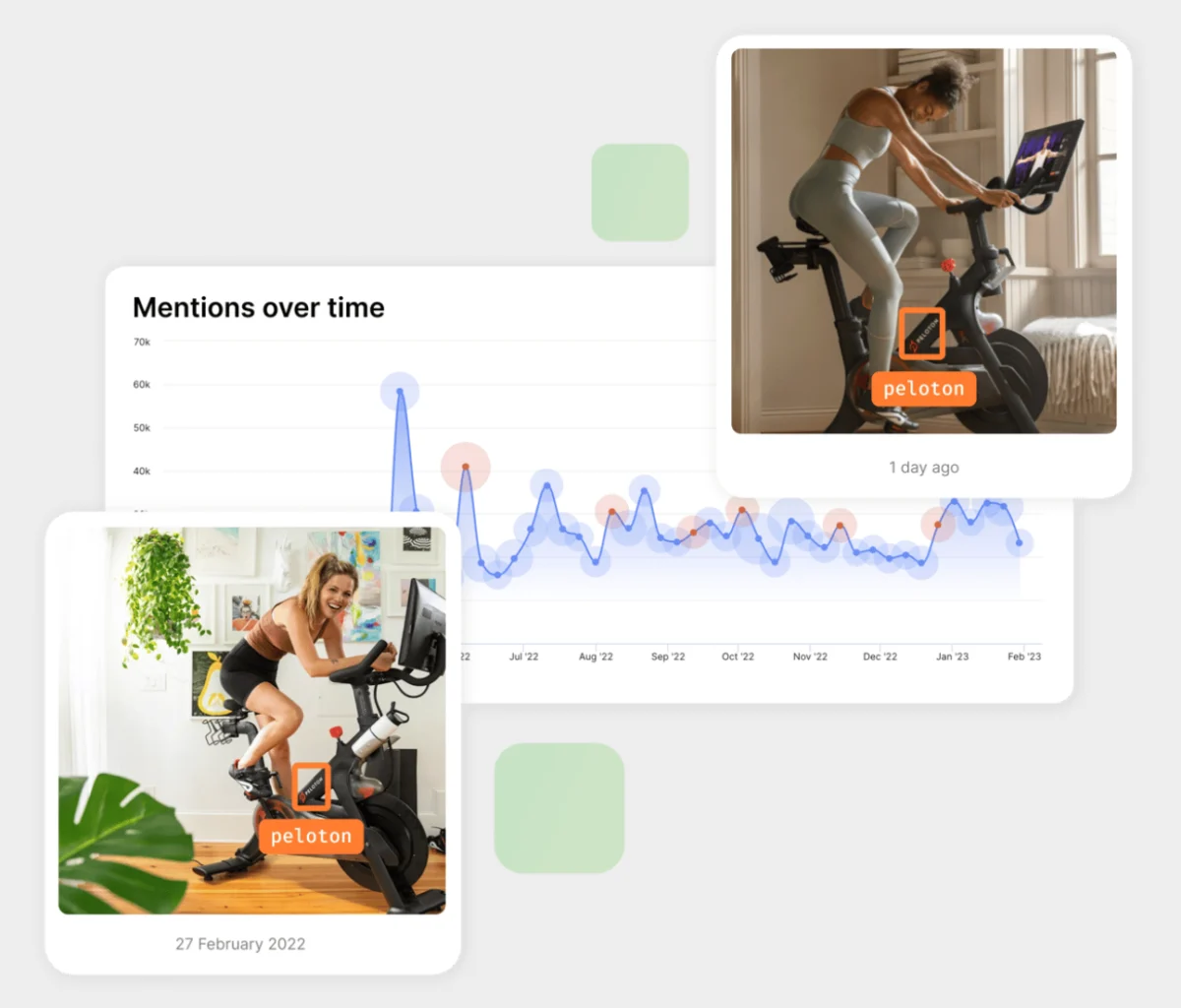
The implications for public relations professionals are profound. The survey reveals that 40% of consumers—and a significant 62% of Gen Z—rely on social platforms for product discovery and brand news. Furthermore, the speed at which information travels online means that a brand’s reputation can be compromised long before a formal statement can be drafted. Scott Morris, Chief Marketing Officer at Sprout Social, emphasizes that the companies that survive these digital firestorms are those that utilize social listening tools to identify threats in their infancy.
Davitha Tiller, Head of Social and Integrated Communication at Havas Health Network-New York, points to recent Reuters research confirming that social media has overtaken television as the world’s leading news source. At Havas, the communication strategy has evolved to monitor what they call the “three speeds of culture.” This framework allows brands to categorize shifts and respond appropriately:
- Slow Culture: This involves macro shifts that reshape the global zeitgeist over years, such as the rise of the longevity movement or the mainstreaming of GLP-1 medications.
- Sub Culture: This focuses on niche communities, passion-point cohorts, and hobbyist groups where deep-seated opinions are formed away from the mainstream spotlight.
- Social Culture: This is the real-time layer, consisting of trending topics and viral formats that require immediate action or participation.
Tiller also highlights a new frontier in social listening: Large Language Models (LLMs). Monitoring what users are asking AI tools like ChatGPT or Gemini is becoming as critical as tracking public posts. This shift moves the focus from “what people are saying” to “what people intend to do,” providing brands with a predictive edge in crisis prevention.
Starbucks and the Formalization of the Creator Employee
While Apple manages supply chain crises and Sprout Social maps the digital battlefield, Starbucks is exploring a new frontier in proactive brand building: the “Green Apron” creator. Announced at the Cannes Lions International Festival of Creativity, Starbucks is piloting a custom Creator Network through TikTok’s Content Suite. This initiative formalizes a trend that has been growing organically for years—baristas sharing behind-the-scenes content of their daily work lives.
Starbucks employees already post content at a rate three times higher than employees at competing chains. Recognizing this natural advocacy, Starbucks is now providing select “partners” (employees) with creative briefs and, crucially, a share of ad revenue. This moves the relationship from passive permission to active partnership.
The data supports this strategic pivot. A majority of consumers (61%) believe that brands should compensate employees who promote them on social media. For Gen Z, employee-generated content (EGC) is viewed as far more authentic and trustworthy than corporate advertisements. Erin Silvoy, Starbucks’ Senior Vice President of Global Marketing, stated that the program is designed to “celebrate and amplify” the authentic storytelling that already happens in stores every day.
However, the strategy is not without its risks. Jessica Onick, a senior communications advisor, warns that authenticity cannot be manufactured. If employees feel coerced into becoming marketing mouthpieces, the strategy will backfire. Onick advises that such programs must be treated as employee engagement initiatives first and marketing tools second. To succeed, brands must offer clear guardrails rather than rigid scripts, keep participation voluntary, and, most importantly, grant employees the creative freedom to show up as their true selves.
Broader Implications for the Future of Corporate Communication
The convergence of these three stories highlights a broader trend in the professional communications industry: the move toward “radical transparency” and “decentralized authority.”
For decades, the goal of corporate PR was to maintain a single, polished “voice of the brand.” Apple’s current struggle shows that even the most powerful voice can be drowned out by global economic shifts like the AI memory shortage. In response, Apple is learning to frame its narrative within the context of global forces beyond its control.
Simultaneously, the Sprout Social data illustrates that the “voice of the brand” is now just one of millions of voices on social media. The power has shifted to the consumer and the real-time reporter. Brands can no longer control the narrative; they can only participate in it. This requires a level of agility and technological integration—such as AI-powered social intelligence—that was unimaginable a decade ago.
Finally, the Starbucks model suggests that the most effective way to regain influence in this decentralized environment is to empower the people who know the brand best: the employees. By turning baristas into creators, Starbucks is acknowledging that a brand is not its logo or its corporate headquarters, but the sum of its human connections.
As we move further into 2026, the success of a brand will likely be measured by its ability to navigate these high-stakes moments with a blend of data-driven intelligence and human-centric storytelling. Whether it is explaining a $1,300 price hike or managing a viral TikTok trend, the core challenge remains the same: communicating with a savvy, skeptical, and hyper-connected audience that values truth over polish.