“Target” is a pivotal word in modern marketing, representing the core of any effective communication strategy. Understanding who you are speaking to, and how to best reach them, is paramount. While traditional marketing segmentation has long relied on demographic, psychographic, geographic, and behavioral data, an increasingly vital layer of understanding involves generational nuances. This series aims to dissect digital marketing approaches tailored for distinct generational cohorts, beginning with the digitally native Generation Z (born approximately 1995-2010). Future installments will explore Millennials (1980-1994), Generation X (1960-1979), and Baby Boomers (1940-1959), providing insights into reaching these groups with the right message on the appropriate platforms.
This initial exploration focuses on Generation Z, a demographic that often feels like a contemporary buzzword. Frequently characterized by their digital fluency, unique humor, and perceived aversion to certain mainstream trends, Gen Z is now entering the workforce and the consumer market in significant numbers. As is often the case with emerging generations, older cohorts may express skepticism or confusion regarding their habits and values. However, for marketers aiming to connect with this influential group, a deeper understanding is essential.
The Gen Z Mindset: Forged by Digital Immersion and Global Events
Generation Z represents the first true digital natives. Unlike Millennials who witnessed the dawn of the internet and smartphones, Gen Z has known a world saturated with digital technology from infancy. This constant immersion has shaped their worldview and their consumption habits. Their formative years have also been marked by significant global events, including the post-9/11 security landscape, the lingering economic impact of the Great Recession on their parents, and now, the pervasive influence of the COVID-19 pandemic as they transition into higher education and their early careers.
These experiences have cultivated a generation that is often described as pragmatic, realistic, and remarkably open-minded. Their digital mastery extends beyond mere usage; they are adept at navigating complex online environments, are inherently mobile-first in their approach to information and entertainment, and demonstrate a strong inclination towards ethical consumerism. This means that brands must be transparent and authentic to gain their trust. Furthermore, Gen Z possesses a notably short attention span, a direct consequence of the constant barrage of information they encounter online. Consequently, they are quick to dismiss intrusive or inauthentic advertising. Intriguingly, they also place a high value on individuality and uniqueness, seeking out products and brands that reflect their personal identities.
This inherent skepticism towards traditional marketing is a significant hurdle for brands. Having grown up with advertisements embedded in every digital space they frequent, Gen Z has developed a sophisticated filter. To capture their attention, marketing efforts must be innovative, genuinely engaging, and demonstrably distinct from the noise.

Gen Z Consumption Patterns: Data-Driven Insights
Research from leading institutions offers valuable insights into Gen Z’s consumption behaviors. A comprehensive study by McKinsey & Company, titled “True Gen: Generation Z and its implications for companies,” highlighted several key trends. While the original text provided an incomplete list, further analysis of Gen Z consumption patterns reveals a strong emphasis on:
- Value and Affordability: Gen Z is highly price-conscious, often driven by the economic uncertainties they have witnessed. They are adept at seeking out deals, comparing prices across multiple platforms, and are not afraid to wait for sales. This does not necessarily equate to a preference for cheap goods, but rather a demand for perceived value.
- Authenticity and Transparency: As previously mentioned, Gen Z is wary of overtly polished or inauthentic marketing. They seek brands that are transparent about their products, their business practices, and their social impact. Influencer marketing, for instance, is most effective when the influencer’s endorsement feels genuine and not simply a paid advertisement.
- Social and Environmental Consciousness: This generation is deeply concerned about societal issues, including climate change, social justice, and ethical labor practices. They are more likely to support brands that align with their values and demonstrate a commitment to positive change. Boycotting brands that engage in unethical or unsustainable practices is also a prevalent behavior.
- Experiences Over Possessions: While they appreciate well-designed products, Gen Z often prioritizes experiences, whether it be travel, concerts, or unique social gatherings. Marketing that taps into the aspirational nature of experiences can resonate strongly.
- Personalization: Gen Z expects a personalized experience from brands, similar to the tailored content they receive on social media platforms. They appreciate recommendations and offers that feel relevant to their individual preferences and past behaviors.
Navigating the Digital Landscape: Marketing to Gen Z
Understanding Gen Z’s mindset and consumption habits is only the first step; translating this knowledge into effective digital marketing strategies is crucial. This involves selecting the right platforms and crafting messaging that genuinely connects with their sensibilities.
Platforms to Reach Gen Z:
The digital ecosystem for Gen Z is dynamic and multi-faceted. While some platforms are shared with older generations, their primary engagement often occurs on distinct channels:
- TikTok: This short-form video platform has become a dominant force for Gen Z. Its algorithm-driven feed, emphasis on trends, and creative tools make it an ideal space for engaging, entertaining, and often humorous content. Brands can leverage TikTok through organic content, influencer collaborations, and paid advertising that mimics native content.
- Instagram: While Instagram’s user base has diversified, it remains a significant platform for Gen Z, particularly for visual content, stories, and reels. The platform’s emphasis on aesthetics and lifestyle content appeals to this demographic, and brands can utilize influencer marketing, shoppable posts, and engaging visual storytelling.
- YouTube: As the world’s largest video-sharing platform, YouTube continues to be a go-to for Gen Z for entertainment, education, and product reviews. Longer-form content, tutorials, and vlogs are particularly popular. Brands can invest in pre-roll ads, sponsored content with popular YouTubers, and create their own engaging video series.
- Snapchat: Known for its ephemeral messaging and augmented reality filters, Snapchat remains popular among younger Gen Z. Its focus on direct, often casual communication makes it suitable for brands looking to foster a more personal connection, particularly through interactive lenses and story ads.
- Twitch: For those interested in gaming and live streaming, Twitch is a primary destination. Brands can reach this niche audience through sponsorships, ads during streams, and partnerships with popular streamers.
- Discord: This communication platform, initially popular with gamers, has expanded its reach. Gen Z utilizes Discord for community building, discussions, and even as a hub for specific interests. Brands can explore community engagement through dedicated servers or partnerships.
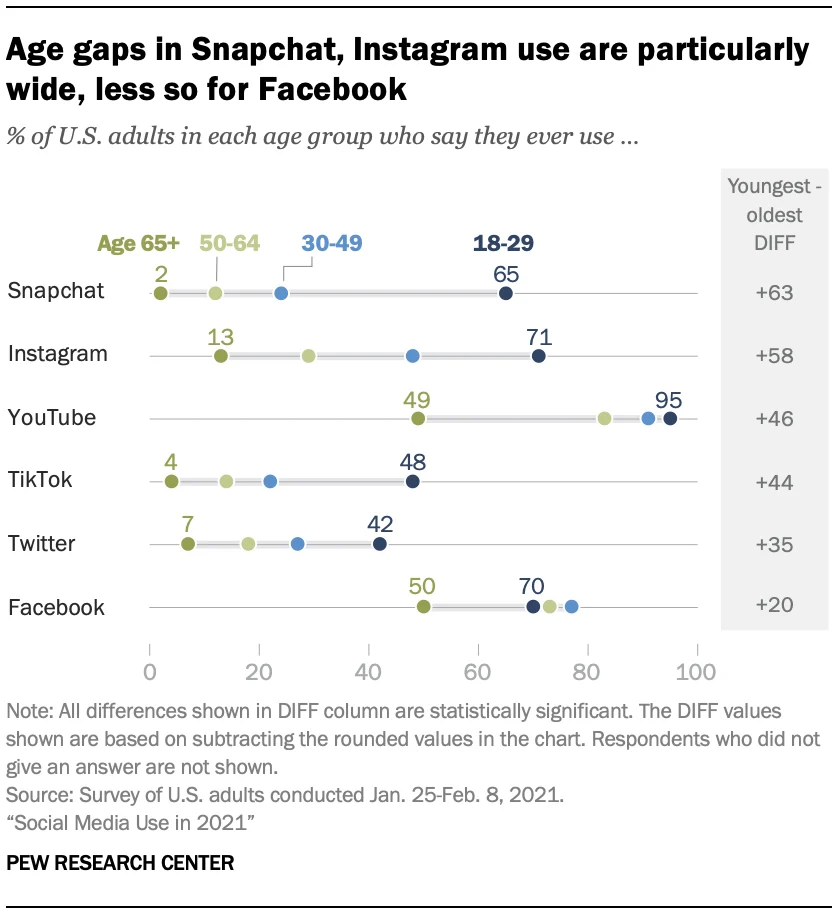
The accompanying visual, depicting age group engagement across various social media platforms, underscores these trends. It illustrates that while platforms like Facebook might see broader generational appeal, TikTok and Snapchat often exhibit a more concentrated Gen Z user base. This data is critical for marketers seeking to allocate their advertising budgets effectively.

Messaging That Speaks to Gen Z:
Crafting compelling messages for Gen Z requires an understanding of their communication preferences and values:
- Authenticity and Transparency: As emphasized, direct, honest, and relatable messaging is key. Avoid overly corporate jargon or sales-driven pitches. Instead, focus on showcasing brand values, behind-the-scenes content, and genuine customer testimonials.
- Humor and Relatability: Gen Z often responds well to humor, particularly if it’s self-aware or taps into shared cultural moments. Memes, trending sounds, and relatable everyday situations can be effective.
- Social Impact and Purpose-Driven Content: Brands that actively demonstrate their commitment to social and environmental causes will resonate more deeply. Highlight initiatives, partnerships, and the positive impact the brand is making.
- User-Generated Content (UGC): Gen Z trusts the opinions of their peers more than traditional advertising. Encouraging and showcasing UGC, such as customer reviews, unboxing videos, or creative product usage, can build credibility and foster a sense of community.
- Short-Form, Visually Appealing Content: Given their shorter attention spans, content should be concise, visually engaging, and easy to digest. Short videos, eye-catching graphics, and interactive elements are highly effective.
- Inclusivity and Diversity: Gen Z is a diverse generation that values representation. Marketing campaigns that authentically reflect a wide range of ethnicities, genders, body types, and abilities will be more impactful and inclusive.
- Interactive and Engaging Experiences: Rather than passive consumption, Gen Z prefers interactive experiences. This can include polls, Q&As, contests, challenges, or augmented reality filters that allow them to engage directly with the brand.
Implications and Future Outlook
The growing influence of Generation Z in the consumer market presents both challenges and opportunities for brands. Their demand for authenticity, ethical practices, and engaging digital experiences necessitates a fundamental shift in marketing strategies. Brands that fail to adapt risk becoming irrelevant to this crucial demographic.
The long-term implications of Gen Z’s values are likely to shape the future of commerce. As they gain more purchasing power, their emphasis on sustainability, social responsibility, and transparency could force industries to adopt more ethical and environmentally conscious practices. Their digital fluency will also continue to drive innovation in online marketing, pushing for more personalized, interactive, and immersive experiences.
Ultimately, effectively marketing to Gen Z is not simply about understanding a set of demographic characteristics; it is about embracing a new paradigm of communication that prioritizes genuine connection, shared values, and authentic engagement. As this generation matures and their influence grows, their impact on the business world will undoubtedly continue to expand, making them a critical focus for any forward-thinking brand.
This analysis serves as a foundational understanding of marketing to Generation Z. It is important to remember that within any generation, there exists a vast spectrum of individual preferences and behaviors. Therefore, ongoing research, adaptive strategies, and a commitment to genuine audience understanding are paramount for sustained success in reaching and converting this dynamic consumer group. For bespoke digital marketing solutions tailored to your specific Gen Z audience, consulting with experienced marketing professionals is a valuable step.

 Basiran
 Lina Irawan