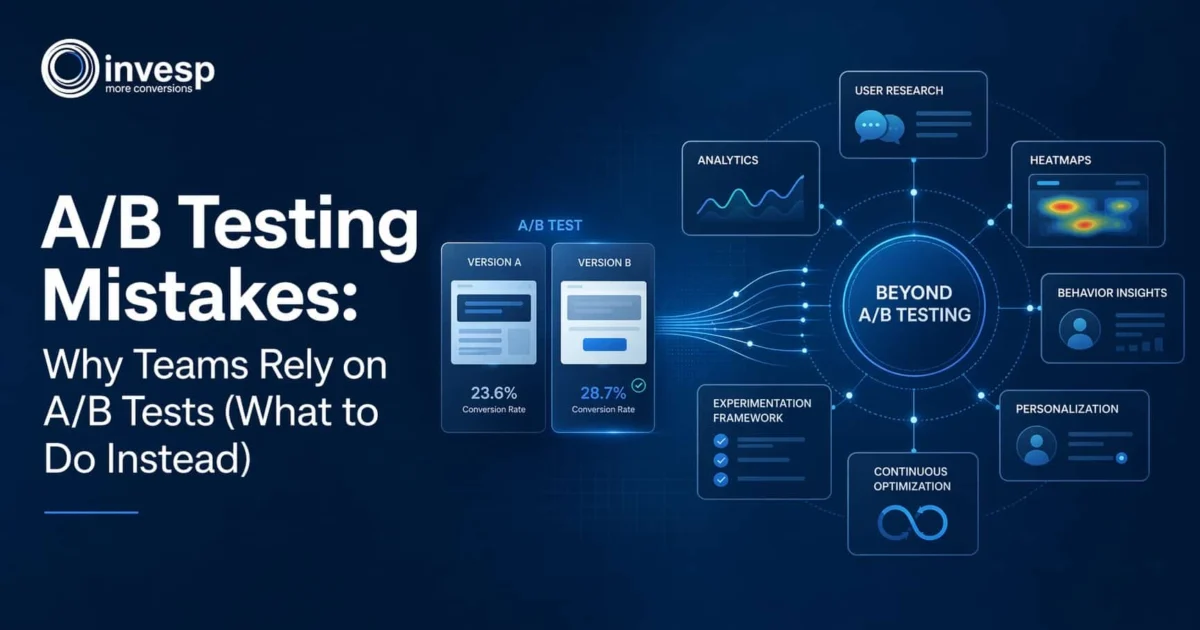
Digital experimentation has undergone a radical transformation over the last decade, evolving from a niche practice used by data scientists at Google and Microsoft into a standard operational procedure for marketing and product teams worldwide. However, as the democratization of testing tools has made it easier than ever to launch an experiment, a new challenge has emerged: the “A/B testing trap.” While many organizations view a high volume of A/B tests as a sign of progress, industry analysts and conversion rate optimization (CRO) experts are increasingly warning that an over-reliance on simple split testing is often a symptom of low organizational maturity. This dependency can lead to “local maxima”—a state where a team has optimized small elements to their peak efficiency while remaining oblivious to fundamental flaws in the broader business strategy or user experience.
The Rise of the Experimentation Culture
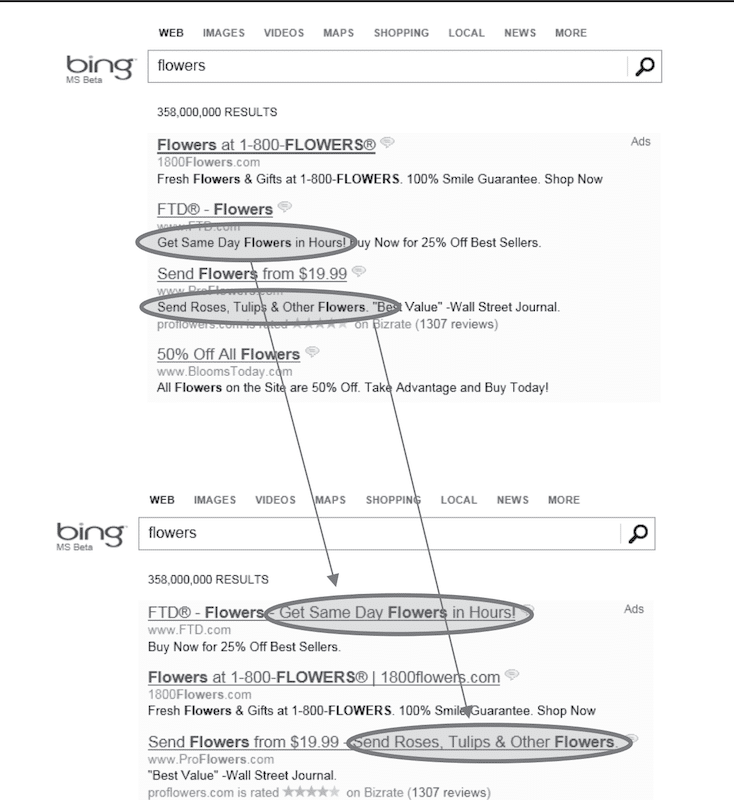
The ascent of A/B testing as the default decision-making tool can be traced back to the early 2010s, when platforms like Optimizely and FigPii began offering “no-code” or “low-code” solutions. These platforms allowed non-technical staff to bypass traditional development cycles to test headlines, button colors, and images. The cultural validation for this movement came from “Big Tech” success stories. One of the most cited examples is the Microsoft Bing team, which discovered that merging two ad title lines into a single longer headline increased click-through rates significantly, eventually generating over $100 million in additional annual revenue.
Such successes normalized the idea that every digital element should be tested. Today, industry data suggests that approximately 77% of all digital experiments are simple A/B tests involving only two variants. While this simplicity facilitates speed, it often encourages teams to ask narrow, low-impact questions. The convenience of these tools has shaped a corporate culture where “experimentation” is frequently conflated with “running an A/B test,” regardless of whether that specific method is the most appropriate for the problem at hand.
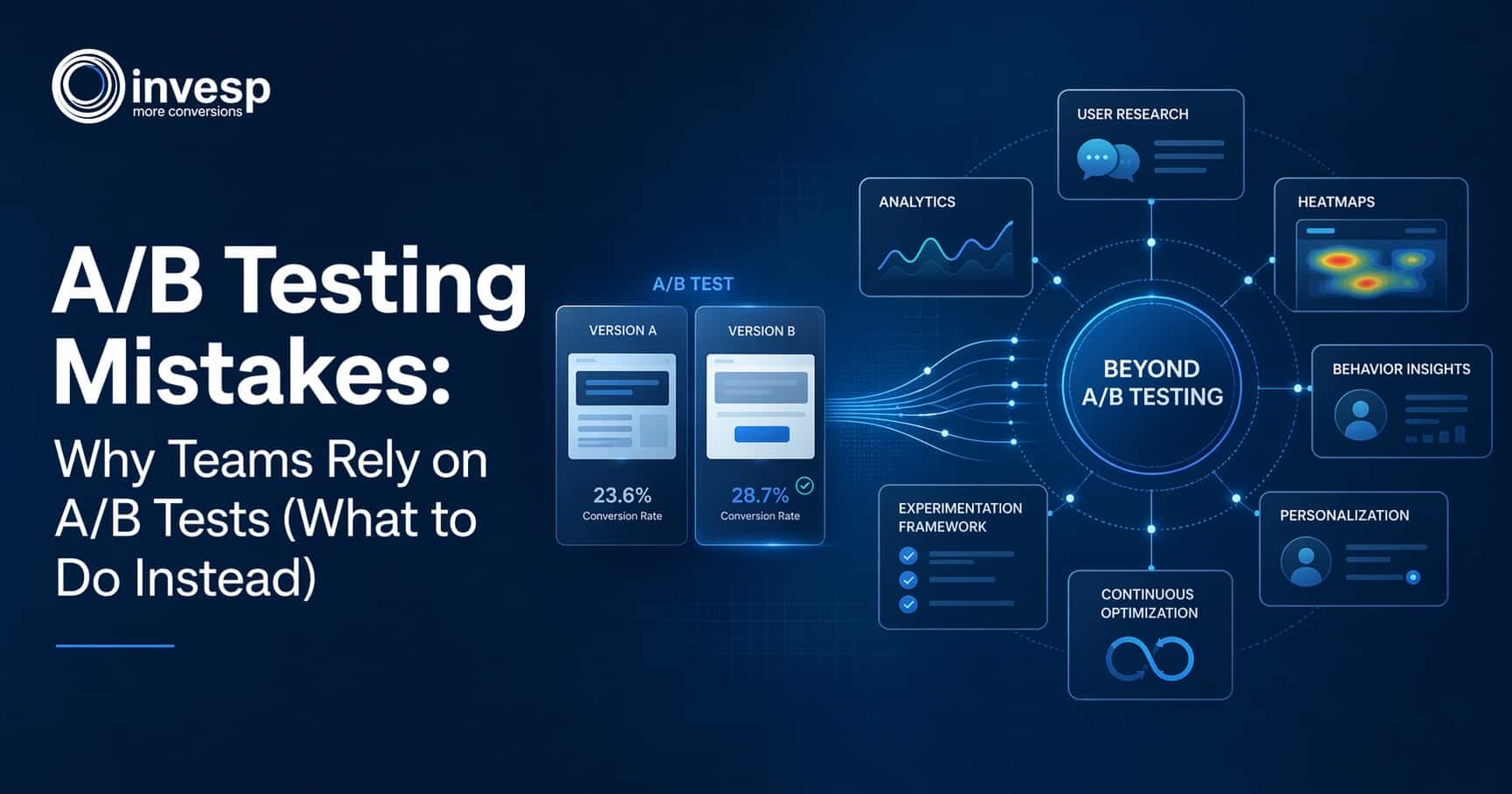
The Statistical Reality of Low-Traffic Environments
One of the primary critiques of the “test everything” approach is the lack of statistical rigor in many implementations. For an A/B test to be valid, it requires statistical power—the ability to detect an effect if one actually exists. This power is a product of sample size (traffic) and the magnitude of the effect being measured.
In the e-commerce sector, many brands lack the necessary volume to reach statistical significance within a reasonable timeframe. To detect a modest 2% lift in conversions with high confidence, a site may need hundreds of thousands of visitors per variant. Organizations with lower traffic often fall into three common failure modes:
- Running tests for too long, leading to “sample pollution” as cookies expire or users change behavior.
- Ending tests too early when a result looks “promising,” which often leads to false positives (Type I errors).
- Ignoring the test results entirely and relying on “gut feel” when the data remains inconclusive after several weeks.
This statistical bottleneck means that for many small-to-medium enterprises, the standard A/B test is an inefficient way to learn. High-maturity teams recognize this and pivot toward more substantial changes that are likely to produce larger, more detectable effects, rather than chasing 1% improvements on button copy.
The Gap Between “What” and “Why”
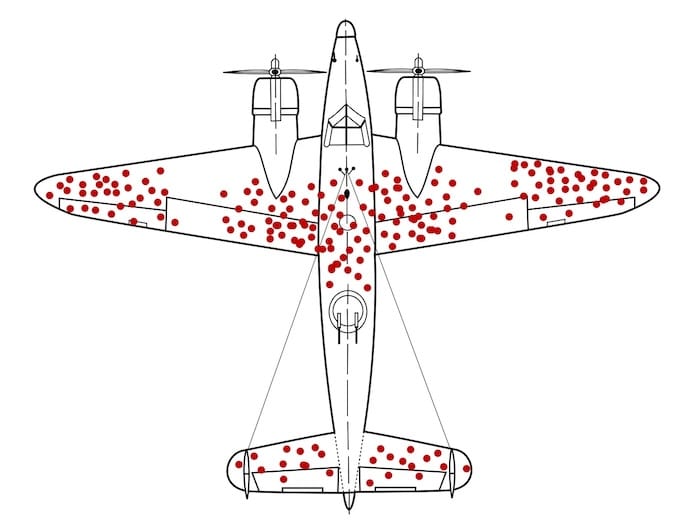
A fundamental limitation of A/B testing is that it is a quantitative tool that describes outcomes without explaining motivations. It tells a team that “Variant B won,” but it offers no insight into the psychological drivers of that victory. This creates a significant blind spot, often compared to the “survivorship bias” observed during World War II.
When military analysts examined returning aircraft to determine where to add armor, they initially focused on the areas with the most bullet holes. It was statistician Abraham Wald who pointed out that they were only seeing the “survivors.” The planes that were hit in critical areas, such as the engine, did not return to be analyzed. Similarly, A/B tests focus on the behavior of those who remain in the funnel. They rarely capture the sentiment of the users who were so alienated or confused by the experience that they exited the site entirely.
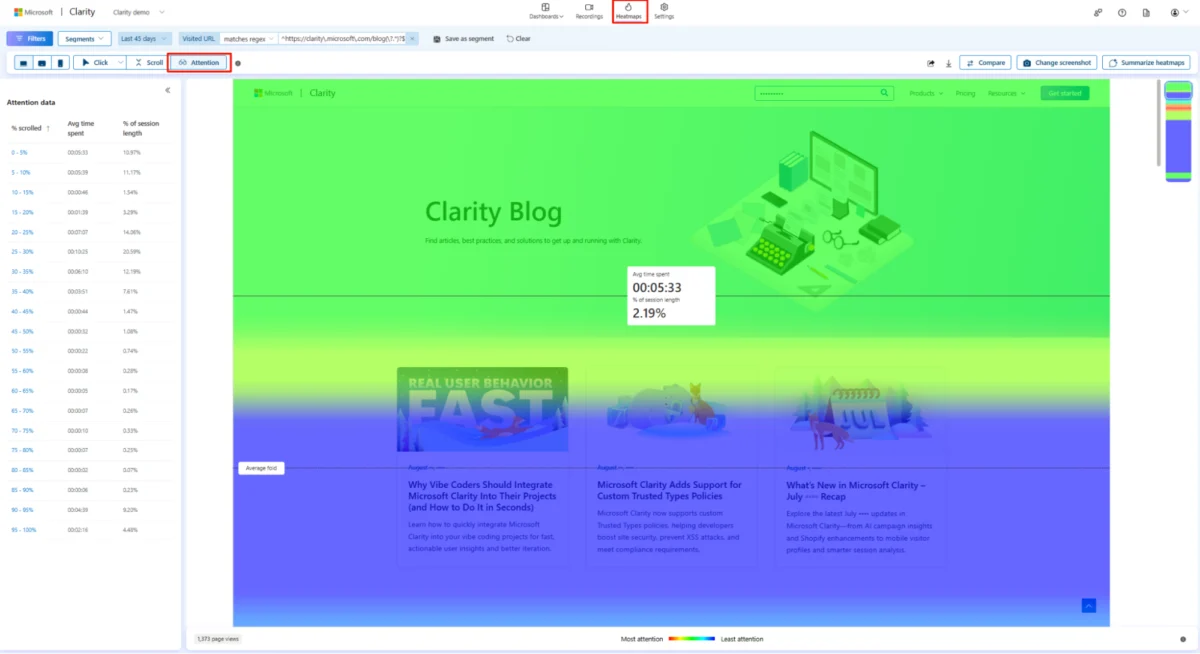
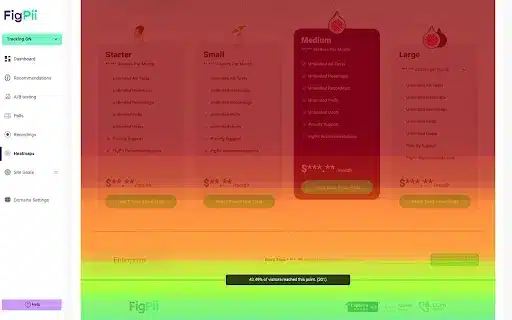
Without qualitative context—such as session recordings, heatmaps, and customer support logs—teams often misinterpret their “wins.” A variant might win because it forced a user into a specific path, not because it provided a better experience. This can lead to short-term gains that erode long-term brand trust.
The Short-Termism Trap in E-commerce
In the pursuit of immediate “uplifts,” many teams focus on micro-conversions, such as “Add to Cart” clicks or email sign-ups. However, high-maturity organizations have observed that short-term wins in an A/B test do not always translate to long-term business health.
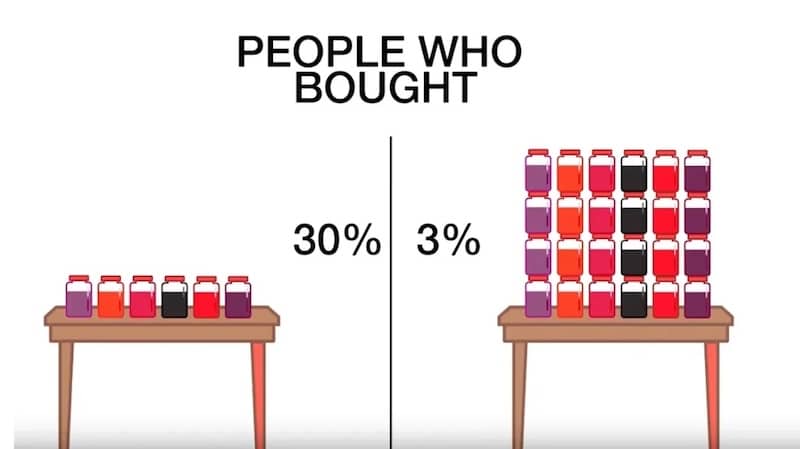
The “Jam Experiment,” a classic study in behavioral economics, illustrates this paradox. When researchers offered 24 varieties of jam at a tasting booth, they saw higher initial engagement than when they offered only six. However, the booth with fewer options resulted in ten times the actual purchases. In a digital context, an A/B test might show that adding more product recommendations increases “clicks,” but it may simultaneously decrease final checkout rates due to choice paralysis.
Furthermore, aggressive optimization for conversion can sometimes hurt profitability. For example, a test might show that offering free shipping on all orders significantly increases volume. However, if the increased shipping costs exceed the gains from the higher volume, the “winning” variant is actually a loss for the business. Mature teams move beyond simple conversion rates to measure Revenue Per Visitor (RPV), Customer Lifetime Value (LTV), and net profit margins.
Strategic Evolution: The Multi-Tool Approach
To move beyond the limitations of simple split testing, high-maturity organizations are adopting a broader experimentation toolkit. This shift involves matching the experimental design to the complexity of the business question.
- Sequential Testing and Switchbacks: In environments where users interact with one another (such as marketplaces or social platforms), standard A/B splits can be messy. Switchback testing—alternating between treatments over specific time intervals—allows for cleaner data in complex systems.
- Holdout Groups: To measure the long-term impact of a feature, some teams keep a small “holdout” percentage of users on the old version of a site for months. This reveals whether the initial “win” was just a novelty effect or if it truly contributes to sustained growth.
- Quasi-Experiments: When a randomized controlled trial is impossible—such as when testing a new pricing model across an entire geographic region—teams use quasi-experimental designs to compare the “treated” region against a statistically similar “control” region.
The Role of Evidence-Led Hypotheses
The quality of an experimentation program is ultimately determined by the quality of its hypotheses. Low-maturity teams often test “random ideas” from a backlog. In contrast, high-maturity teams use a rigorous research-first approach.
A sophisticated hypothesis follows a specific structure: “Because we have observed [X] in our research, we believe that [Y] is a problem for our users. By changing [Z], we expect to see a [specific metric] change.” This ensures that every test is grounded in reality. Sources for these hypotheses include:
- Customer Support Tickets: Identifying recurring points of friction.
- Site Search Data: Understanding what users are looking for but cannot find.
- Heuristic Evaluations: Expert reviews of the user interface based on established UX principles.
- Session Recordings: Observing where users hesitate or “rage click.”
Focusing on High-Leverage Changes
Finally, the hallmark of a mature CRO program is the courage to test “big levers.” Instead of spending months testing the wording of a Call to Action (CTA), high-maturity teams experiment with fundamental aspects of the business model. This includes testing different pricing tiers, rethinking the information architecture of the entire site, or overhauling the value proposition itself.
The Bing example mentioned earlier was not just a “color change”; it was a fundamental shift in how information was presented to help users make faster decisions. In e-commerce, this might look like moving from a traditional category-based navigation to a “solution-based” navigation that aligns with how customers actually think about their problems.
Conclusion and Future Outlook
As the digital landscape becomes increasingly competitive and customer acquisition costs continue to rise, the ability to experiment effectively has become a core competency for survival. However, the era of “blind” A/B testing is drawing to a close. The future of experimentation lies in a holistic approach that integrates quantitative data with qualitative insights, prioritizes long-term business value over short-term clicks, and utilizes a diverse array of statistical methods.
For organizations looking to advance their maturity, the path forward is clear: stop treating A/B testing as the destination and start using it as one of many tools in a broader strategy of continuous, evidence-based improvement. By focusing on the “why” behind user behavior and tackling high-leverage business problems, teams can move past incremental gains and achieve transformative growth.